
Reviewed · MUSEUMS
Vienna: Chocolate Workshop in Chocolate Museum w/ Tasting
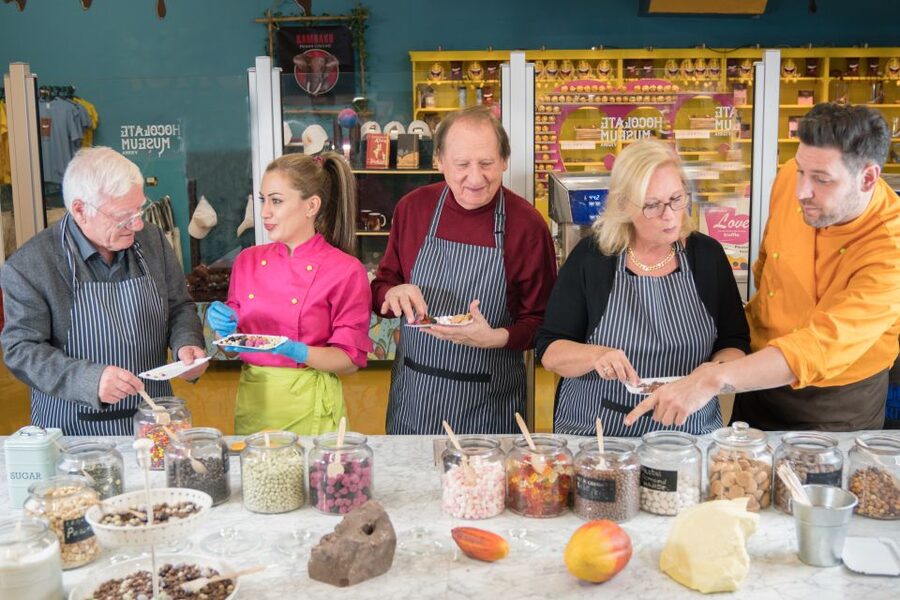
The best part of this Vienna activity is that you do not just watch chocolate being made. You pour and decorate three full-size bars yourself, then make a hot chocolate using an old Aztec-style recipe. I especially like the hands-on work and the fact that your finished chocolates become edible souvenirs, not another small sample swallowed before lunch.
I also like the friendly, patient teaching. Guides such as Janya, Dimi, Tania, Selma, and Jana have helped make the class relaxed for mixed-age groups. The main thing to keep in mind is that the museum is small, and this is not a bean-to-bar lesson or a full course in tempering chocolate at home.
Key points to know before booking
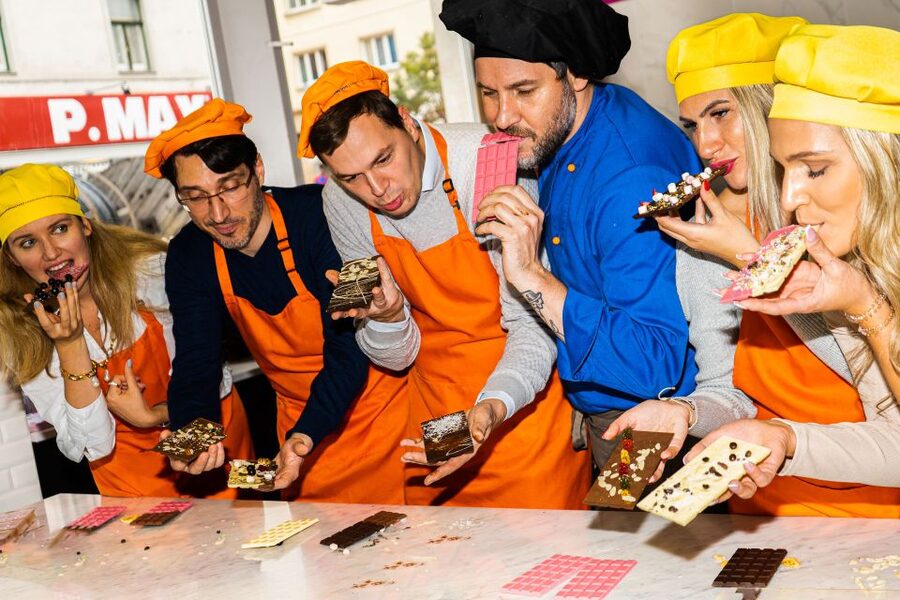
- Three chocolate bars to take home: Choose your chocolate and add toppings such as granola, gummy sweets, and other ingredients.
- A working tempering machine: You get to use professional equipment, with help from the chocolatier.
- Aztec-style hot chocolate: Prepare and taste a cocoa drink made with traditional tools and ingredients.
- A short, hands-on museum visit: The museum adds context and interactive displays, but the workshop is the main event.
- Good for families and adults: No cooking experience is needed, and children under ten must have a ticketed adult with them.
- Easy public transport: From Pilgramgasse U-Bahn station, the museum is about a three-minute walk.
Making three bars instead of watching a demonstration
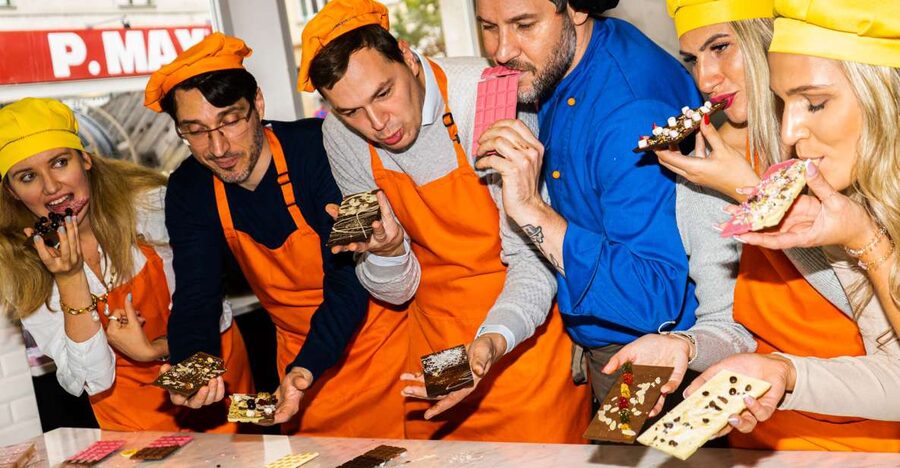
Many food museums ask you to stand behind a barrier while somebody else does the interesting work. This one puts a mould in front of you.
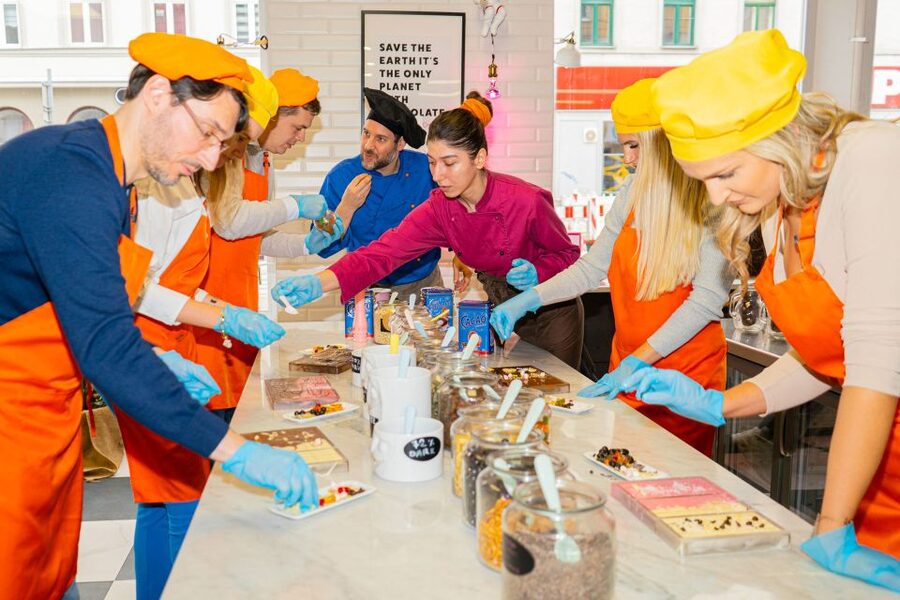
The class begins with an introduction to chocolate and cacao. Your chocolatier explains the main types of chocolate, offers tastings, and talks through the seven steps of chocolate consumption. The teaching is aimed at ordinary people, not pastry students, so you do not need cooking experience or special equipment.
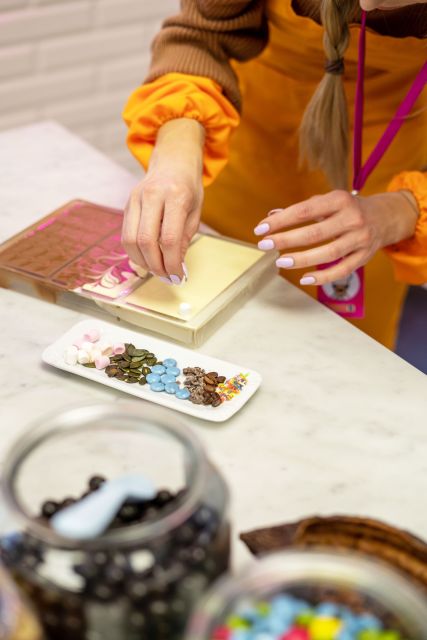
Then comes the part most people are here for. You select from the available chocolate choices, pour the chocolate into moulds, and spread it into place. After that, you decorate the bars with toppings and ingredients of your choice. The process looks easy, but one participant noted that distributing the chocolate evenly is trickier than it first appears. That is part of the fun: your bars are handmade, and they may look a little more personal than factory-perfect.
You make three bars per person. That is a generous amount for a 90-minute activity, especially if you are comparing this with a museum where you only receive a few small sweets. Milk chocolate is a safe choice for most people. Dark chocolate can taste quite bitter, while white chocolate and milk chocolate tend to appeal to a wider range of palates.
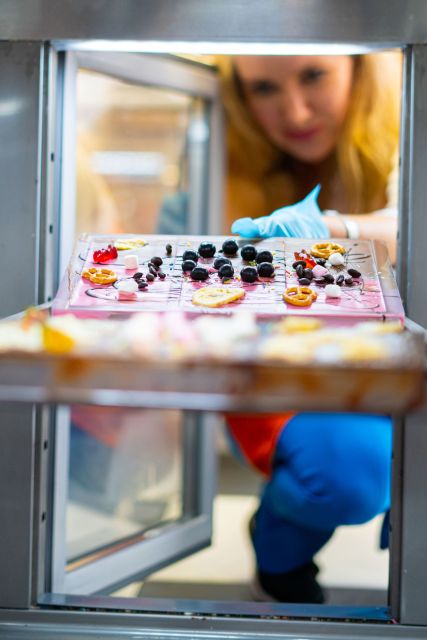
Once decorated, the bars get a quick chill so they can set. You then take all three home. Bring a bag with room for them, particularly if you are carrying other souvenirs around Vienna. The workshop provides the cookware and ingredients, so you do not need to prepare anything in advance.
More to book in Vienna
- Vienna Coffee, Cake & Pastries Tour with Local Stories
★ 5.0 · 470 reviews - Chocolate workshop in Chocolate Museum Vienna “BO-YO”
★ 4.5 · 352 reviews
The tempering machine adds a real practical touch
The workshop uses a professional chocolate tempering machine. You will not be trained to temper chocolate at home, and the activity does not cover making chocolate from cacao beans. Still, seeing the machine work gives you a useful sense of why chocolate needs careful handling.
The machine helps keep the chocolate at the right working condition. The instructor guides you through the process, so you are not left guessing when to pour or how to handle the mixture. This is a good balance for a short class: you get the feel of professional equipment without spending an hour on technical theory.
I like this aspect because it gives the activity a little more substance than simply adding sprinkles to a ready-made sweet. You take part in several stages, but the staff keep the process moving. If you are nervous about cooking, do not be. The class is designed for beginners, and the instructors are on hand throughout.
The experience can also work well for adults who do not usually choose family activities. Several adult pairs and small groups have enjoyed the class, especially when the guide keeps the tone light and explains the reasons behind each step.
The Aztec hot chocolate is more than a sweet drink
The second major activity is making hot chocolate. This is not simply a cup poured from behind a counter.
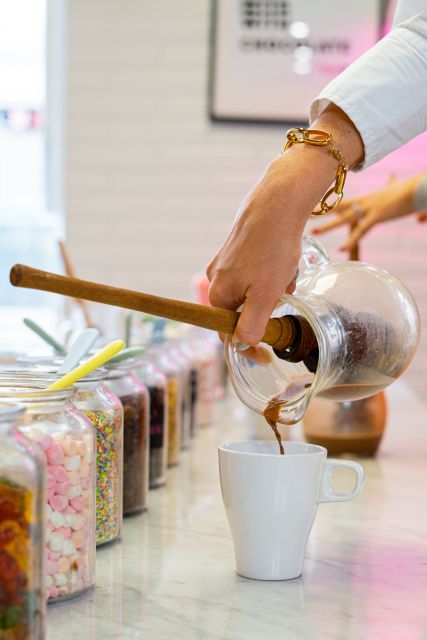
You use cocoa, sugar, and milk powder, along with traditional tools and a recipe linked to Aztec techniques. The guide explains the drink and helps you prepare your own version. The result is described as thick, rich, and very satisfying, though the exact flavor will depend on how you mix it.
This section gives the workshop a useful link between chocolate as a modern treat and cacao as an older food and drink. It also breaks up the bar-making session. After concentrating on moulds and toppings, you get to make something you can taste straight away.
The hot chocolate is one of the reasons I would not treat this as only a children’s craft class. It gives adults something to learn and taste, too. If you enjoy trying local food traditions, this part may be more interesting than the certificate at the end.
You can also stop at the museum counter for a coffee, hot chocolate, or other chocolate treats before or after the class. That is a practical tip if you arrive early or want to linger after the scheduled activity.
A small museum with useful context
Museum admission is included with the workshop ticket. The museum visit takes about 15 minutes, while the hands-on workshop itself lasts about 60 minutes. The full booking is advertised as 90 minutes, so leave yourself the full time rather than scheduling something immediately afterward.
The museum explains where cacao comes from and how chocolate developed. It also includes interactive displays and photo opportunities. You might find it compact rather than grand. One fair criticism is that the museum itself does not contain a large collection, so do not book this expecting a major history museum devoted to confectionery.
That is not a serious problem if you see the museum as a short companion to the workshop. The hands-on work, tasting, and hot chocolate provide most of the value. The museum gives you a reason to pause and understand the ingredient before you start handling it.
The order may vary, but the experience includes the workshop and museum entry. Ask the staff where to go next if you are unsure. The entrance is on the corner of Schönbrunner Straße and Reinprechtsdorfer Straße.
A different kind of evening in Vienna:
- Vienna: Vivaldi’s Four Seasons Concert in Karlskirche
★ 4.7 · 14,951 reviews - Vienna: Spanish Riding School Training
★ 3.9 · 9,281 reviews - Vienna: Skip-the-cashier-desk-line Giant Ferris Wheel Ride
★ 4.5 · 7,859 reviews - Vienna: Schönbrunn Palace & Gardens Skip-the-Line Tour
★ 4.7 · 7,739 reviews
Friendly guides make a difference
The quality of a short workshop often depends on the instructor. Here, the teaching style is a major part of the appeal.
The guides are expected to explain the process in English or German. Names that appear in recent sessions include Janya, Dimi, Tania, Selma, Jana, and Deme. You may not have the same person, but the recurring pattern is clear: the class depends on a chocolatier who can keep several age groups involved at once.
A good guide needs to do more than recite facts. They need to show a child how to fill a mould, help an adult correct an uneven pour, keep the toppings moving, and answer questions without making beginners feel clumsy. The strongest sessions have been praised for patience, humor, and clear demonstrations.
Group size can affect the feel of the class. Some sessions have been very small, even just two people, while others have included larger groups. A small class allows more direct help. A bigger group may feel livelier, but you may need to wait briefly for assistance. The staff are used to managing mixed groups, including children, teens, and adults.
Is $55 a fair price?
At $55 per person, this is not a bargain museum ticket. The value depends on what you want from the outing.
The price includes museum entry, tastings, snacks, all ingredients and cookware, chocolate decorating, three bars to take home, the hot chocolate activity, and a signed BO-YO certificate. The three finished bars matter most. They make this feel like an activity with a substantial takeaway rather than a quick tasting.
I would consider the price fair for a family or couple looking for a scheduled indoor activity in Vienna. You are paying for instruction, ingredients, equipment, staff time, and the novelty of making the sweets yourself. It also works well on a rainy day, when an outdoor sightseeing plan loses its charm.
The value is less clear if your main goal is a serious chocolate education. You do not make chocolate from bean to bar, and you do not learn a complete home-tempering method. The museum is also small. A visitor mainly seeking a large collection of exhibits may find the cost high.
Still, the combination of three bars, a drink, tastings, and museum entry compares well with many short tourist activities. A certificate is a pleasant extra, though I would treat it as a souvenir rather than a reason to book.
Getting there from central Vienna
The easiest stated route is by U-Bahn. Take the green U4 line to Pilgramgasse, then walk about three minutes to the museum.
Buses 14A and 12A also stop directly in front of the museum. Look for the entrance on the corner of Schönbrunner Straße and Reinprechtsdorfer Straße. Check your meeting instructions before leaving, since the entrance is identified by the street corner rather than a large standalone landmark.
The location makes this simple to add to a Vienna day. You do not need to devote an entire day to it, but allow the full workshop period plus transport. If you want time for a drink or extra chocolate at the counter, arrive with a little breathing room.
The activity is offered in English and German. If you are booking for a group with different language needs, confirm that everyone understands which session language applies.
Who will enjoy this most?
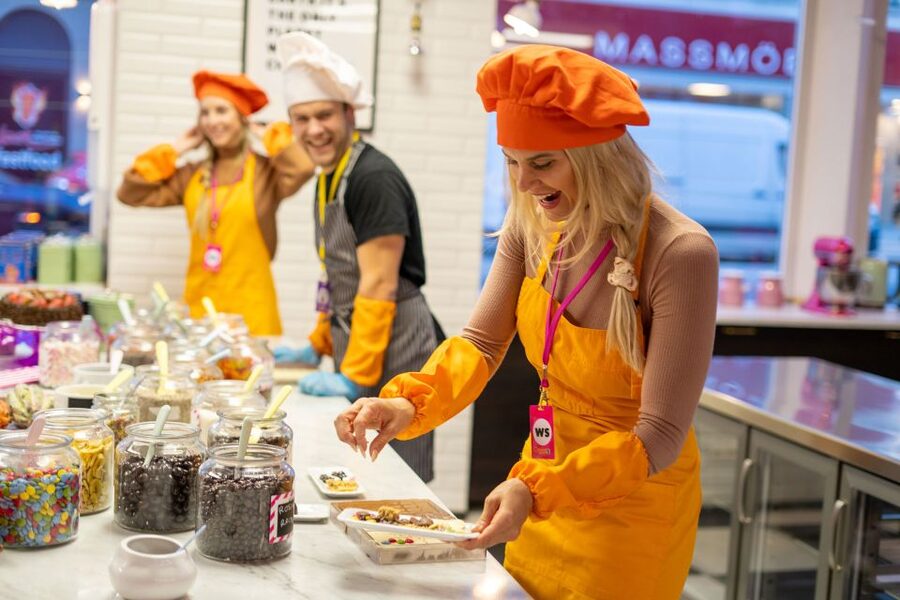
Families with children are an obvious match. Children can choose toppings, work with the moulds, make a drink, and carry home something they created. Children under five are not recommended for the workshop, and anyone under ten must be accompanied by an adult who also buys a ticket.
Teens are also likely to enjoy it. The activity is not limited to very young children, and the chocolate-making feels more substantial than a simple decorating table. Parents can take part rather than standing on the sidelines.
Couples and adult friends should not dismiss it as a children’s outing. The hot chocolate, tastings, and chance to make three personalized bars give adults plenty to do. It can be a cheerful break from churches, palaces, and formal museums.
Chocolate enthusiasts should book with realistic expectations. You will learn about chocolate types, cacao origins, handling, and tasting. You will not receive professional pastry training or a full guide to home tempering. Think of it as a playful introduction with good edible results.
Practical tips for a smoother session
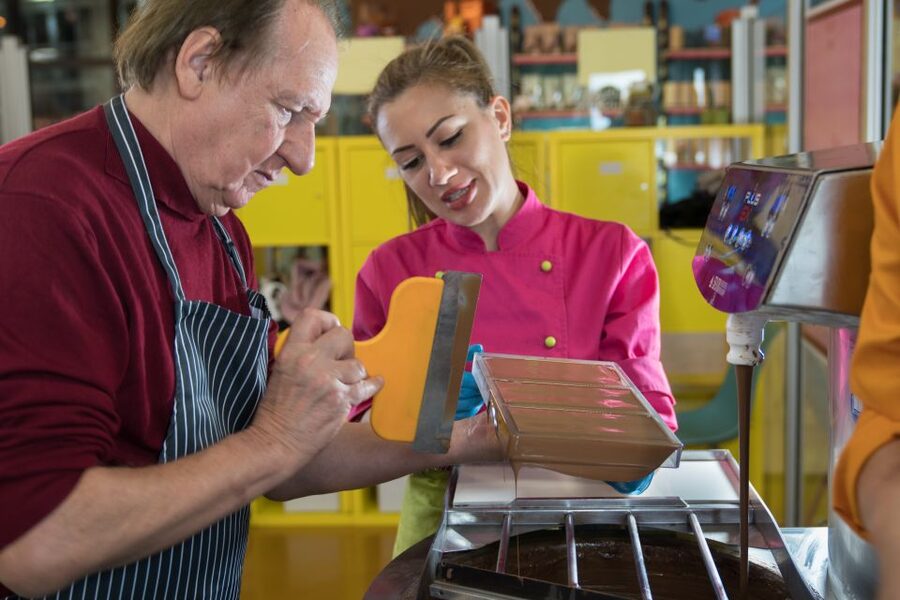
Wear clothes you do not mind getting a little messy, even though the staff provide what you need. Chocolate work is usually forgiving, but a decorative topping can still end up somewhere unexpected.
Choose your chocolate with flavor in mind. Milk is widely liked and tends to be smooth. White chocolate is sweeter, while dark chocolate can be noticeably bitter. If you are making three bars, mixing styles may be more fun than choosing only one.
Save space in your day for the museum after the workshop, or before it if staff direct you that way. The museum portion is short, and you will get more from it once you have heard the chocolate explanation.
Use the cancellation terms when planning: you can cancel up to 24 hours in advance for a full refund, and a reserve-now, pay-later option is available. Tickets are non-refundable outside the stated cancellation conditions, so check the booking terms before committing.
Should you book the Chocolate Museum workshop?
Book it if you want an active, tasty break from sightseeing and like the idea of taking home three handmade bars. The patient instructors, flexible decoration choices, Aztec-style hot chocolate, and included museum visit give the 90-minute session a good mix of learning and play.
Skip it if you want a large museum, a serious pastry class, or a full bean-to-bar lesson. At $55, the price asks you to value the activity itself, not just the exhibits.
For families, chocolate fans, rainy-day planners, and adults looking for something different, I would put this high on the Vienna short-list. Just remember that the museum is the side dish. The real meal is making, tasting, and carrying home your own chocolate.
FAQ
How long does the Chocolate Museum Vienna workshop last?
The full activity is scheduled for about 90 minutes. The workshop takes approximately 60 minutes, and the museum visit takes about 15 minutes.
What do I make during the workshop?
You make three chocolate bars and decorate them with your choice of available toppings and ingredients. You also prepare and taste an Aztec-style hot chocolate.
Can beginners attend?
Yes. No previous cooking or chocolate-making experience is required. Cookware, ingredients, recipes, and assistance from the chocolatier are provided.
Is museum admission included?
Yes. Your workshop ticket includes free admission to the interactive Chocolate Museum Vienna.
What languages are available?
The workshop is offered in English and German.
Are children allowed to join?
The workshop is designed for children and adults, but it is not recommended for children under five. Children under ten must be accompanied by an adult, and that adult also needs a ticket.
How do I get to the museum?
From Pilgramgasse U-Bahn station on the green U4 line, the museum is about a three-minute walk. Buses 14A and 12A stop directly in front of the museum. The entrance is on the corner of Schönbrunner Straße and Reinprechtsdorfer Straße.
More Museums in Vienna
- Vienna: Skip-the-Line Sisi Museum, Hofburg and Gardens Tour
★ 4.8 · 5,918 reviews - Vienna Kunsthistorisches Museum Day Admission Ticket
★ 4.6 · 3,690 reviews - Tickets for the Albertina Exhibitions
★ 4.7 · 2,126 reviews - Sigmund Freud Museum Ticket
★ 4.6 · 1,668 reviews
More Workshops in Vienna
- Nabiel’s Vienna Cooking Class
★ 5.0 · 234 reviews - Austrian Apple Strudel Cooking Class including Lunch in Salzburg
★ 5.0 · 929 reviews - Salzburg: Apple Strudel & Salzburger Nockerl Class
★ 4.9 · 424 reviews - Salzburg Christmas Cookies and Apple Strudel Cooking Lesson
★ 5.0 · 183 reviews
Just added in Vienna
- 3 hour private tour in Vienna by private car★ 4.4 · 6 reviews
- Private Christmas Markets Walking Tour Vienna★ 5.0 · 31 reviews
- Christmas Markets & Shopping in Vienna★ 5.0 · 17 reviews
- Christmas Market Vienna Tour★ 4.0 · 53 reviews
- Vienna: Christmas Markets Tour★ 4.3 · 99 reviews
- Vienna Residence Orchestra: Mozart and Strauss Concert★ 4.0 · 137 reviews
- Vienna: Bus Tour with Virtual Reality Experience★ 4.7 · 148 reviews
- Vienna: A Little Night Music – Concert at Capuchin Church★ 4.8 · 145 reviews
Museums, compared.
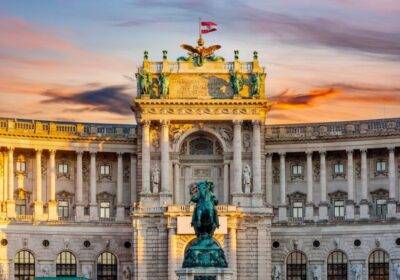
Skip-the-Line Sisi Museum, Hofburg and Gardens Tour
Read our review →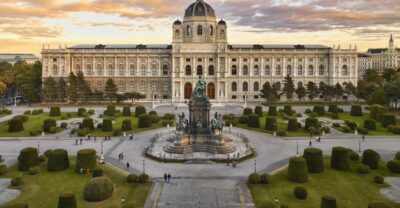
Vienna Kunsthistorisches Museum Day Admission Ticket
Read our review →
St. Stephen’s Cathedral & Dom Museum Wien Tickets
Read our review →
Browse the lists this tour appears in