
Reviewed · MUSEUMS
Vienna: Leopold Museum Skip-the-Line Entry Ticket
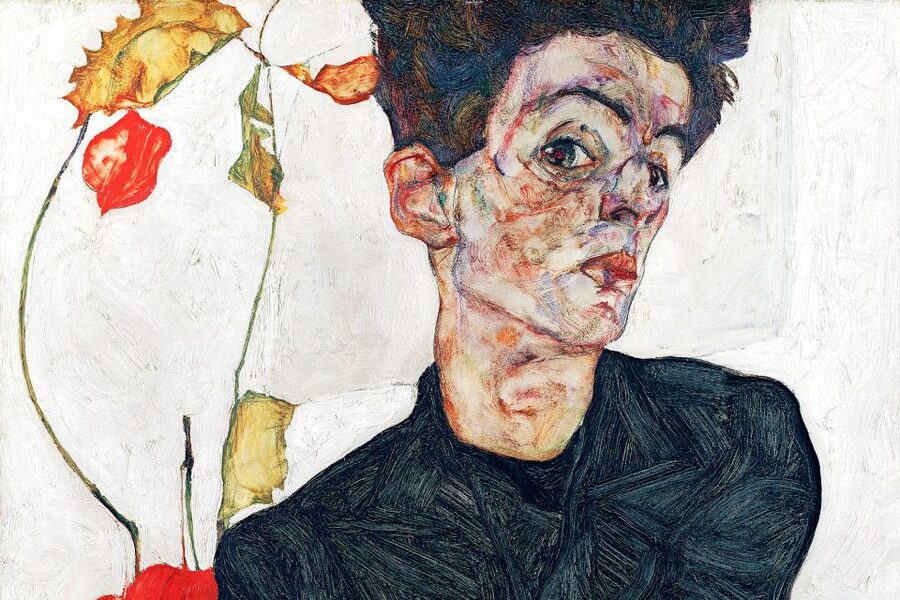
The main reason to visit the Leopold Museum is simple: it holds the world’s largest Egon Schiele collection, with around 130 paintings and letters, alongside major works by Gustav Klimt. You also get a sharp look at Vienna around 1900, when artists, designers, and writers were breaking away from imperial convention.
I like the one-day flexibility, since you can fit the museum around a busy Vienna schedule, and I like that the $22 ticket includes both the permanent collection and special exhibitions. The museum’s high atrium and broad windows are another treat, with views toward Maria-Theresien-Platz and the Hofburg.
The main consideration is scope. Although the museum occupies several floors, it is not enormous, and some visitors find the collection smaller than expected. There is no audio guide or guided tour included, so you will need to bring your own context or arrange extra help separately.
Key points at a glance
- Schiele in unusual depth: See a major group of Egon Schiele paintings, drawings, letters, and personal context in one place.
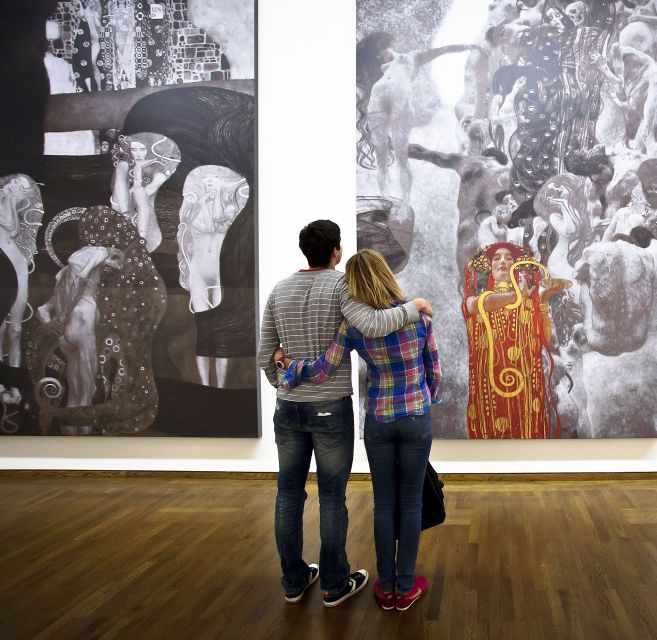
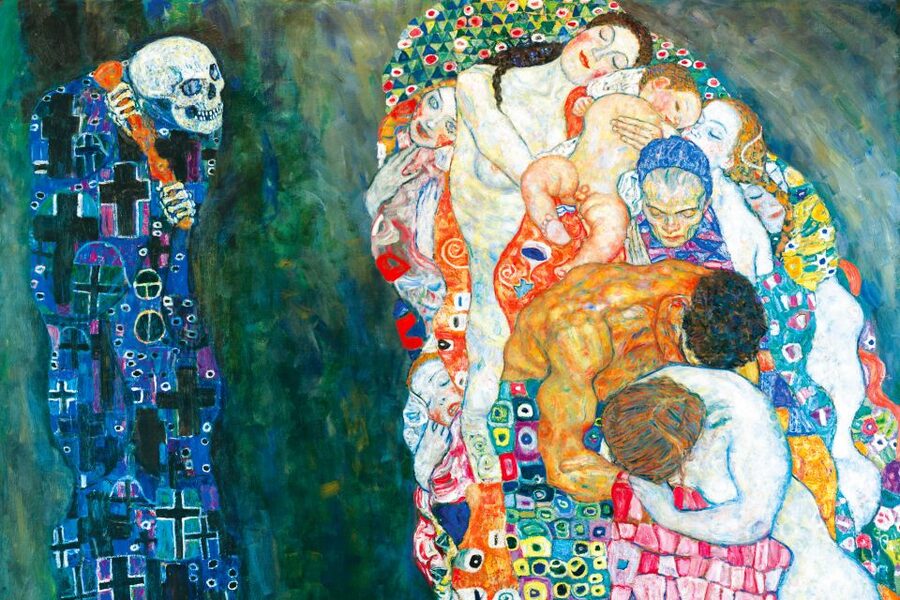
- Klimt beyond the famous golden image: Look for important works including Life and Death, plus pieces from his earlier career.
- Vienna around 1900: Follow the break from academic tradition through the Vienna Secession, Art Nouveau, and Expressionism.
- Design history included: Wiener Werkstätte objects by Josef Hoffmann, Kolo Moser, and others broaden the visit beyond painting.
- Architecture with city views: The white limestone museum creates a striking contrast with the former imperial stables around it.
- Special exhibitions included: Rotating shows bring in loans from around the world several times a year.
Why the Leopold Museum matters in Vienna
Vienna’s MuseumsQuartier gives you several museums within one former imperial complex, but the Leopold Museum has a clear identity. Its focus is the art of Vienna around 1900, a period when the city’s old imperial order was giving way to bold new ideas.
This was the age of Gustav Klimt, Egon Schiele, and Oskar Kokoschka. The Vienna Secession challenged the official art establishment, while Art Nouveau brought sweeping lines, decorative surfaces, and new approaches to architecture and design. Expressionism pushed still further, using distorted bodies, tense gestures, and raw color to show inner feeling.
I find this setting especially useful if you are seeing Klimt and Schiele for the first time. Instead of treating them as isolated stars, the museum places them within a creative circle. You can see how one generation moved from decorative beauty toward more unsettled and personal forms of art.
The museum also helps explain why Vienna around 1900 still matters. The artists were not simply producing attractive pictures for palace walls. They were questioning old rules about the human body, sexuality, identity, design, and the role of art in daily life.
More to book in Vienna
- Vienna: Skip-the-Line Sisi Museum, Hofburg and Gardens Tour
★ 4.8 · 5,918 reviews - Vienna Kunsthistorisches Museum Day Admission Ticket
★ 4.6 · 3,690 reviews - Tickets for the Albertina Exhibitions
★ 4.7 · 2,126 reviews
Starting with Egon Schiele’s powerful collection
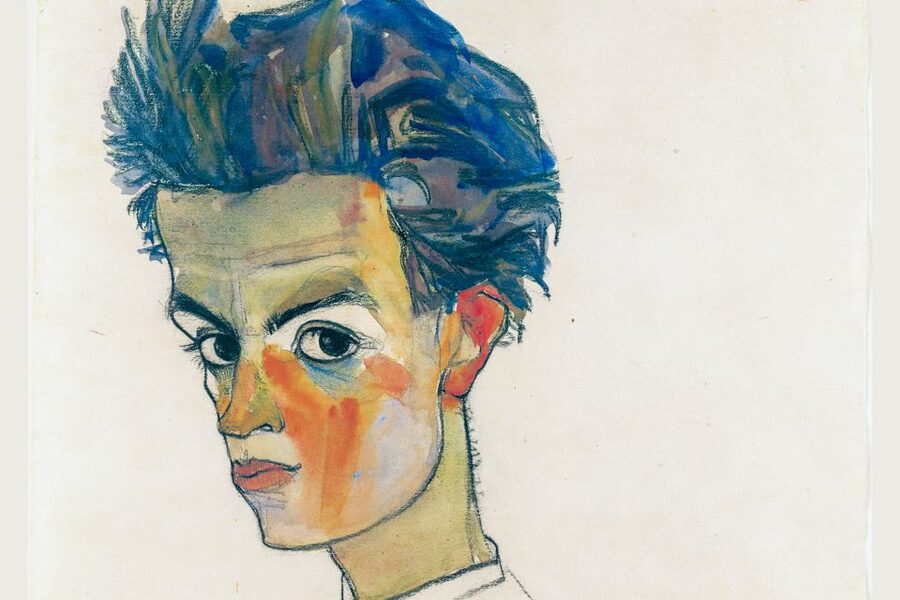
Schiele is the museum’s biggest draw, and rightly so. The collection is described as the largest in the world, with about 130 paintings and letters. That scale gives you something a single famous work cannot: a sense of how his style developed and how consistently intense his work could be.
You can expect angular bodies, nervous lines, stark faces, and poses that refuse polite presentation. Schiele’s people often look exposed, uncomfortable, or fiercely self-aware. The works can be difficult, but they are rarely forgettable.
The letters add a useful personal layer. They do not replace the paintings, but they help place the work in the life of an artist who died young, at the age of 28, during the Spanish flu pandemic. His wife, Edith, also died from the disease. Knowing this can make the collection feel painfully brief, yet the museum avoids reducing Schiele to a tragic biography.
I would allow at least an hour for the Schiele material alone if you want to look closely. If you hurry through every room, you may recognize the style without seeing how much variety sits within it. The best approach is to select a few works and spend time with the line, posture, and expression.
Finding Klimt’s major works
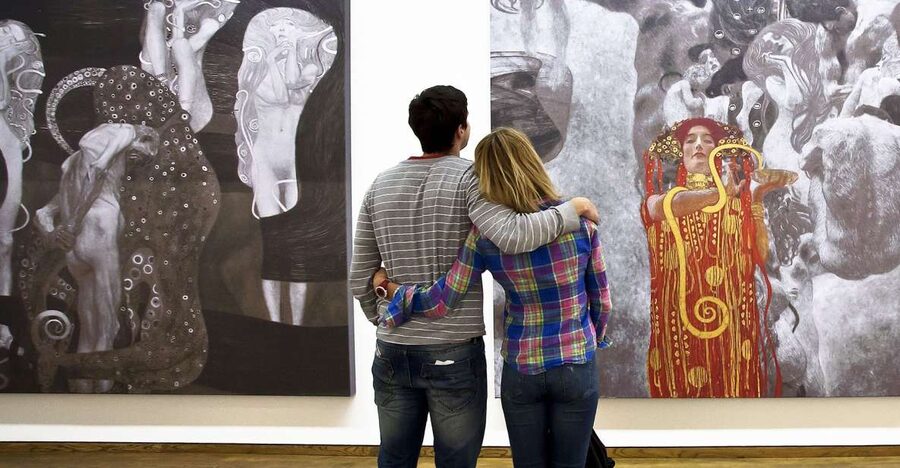
Klimt provides the museum’s other major reason to visit. He is best known for his gold-covered paintings, but the Leopold Museum gives you more than a quick encounter with a familiar name.
One important work is Life and Death, a large painting that contrasts a threatening figure of death with a group of living bodies. Its decoration is typical of Klimt, but the subject is more serious than the gold and pattern might first suggest.
You may also find earlier or less familiar work that shows Klimt before his style became fully recognizable. This is valuable because it lets you see an artist in motion rather than only the finished public image.
If you have already seen Klimt at Vienna’s Belvedere, the Leopold still earns a place in your plan. The museums present different parts of his career and different kinds of viewing experiences. The Leopold is also a useful choice when you want Klimt alongside Schiele and other Viennese artists, rather than as a single star attraction.
Klimt fans may want to allow extra time here. One regular visitor returned four times, which tells you something about the appeal of seeing these works again in a quieter, more focused setting.
Vienna Secession, Art Nouveau, and Expressionism
The museum’s permanent collection is not just a Klimt and Schiele checklist. It tells the story of a city where art was changing quickly.
The Vienna Secession began as a break from established artistic institutions. Its members wanted freedom to show new work, and their ideas found a visual language in Art Nouveau. You will see the period’s interest in flowing forms, decoration, symbolism, and the unity of art and design.
Then the mood shifts. Expressionist artists such as Schiele and Kokoschka moved toward sharper emotion and less conventional images of the human figure. The result is not always pretty, but it is direct.
This mixture of artists and media works well for a visitor who wants more than postcard views of Vienna. You can connect the museum to the city outside: the Ringstrasse, the Habsburg court, grand public buildings, and the cultural rebellion that grew beside them.
Still, the museum does not provide a guided tour with this ticket. If you know little about the period, labels may not be enough to explain every connection. I suggest reading a little about Vienna 1900 before your visit, or using the museum as a visual introduction and following up afterward.
A different kind of evening in Vienna:
- Vienna: Vivaldi’s Four Seasons Concert in Karlskirche
★ 4.7 · 14,951 reviews - Vienna: Spanish Riding School Training
★ 3.9 · 9,281 reviews - Vienna: Skip-the-cashier-desk-line Giant Ferris Wheel Ride
★ 4.5 · 7,859 reviews - Vienna: Schönbrunn Palace & Gardens Skip-the-Line Tour
★ 4.7 · 7,739 reviews
Wiener Werkstätte design and daily life
Painting gets top billing, but the Wiener Werkstätte section gives the museum a wider reach. Founded by designers including Josef Hoffmann and Kolo Moser, the workshop treated furniture, glass, ceramics, textiles, and other objects as serious art.
This matters because the Vienna 1900 movement was not confined to galleries. Its artists wanted design to shape everyday surroundings. A cup, chair, jewelry item, or decorative object could carry the same care as a painting.
The Wiener Werkstätte material also helps explain the period’s clean geometry. After seeing Schiele’s restless bodies and Klimt’s ornamental surfaces, the designed objects offer a different kind of concentration. Look for precise forms, repeated patterns, and the close relationship between function and decoration.
If you are mainly visiting for Schiele, these rooms may feel like a change of pace. I consider that a benefit, especially during a longer museum visit. They prevent the experience from becoming a parade of portraits and give you a better sense of how broad the artistic movement really was.
The building, atrium, and views over central Vienna
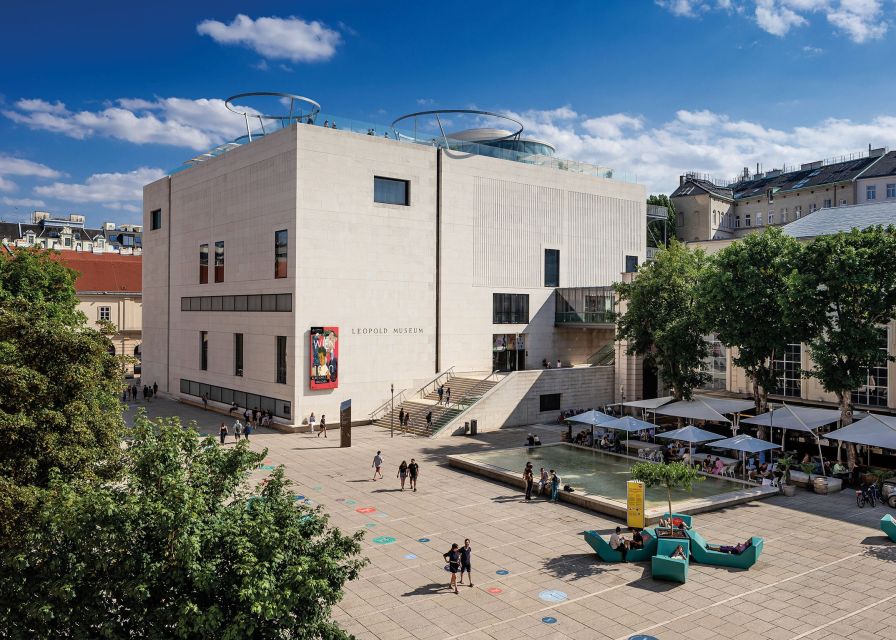
The Leopold Museum itself deserves attention before you reach the galleries. It is a modern, light-filled cube faced with white shell limestone. That pale exterior recalls Vienna’s Ringstrasse buildings, while the museum’s clean shape contrasts with the historic imperial stables around MuseumsQuartier.
Inside, the atrium brings in plenty of light and gives you views into the building. The panoramic windows also frame central Vienna, including Maria-Theresien-Platz and the Hofburg.
I like this pause in the museum route. After several rooms of intense Expressionist art, the city view gives your eyes a rest and reconnects the collection with its setting. You are not looking at Vienna from an anonymous gallery. You are looking toward the imperial center that the Secession artists challenged.
The architecture is also practical. The building feels open rather than cramped, and the light helps make a full visit easier. The museum is wheelchair accessible, though you should still allow time for the several-floor layout.
Special exhibitions included with your ticket
Your admission covers all special exhibitions as well as the permanent collections. These shows change several times a year and feature loans from around the world, so the exact experience depends on your dates.
This inclusion adds real value to the $22 price. You are not paying only for a fixed Schiele and Klimt display. A temporary exhibition may give you a different artist, theme, or period, and it can change the balance of your visit.
The quality and subject matter will vary, so check what is showing before you book. One recent Vienna 1900 exhibition received particular praise, while another visitor wished the museum did more to advertise its famous artists and exhibition subjects. That is practical advice: read the current exhibition details rather than assuming every visit will focus equally on Klimt and Schiele.
If you have limited time in Vienna, the changing program can help you decide when to go. A special exhibition that matches your interests may be the reason to choose one day over another.
Planning your visit around opening hours
The museum is open from 10:00 a.m. to 6:00 p.m. every day except Tuesday for much of the year. In June, July, and August, it opens daily from 10:00 a.m. to 6:00 p.m., and holiday hours are also listed as 10:00 a.m. to 6:00 p.m.
That gives you a generous window, but a one-day ticket does not mean you need to spend the whole day inside. I would plan two to three hours for a thoughtful visit, with more time if you want to read labels, see every floor, have lunch, or take a break in the café.
Cafe Leopold is on site and works well for a light lunch. If you want to eat there, booking ahead is sensible. Food and drinks are not part of the museum ticket.
The electronic ticket is intended to make entry straightforward. A QR code on your phone has been accepted at the entrance, although older booking information once advised visitors to print tickets. I would keep the QR code ready and, if possible, save a copy offline in case your connection is poor.
Is the $22 ticket good value?
At $22 per person, the ticket is reasonably priced if you care about Austrian modern art, especially Schiele and Klimt. Admission includes the permanent galleries and all special exhibitions, so the value improves when a temporary show is running.
The ticket is less compelling if you want a huge encyclopedic museum or a full day of famous masterpieces from many countries. The Leopold has a focused identity. It offers Austrian art around 1900, selected modern works, design, and changing exhibitions rather than an enormous survey.
One useful point is that the online price has been comparable to the door price. That means the main benefit of booking ahead is convenience and a ready-to-scan ticket, not necessarily a major saving. If you qualify for a special senior, student, or family price, check the museum’s current terms before paying the standard online rate, since those offers may not be available through every booking channel.
Flexible booking helps if your Vienna schedule is uncertain. Cancellation is free up to 24 hours before the visit, and a reserve-now, pay-later option is available. Those features are helpful when your plans depend on weather, train times, or another museum reservation.
Who will enjoy the Leopold Museum most?
I recommend this museum first to anyone who wants to understand Schiele rather than see only one or two famous works. It also suits Klimt fans who want Life and Death, earlier work, and a wider view of the artistic circle around him.
Design lovers should make time for the Wiener Werkstätte pieces. The museum is also a good choice for visitors who enjoy architecture, since the building gives you a modern counterpoint to Vienna’s imperial surroundings.
Families and casual museum visitors can manage the visit, but the subject matter is not always easy. Schiele’s nudes and Expressionist figures may not suit every child, and the lack of an included audio guide means younger visitors may need your help to stay engaged.
If you have already visited several museums in Vienna, the Leopold offers a focused change of subject. If you only want grand interiors and royal objects, another museum may suit you better.
Should you book the Leopold Museum?
Book it if you want Schiele in serious depth, major Klimt works, Vienna 1900 art, and design in one compact museum. The included special exhibitions and city views make the $22 ticket a fair buy, particularly when a temporary show fits your interests.
Skip it if your main goal is a vast collection, a live guide, or a museum built around imperial history. You will get more from the Leopold if you give its artists some attention before arriving and allow two or three unhurried hours.
For most art-focused visits to Vienna, I would put the Leopold Museum high on the list. It gives you the city’s creative rebellion, not just its polished imperial surface.
FAQ
Where is the Leopold Museum located?
The Leopold Museum is in MuseumsQuartier Vienna, in Vienna, Austria.
What does the admission ticket include?
The ticket includes admission to the permanent collections and all special exhibitions.
Is an audio guide included?
No. An audio guide is not included with this ticket.
Are guided tours included?
No. Guided tours are not included.
How long is the ticket valid?
The ticket is valid for one day.
What are the museum’s opening hours?
The museum is open from 10:00 a.m. to 6:00 p.m. daily except Tuesday. In June, July, and August, it is open every day from 10:00 a.m. to 6:00 p.m. Holiday hours are also listed as 10:00 a.m. to 6:00 p.m.
Is the museum wheelchair accessible?
Yes. The Leopold Museum is wheelchair accessible.
Can I cancel my booking?
Yes. You can cancel up to 24 hours in advance for a full refund.
Are food and drinks included?
No. Food and drinks are not included, though Cafe Leopold is available for a light lunch.
Just added in Vienna
- 3 hour private tour in Vienna by private car★ 4.4 · 6 reviews
- Christmas Market Vienna Tour★ 4.0 · 53 reviews
- Private Christmas Markets Walking Tour Vienna★ 5.0 · 31 reviews
- Christmas Markets & Shopping in Vienna★ 5.0 · 17 reviews
- Vienna: Christmas Markets Tour★ 4.3 · 99 reviews
- Vienna Danube Tower★ 4.0 · 136 reviews
- Guided Walking Tour of Vienna City Center Highlights★ 5.0 · 150 reviews
- Private Hidden Vienna Walk — Stories Behind Quiet Corners★ 5.0 · 137 reviews
Museums, compared.
Skip-the-Line Sisi Museum, Hofburg and Gardens Tour
Read our review →
Vienna Kunsthistorisches Museum Day Admission Ticket
Read our review →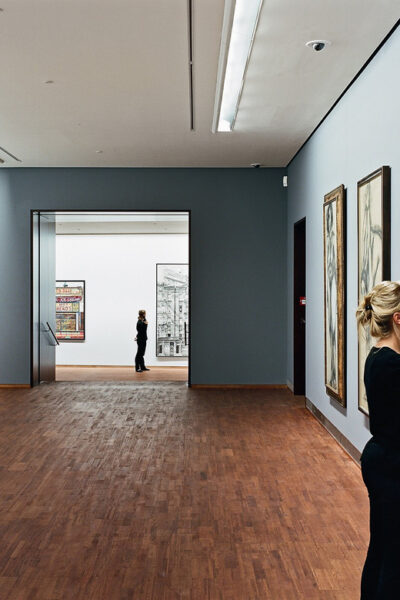

Chocolate Workshop in Chocolate Museum w/ Tasting
Read our review →
St. Stephen’s Cathedral & Dom Museum Wien Tickets
Read our review →
Browse the lists this tour appears in