
Reviewed · MUSEUMS
Sigmund Freud Museum Ticket
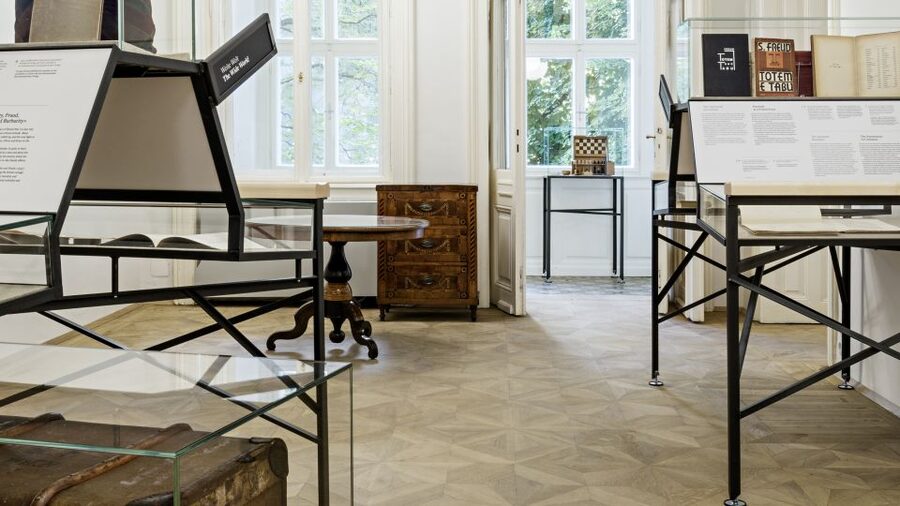
Sigmund Freud Museum is not a waxwork portrait of a famous thinker. It is the actual Vienna address where Freud lived and worked, and where the story of psychoanalysis took shape. You enter through the same doorway used by Freud and his patients, then move through the family rooms, practice spaces, exhibitions, and a thoughtful account of his flight from Nazi Vienna.
I like the personal family material, especially the recordings of Freud and Anna Freud and the rare home movies from the 1930s. I also like the AR installation that shows where Freud’s famous couch once stood, since the real couch is in London and cannot be seen here.
The main drawback is that the museum is more about documents, rooms, and ideas than furnished period interiors. Some displays are dim, a few audio stations may not work, and visitors hoping to see the original couch or a fully restored apartment may feel disappointed.
Key points to know before visiting
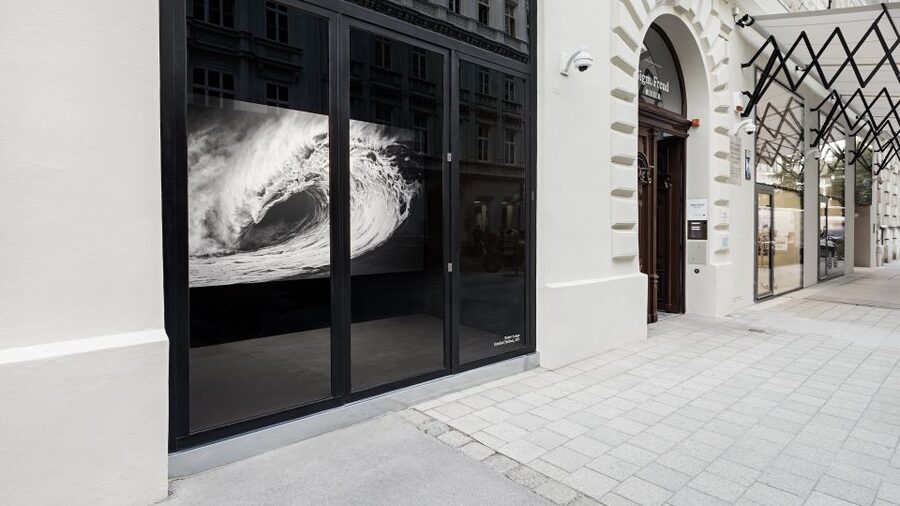
- Enter at Berggasse 19: Use Freud’s historic entrance and climb the steps toward the former family rooms.
- Hear the Freuds themselves: Audio recordings of Sigmund and Anna Freud add a human voice to the displays.
- Expect an unfurnished home: Much of the original furniture left Vienna with the Freud family, including the famous couch.
- Plan on 1.5 to 3 hours: A quick visit takes about an hour, but the written material rewards slow reading.
- Look beyond psychoanalysis: The museum also covers Freud’s family, exile, Nazi persecution, and postwar memory.
- Use your phone for the AR couch: The installation recreates the couch’s former place inside Freud’s office.
Entering Freud’s address at Berggasse 19
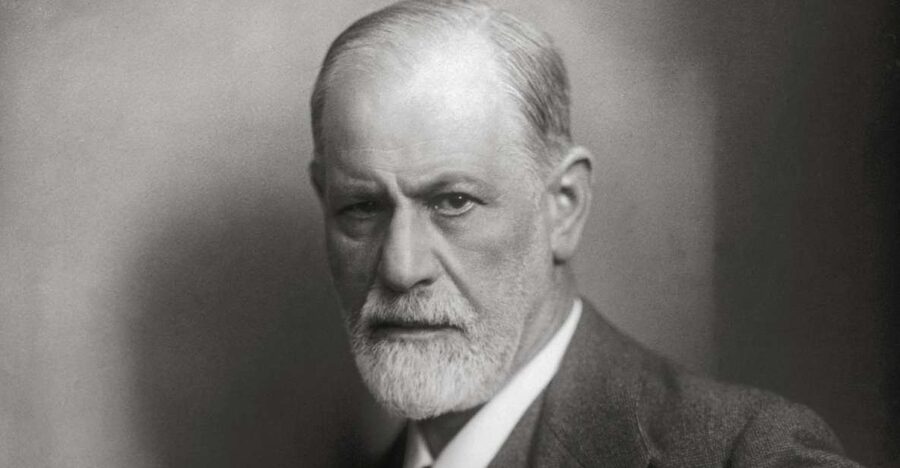
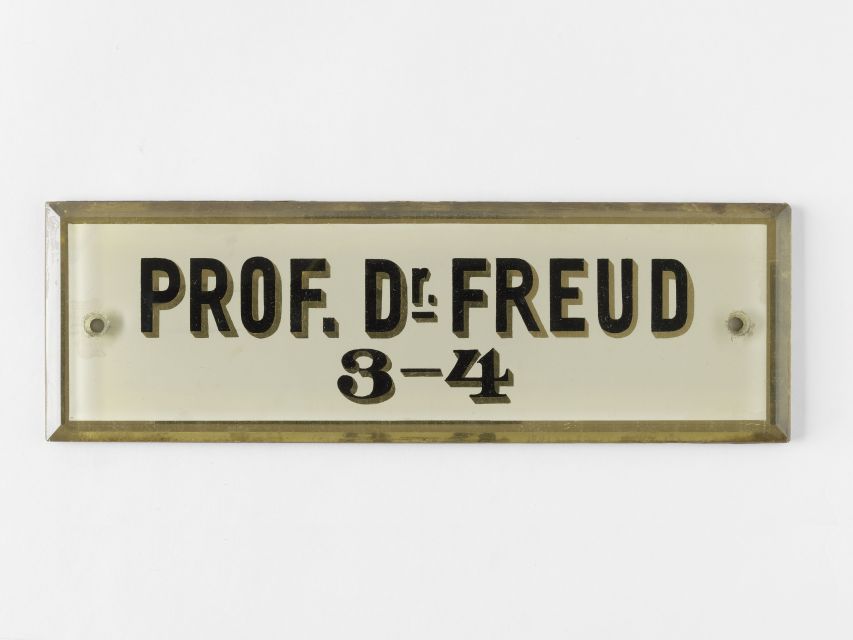
The museum begins with the address itself. Berggasse 19 is not just a place where Freud once rented rooms. It was his home, medical practice, and intellectual base for many years. He saw patients here, wrote here, raised a family here, and developed ideas that changed how many people thought about dreams, memory, desire, and the unconscious.
You enter through the main entrance and take the historic stairs to the mezzanine. This is a useful start because it gives the visit a physical connection to Freud’s daily routine. You are not entering a reconstructed set built somewhere else. You are walking into the building where Freud and his patients came and went.
The museum does not force you through one rigid route. You can move through the displays in different orders, which gives you freedom but also creates one small problem: the chronology is not always obvious. If you want Freud’s life story in order, pay close attention to dates and room captions as you go.
More to book in Vienna
- Vienna: Skip-the-Line Sisi Museum, Hofburg and Gardens Tour
★ 4.8 · 5,918 reviews - Vienna Kunsthistorisches Museum Day Admission Ticket
★ 4.6 · 3,690 reviews - Tickets for the Albertina Exhibitions
★ 4.7 · 2,126 reviews
Freud’s home, practice, and private rooms
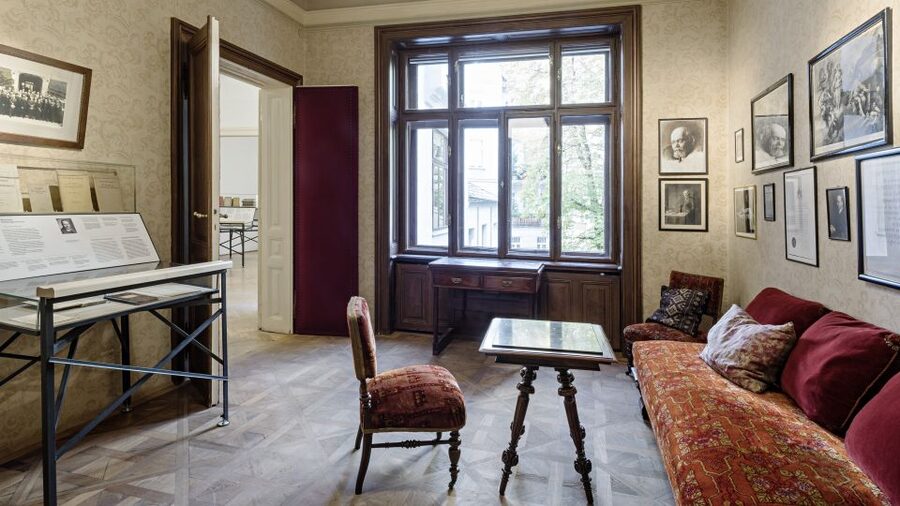
The museum presents the professional rooms alongside the private areas where the Freud family lived. This is one of the strongest parts of the visit because it keeps Freud from becoming only a name attached to a theory.
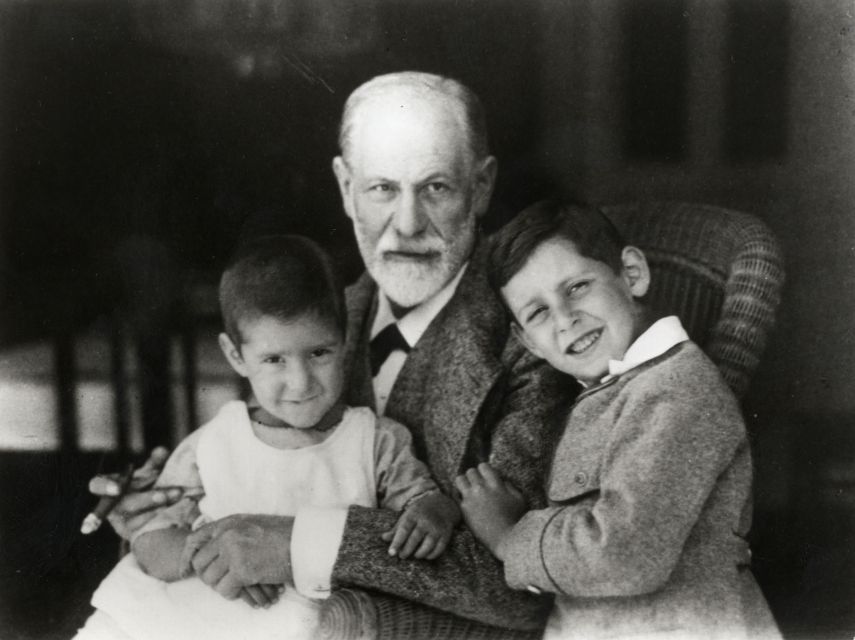
You see where he worked, but you also learn about Freud as a father, husband, brother, collector, and friend. The family story includes Anna Freud, who grew up at Berggasse 19 and later became an important figure in her own right. That connection gives the museum a wider focus than a simple memorial to Sigmund Freud.
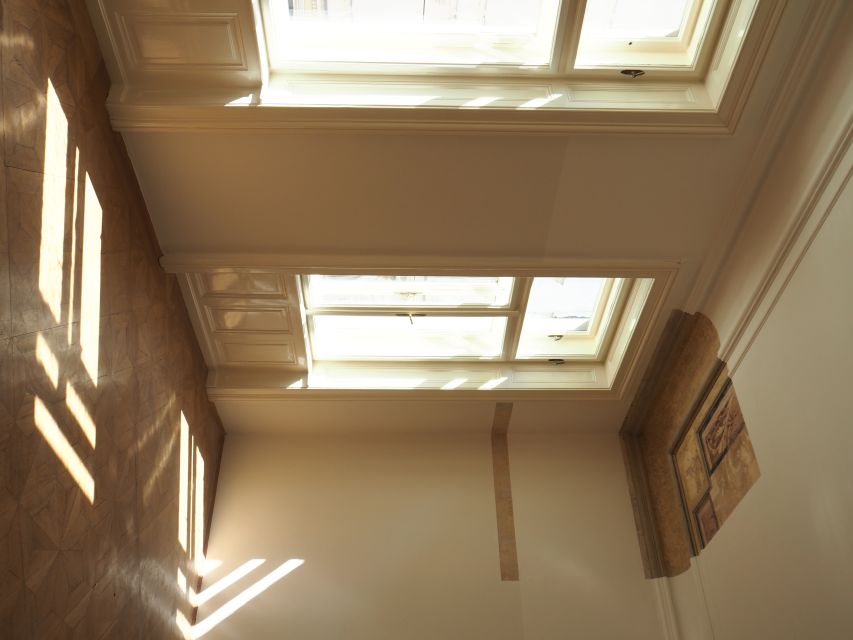
Do not expect a fully furnished apartment preserved exactly as it looked in Freud’s day. Freud took much of the household and professional collection with him when he escaped Vienna for London in 1938. The famous couch is also absent. The rooms can therefore feel spare, and one exhibit may seem more like an architectural record than a recreated home.
I think this restraint works in some ways. The empty spaces make you aware of what was lost and removed. Still, if you prefer historic houses filled with original furniture, you should adjust your expectations before arriving.
Psychoanalysis explained through objects and text
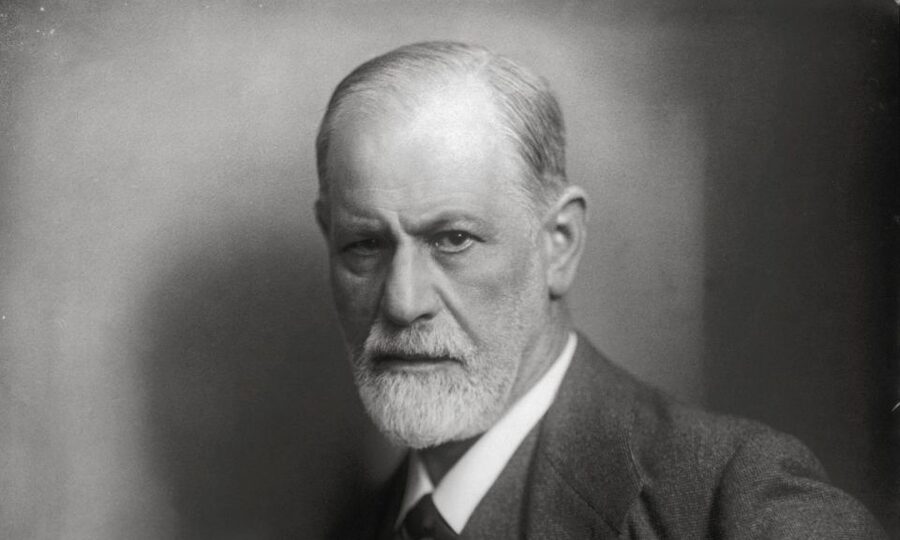
Freud’s theories can be difficult to present without turning a museum into a wall of academic notes. Here, the displays use professional documents, printed material, rare editions, offprints, presentation copies, and biographical information to connect the work with the man who produced it.
You can follow key stages in Freud’s medical and intellectual life, then see how his theories developed. The museum also presents summaries of the major developments in psychoanalysis. These sections are especially useful if you know Freud’s name but not much about his work.
The amount of reading is a real part of the experience. A visitor moving quickly can see the rooms and major objects in about an hour. If you stop for the captions, films, audio material, and documents, allow closer to 1.5 or 2 hours. Someone with a professional interest in psychology, psychiatry, or psychoanalysis could easily spend longer.
The displays are mainly in German and English, with much of the material available in English. That makes the museum approachable for international visitors, though the amount of text may feel heavy if you are visiting with young children.
Hearing Freud and watching the 1930s family films
The recordings of Sigmund and Anna Freud are among the most affecting parts of the visit. A written label can tell you about a person, but an actual voice changes the experience. Hearing Freud speak gives a more direct sense of the man behind the books and theories.
The family films from the 1930s add another layer. They are not simply illustrations of Freud’s professional life. They show private family moments and help bring the household into view. For some visitors, these films are more memorable than the printed documents because they show Freud and his family in ordinary life.
Audio and video equipment can be a weak point. Some sound stations may be out of order, so do not build your entire visit around hearing every recording. The rooms can also be poorly lit, partly because of conservation needs and partly because some exhibits depend on screens or focused lighting.
That dimness may bother you if you have difficulty reading small captions. Take your time and do not rush through the rooms. The museum rewards patient attention more than a quick circuit.
A different kind of evening in Vienna:
- Vienna: Vivaldi’s Four Seasons Concert in Karlskirche
★ 4.7 · 14,951 reviews - Vienna: Spanish Riding School Training
★ 3.9 · 9,281 reviews - Vienna: Skip-the-cashier-desk-line Giant Ferris Wheel Ride
★ 4.5 · 7,859 reviews - Vienna: Schönbrunn Palace & Gardens Skip-the-Line Tour
★ 4.7 · 7,739 reviews
Freud’s Couch through augmented reality
The museum handles the missing couch with an AR installation called Freud’s Couch. You use your phone in the former office, at the place where the famous piece of furniture once stood, to learn about its history and whereabouts.
This is a smart solution to a basic problem. The couch is one of the most recognizable objects linked to Freud, yet it is not in Vienna. Rather than pretend that a replacement is original, the museum uses technology to mark the empty space and explain what happened to the real object.
You will need your phone to use the installation. The experience is not the same as standing beside the original couch, but it gives the office a focus and helps you picture how Freud’s practice once functioned. If you are visiting with children, the phone-based element may also give them a more active way to engage with the room.
The staircase and the darker story of Berggasse 19
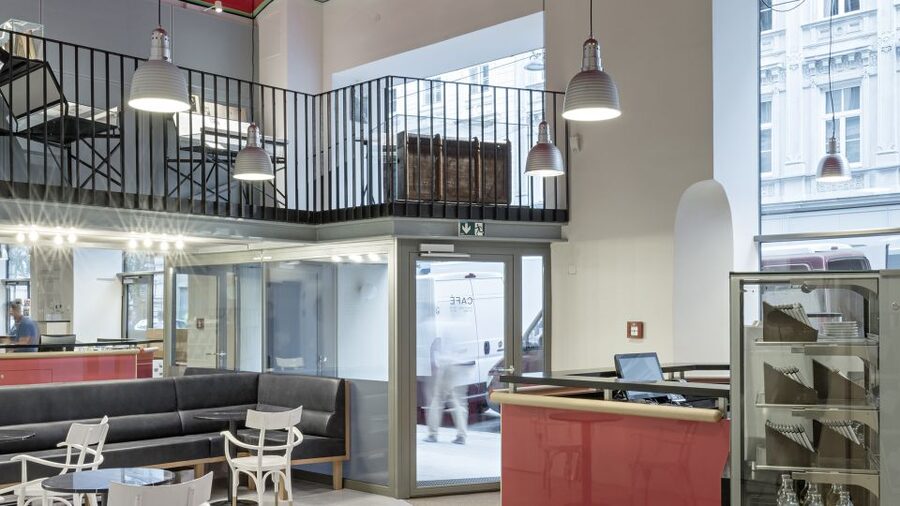
A newer staircase connects the museum’s floors and carries the story beyond Freud’s private rooms. It explains the history of the building and its occupants, including the period after Freud was forced into exile.
This section is difficult but important. Berggasse 19 was caught up in the Nazi persecution of Vienna’s Jewish population. The museum describes the violence and the forced collection of Jews at the address. The material is direct rather than decorative, and it changes the emotional weight of the visit.
Freud and his closest family escaped to London. His brother Alexander also reached exile, but Freud’s sisters Rosa, Marie, Pauline, and Adolfine were murdered in Nazi extermination camps. The museum does not let the successful escape of the immediate family become a neat ending. It shows the terrible gap between those who got out and those who did not.
This is one reason the museum is more than a celebration of psychoanalysis. It is also a place about displacement, family separation, memory, and the destruction of Jewish life in Vienna. Give yourself a little quiet time after this section. The subject deserves more than a hurried glance on the way to the shop.
Freud’s former office and the contemporary art display
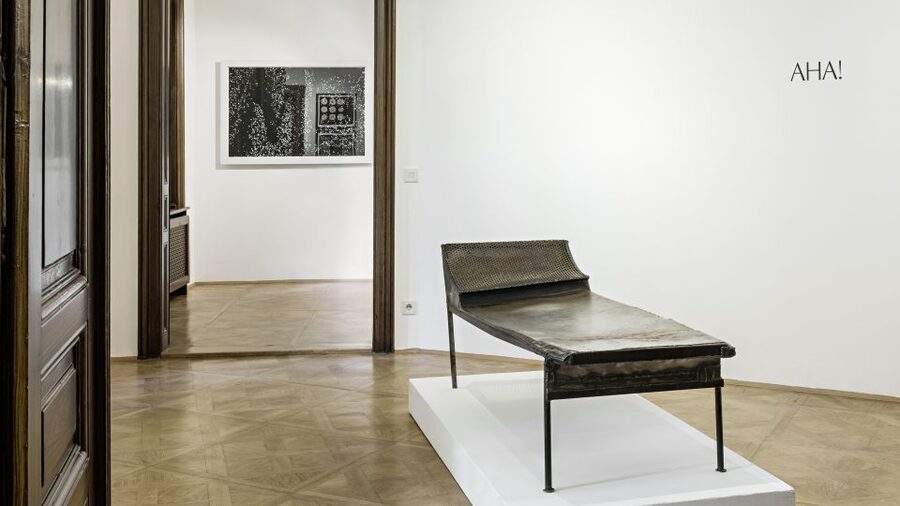
Freud’s former office contains the permanent exhibition Hidden Thoughts of a Visual Nature. It presents selected conceptual art from the Sigmund Freud Museum collection, including works by John Baldessari, Joseph Kosuth, Susan Hiller, Franz West, Haim Steinbach, and others.
This contemporary art section may surprise you. It does not simply repeat Freud’s theories in museum form. Instead, it offers another way to think about ideas, perception, language, and hidden meaning. If you enjoy modern art, you may find it a welcome change from the historical displays.
If you came only to see Freud’s rooms, the art may feel like a side trip. I would still give it time, especially because it occupies the former office and creates a link between Freud’s intellectual work and later artists who questioned how we see and interpret the world.
How long to stay and when to go
The ticket is valid for one day, and the usual visit can fit easily into a morning or afternoon in Vienna. A careful visit takes around 1.5 hours. If you read most of the captions and watch the films, plan on 2 to 3 hours.
An 11 a.m. visit can work well because the museum may still feel calm at that time, though it can become busier later. Arriving early is sensible if you want quiet rooms and time with the audio stations.
The interior can become hot during warm weather. Dress lightly during a heatwave, since close rooms, screens, and slow reading can make the visit uncomfortable. The dim lighting is another practical issue, so bring patience rather than expecting a bright, airy historic house.
The museum is wheelchair accessible, and lockers and a toilet are available. Public transport is convenient, with a tram stop reported about four minutes away. Present your voucher at the main entrance, and the ticket includes museum admission rather than a separate guided tour.
What the $18 ticket gives you
At $18 per person, this is not Vienna’s cheapest museum stop. Its value depends on your interest. If Freud, psychology, psychiatry, Jewish Vienna, or the history of ideas matters to you, the ticket buys access to several different subjects in one place.
You get the building, the family story, the professional history, rare printed works, films, audio recordings, the AR couch installation, the Nazi-era section, and the contemporary art display. That is a substantial visit, particularly when you take time with the written material.
The value is weaker if you expect a grand collection of original furniture. Much of what made Freud’s rooms visually distinctive left Vienna with the family. The museum is best understood as a place of evidence and interpretation, not a perfectly preserved salon.
Free cancellation up to 24 hours before the visit and the reserve-now-pay-later option make the booking flexible. Opening hours can change, so check them before setting out. Flash photography is not allowed.
The café and bookshop finish
The museum ends with a shop and café. The shop has a strong selection of books, especially if you want to read more about Freud, psychoanalysis, or the family after your visit. The range of general gifts and other merchandise may be smaller than you expect.
The café offers Viennese coffee, cake, and Viennese wine. That makes a pleasant pause after the serious material upstairs. I like the idea of ending here rather than stepping straight back onto the street, since it gives you a moment to sort through what you have seen.
Families can also find a small extra incentive in the museum experience. Puzzle stickers hidden in the rooms help younger children search for Freud’s dog. That will not turn the museum into a children’s attraction, but it can give an eight-year-old a reason to look closely while adults read.
Who should book this museum ticket?
I would choose this visit if you have an interest in psychology, the history of medicine, Vienna around 1900, modern art, or the Jewish history of the city. Mental health professionals and students may find the former practice and printed works especially rewarding.
It also suits anyone who wants a more personal portrait of a famous figure. The family rooms, recordings, films, and story of exile make Freud feel less like a distant intellectual monument.
I would be more cautious if your priority is original furniture, lavish historic interiors, or a fully guided tour. The museum is self-directed, text-heavy, and sometimes dim. Children may enjoy the puzzle stickers and AR couch, but younger visitors who do not read much could lose interest.
Should you book the Sigmund Freud Museum?
Book it if you want to stand inside the place where Freud lived and worked, then connect his ideas with family life, exile, and the violent history of Vienna. The most powerful parts are not necessarily the famous objects. They are the voices, films, rooms, documents, and accounts of what happened to the Freud family after 1938.
Skip it only if you need a furnished historic home or dislike reading-based museums. For most people with even a passing interest in Freud, the $18 ticket offers a thoughtful visit of about 1.5 to 3 hours. Go early, allow time for the captions, use the AR couch, and finish with coffee and cake downstairs.
FAQ
Where is the Sigmund Freud Museum?
The museum is at Berggasse 19 in Vienna, Austria. Present your ticket voucher at the main entrance.
How much does admission cost?
The listed price is $18 per person and includes museum admission.
How long is the ticket valid?
The ticket is valid for one day. Check availability for the available starting times.
How long should I allow for the visit?
You can see the museum in about an hour, but 1.5 to 3 hours is more suitable if you want to read the displays, watch the films, and use the audio and AR features.
Is the original Freud couch in the museum?
No. Freud’s famous couch is not in Vienna. You can use your phone to view the AR installation Freud’s Couch in the place where it once stood.
Can I hear recordings of Sigmund Freud?
Yes. The museum includes recordings of both Sigmund Freud and Anna Freud. Some audio exhibits may occasionally be out of order.
Is the museum wheelchair accessible?
Yes, the museum is wheelchair accessible.
Is photography allowed?
Photography is allowed under the museum rules, but flash photography is not allowed.
Can I cancel the ticket?
You can cancel up to 24 hours in advance for a full refund. The reserve-now-pay-later option lets you book without paying immediately.
Just added in Vienna
- 3 hour private tour in Vienna by private car★ 4.4 · 6 reviews
- Private Christmas Markets Walking Tour Vienna★ 5.0 · 31 reviews
- Christmas Markets & Shopping in Vienna★ 5.0 · 17 reviews
- Christmas Market Vienna Tour★ 4.0 · 53 reviews
- Vienna: Christmas Markets Tour★ 4.3 · 99 reviews
- The unknown Vienna City- a guided walking tour in 3 hours★ 4.7 · 137 reviews
- Vienna Classical Concert – Strauss in Historic 1837 Hall★ 5.0 · 136 reviews
- Vienna Danube Tower★ 4.0 · 136 reviews
Museums, compared.

Skip-the-Line Sisi Museum, Hofburg and Gardens Tour
Read our review →
Vienna Kunsthistorisches Museum Day Admission Ticket
Read our review →

Chocolate Workshop in Chocolate Museum w/ Tasting
Read our review →
St. Stephen’s Cathedral & Dom Museum Wien Tickets
Read our review →
Browse the lists this tour appears in