
Reviewed · COFFEE HOUSE & CAKE EXPERIENCES
Vienna: Wiener Schnitzel and Strudel Cooking Class
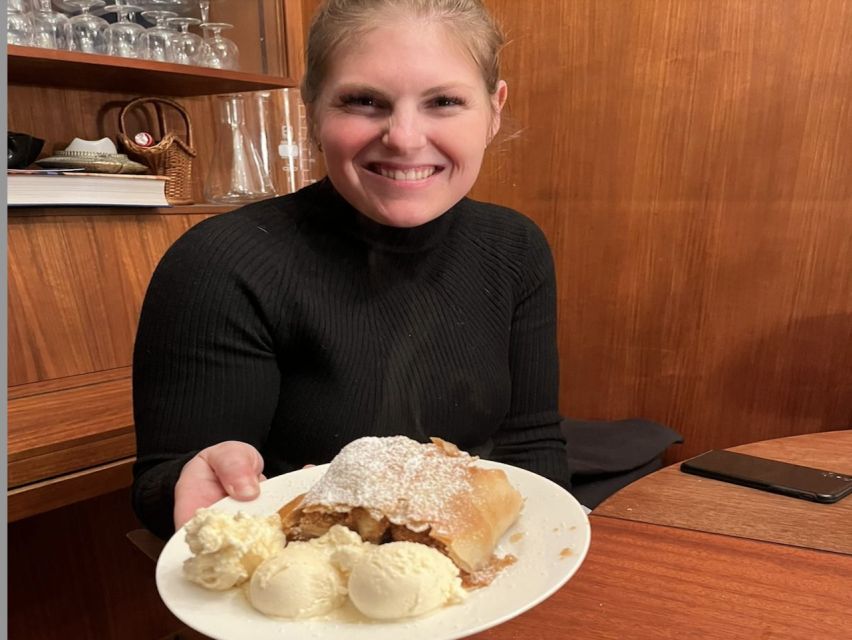
The best part of this Vienna cooking class is that it treats schnitzel as a technique, not just a plate of food. Chef Nabiel Michael Elsissi shows you how to pound the meat, build a crisp coating, and keep the edges thin enough to fry properly. You also make apple strudel from a family recipe, then sit down to eat what you prepared.
I like the small home-kitchen setting and the choice of veal, chicken, vegetarian, or vegan versions. I also like that Nabiel mixes cooking with Austrian food traditions, local tips, and plenty of humor. The main thing to know is that this is not a nonstop, formal cooking school. Some of the evening feels more like a lively dinner party, with participants helping at key stages rather than preparing every step alone.
Key points to know before booking
- Crispy schnitzel is the central lesson: Learn the small details that keep the coating light and crunchy.
- Apple strudel comes from a family tradition: The dessert adds baking, filling, and pastry work to the evening.
- Chef Nabiel leads the class: His relaxed humor and clear instruction shape the tone.
- You choose your main dish: Veal, chicken, vegetarian, and vegan options are available.
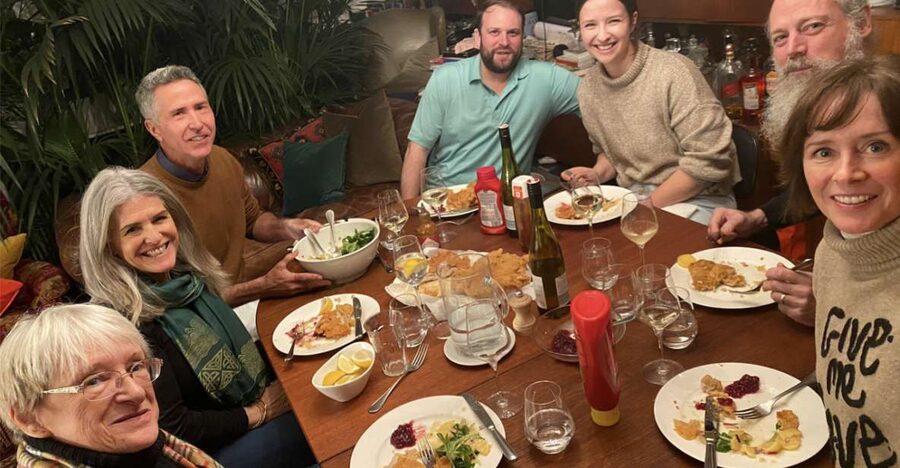
- The meal is social as well as practical: You cook, share food, and enjoy one glass of Austrian wine, prosecco, or beer.
- Plan for three hours: The class suits an evening when you want dinner and an activity in one stop.
Why schnitzel makes a good Vienna cooking lesson
Viennese schnitzel looks simple. That is exactly why it makes a useful cooking lesson. There are only a few core ingredients, so the result depends on handling: how thin the meat is, how the flour, egg, and breadcrumbs are applied, and how the coating meets the hot fat.
Chef Nabiel focuses on those details instead of burying you in a long recipe. One useful rule repeated during the class is that thin edges make crispy schnitzel. That kind of advice is easy to remember and useful when you try the dish at home.
The traditional version uses Austrian veal, but chicken is available if you prefer it. Vegetarian and vegan choices make the class workable for a mixed group, though you should share dietary needs in advance. The class has also accommodated an egg allergy, but the safest approach is to communicate clearly before you arrive.
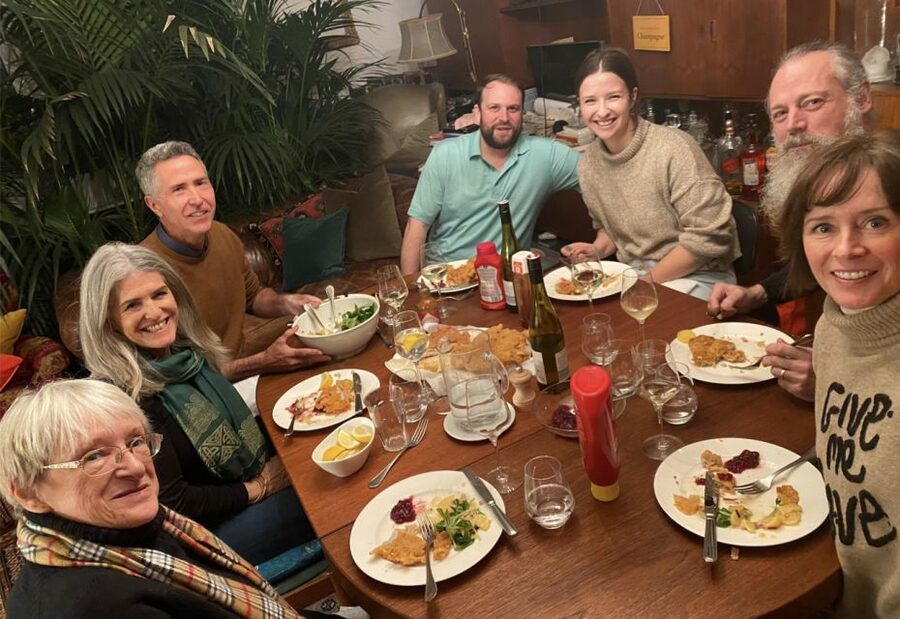
The cooking is followed by classic accompaniments. Depending on the preparation, you can expect parsley potatoes or a homemade potato salad. The potato salad is vinegar-based rather than mayonnaise-based, and lamb’s lettuce may be served with it. That gives you a better sense of everyday Austrian cooking than a schnitzel served alone.
More cake and coffee stops in Vienna:
- Vienna: Typical Austrian Food Tour with Coffee House Visit
★ 4.8 · 159 reviews - Vienna: Guided Viennese Coffee-House Tour
★ 4.8 · 48 reviews - Vienna: 2.5-Hour Viennese Coffee, Cake, and Chocolate Tour
★ 4.6 · 44 reviews
The welcome and the home-kitchen setting
You meet at Restaurant Nabiel, so look for that name when you arrive. The class takes place in a cozy home kitchen and restaurant setting rather than a large commercial teaching studio. That changes the mood from the start. You are closer to the chef, closer to the food, and more likely to ask questions as the cooking moves along.
The setting is intimate, but the exact number of people can vary. It may work for a small private group, a couple, a solo visitor, or a mixed table of people meeting for the first time. The social side is a real part of the evening. You are not simply cooking in separate stations with your head down.
Nabiel usually sets an easy tone with conversation and a drink. Your included beverage is one glass of Austrian white wine, prosecco, or beer, along with water. The descriptions of the class also emphasize organic ingredients and food traditions, so the evening aims to connect the recipes with the way food is understood in Austria.
This arrangement suits you if you like meeting people and talking while you cook. It may be less appealing if you want a quiet, highly structured lesson where every participant prepares every component from start to finish.
The schnitzel lesson, from pounding to frying
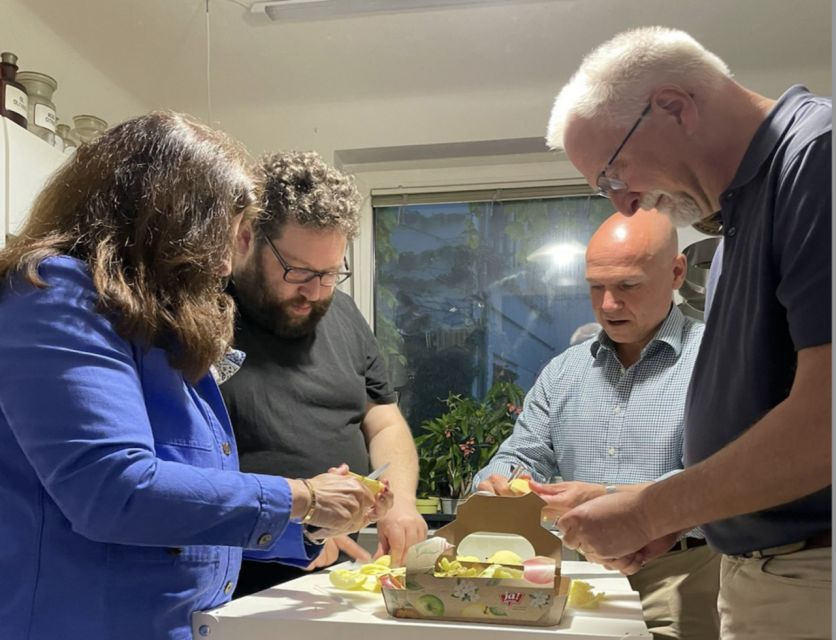
The schnitzel portion gives the class its practical backbone. You work with tender Austrian veal, chicken, or an approved meat-free option. The important step is thinning the cut evenly. An uneven piece can cook at different speeds, leaving one part dry while another remains underdone.
Next comes the coating. The usual sequence is flour, egg, and breadcrumbs, with care needed at each stage. Too much coating can make the crust heavy. Too little can leave bare patches. Nabiel’s instruction focuses on principles you can repeat at home, not just on copying his movements for one meal.
The frying stage is where the technique pays off. A good schnitzel should be crisp outside and juicy inside, with a coating that does not feel greasy. The class explains how the shape and thin edges affect the final texture. You get to see why small details matter once the food reaches the pan.
This is hands-on, but it is worth setting expectations correctly. The class may not have you individually perform every single step on every dish. Nabiel demonstrates parts of the process and brings participants in where their help is most useful. That keeps the evening moving, but it means this is not the best choice for someone seeking a full professional kitchen practicum.
The payoff is immediate. You eat the schnitzel while it is fresh, alongside the potatoes or salad. It is also a useful lesson in timing. Fried food is at its best soon after cooking, and the class lets you connect the technique with the result instead of waiting until later.
Potato sides and the Austrian table
The side dishes are not filler. They help explain how schnitzel fits into a wider Austrian meal. Parsley potatoes offer a simple, clean partner for the crisp meat, while potato salad brings acidity and freshness.
The vinegar-based potato salad is especially useful if you want to recreate the meal at home. It shows how a dish can stay light without mayonnaise, and how a sharp dressing balances fried food. Lamb’s lettuce can add a soft green element to the plate.
You may also receive a broth soup as part of the meal. This appears in the food details associated with the class, though the exact menu can vary. The sensible approach is to treat the advertised schnitzel, potato accompaniment, and strudel as the core meal, with other items depending on the evening.
More to book in Vienna
- Nabiel’s Vienna Cooking Class
★ 5.0 · 234 reviews - Vienna; Cooking Class: Make Schnitzel & Apple Strudel
★ 4.9 · 33 reviews - Schnitzel and Strudel: Shared Cooking Class
★ 4.5 · 17 reviews - Austrian Apple Strudel Cooking Class including Lunch in Salzburg
★ 5.0 · 929 reviews
Making apple strudel the family way
The dessert section brings a different kind of work. Schnitzel is about flattening, coating, and frying. Apple strudel asks you to think about filling, pastry, moisture, and balance.
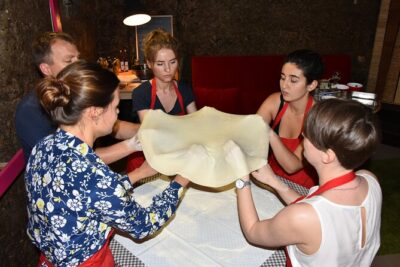
Nabiel teaches the dessert as a family tradition passed down through generations. The preparation may include rum-soaked raisins, a detail that gives the filling extra flavor and a distinctly Austrian feel. You learn how the ingredients come together rather than simply receiving a finished slice at the end.
Apple strudel is a good choice for a group class because it rewards teamwork. One person may help with the filling, another with the pastry, and others can watch for the points where the dough needs care. You leave with an approachable method rather than a dessert that feels too delicate to attempt again.
The dessert also makes the class feel more complete. You are not just learning the city’s famous savory dish. You are building a full Viennese meal, then ending with something tied to the chef’s family kitchen.
Some descriptions and class menus also refer to Kaiserschmarrn, a torn pancake dessert, so the sweet course may not always follow one identical format. If apple strudel is essential to your plans, confirm the menu when booking.
Nabiel’s teaching style and local advice
Chef Nabiel is a central part of the value here. His style is informal, funny, and direct. He uses humor to keep beginners relaxed, but the class still gives you clear guidance on technique and ingredients.
That balance matters if you are not confident in the kitchen. You can participate at your own pace, ask questions, and still feel part of the group. Children can also take part. An eight-year-old was made to feel included and confident, which suggests the class can work well for families, provided the child is comfortable in a cooking environment.
Nabiel also shares food stories, agricultural background, and practical advice about Vienna. If you schedule this early in your stay, his local suggestions may help shape later meals and sightseeing. That makes the class more useful than a standalone dinner, especially if you enjoy learning what to order and where to eat after the class.
His English is described as very strong, and instruction is offered in English or German. That is important for a technique-based class. You need to understand the timing and small movements, not just watch a demonstration from across the room.
The humor is not subtle. Nabiel’s teasing and energetic hosting are a major part of the evening. Most people will find that welcoming, but if you prefer a quiet lesson with little conversation, this may feel more social than expected.
How much food and drink should you expect?
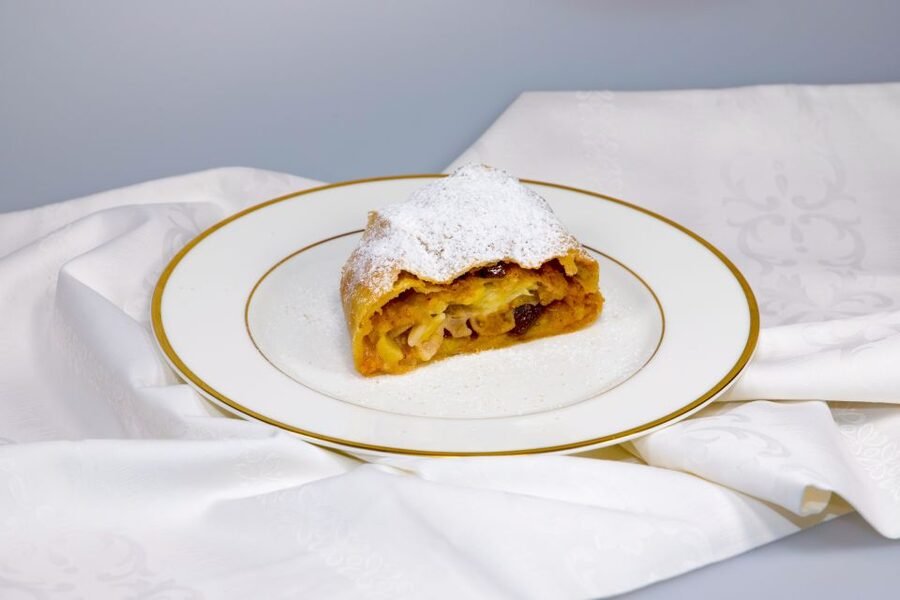
You should arrive hungry. The class includes the cooking ingredients, the schnitzel meal, apple strudel, water, and one glass of Austrian white wine, prosecco, or beer. The portions are intended to make the class function as dinner, not just as a tasting.
The social setting can also mean that drinks and conversation continue around the preparation. The formal inclusion is one alcoholic drink, so do not assume that unlimited beverages are part of the $176 price. Additional food and drinks are listed as not included, despite the included meal ingredients and one beverage, so ask for clarification if you want to budget precisely.
At $176 per person, this is not a cheap way to eat schnitzel. The value depends on what you want from the evening. If you only want a plate of food, Vienna has less expensive choices. If you want dinner, instruction, a family recipe, a social gathering, and practical techniques to use at home, the price is easier to justify.
You are also paying for an intimate format rather than a large group demonstration. The class combines an activity and a meal, which can save you from booking a separate dinner that night. Still, I would choose this for the teaching and company, not simply for the amount of food.
Who will enjoy this three-hour class most?
I would recommend it to several kinds of visitors:
- First-time Vienna visitors who want a food-centered evening with local context.
- Couples and friends looking for something more personal than a standard restaurant meal.
- Solo visitors who enjoy sitting at a shared table and meeting other people.
- Families with older children who want a practical activity rather than another museum.
- Beginner cooks who want recipes that can be repeated at home.
- Vegetarians and vegans who need a class with alternatives to the traditional veal dish.
The class is especially good for people who enjoy a host with a strong personality. Nabiel’s humor and storytelling are praised repeatedly, and his ability to involve the whole group is one of the evening’s main strengths.
I would hesitate to recommend it if you want strict culinary training, a silent work station, or a guaranteed menu beyond the advertised core dishes. The evening has a dinner-party feel, and the hands-on work is guided rather than fully independent.
The venue is wheelchair accessible, which makes the class available to more people, though you may still want to confirm any specific kitchen access needs before arrival.
Practical timing and booking advice
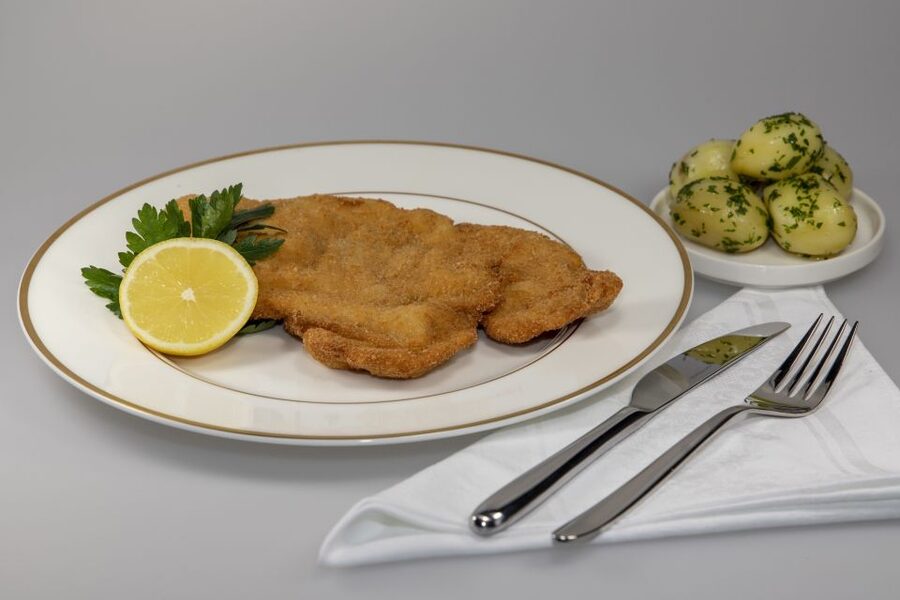
The class lasts three hours, so reserve an evening when you do not need to rush to a concert, train, or other fixed appointment. Cooking, eating, and conversation all take time, and the relaxed format is part of the appeal.
Because the class is offered at set starting times, check availability before building your evening plans. You can cancel up to 24 hours in advance for a full refund, and the reserve-now, pay-later option lets you hold a place without paying immediately.
Book early in your Vienna stay if you want Nabiel’s local suggestions to guide later meals. Book later if you simply want a memorable final dinner with something hands-on attached.
The meeting point instruction is simple: look for Restaurant Nabiel. The kitchen is described as easy to reach on foot or by metro, but the exact route depends on where you are staying. Give yourself enough time to find the restaurant without arriving flustered.
Should you book the schnitzel and strudel class?
I would book this if you want an evening built around food, conversation, and a memorable host. The strongest reasons are the clear schnitzel techniques, the family-style strudel lesson, the flexible dietary choices, and Nabiel’s ability to make beginners feel involved.
At $176, it is a special-occasion activity rather than a bargain meal. You should also know that the cooking is not constant from the first minute to the last. Some parts are demonstrations, preparation stages, and shared conversation.
For most visitors who enjoy social cooking, that balance is a strength. You get a proper Austrian dinner, useful recipes, a glass of local drink, and a better understanding of why crisp schnitzel depends on small details. If that sounds more appealing than simply ordering schnitzel in a restaurant, reserve a place.
FAQ
How long does the Vienna schnitzel and strudel class last?
The class lasts three hours. Check the available starting times when you book.
Who teaches the cooking class?
Chef Nabiel Michael Elsissi leads the class. Instruction is available in English and German.
What food do I make?
The main dish is Wiener Schnitzel, with veal, chicken, vegetarian, and vegan options. You also prepare homemade apple strudel. Potato sides such as parsley potatoes or potato salad accompany the schnitzel.
Is a drink included?
Yes. The experience includes water and one glass of Austrian white wine, prosecco, or beer. Additional drinks are not included.
Is the class suitable for vegans and vegetarians?
Yes. Vegan and vegetarian options are available. Share your dietary requirements before the class so the kitchen can prepare appropriately.
Is the cooking class wheelchair accessible?
Yes. The activity is listed as wheelchair accessible.
More Workshops in Vienna
- Vienna: Chocolate Workshop in Chocolate Museum w/ Tasting
★ 4.5 · 1,802 reviews - Chocolate workshop in Chocolate Museum Vienna “BO-YO”
★ 4.5 · 352 reviews - Mozart Kugel Workshop
★ 4.7 · 129 reviews - Viennese Waltz Workshop
★ 5.0 · 65 reviews
Just added in Vienna
- World War II History Vienna Old Town Private Walking Tour★ 4.8 · 9 reviews
- Vienna: Wine Tasting Tour★ 4.8 · 61 reviews
- Vienna: Winery and Wine Tasting Tour with a Wine Expert★ 5.0 · 5 reviews
- Vienna: Wine Tasting E-Bike Tour★ 4.9 · 46 reviews
- Vienna: Wine Tasting at Schönbrunn Palace★ 4.3 · 71 reviews
- Vienna: Unforgettable Private City Tour★ 5.0 · 7 reviews
- Vienna Urban Art Tour: Explore a different side of Vienna!★ 3.8 · 14 reviews
- Vienna Supreme Orchestra at Palais Niederösterreich★ 4.8 · 10 reviews
Coffee House & Cake Experiences, compared.
Austrian Apple Strudel Cooking Class including Lunch in Salzburg
Read our review →
Salzburg Christmas Cookies and Apple Strudel Cooking Lesson
Read our review →
Typical Austrian Food Tour with Coffee House Visit
Read our review →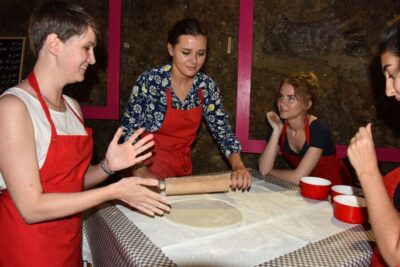
Cookies and Apple Strudel Cooking Class Including Lunch
Read our review →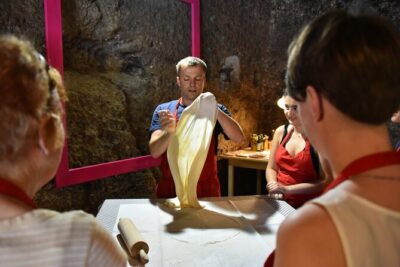
Apple Strudel & Prezel Cooking Class incl. Dinner & Music
Read our review →

2.5-Hour Viennese Coffee, Cake, and Chocolate Tour
Read our review →Browse the lists this tour appears in