
Reviewed · WORKSHOPS
Viennese Waltz Workshop
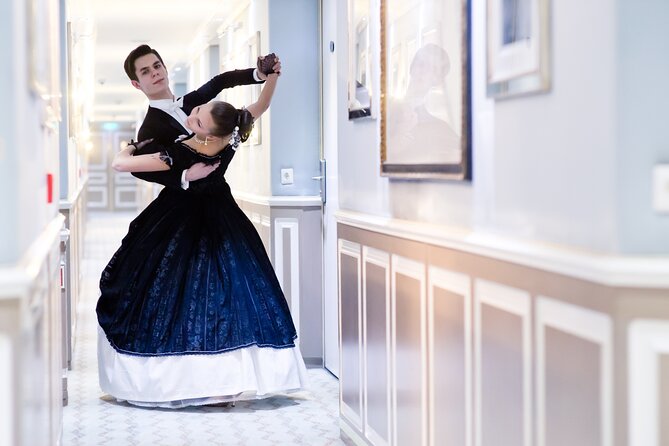
Vienna’s famous waltz is not just music heard from a concert hall. In this 50-minute ballroom workshop, you learn the basic steps, posture, partner position, and etiquette that make the dance work. The lesson is built for beginners, so you do not need previous dance experience or natural rhythm.
I like the central location and the chance to learn in a proper ballroom rather than a generic activity room. I also like the way the lesson connects movement with Viennese culture, including Strauss music, traditions from Vienna’s balls, and the practical details that help you look more at home on the dance floor.
The main caution is timing. Doors close on time, and arriving late can mean missing the class without a refund. You must book as a couple, and the lesson may feel short if you want detailed coaching or several rounds of practice.
Key points at a glance
- A real Viennese tradition: Learn a dance with about 200 years of cultural importance in Vienna.
- Beginner-friendly teaching: Instructors such as Aga and Philip break the steps into manageable pieces and adjust to different abilities.
- Strauss on the sound system: Practice to Viennese waltzes, including music associated with The Blue Danube.
- Couples only: A minimum of two people is required for each booking.
- Small classes can happen: Some sessions have only three or four couples, though the maximum group size is 30.
- Arrive early: Meet at Griechengasse 6 and allow extra time to find the entrance. Late arrivals may be locked out.
Why learning the waltz belongs in a Vienna visit
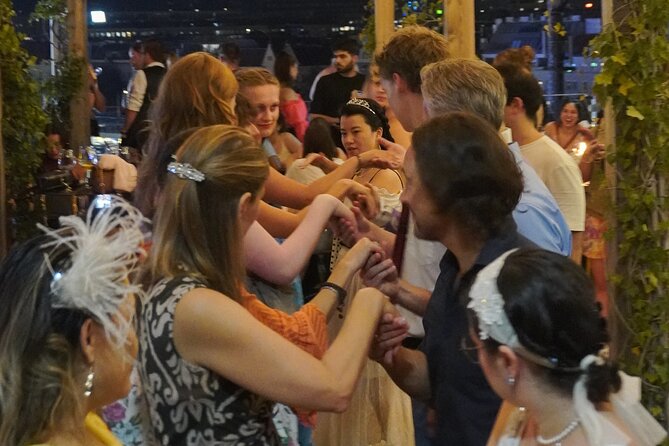
Vienna sells many polished cultural experiences, but this one asks you to take part rather than sit and watch. The Viennese Waltz is tied to the city’s ball culture, formal manners, and love of Strauss’s swirling orchestral music. Even a short lesson gives you a physical sense of how that tradition works.
You do not need to arrive hoping to dance like a professional. The goal is more modest and more useful: stand correctly, move with your partner, keep the rhythm, and understand the basic pattern. By the end, you should have enough confidence to try a waltz at a ball, a hotel event, or simply at home.
I especially like that the lesson combines dance instruction with cultural explanation. You learn why posture matters, how ballroom etiquette shapes the experience, and how Viennese dancing differs from a casual slow dance. That makes the class more than a quick tourist novelty.
The workshop is also a good choice for couples who want a shared activity that does not involve another museum, church, or guided walk. You will spend most of the time moving together, laughing at mistakes, and working out how to follow and lead.
More to book in Vienna
- Vienna: Chocolate Workshop in Chocolate Museum w/ Tasting
★ 4.5 · 1,802 reviews - Chocolate workshop in Chocolate Museum Vienna “BO-YO”
★ 4.5 · 352 reviews - Nabiel’s Vienna Cooking Class
★ 5.0 · 234 reviews
Meeting at Griechengasse 6 in central Vienna
The workshop begins at Griechengasse 6, 1010 Vienna, and ends at the same place. The address is central and close to public transportation, but you should still plan your route carefully. One class participant found the studio took some searching and was glad to have Google Maps and the directions sent by email.
Arrive early. The provider asks participants to come 15 minutes before the start, and the door closes once the class is underway. This rule protects the class from interruptions, but it creates a real risk if you are delayed by traffic, a slow taxi, or a crowded central street.
I would treat the meeting time as part of the experience, not a suggestion. Find the location before the day of the lesson if possible. Keep the confirmation on your phone, and do not assume that arriving five or ten minutes late will be acceptable.
The activity is offered in English, with German support if needed. The instructors described in the supplied information include Aga and Philip. Both are presented as patient teachers who can explain the dance clearly to people with little or no ballroom background.
The first steps: posture, rhythm, and partner position
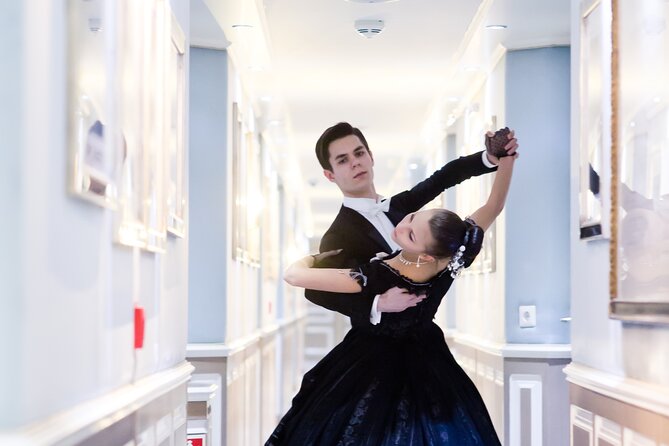
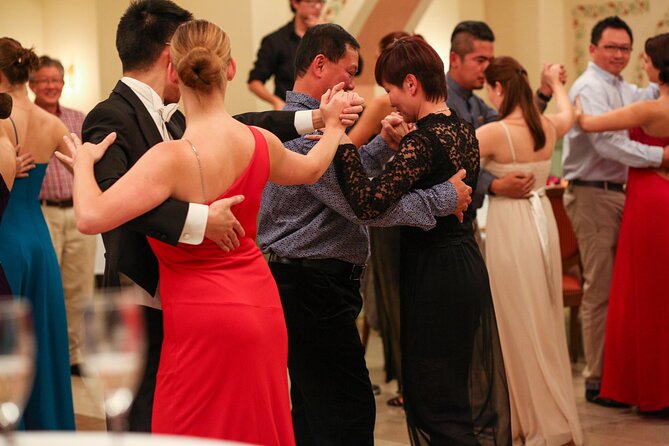
The class starts with the basics. Expect the instructor to demonstrate the first steps, then guide you through them at a slower pace. You work on posture, foot placement, movement, and ballroom manners before trying to travel around the room.
If you have taken dance classes in the United States or elsewhere, pay attention to the starting foot. One couple noted that the lesson began with the right foot forward, unlike the left-foot start they knew from American studios. It took them only a short time to adjust, but this is a useful warning for experienced social dancers.
The teaching style appears to be gentle rather than intimidating. Aga is described as patient, encouraging, and good at making difficult movements feel simple. Philip is also described as patient and engaging, with the ability to adapt the class to different levels.
That flexibility matters because a couple may arrive with very different abilities. One person may understand the rhythm quickly while the other is still trying to remember where to place each foot. The class is designed to keep both partners moving forward without turning the lesson into a test.
You should expect some clumsy moments. That is normal. The waltz asks you to coordinate your feet, your partner, your posture, and the music at once. The instructor’s job is to slow things down, correct errors, and help you build a usable pattern before adding more movement.
From a box step to the Viennese Waltz
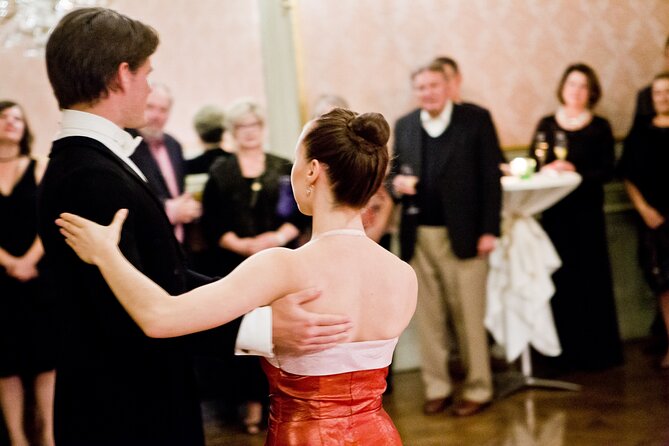
Several class details help explain the likely progression. The instructor may begin with a basic box step, then move toward the recognizable Viennese Waltz pattern as the group becomes comfortable. Simple open movements and turns can follow, depending on the class.
One particularly useful element is schunkeln, a gentle swaying step that can help you change direction, reset your timing, or catch your breath. It gives beginners something practical to use when the faster turning pattern feels like too much.
The workshop is not designed to turn you into a competition dancer in one session. Fifty minutes is enough to learn the foundation, but not enough to master complex figures, polished turns, or advanced floorcraft. Some participants found the time passed quickly, and one felt the lesson was a little brief.
Still, the short format has an advantage. You can fit it into a full day of sightseeing without giving up half the afternoon. It works well before dinner, after a museum visit, or as a lighter activity between major Vienna sights.
If you already dance ballroom, you may want more technical detail. The class will probably feel introductory rather than demanding. For a complete beginner, though, the limited time keeps the experience focused and prevents the lesson from becoming tiring.
A different kind of evening in Vienna:
- Vienna: Vivaldi’s Four Seasons Concert in Karlskirche
★ 4.7 · 14,951 reviews - Vienna: Spanish Riding School Training
★ 3.9 · 9,281 reviews - Vienna: Skip-the-cashier-desk-line Giant Ferris Wheel Ride
★ 4.5 · 7,859 reviews - Vienna: Schönbrunn Palace & Gardens Skip-the-Line Tour
★ 4.7 · 7,739 reviews
Strauss music and the feel of a Viennese ball
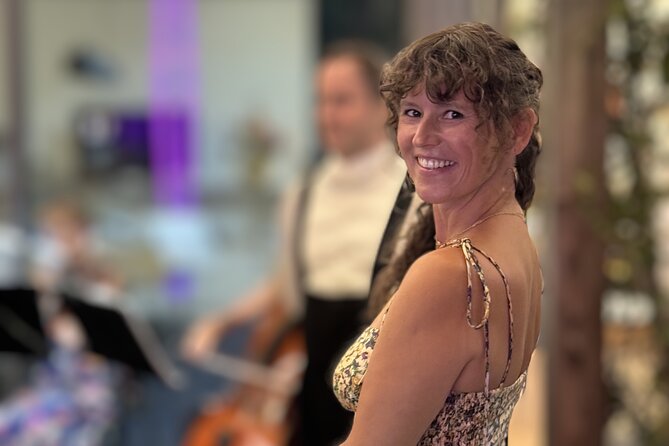
Once the basic movements are in place, you practice to waltzes by Johann Strauss. The music gives the lesson its sense of place. It is one thing to hear Strauss in a concert setting, and another to move to the same style of music with a partner.
The Blue Danube is specifically connected with the experience in the supplied information. Hearing that familiar melody while attempting the waltz can make the lesson feel distinctly Viennese, even if your footwork is still a little rough.
The instructor also explains traditions associated with Vienna’s balls. That context is valuable because ballroom dancing is not only about steps. It includes how you stand, how you hold your partner, how you enter the dance, and how you share the floor with other couples.
The class can also prepare you for a formal event. One participant used the lesson before a New Year’s Eve ball and felt better prepared afterward. You should not expect to leave with every skill needed for a grand ball, but you will have a basic framework and a clearer idea of what to do when the music begins.
A ballroom setting with time for photos
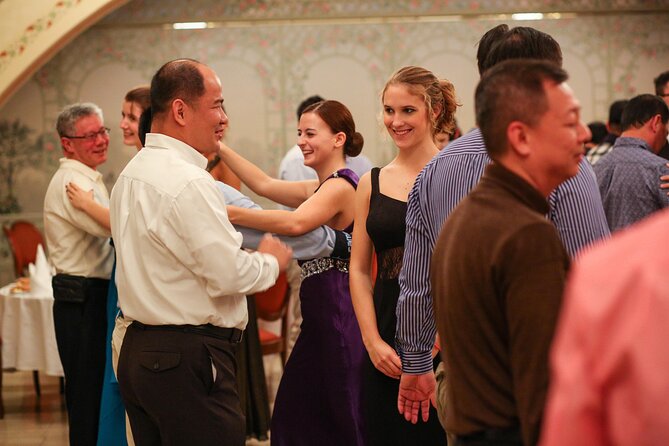
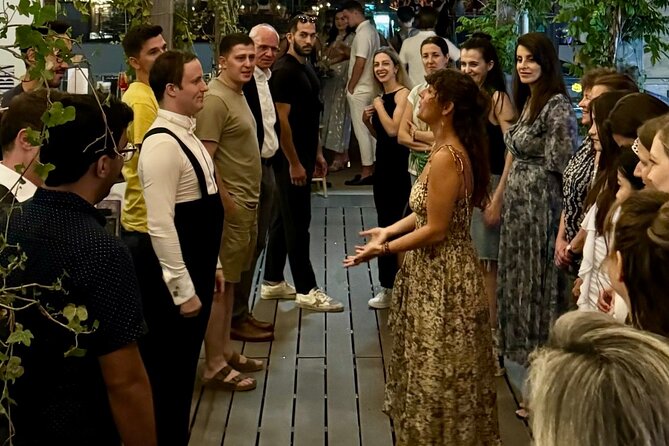
The venue is described as an elegant ballroom in a beautiful building. That setting adds something a studio or hotel meeting room might not provide. You are learning the dance in a space that feels connected to the tradition, rather than simply practicing steps in a rented classroom.
You have time for personal photos in the ballroom, which is useful if this is part of a birthday, anniversary, engagement trip, or special holiday. Dress neatly if you want photos that match the setting, but the activity does not include clothing or shoe rental.
You need to bring your own outfit and dance shoes if you have them. The supplied information does not require formal dress, so comfort matters more than trying to look like a professional ballroom dancer. Wear something that lets you move freely and shoes that will not make turning difficult.
Food and drinks are not included. One class session offered the option to buy wine or champagne before the lesson, but this should not be treated as a guaranteed part of every booking. The dependable inclusions are the ballroom, instruction, photo time, and online video recap.
Group size, privacy, and the couple requirement
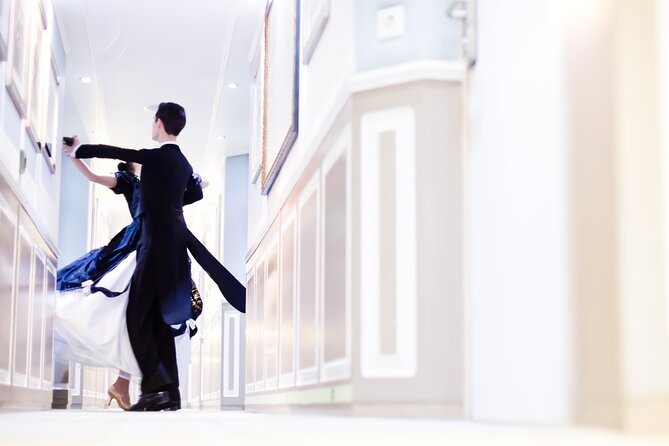
This experience is available only for couples, with at least two people required per booking. That makes sense for partner dancing, but it excludes solo visitors who want to join a group class.
The maximum group size is 30 people. In practice, class size can vary greatly. Some sessions have just three or four couples, while an empty booking period has occasionally resulted in a private lesson at no extra cost. That smaller setting can give you more direct attention, but you should not book assuming a private class is guaranteed.
A small group is especially helpful if one partner needs more correction or if you feel self-conscious about learning in front of others. A larger class may feel less personal, though the instructor can still guide the group through the same basic sequence.
The workshop suits couples and small groups of friends or family who can move comfortably. It is not aimed at one age bracket, and there is no stated age restriction. Service animals are allowed, and most people who are able to move can take part.
Is $59.13 good value for 50 minutes?
At $59.13 per person, this is not the cheapest way to spend an hour in Vienna. You are paying for a specialist activity, an elegant venue, an English-speaking instructor, and a structured introduction to a local tradition.
The value improves if you care about doing something distinctly Viennese rather than simply seeing another attraction. The class includes personal photo time and a free online video recap through the Global Waltz Club, so you can review the steps after leaving.
The price also compares well with a private lesson if your session happens to have only one couple, though that private upgrade is not guaranteed. If the class reaches its maximum of 30 people, the experience will naturally feel less personal than a private booking.
I would call the price fair for a special trip, particularly for couples who want one shared activity with a clear cultural connection. It is less attractive if you are unsure about dancing, dislike partner activities, or want a long technical lesson.
Booking, cancellation, and practical planning
You can cancel for a full refund up to 24 hours before the local start time. Changes or cancellations inside that 24-hour window are not refunded, so do not book this as a loose placeholder in a packed itinerary.
The activity requires a minimum number of participants. If the provider cancels because that minimum is not reached, you are offered another date or experience, or a full refund.
The advance booking pattern is worth noting. This experience is often booked about 44 days ahead, so reserve early if your Vienna dates are fixed, especially if you want a particular day or time.
A mobile ticket is provided, and the activity is offered in English. There is no hotel pickup or drop-off, so you make your own way to Griechengasse 6 and return to your sightseeing plans from there.
Who will enjoy this workshop most?
You should consider booking if you:
- Want a hands-on introduction to Viennese culture
- Are traveling as a couple
- Have never danced before or feel uncertain about ballroom steps
- Plan to attend a Viennese ball or formal dance
- Enjoy music, traditions, and light cultural activities
- Want a short experience that fits around major sights
- Like the idea of learning something you can continue at home
You may want to skip it if you need a fully private lesson, have difficulty standing or moving for 50 minutes, or cannot arrive early. Experienced dancers may also find the material too basic unless they want a refresher or a cultural angle.
Should you book the Viennese Waltz Workshop?
Book it if you want to do more than look at Vienna’s grand traditions from the outside. The lesson gives you a simple physical connection to Strauss, ballroom etiquette, and the city’s long love affair with the waltz.
The strongest reasons to go are the patient instruction from teachers such as Aga and Philip, the elegant ballroom, and the beginner-friendly approach. The main drawbacks are the short duration, the couple-only rule, and the strict late-arrival policy.
For a couple with one free hour, $59.13 per person is a reasonable price for a memorable cultural activity. Arrive early, wear comfortable shoes, keep your expectations realistic, and enjoy the fact that a few awkward steps are part of the fun.
FAQ
How long does the Viennese Waltz Workshop last?
The workshop lasts approximately 50 minutes.
Where does the activity begin?
It begins at Griechengasse 6, 1010 Vienna, Austria.
Where does the activity end?
The activity ends back at the meeting point.
Is the workshop offered in English?
Yes. Instruction is offered in English, with support in German if needed.
Do I need previous dance experience?
No. The workshop is suitable for beginners and requires no prior knowledge.
Can I book the workshop alone?
No. The activity is available only for couples, and each booking requires a minimum of two people.
What is included in the price?
The price includes the 50-minute lesson, use of the ballroom, time for personal photos, and free access to the Global Waltz Club online video recap.
Are food, drinks, clothing, and shoes included?
No. Food and drinks are not included, and clothing and shoe rental are also not included.
Can I cancel for a full refund?
Yes. You can cancel at least 24 hours before the local start time for a full refund. Cancellations or changes made less than 24 hours before the start are not refunded.
Just added in Vienna
- World War II History Vienna Old Town Private Walking Tour★ 4.8 · 9 reviews
- Vienna: Wiener Schnitzel and Strudel Cooking Class★ 4.9 · 126 reviews
- Vienna: Wine Tasting Tour★ 4.8 · 61 reviews
- Vienna: Winery and Wine Tasting Tour with a Wine Expert★ 5.0 · 5 reviews
- Vienna: Wine Tasting E-Bike Tour★ 4.9 · 46 reviews
- Vienna: Wine Tasting at Schönbrunn Palace★ 4.3 · 71 reviews
- Vienna: Unforgettable Private City Tour★ 5.0 · 7 reviews
- Vienna Urban Art Tour: Explore a different side of Vienna!★ 3.8 · 14 reviews
Workshops, compared.
Chocolate Workshop in Chocolate Museum w/ Tasting
Read our review →
Austrian Apple Strudel Cooking Class including Lunch in Salzburg
Read our review →
Chocolate workshop in Chocolate Museum Vienna “BO-YO”
Read our review →
Salzburg Christmas Cookies and Apple Strudel Cooking Lesson
Read our review →
Traditional Kaiserschmarrn Cooking Class & Tasting
Read our review →
Cookies and Apple Strudel Cooking Class Including Lunch
Read our review →Browse the lists this tour appears in