
Reviewed · HOFBURG & IMPERIAL PALACES
Albertina Art Museum: Private Tour of Masterpieces | Tickets incl
The best thing about this private Albertina tour is the chance to talk through original works with an art historian instead of trying to decode modern art alone. You get a focused two-hour visit, museum admission included, and a guide who can shape the discussion around your questions.
I like the personal format and the quick route into modern art’s many -isms. I also like that the Albertina’s Batliner collection gives you room to form your own opinions, rather than simply ticking famous masterpieces off a list. The main drawback is the price: at $226.37 per person, this is a serious splurge for two hours.
Key points
- Private attention: Only your group takes part, so you can ask questions and set the pace.
- English-speaking art historian: The tour is offered in English, with Julia among the guides who may lead it.
- Albertina admission included: Your guide has the tickets, which removes one small task at the entrance.
- Modern art focus: Expect discussion of modernist and avant-garde art, including how artists use style, context, repetition, and personal intent.
- Flexible conversation: You can steer the discussion toward the works and subjects that interest you most.
- Two-hour format: Long enough for a focused introduction, but not a complete survey of every Albertina collection.
Why a private Albertina visit can make modern art click
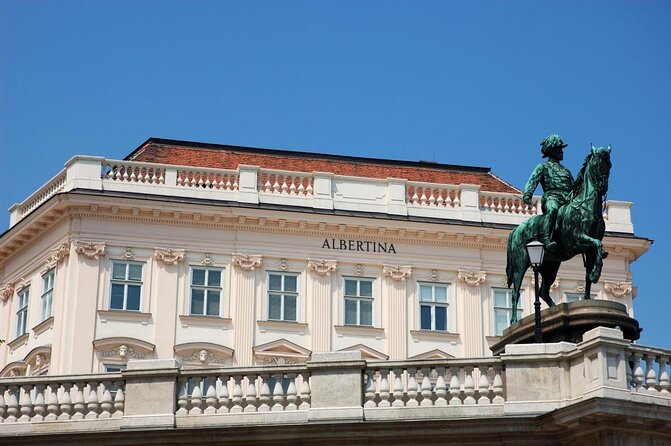
Vienna’s Albertina is best known for its graphic collection, yet only part of that vast holding is shown to the public at any one time. The most famous works may appear in special exhibitions, and waiting for a particular show can take years. That means this tour is not built around a guaranteed checklist of celebrated drawings.
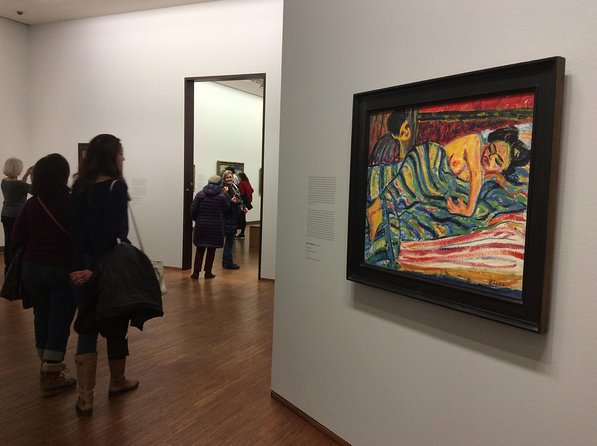
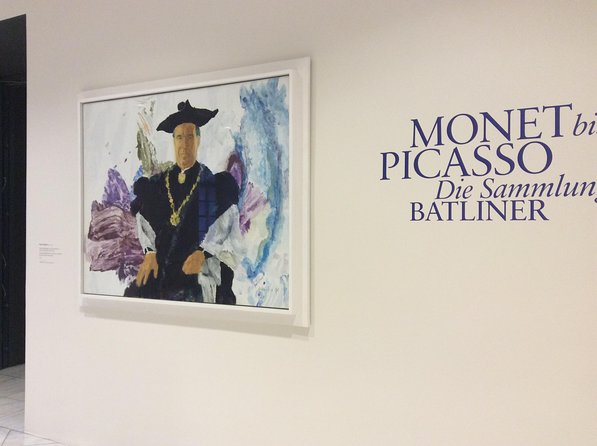
Instead, the visit focuses on modernist and avant-garde art, including the Batliner collection. That can be a smart choice if you want to understand how art changed around the turn of the 20th century. You are not simply being led from one famous canvas to the next. You are given a way to look.
I like that distinction. A famous masterpiece can intimidate you into deciding that you are supposed to admire it. A less familiar work gives you more freedom to ask what you actually see, feel, and dislike. Your guide can then connect those reactions to movements, methods, and the artist’s aims.
The museum’s collection is also useful for explaining ideas that matter in modern art: repetition, context, intention, and the connection between an artwork and its maker. Those subjects can sound abstract in a classroom. In front of the original work, they become easier to discuss.
Other imperial addresses in Vienna:
- Vienna: Skip-the-Line Sisi Museum, Hofburg and Gardens Tour
★ 4.8 · 5,918 reviews - Tickets for the Albertina Exhibitions
★ 4.7 · 2,126 reviews - Vienna: Imperial Treasury in the Hofburg Palace
★ 4.4 · 1,791 reviews
Meeting at Albertinaplatz 1
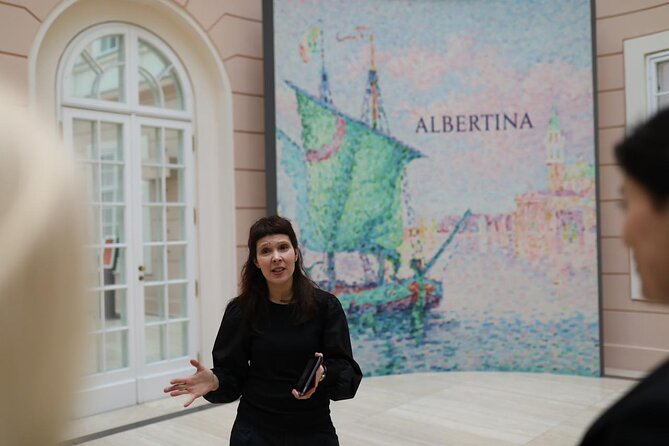
The meeting point is Albertinaplatz 1, in Vienna’s 1010 district, and the activity finishes back at the same place. Public transportation is nearby, so you do not need to plan a separate return route after the tour.
Your guide has the museum tickets. You can show a paper or electronic voucher, but the guide carries the admission tickets, keeping the arrival fairly simple. Confirmation is sent at booking, so keep the booking details available on your phone.
The tour is offered in English. If you want a particular question addressed, it makes sense to bring it up early. The format is private, so your interests can shape the visit instead of being crowded out by a large group’s schedule.
The meeting arrangement is straightforward, but do not treat the starting time casually. The experience lasts about two hours, and a late start would cut into the discussion that makes this tour worthwhile.
The Albertina’s graphic collection and its limits
The Albertina’s worldwide reputation comes largely from its graphic collection. That does not mean every famous drawing is on view during every visit. The museum shows its holdings in small portions, and special exhibitions determine which major works you can see.
This is an important point when deciding what to book. If your goal is one specific celebrated drawing, check the current exhibition plans rather than assuming it will be displayed. This tour gives you admission to the Albertina, but it cannot promise a particular work that is not on show.
For many people, that limitation is not a problem. The museum’s permanent modern art displays offer a different reward. You can study the ways artists moved away from older rules and developed new visual languages.
The Batliner collection is especially useful for this purpose. It may not contain the most famous names in the full story of Western art, but that can make it easier to concentrate on the work itself. Your guide can help you compare approaches without asking you to accept a piece as important simply because its creator is famous.
A crash course in modernist movements
The tour promises a fast introduction to modern art, and two hours is the right length for a crash course. You will not cover every artist, movement, or room in depth. You should expect a selected conversation that gives you a framework for looking at the collection.
The term modern art covers many different directions. A private guide can explain how artists challenged established ideas about subject matter, form, color, technique, and the purpose of art. You can ask for a plain explanation when the vocabulary gets too dense.
This is where the guide’s role matters. A museum label may identify an artist and date, but it rarely has time to respond to your particular confusion. A private art historian can slow down at one work, compare it with another, or explain why a piece matters even if it does not immediately appeal to you.
I especially like the connection between emotional response and analysis. The supplied tour material uses Toulouse-Lautrec’s horse Gazelle as an example of the tenderness an artist may bring to a subject. That kind of entry point can help you approach later works by Tracey Emin or Hermann Nitsch, where the emotional and personal stakes may be less obvious.
You do not have to like every work. A good conversation can explain why a piece was made, what it is trying to do, and why it affects you in a certain way. That is more useful than being told which pieces deserve approval.
More to book in Vienna
- Vienna Kunsthistorisches Museum Day Admission Ticket
★ 4.6 · 3,690 reviews - Vienna: Chocolate Workshop in Chocolate Museum w/ Tasting
★ 4.5 · 1,802 reviews - Sigmund Freud Museum Ticket
★ 4.6 · 1,668 reviews - Vienna: St. Stephen’s Cathedral & Dom Museum Wien Tickets
★ 4.5 · 1,652 reviews
Why the private format matters
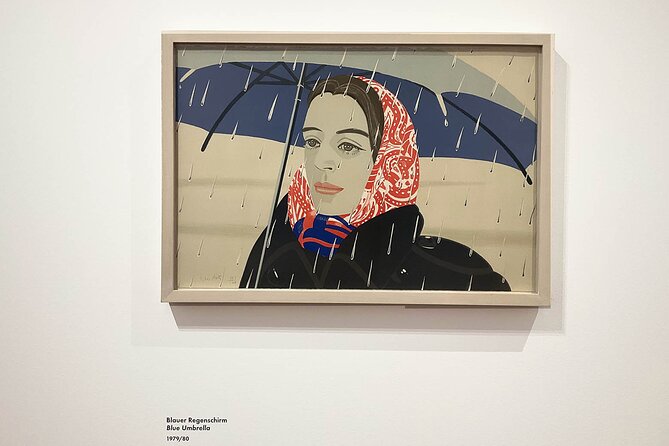
This is not a standard group walk where the guide delivers a fixed talk and moves on. Only your group participates. That gives you room to ask basic questions, challenge an interpretation, or spend extra time with a work that catches your attention.
For a first visit to a modern art museum, that flexibility has real value. You can say when a movement seems confusing or when a work does not connect with you. The guide can respond instead of following a script built for strangers with mixed interests.
The private setting also suits repeat museum visitors. You might already know the broad story of modernism and want to focus on a particular theme, artist, or type of artistic decision. The experience description specifically allows you to focus the tour and discussion on what interests you.
There is a practical tradeoff. Private guiding costs more than joining a regular public tour. At $226.37 per person, the price is easiest to justify for someone who values direct discussion, has limited time in Vienna, or is visiting with a small group that wants one shared experience.
Group discounts are listed, which may improve the value for a larger private party. The available details do not state the discount amount, so check the total price for your group before booking.
Two hours inside the museum
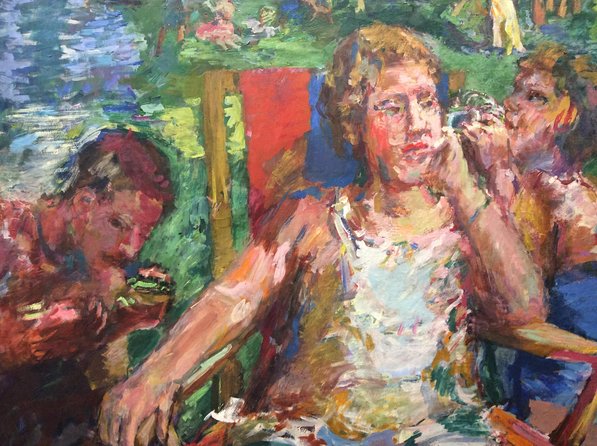
The timing gives your visit a clear shape. You meet at the Albertina, enter with the guide’s tickets, and spend roughly two hours on the collection and discussion. The tour ends at the original meeting point.
Two hours is enough for a meaningful introduction, but you should not expect to see every department or understand the Albertina’s full collection. The focus is the guided experience, not an exhaustive museum survey.
That limit can be helpful. Museums often become tiring when you try to see everything. A focused visit lets you give your attention to selected works and leave with a clearer sense of how to continue exploring art on your own.
If you want extra time after the tour, the supplied information does not state how long your admission remains valid or whether you can stay independently. Ask the provider if that matters to your plans.
The tour requires a moderate level of physical fitness. The details do not specify seating, lift access, or the exact amount of walking, so contact the provider if those points affect your booking.
What makes this a good first art tour
I would consider this experience for someone who feels curious about modern art but is not sure how to look at it. The guide can give you terms and comparisons without turning the visit into a formal lecture.
It also suits couples, families with older children, friends, and small groups who enjoy talking about ideas. Since the activity is private, the group can ask questions freely and avoid the pressure of keeping up with strangers.
The tour is less suited to someone who wants only the Albertina’s most famous graphic works. Those pieces may be displayed only during particular exhibitions, and the permanent focus here is modernist and avant-garde art.
It may also feel expensive if you are content to browse on your own. The ticket is included, but the main product is the guide’s time and personal attention. If you would rather read labels quietly, the extra cost may not offer enough benefit.
The guide’s role in making the visit personal
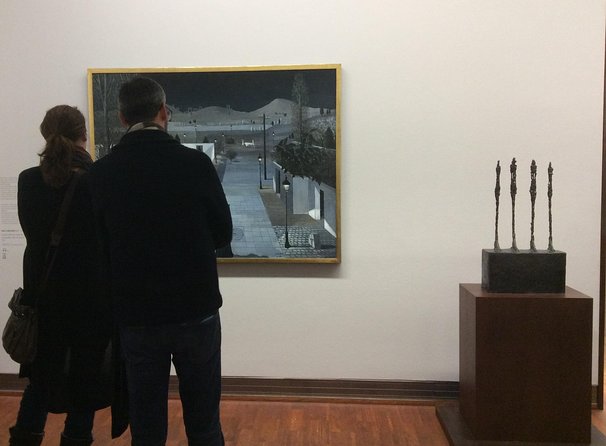
The experience is provided by Art with me!, which presents the activity as an art experience for intellectually curious visitors. Julia is identified in the available response from the provider, so she may be your guide, though the booking information does not guarantee a specific guide for every date.
The strongest part of the guiding approach is the promise of time for explanation and questions. You should feel free to say what you do and do not understand. The private format makes that especially useful because the guide can adjust the conversation to your group.
Bring your own interests into the visit. You might ask about artistic intention, the role of personal experience, the difference between modernist movements, or why a work is displayed beside another. The more specific your questions, the more tailored the discussion can become.
Do not worry if you lack art-school vocabulary. The purpose of a crash course is to give you a working starting point. You can begin with a simple reaction and let the guide build from there.
Is $226.37 a fair price?
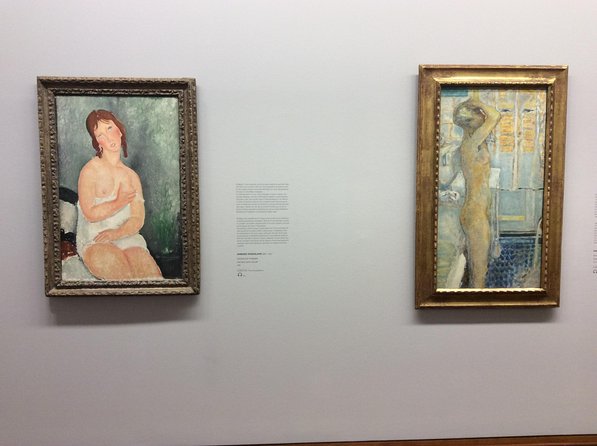
The price is $226.37 per person. That is high for a two-hour museum visit, especially when compared with independent admission. The value depends on how much you want personal instruction.
You are paying for several things at once: an English-speaking professional art historian, a private appointment for your group, admission to the Albertina, and a discussion shaped around your interests. The ticket removes a separate purchase, but it is the private guide that accounts for the main difference in price.
For one person or a couple on a tight budget, I would think carefully before booking. For a group that can use the listed group discount, the cost may feel more reasonable when shared among people who genuinely want the same art-focused experience.
The tour also saves preparation time. You do not need to build your own route through the museum or spend hours trying to understand the difference between artistic movements from labels alone. That convenience has value, especially during a short Vienna stay.
Booking, vouchers, and cancellation
Confirmation arrives at the time of booking. The experience is often reserved well ahead, with an average booking point of about 26 days before the visit, so planning early is sensible if your dates are fixed.
You can use either a printed or electronic voucher. The guide has the entrance tickets, which means you should not need to collect separate admission at the museum.
Free cancellation is available if you cancel at least 24 hours before the local start time. Cancellations made less than 24 hours before the start, and changes made within that period, are not accepted for a refund.
Who should book the Albertina private tour?
Book it if you want more than a quick museum visit and are willing to pay for direct conversation. It is a strong match for curious beginners, art students, repeat Vienna visitors, and small groups with a shared interest in modern art.
Think twice if your priority is a specific famous drawing, a broad tour of every Albertina department, or the lowest possible cost. The museum’s graphic holdings are shown in limited portions, and the two-hour format is selective by design.
I like this experience most as an introduction to looking carefully. You enter with questions, study original works, and leave with a better set of tools for making sense of art that may not explain itself at first glance.
FAQ
Where does the Albertina private tour start?
It starts at Albertinaplatz 1, 1010 Wien, Austria.
Where does the tour finish?
The activity finishes back at the meeting point.
How long does the tour last?
The tour lasts approximately two hours.
Is admission to the Albertina included?
Yes. Admission is included, and the guide has the tickets.
Is the tour offered in English?
Yes. The tour is offered in English.
Is this a private activity?
Yes. Only your group takes part in the activity.
Can I use an electronic voucher?
Yes. You can present either a paper voucher or an electronic voucher.
What is the cancellation policy?
You can cancel at least 24 hours before the local start time for a full refund. Cancellations or changes made less than 24 hours before the start are not accepted.
Just added in Vienna
- World War II History Vienna Old Town Private Walking Tour★ 4.8 · 9 reviews
- Vienna: Wiener Schnitzel and Strudel Cooking Class★ 4.9 · 126 reviews
- Vienna: Wine Tasting Tour★ 4.8 · 61 reviews
- Vienna: Winery and Wine Tasting Tour with a Wine Expert★ 5.0 · 5 reviews
- Vienna: Wine Tasting E-Bike Tour★ 4.9 · 46 reviews
- Vienna: Wine Tasting at Schönbrunn Palace★ 4.3 · 71 reviews
- Vienna: Unforgettable Private City Tour★ 5.0 · 7 reviews
- Vienna Urban Art Tour: Explore a different side of Vienna!★ 3.8 · 14 reviews
Hofburg & Imperial Palaces, compared.
Skip-the-Line Sisi Museum, Hofburg and Gardens Tour
Read our review →
Entry Ticket Upper Belvedere, Klimt’s Kiss & Permanent Collection
Read our review →
Combo Ticket: Kunsthistorisches Museum & Imperial Treasury
Read our review →
“Sisi’s Amazing Journey” Virtual Reality Experience
Read our review →Browse the lists this tour appears in