
Reviewed · HOFBURG & IMPERIAL PALACES
Combo Ticket: Kunsthistorisches Museum & Imperial Treasury
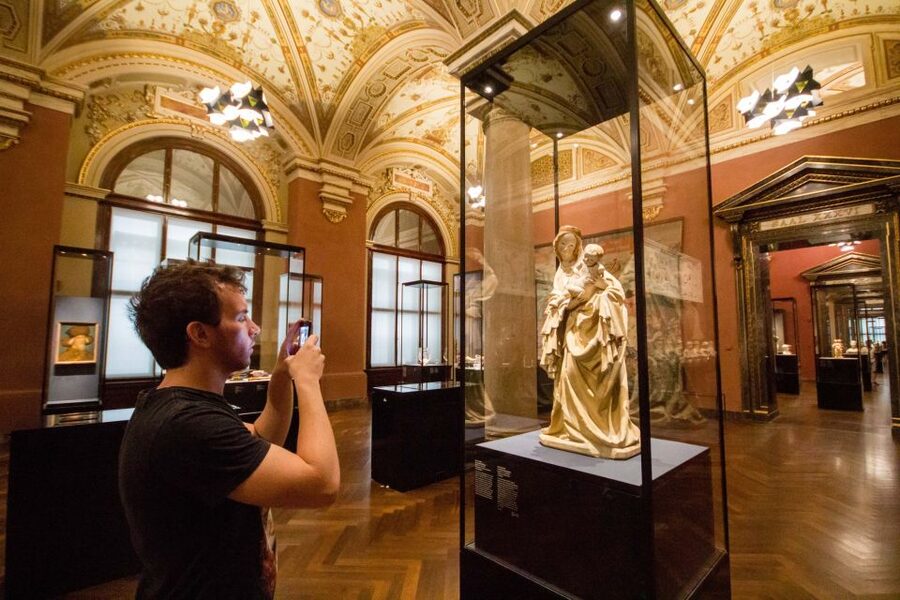
The biggest surprise here is that the building itself is part of the collection. At the Kunsthistorisches Museum, you move from grand paintings by Rubens, Rembrandt, Raphael, Velázquez, Titian, and Dürer to Egyptian objects, sculptures, armor, and finely made decorative pieces. Then the Imperial Treasury brings you face to face with the Austrian Imperial Crown, the German imperial crown, and symbols of the Holy Roman Empire.
I like the ticket’s flexibility and its strong coverage. You can visit each museum once, on different dates, rather than racing through both in one afternoon. I also like the contrast: the Kunsthistorisches Museum is broad and visually rich, while the Treasury is smaller, more focused, and filled with objects tied directly to Habsburg power.
The main drawback is practical: you need a printed voucher, and an audio guide is not included. Some visitors have had to exchange the printed booking confirmation for a museum ticket at the ticket office, so allow extra time rather than arriving at the last minute.
Key points before you book
- Two major museums in one ticket: Enter the Kunsthistorisches Museum and the Imperial Treasury at the Hofburg.
- Masterpieces by famous names: Look for works associated with Rubens, Rembrandt, Raphael, Velázquez, Titian, and Dürer.
- Crowns and imperial symbols: See the Austrian Imperial Crown, German imperial crown, and insignia of the Holy Roman Empire.
- A full museum day is possible: Two hours is enough for a brisk visit, but the main museum can occupy three or four hours if you explore carefully.
- Use the ticket flexibly: Each venue can be visited once, on separate dates, and the ticket remains valid for one year.
- Bring the right paperwork: A printed voucher is required, and audio guides cost extra.
Vienna’s grand museum square
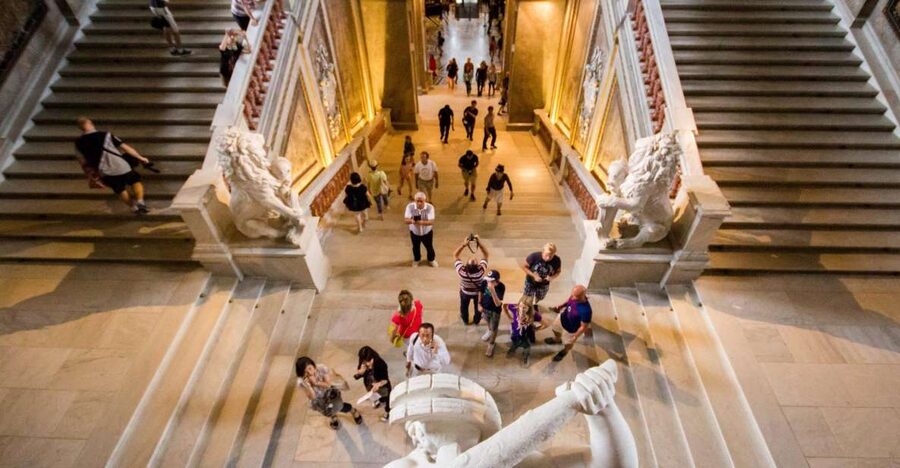
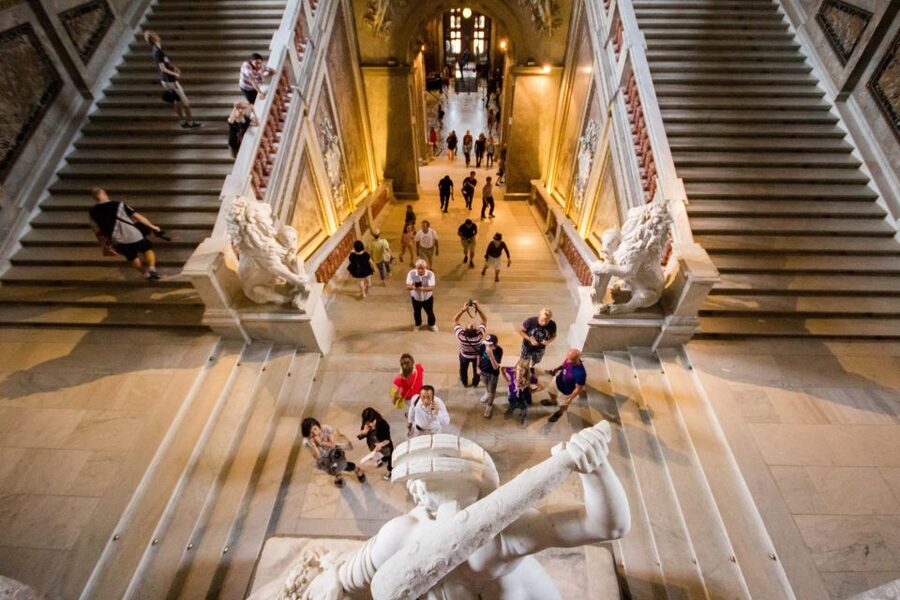
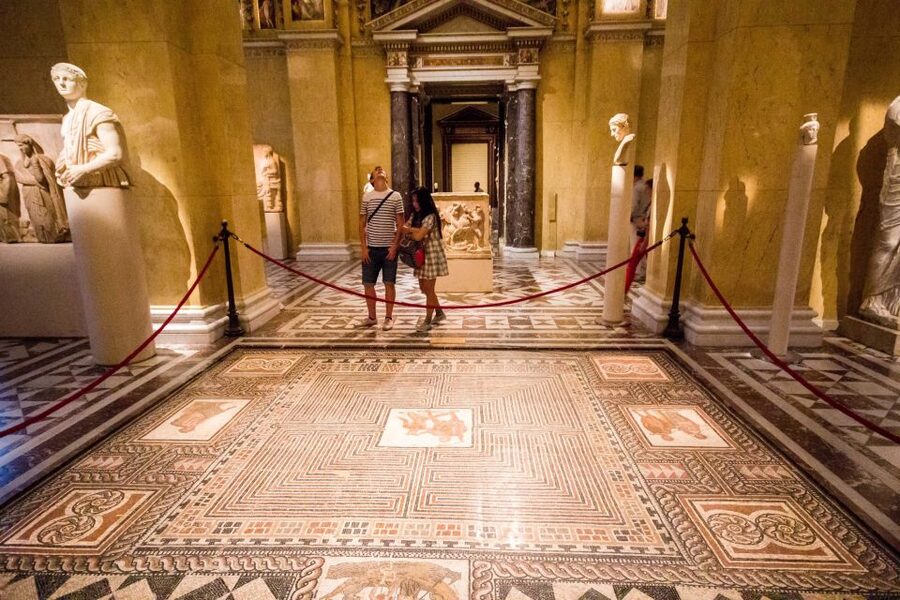
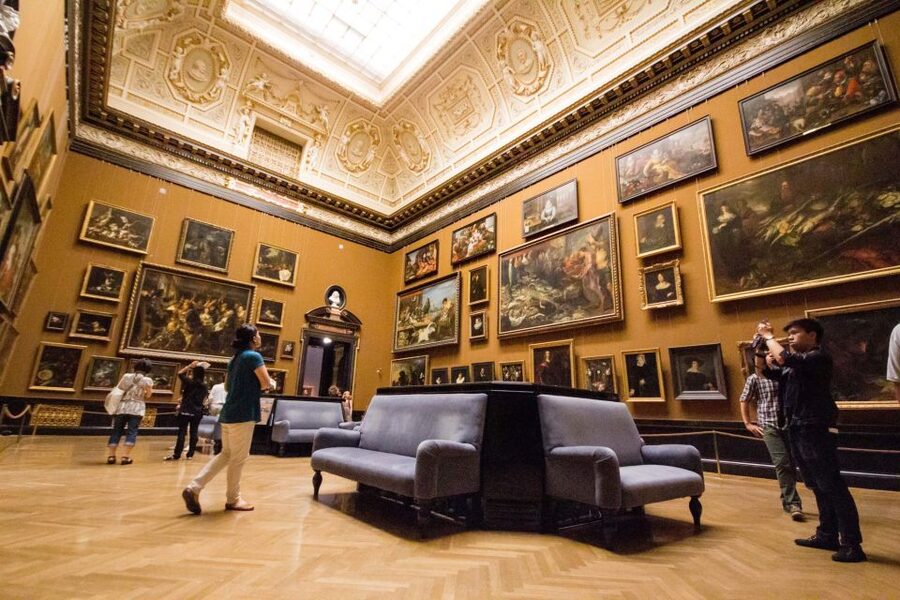
The Kunsthistorisches Museum occupies one side of Maria-Theresien-Platz, in a monumental building opposite the Naturhistorisches Museum. Even before you reach the galleries, look up at the architecture and interior decoration. The scale can feel almost theatrical, with the grand rotunda, the Cupola Hall, and richly decorated rooms setting the tone for the collection.
This is not a small collection designed for a quick glance. The museum covers European painting, Egyptian and Near Eastern objects, Greek and Roman antiquities, decorative arts, sculpture, and the Kunstkammer. You can spend two hours here and see the highlights, or stay three to four hours and still leave some rooms unexplored.
I recommend giving yourself a moment in the entrance hall before rushing toward the famous paintings. The building helps explain the museum’s purpose. This was created to display the possessions of the Habsburg rulers, so the setting is deliberately grand and formal.
Other imperial addresses in Vienna:
- Vienna: Skip-the-Line Sisi Museum, Hofburg and Gardens Tour
★ 4.8 · 5,918 reviews - Tickets for the Albertina Exhibitions
★ 4.7 · 2,126 reviews - Vienna: Imperial Treasury in the Hofburg Palace
★ 4.4 · 1,791 reviews
The painting galleries and their famous names
The painting collection is the main reason many people choose this ticket. You can see works connected with Rubens, Rembrandt, Raphael, Velázquez, Titian, and Dürer, along with many other European artists. The appeal is not only the names on the wall. It is the chance to compare different periods, techniques, and ideas within one museum.
The gallery rooms can feel crowded around the best-known pictures, especially around Pieter Bruegel the Elder’s Tower of Babel. If that painting is high on your list, expect to spend extra time there and be patient when the room fills.
You do not need formal art training to enjoy this section. Start with the paintings that catch your eye, then use the wall text to learn more. Many rooms have English information, but the audio guide is separate and costs extra. If you want more context for the painters and subjects, budgeting for the interpreter device may be worthwhile.
The collection rewards a second pass. On your first walk through, the grand names and large canvases may dominate your attention. On the way back, look for smaller paintings, details in clothing and architecture, and the difference between the carefully posed court scenes and more intimate works.
Beyond paintings: Egypt, antiquities, and the Kunstkammer
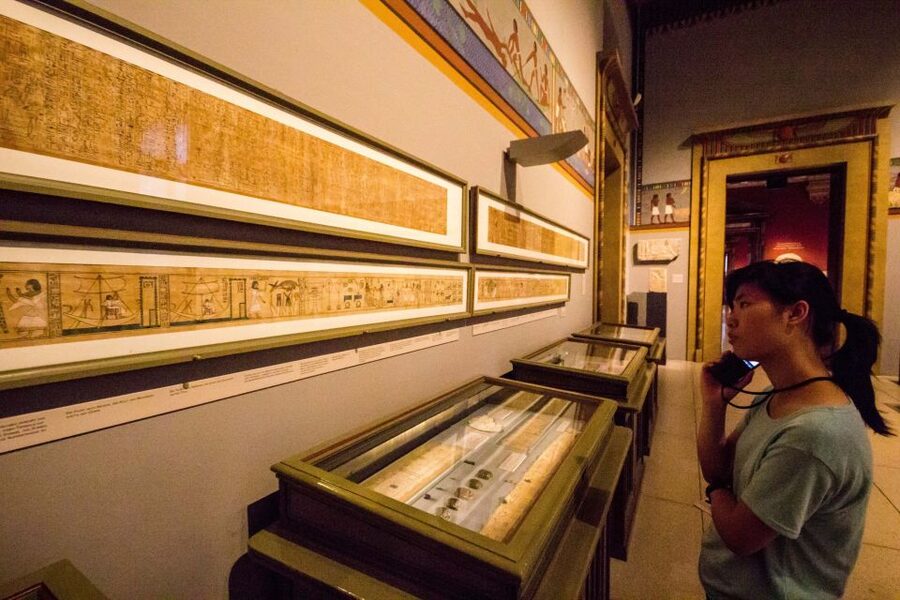
One of the strongest reasons to avoid treating this as only a painting museum is the range of other galleries. The Egyptian collection is a major attraction, with objects that give the museum a very different mood from the European galleries. You might find yourself spending longer here than planned, particularly if ancient cultures interest you.
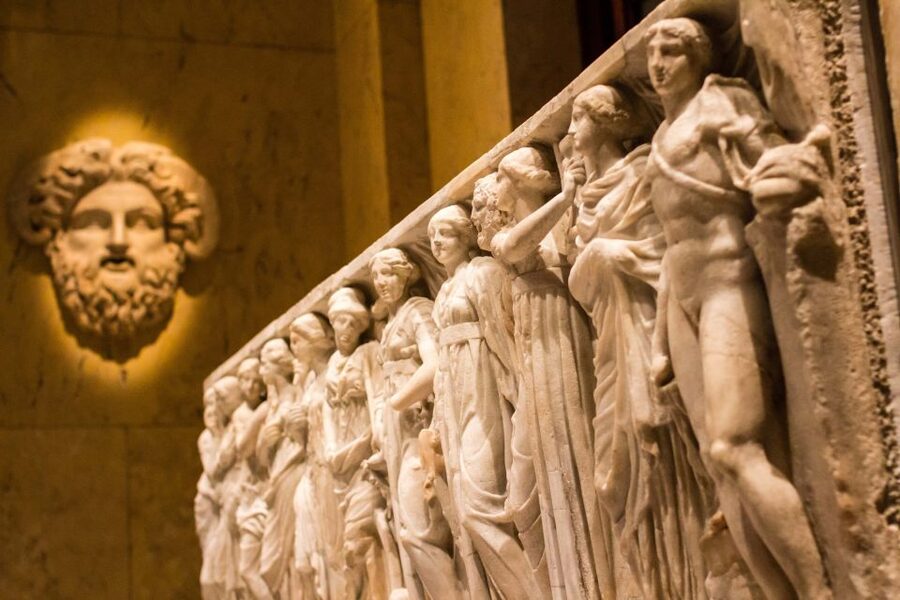
The Greek and Roman antiquities add another layer. These rooms help place the later European art in a wider historical setting, while the sculpture and decorative arts show how rulers collected objects for beauty, status, and curiosity.
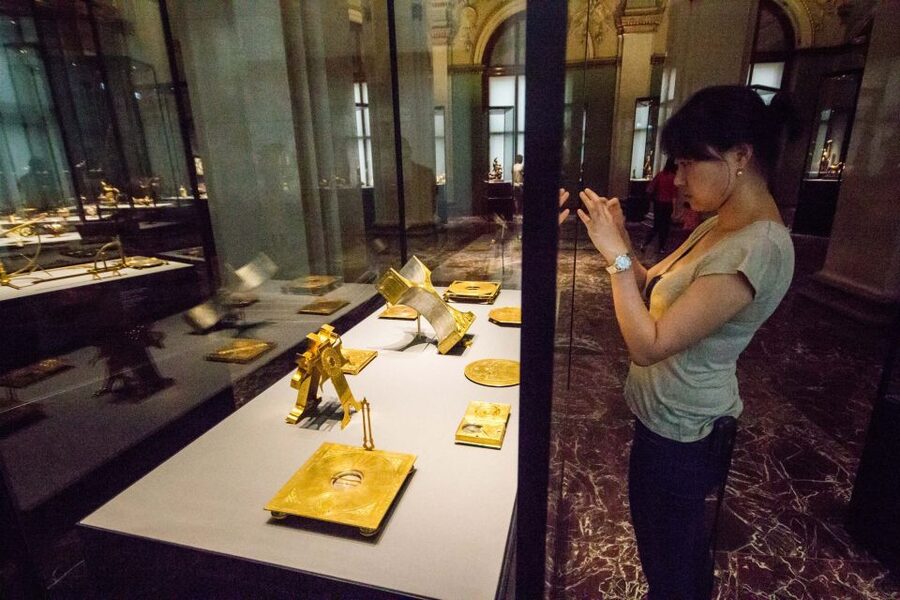
The Kunstkammer is included in your ticket. This collection focuses on finely crafted objects, unusual materials, and courtly treasures. A rock crystal pitcher is one example of the kind of work that rewards close looking. The craftsmanship can be easy to miss if you hurry from one famous painting to the next.
For me, this variety is the ticket’s greatest strength. You can build a visit around painting, ancient objects, sculpture, armor, or decorative arts. If one section does not hold your attention, another probably will.
Take a break beneath the Cupola Hall
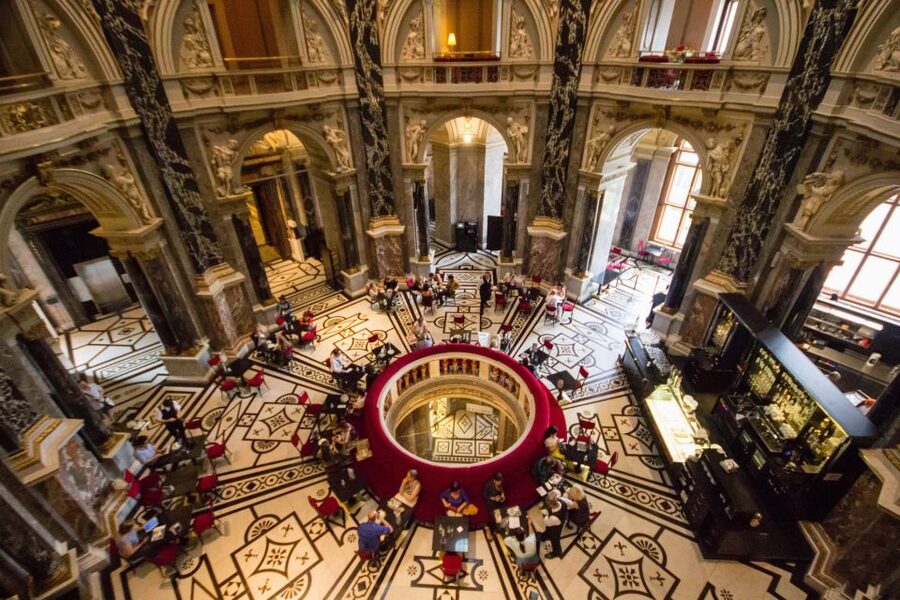
The museum’s Cupola Hall includes a café, giving you a useful place to stop for coffee or a meal while remaining inside the building. This matters because the museum can become tiring. The rooms are large, the collections are extensive, and it is easy to keep walking long after your concentration has faded.
The café also gives you a chance to appreciate the architecture. If you arrive early, the hall may be a quieter place to get your bearings. If you visit during a busy period, treat the café as a practical pause rather than assuming you can see everything in one continuous stretch.
A sensible plan is to choose two or three priorities before entering. You might select the painting galleries, the Egyptian collection, and the Kunstkammer. Then use the remaining time for rooms that appeal to you as you go. Trying to inspect every object can turn an enjoyable museum visit into an endurance test.
More to book in Vienna
- Vienna Kunsthistorisches Museum Day Admission Ticket
★ 4.6 · 3,690 reviews - Vienna: Chocolate Workshop in Chocolate Museum w/ Tasting
★ 4.5 · 1,802 reviews - Sigmund Freud Museum Ticket
★ 4.6 · 1,668 reviews - Vienna: St. Stephen’s Cathedral & Dom Museum Wien Tickets
★ 4.5 · 1,652 reviews
From art museum to Imperial Treasury
The second part of the ticket takes you to the Imperial Treasury at the Hofburg, at Michaelerplatz and Schweizerhof. The two museums are close enough to visit during the same day, but you should allow time to leave one building, walk to the other, and deal with entry procedures.
The change in focus is useful. The Kunsthistorisches Museum presents art and objects across many centuries and cultures. The Imperial Treasury concentrates on the possessions and symbols of the Habsburg rulers and the Holy Roman Empire.
The Treasury is smaller, so you can often see it in an hour or two. That makes it a good second stop after the larger museum. You are less likely to feel overwhelmed, and the objects have a clear connection to monarchy, ceremony, and political authority.
Crowns, imperial insignia, and dazzling objects
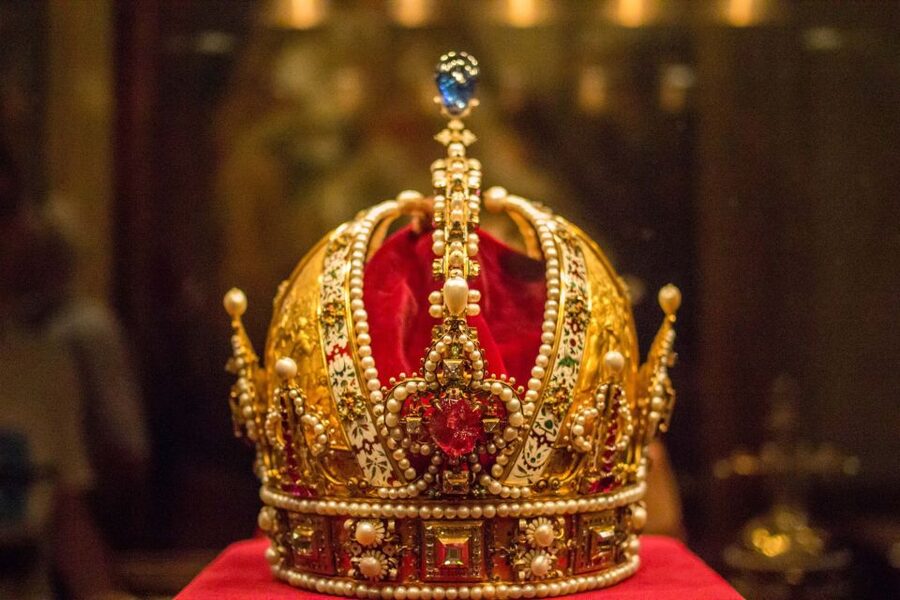
The Austrian Imperial Crown is the central draw for many people. It is not simply a beautiful piece of jewelry. It represents the Austrian imperial office and the ceremony surrounding the Habsburg rulers.
You can also see the German imperial crown and insignia connected with the Holy Roman Empire. These objects help explain how rulers presented power through ceremony, precious materials, and symbols that could be recognized across a large realm.
The Treasury is particularly strong if you enjoy jewelry, royal objects, or political history. Crowns and regalia are the focus, so people mainly interested in paintings may find the visit less essential. I would not treat it as an automatic must for every museum visitor, but the contrast with the Kunsthistorisches Museum makes the combination worthwhile for many people.
Among the more unusual highlights is the largest cut emerald in the world, according to the museum description. You will also see sparkling jewels and other precious objects associated with the Habsburg court. The display is not just about size or shine. It shows how rare materials were used to communicate rank and authority.
How to plan the timing
The advertised duration is two hours, but that should be understood as a starting point, not a realistic limit for seeing both museums carefully. Two hours may work for a fast visit to the Kunsthistorisches Museum or for a focused stop at the Treasury. It is not enough for most people who want to give both venues proper attention.
A better plan is to allow at least two hours at each location. The main museum can easily take three or four hours if you want the painting galleries, Egyptian rooms, antiquities, and Kunstkammer. The Treasury usually requires less time, often around one to two hours depending on your interests.
The one-year validity gives you room to split the visits. You might see the Kunsthistorisches Museum on a cold or rainy morning, then visit the Treasury on another day when you are already at the Hofburg. This is far more comfortable than forcing both into a single tight schedule.
Because each site allows one entry, plan carefully before you scan or exchange the ticket. Check opening days and hours in advance. One visitor arrived when the Treasury was closed and had to return another day. The ticket’s flexible validity helped, but a quick schedule check would have saved the extra trip.
The voucher and ticket exchange
The booking instructions require a printed voucher. This is important if you normally keep all tickets on your phone. Electronic booking details may not be accepted directly by the museums.
At times, the printed confirmation has needed to be exchanged for an official museum ticket at the ticket office. That can mean joining a line, even when the booking itself is meant to make entry easier. The exact procedure may vary, so do not assume that a QR code on your phone will be enough.
Print the voucher before you reach the museum. If you are already in Vienna without access to a printer, finding a print shop can take time. Build this small task into your plans rather than discovering the rule at the entrance.
The ticket has sometimes helped visitors avoid the ordinary ticket-buying process, but it does not remove every possible queue. The safest approach is to arrive with the printed document and allow a little extra time.
Bags, stairs, and practical comfort
A large rucksack, water bottle, or selfie stick may need to be left at the cloakroom. Travel light if you can. A small bag is more convenient in crowded galleries and saves you from dealing with storage.
There are also many stairs in the museum. The experience is wheelchair accessible, but the building’s scale and layout still make comfortable planning important. If stairs are difficult for you, ask staff for assistance and allow extra time.
The museum works well as a cold-weather or rainy-day activity. You get a substantial indoor program, and the collections are broad enough to keep you occupied for several hours. Wear comfortable shoes, but remember that this is a museum visit rather than a guided walking tour.
Is the $37 ticket good value?
At $37 per person, the combination makes the most sense if you plan to visit both venues. Buying access to the art museum alone would be more appealing for someone who has no interest in crowns or royal objects, while the Treasury alone is a shorter visit.
The value improves when you use the flexible schedule. You are not required to cram both museums into two hours, and the ticket can be used on separate dates within one year. That is useful for a longer stay in Vienna or for a trip with changing weather.
The cost also includes the Kunstkammer, which adds more than a standard painting-only visit. If you spend several hours at the main museum and another hour or two at the Treasury, the price is reasonable for the amount of material on offer.
Remember to add the cost of an audio guide if you want one. It is not included. Many galleries provide English text, but the extra device may help you understand works that would otherwise be easy to pass without context.
Who should book this combination?
I would recommend it most strongly to people who enjoy major European painting, court art, crowns, jewelry, and ancient objects. It also works well for first-time visitors who want a substantial indoor introduction to Vienna’s imperial collections.
Families and mixed-interest groups may appreciate the range. One person can focus on paintings, another on Egyptian objects, and someone else on armor, craftsmanship, or the Treasury’s jewels. The variety makes it easier to keep a group moving without everyone needing the same interests.
You should think twice if you dislike large museums or prefer a guided experience with a live expert. There is no guide included, and the scale can feel overwhelming. The Treasury may also seem skippable if royal jewelry and ceremonial objects do not interest you.
Should you book it?
Book this ticket if you want two of Vienna’s most important indoor collections and can give them real time. The best plan is to treat the Kunsthistorisches Museum as a half-day visit, then see the Imperial Treasury for one to two hours, either on the same day or later.
I would not book it simply because the price looks convenient if you only have two hours in Vienna. In that case, choose the museum that fits your interests. But if you enjoy famous paintings, Habsburg objects, Egyptian art, and grand architecture, this combination gives you a varied and flexible museum day for $37.
FAQ
What does the combo ticket include?
It includes one entrance to the Kunsthistorisches Museum Vienna, the Kunstkammer Vienna, and the Imperial Treasury at the Hofburg.
Can I visit the two museums on different dates?
Yes. Each location can be visited once, and the two visits may take place on different dates.
How long is the ticket valid?
The ticket is valid for one year.
How long should I plan for both museums?
The stated activity duration is two hours, but you may want at least two hours at each venue. The Kunsthistorisches Museum alone can take three to four hours if you explore several collections.
Is an audio guide included?
No. The audio guide is not included and costs extra.
Do I need a printed voucher?
Yes. A printed voucher is required. Some visitors have also needed to exchange the printed booking confirmation for an official museum ticket at the ticket office.
Where do I enter?
You can present the voucher at the main entrance of either museum. The Kunsthistorisches Museum is at Maria-Theresien-Platz, 1010 Vienna. The Imperial Treasury is at the Hofburg, Michaelerplatz Schweizerhof, 1010 Vienna.
Are children under 19 charged?
No. Visitors under 19 enter free.
Can I cancel the booking?
Yes. You can cancel up to 24 hours in advance for a full refund.
Just added in Vienna
- 3 hour private tour in Vienna by private car★ 4.4 · 6 reviews
- Private Christmas Markets Walking Tour Vienna★ 5.0 · 31 reviews
- Christmas Markets & Shopping in Vienna★ 5.0 · 17 reviews
- Christmas Market Vienna Tour★ 4.0 · 53 reviews
- Vienna: Christmas Markets Tour★ 4.3 · 99 reviews
- Vienna: Bus Tour with Virtual Reality Experience★ 4.7 · 148 reviews
- Vienna: A Little Night Music – Concert at Capuchin Church★ 4.8 · 145 reviews
- Vienna: Naschmarkt Guided Food Tour★ 4.4 · 140 reviews
Hofburg & Imperial Palaces, compared.

Skip-the-Line Sisi Museum, Hofburg and Gardens Tour
Read our review →
Entry Ticket Upper Belvedere, Klimt’s Kiss & Permanent Collection
Read our review →
“Sisi’s Amazing Journey” Virtual Reality Experience
Read our review →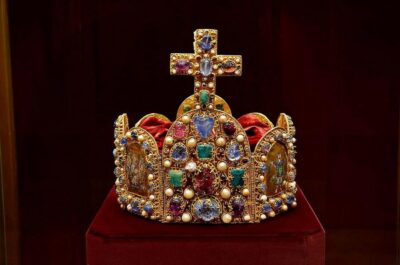
Imperial Treasury & New Hofburg Palace Combo Ticket
Read our review →Browse the lists this tour appears in