
Reviewed · HOFBURG & IMPERIAL PALACES
Tickets for the Albertina Exhibitions
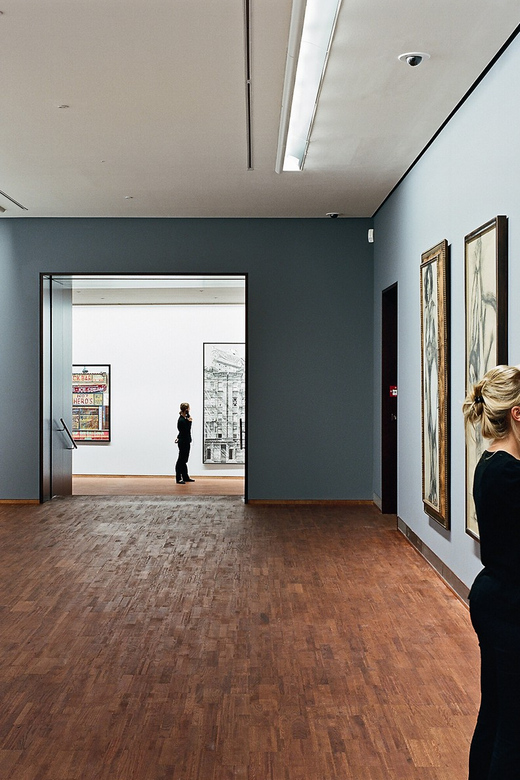
The Albertina gives you two very different Vienna experiences under one roof: Monet, Picasso, Klimt, and other modern masters on one floor, then richly decorated rooms where Habsburg archdukes and archduchesses once lived. That contrast is the museum’s great strength.
I like the clear sweep from Impressionism through Expressionism and the Russian avant-garde, and I like that the palace rooms are included rather than treated as a separate extra. The main drawback is that the famous artists may be represented by fewer works than the advertising suggests, and the ticket may still require a stop at the counter.
- Monet-Picasso: Follow the development of modern painting through major works by Monet, Degas, Van Gogh, Picasso, Chagall, Goncharova, Kokoschka, and others.
- Habsburg State Rooms: See 20 restored rooms with chandeliers, fireplaces, Louis-seize furniture, marquetry, and precious wall coverings.
- Changing exhibitions: Your admission includes the temporary exhibitions on display during your visit.
- Central location: The Albertina is at Albertinaplatz, beside the Hofburg and Vienna State Opera.
- Plan your time: Two hours covers the main highlights, but careful readers may need half a day.
- Useful caution: Backpacks and umbrellas are not allowed, and cloakroom or locker payment may require cash.
Why the Albertina Works So Well for an Art-Filled Vienna Day
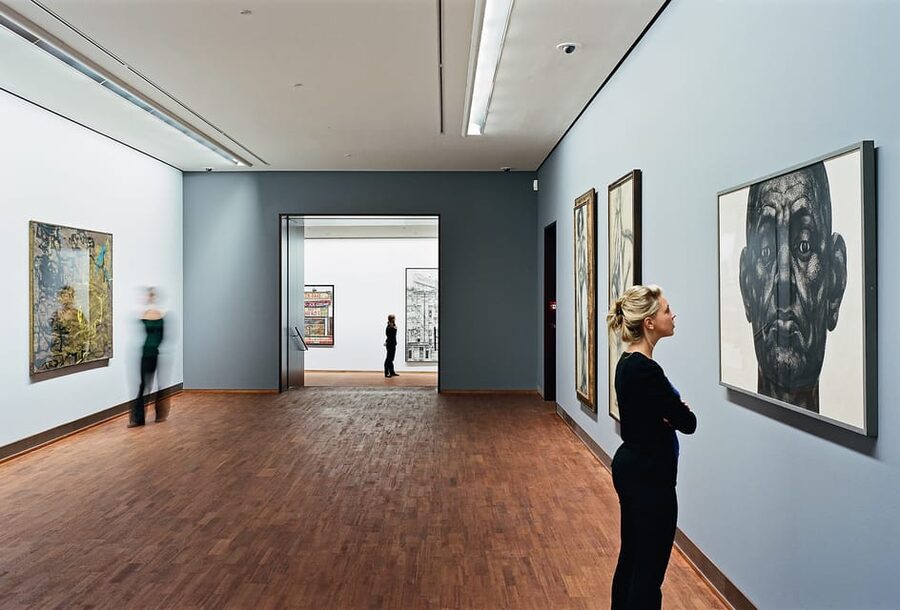
The Albertina is not simply a gallery with a palace attached. The building shapes the visit. You move from grand imperial rooms into galleries filled with paintings and drawings that helped change European art.
The museum’s permanent presentation, Monet-Picasso, is the main draw for many people. It traces a broad path from French Impressionism to later modern art, with German Expressionism, Russian avant-garde works, and Austrian art included along the way.
That arrangement is useful if you know the famous names but not the full story between them. You can see how artists moved away from strict realism, experimented with color and form, and eventually pushed painting toward abstraction and other new directions.
I especially like this approach for a short Vienna visit. You do not need to understand every artistic movement before arriving. The galleries give you a readable framework, and the names provide plenty of familiar stopping points.
The collection includes works by Monet, Degas, Van Gogh, Chagall, Goncharova, Kokoschka, Klimt, and Picasso. Picasso receives especially strong attention, with works from his early Cubist period through his more experimental later years.
Do keep your expectations measured. The Albertina is not a complete history of every artist, and the number of works by the biggest names can feel modest if you arrive expecting a giant Monet or Picasso survey. The pleasure comes from seeing important works in a wider sequence, not from checking off every famous painting.
Starting With Monet, Picasso, and the Story of Modern Art
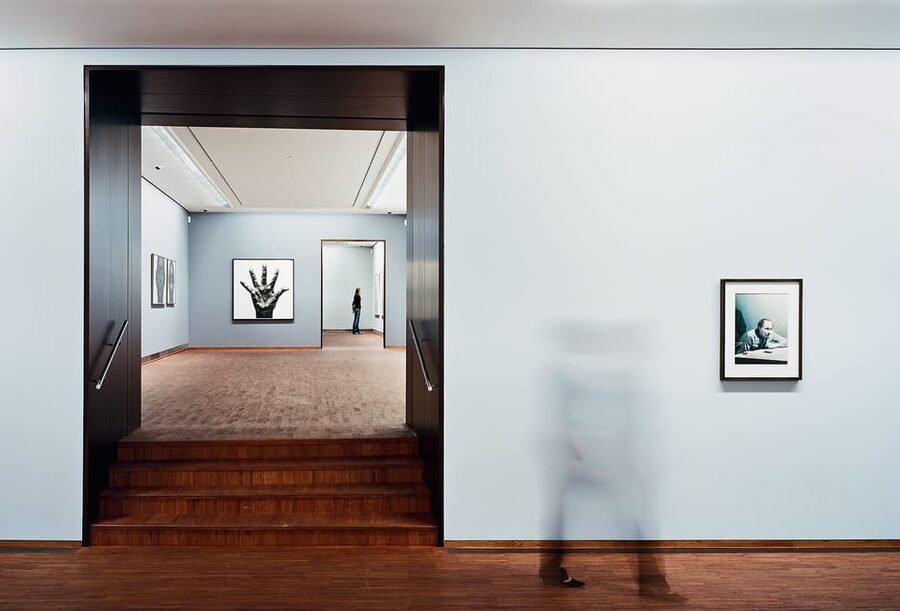
The permanent display is best approached as a visual story rather than a list of rooms. Start with the earlier modern artists, then follow the changes in technique and subject as you move forward.
Monet’s paintings reward close attention to color and atmosphere. The water-lily subject is one of the works many people hope to see, though the exact display can change. Degas brings a different interest in movement and everyday life, while Van Gogh adds a more intense and personal force.
The Austrian section gives the museum a strong local connection. Klimt is a major attraction, and the collection includes several of his works. Kokoschka offers another view of Austrian modernism, with a more unsettled and expressive approach.
Picasso’s rooms are a natural climax. His Cubist works can look puzzling if you expect a traditional portrait or still life, but the surrounding presentation helps you see them as part of a long period of testing and reinvention.
I recommend taking the room order seriously at first. The numbered layout helps you follow the intended route, although the museum’s overall signage can be less clear than you might want. If you prefer to wander, you can do so, but you may miss the intended progression.
The galleries are spacious, and the works are generally displayed with enough room for close viewing. That matters at the Albertina. You can spend time with a painting without always being pushed along by a crowd, though popular periods and temporary shows can become much busier.
Other imperial addresses in Vienna:
- Vienna: Skip-the-Line Sisi Museum, Hofburg and Gardens Tour
★ 4.8 · 5,918 reviews - Vienna: Imperial Treasury in the Hofburg Palace
★ 4.4 · 1,791 reviews - Vienna: Imperial Crypt Entrance Ticket
★ 4.6 · 1,507 reviews
The Habsburg Rooms Above the Historic Center
The State Rooms provide a sharp change of mood from the art galleries. Around 100 years of Habsburg residence are represented in 20 restored rooms, decorated in the classic style favored by the imperial court.
Look for the details rather than rushing through. The rooms include elaborate wall coverings, chandeliers, fireplaces, stoves, marquetry, and Louis-seize furniture connected with French royal workshops in Paris and Versailles.
The rooms are not just decorative pauses between exhibitions. They explain the building’s original purpose and give you a feel for the scale and ceremony of Habsburg life. The polished surfaces and formal arrangements make the paintings downstairs feel even more modern by contrast.
If you visited Schönbrunn Palace, the Albertina rooms make a useful companion stop. Schönbrunn gives you a larger palace setting, while the Albertina places court life beside major European art in a compact central location.
The State Rooms can also appeal to people who do not usually spend much time in museums. The rooms are visually immediate, and you do not need specialist art knowledge to appreciate them.
Allow enough time for this section. It is easy to spend all your energy on Monet and Picasso, then realize you have hurried through one of the most distinctive parts of the building.
Temporary Exhibitions Change the Value of Your Ticket
The temporary exhibitions are an important part of the Albertina experience. Your admission includes the temporary exhibition areas, but the subjects change throughout the year.
For 2026, the program includes:
- Lisette Model: Retrospective, through February 22
- Fascination Paper: Rembrandt to Kiefer, through March 22
- Leiko Ikemura: Motherscape, through April 6
- Honoré Daumier: Mirror of Society, February 6 through May 25
- Care Matters: An Exhibition of the VERBUND COLLECTION, March 12 through June 28
- Richard Prince: Retrospective, April 17 through August 16
- Helga Philipp: Spaces of Motion, May 1 through September 20
- Collecting for the Future: 250 Years of the ALBERTINA Museum, June 16 through October 11
- Travel Photography, July 15 through October 26
- Picasso and Bacon: What it means to be human, September 18 through January 31, 2027
- Women Artists of the Albertina, October 30 through January 17, 2027
- Shara Hughes, October 9 through February 28, 2027
Check the dates carefully before booking. An exhibition that makes the Albertina especially attractive to you may not be open during your visit.
The changing program also means that a second visit can feel quite different. Past exhibitions have included artists such as Robert Longo and Eva Beresin, and some special displays have focused on photography, works on paper, or modern themes rather than one familiar painter.
Temporary exhibitions can add real value to the $23 admission price. If the special show matches your interests, the ticket covers a full museum visit rather than only the permanent collection. If you are visiting during a quiet period with a smaller exhibition schedule, the permanent galleries and State Rooms still provide the core experience.
How Long You Need Inside
Give yourself at least two hours for a normal visit. That allows time for the main permanent display, a look at the Habsburg rooms, and one temporary exhibition without racing.
You may need four or five hours if you read every label, use the audio guide, or want to study the drawings and paintings closely. One careful visitor spent most of the day inside, arriving late in the morning and leaving in the afternoon.
A short visit can still work. Focus on the following:
- Monet-Picasso
- Picasso’s later rooms
- Klimt and Austrian art
- The Habsburg State Rooms
- The current temporary exhibition
The Albertina is also a sensible rainy-day choice. Much of the experience is indoors, and the central location makes it easy to combine with the Hofburg, the State Opera, or a walk along Kärntner Straße.
Try to arrive in the morning if you want quieter galleries. The museum can fill as the day goes on, especially when a popular temporary show is running. Public-holiday opening hours can differ, so check the official Albertina website before setting out.
More to book in Vienna
- Vienna Kunsthistorisches Museum Day Admission Ticket
★ 4.6 · 3,690 reviews - Vienna: Chocolate Workshop in Chocolate Museum w/ Tasting
★ 4.5 · 1,802 reviews - Sigmund Freud Museum Ticket
★ 4.6 · 1,668 reviews - Vienna: St. Stephen’s Cathedral & Dom Museum Wien Tickets
★ 4.5 · 1,652 reviews
Audio Guides, Labels, and Finding Your Way
An audio guide can be booked separately in German, English, French, Italian, Czech, Russian, Japanese, and Spanish. The available languages vary by time and season, so a particular language is not guaranteed.
The written labels are useful, and the museum gives enough background for you to follow the main artistic changes without an audio guide. I would add the guide if you enjoy detailed context or plan to spend several hours inside.
The audio guide does not describe every painting. That is worth knowing before you pay for it. It works best as a supplement for selected works rather than a complete spoken tour of every gallery.
The numbered areas help create a route, but signage can sometimes be confusing. You may need to pause at room entrances to work out which way to continue or where the exit lies. This is a minor nuisance, not a major obstacle, but it can interrupt the flow of a first visit.
Getting There and Handling Your Belongings
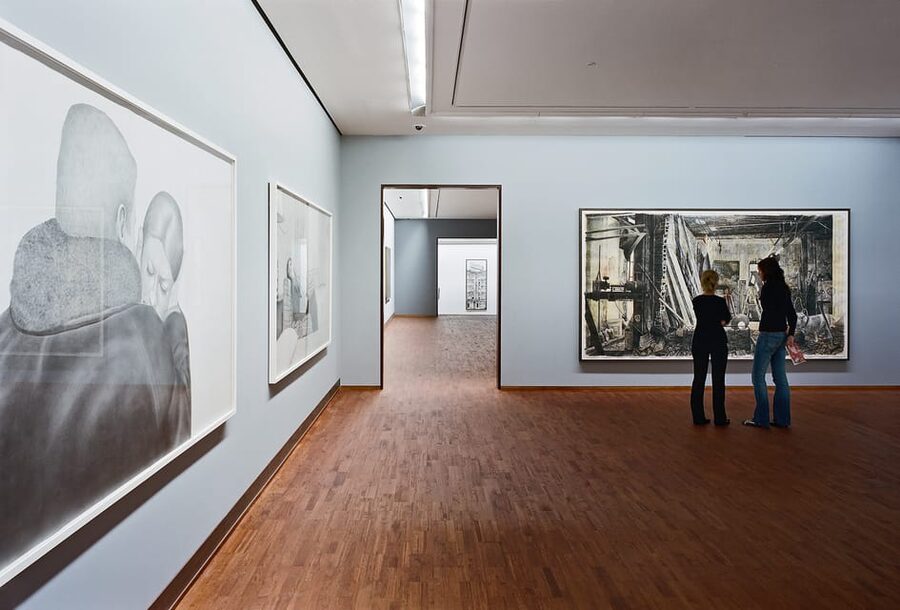
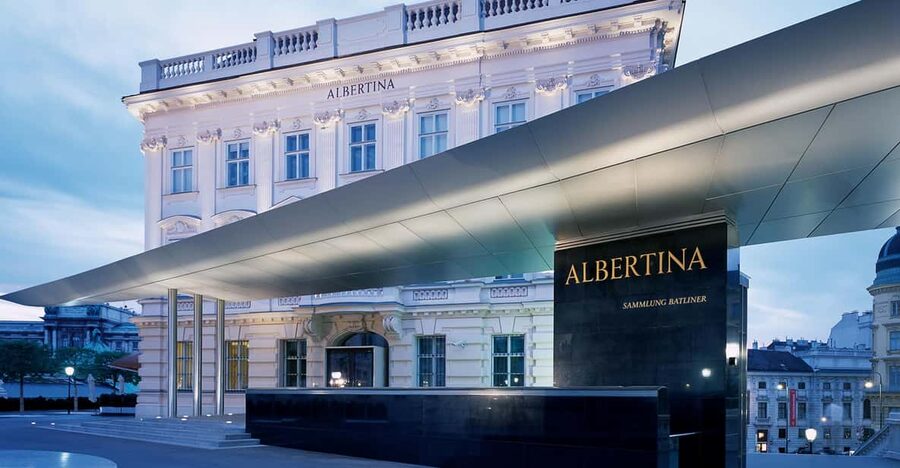
The Albertina is at Albertinaplatz 1 in Vienna’s 1010 district, right in the historic center.
The nearest public transport options include:
- U1, U2, or U4 to Karlsplatz or Oper
- U3 to Stephansplatz
- Tram 1, 2, D, 62, 65, or Badner Bahn to Staatsoper or Kärntner Ring
- Citybus 3A to Albertina
The location is one of the ticket’s practical advantages. You can fit the museum into a central walking day without making a special trip across the city.
Backpacks and umbrellas are not allowed inside. Plan to use the lockers or cloakroom, and carry some cash because payment may be required there. This is the sort of small detail that can slow you down at the entrance if you arrive unprepared.
Some ticket holders have entered easily with a mobile pass, while others have still needed to exchange or scan their ticket at the counter. Do not assume the booking always means you walk straight through without any check-in.
Is the $23 Ticket Good Value?
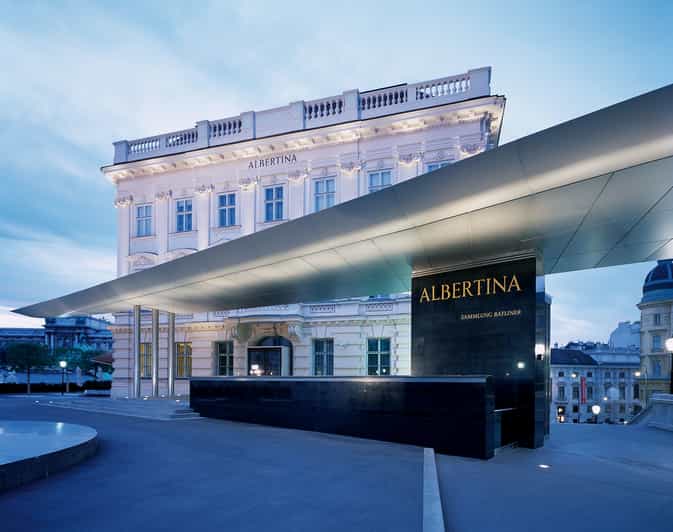
At $23 per person, the ticket is fair value if you plan to see both the main collection and the temporary exhibition. You are paying for three experiences: modern European art, special exhibitions, and imperial State Rooms.
The value is strongest when the current temporary program interests you. It is also good for anyone who wants a major museum visit without committing an entire day.
The ticket is less compelling if you only want to see one specific Monet or Picasso and expect a large number of works by that artist. The Albertina’s strength is its broad selection and setting, not a single enormous specialist collection.
A combo ticket may be available for the main Albertina and other Albertina venues. If you are considering both locations, compare the extra cost with your available time. A previous visit to both sites found the added expense worthwhile, but you should not buy the combination simply because it exists. One well-planned Albertina visit is already enough for many people.
Free cancellation up to 24 hours before the visit and reserve-now, pay-later booking make this easier to fit into a changing Vienna schedule. The ticket is valid for a period of one to 365 days, with the available starting times shown when you check dates.
A Pause at Demel Near the Albertina
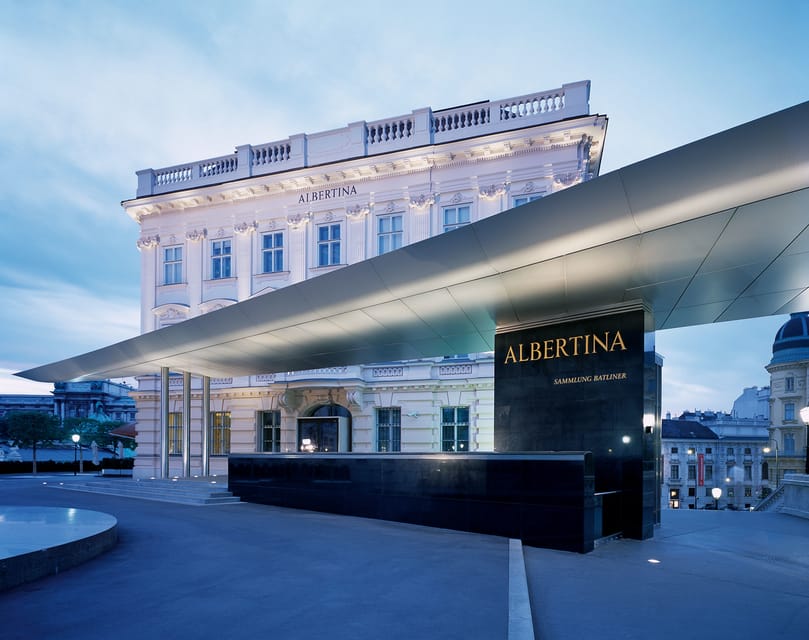
Demel Café is on-site, and its location makes it a tempting stop after the galleries. A slice of Viennese cake can feel well earned after several hours of art and palace rooms.
The café is not the best choice if you are watching your budget. A coffee and bottled water can cost close to €8, so I would compare the menu before ordering or use one of the less expensive nearby cafés.
This is a small point, but it matters because the Albertina sits in one of Vienna’s most expensive central areas. The museum ticket can be good value even if refreshments inside are not.
Who Will Enjoy the Albertina Most?
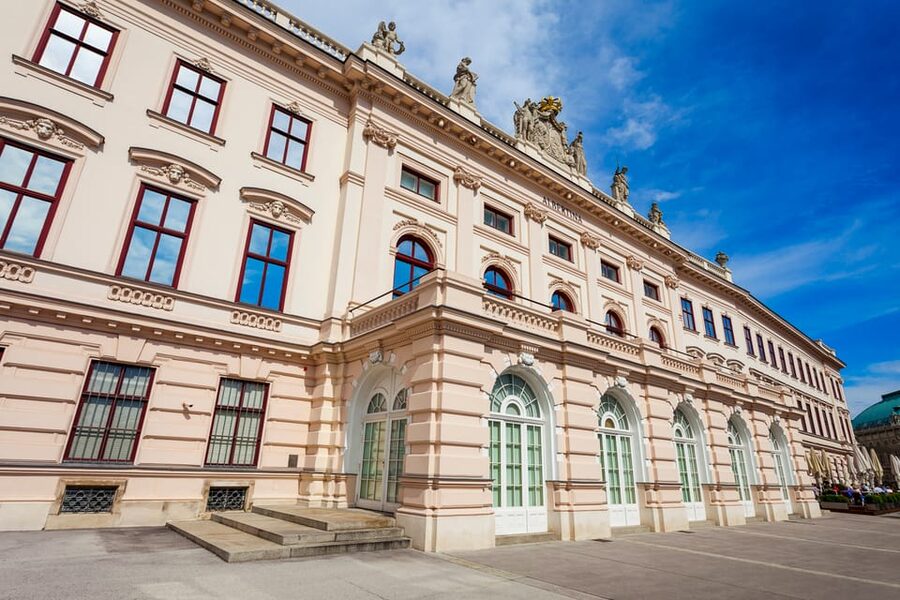
I would recommend this museum to:
- First-time Vienna visitors who want art and imperial history in one stop
- People who know major artists by name but want an approachable introduction
- Art lovers interested in Impressionism, Expressionism, Austrian art, or Picasso
- Visitors looking for a strong rainy-day activity
- Anyone comparing the Albertina with larger, more exhausting museums
- Families or mixed groups who need both paintings and decorative rooms
It may be less suitable if you want a single-artist museum, a highly detailed audio tour of every work, or a completely quiet experience during a busy special exhibition.
The compact layout is helpful, but the full program can still be demanding. If you are not a regular museum visitor, pick a few sections rather than trying to give equal attention to every room.
Should You Book the Albertina?
Book it if you want a central Vienna museum with a strong mix of modern art, Austrian works, temporary exhibitions, and Habsburg interiors. The combination is unusual, and the State Rooms add genuine value to an already worthwhile art collection.
Before buying, check the 2026 exhibition dates and decide how much time you have. Arrive with a small bag, bring cash for the cloakroom, and allow at least two hours.
I would choose the Albertina over a larger museum when you want a focused visit with famous names, clear artistic progression, and a memorable historic setting. If Monet or Picasso is your only goal, check the current display first so your expectations match what is actually on the walls.
FAQ
Where is the Albertina Museum?
The Albertina is at Albertinaplatz 1, A-1010 Vienna, in the city’s historic center.
How much does admission cost?
The listed price is $23 per person.
What does the ticket include?
The ticket includes admission to the Albertina and the temporary exhibition on display during your visit.
Is the Monet-Picasso exhibition permanent?
Monet-Picasso is described as the permanent exhibition presenting major artistic styles from French Impressionism, German Expressionism, Russian avant-garde art, and Austrian art.
Are the Habsburg State Rooms included?
Yes. The visit includes 20 restored Habsburg State Rooms in the museum building.
How long should I spend at the Albertina?
Allow at least two hours for a typical visit. If you read the labels carefully or use the audio guide, you may need much longer.
Is an audio guide included?
No. Audio guides must be booked separately and may be available in German, English, French, Italian, Czech, Russian, Japanese, and Spanish. Specific languages are not guaranteed.
Can I bring a backpack or umbrella?
No. Backpacks and umbrellas are not allowed inside the museum.
Can I cancel the booking?
You can cancel up to 24 hours in advance for a full refund. Reserve-now, pay-later booking is also available.
Just added in Vienna
- 3 hour private tour in Vienna by private car★ 4.4 · 6 reviews
- Private Christmas Markets Walking Tour Vienna★ 5.0 · 31 reviews
- Christmas Markets & Shopping in Vienna★ 5.0 · 17 reviews
- Christmas Market Vienna Tour★ 4.0 · 53 reviews
- Vienna: Christmas Markets Tour★ 4.3 · 99 reviews
- Private Hidden Vienna Walk — Stories Behind Quiet Corners★ 5.0 · 137 reviews
- Konzerte der Wiener Royal Orchester★ 4.5 · 143 reviews
- Mozarthaus Vienna Admission Ticket★ 3.0 · 139 reviews
Hofburg & Imperial Palaces, compared.
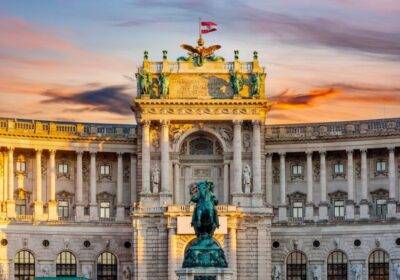
Skip-the-Line Sisi Museum, Hofburg and Gardens Tour
Read our review →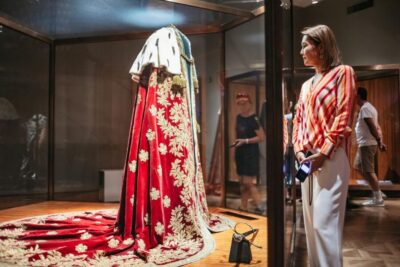
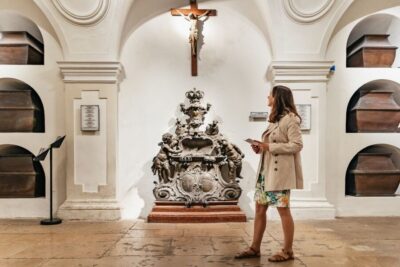
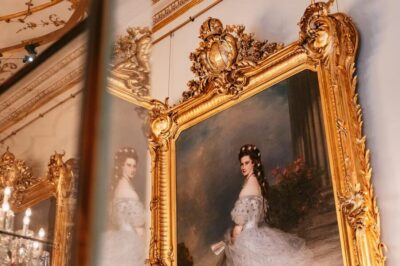
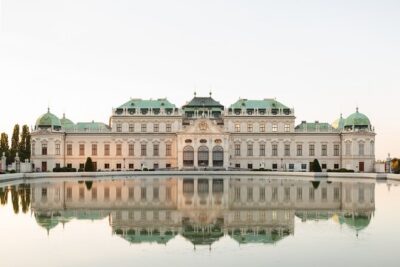
Entry Ticket Upper Belvedere, Klimt’s Kiss & Permanent Collection
Read our review →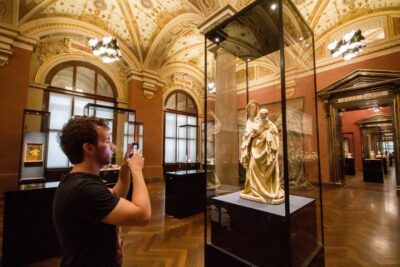
Combo Ticket: Kunsthistorisches Museum & Imperial Treasury
Read our review →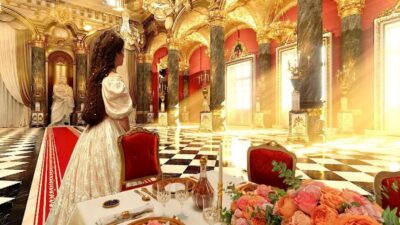
“Sisi’s Amazing Journey” Virtual Reality Experience
Read our review →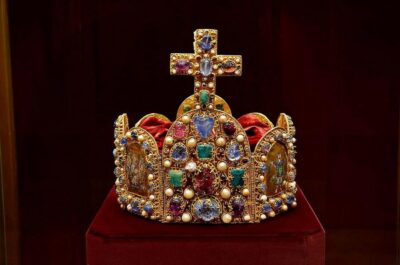
Imperial Treasury & New Hofburg Palace Combo Ticket
Read our review →Browse the lists this tour appears in