
Reviewed · MUSEUMS
Vienna: Skip-The-Line Ticket to the Museum of Technology
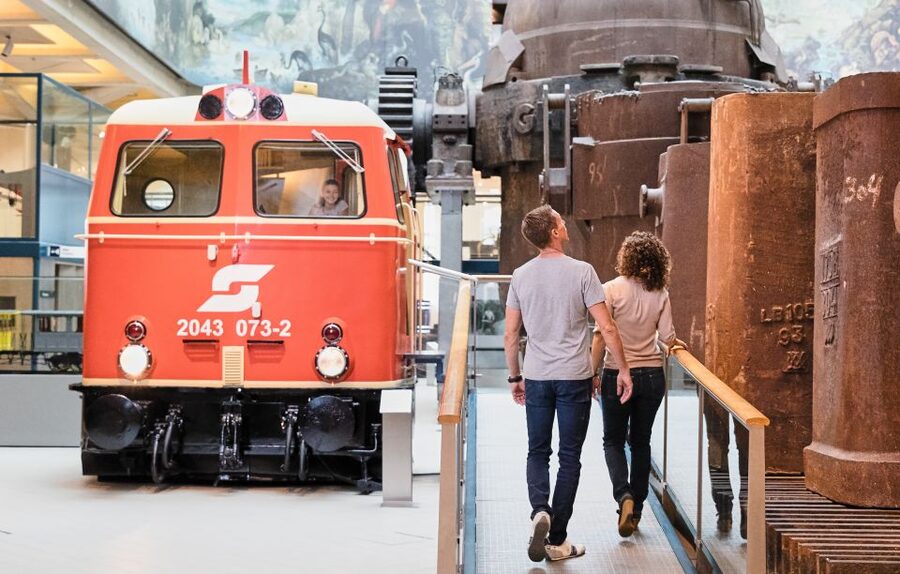
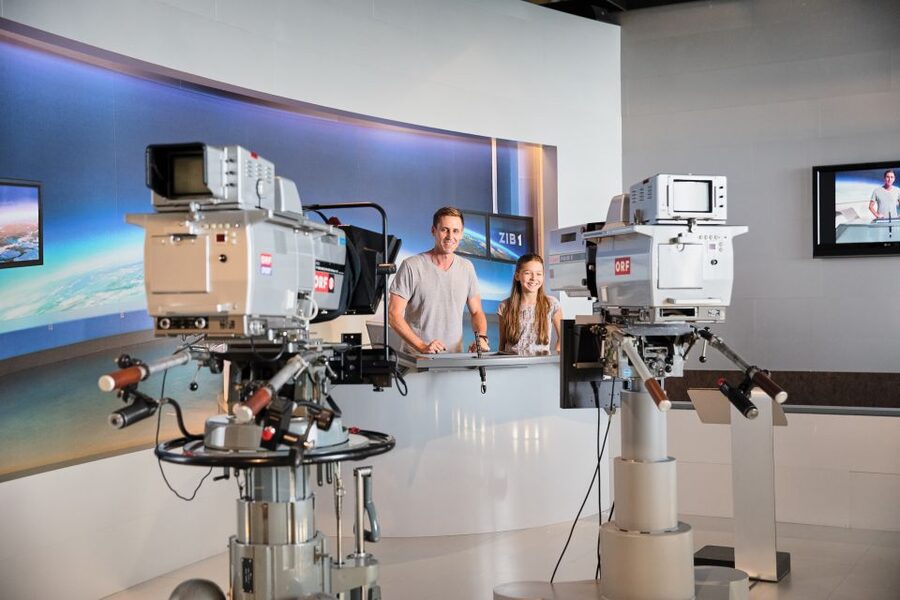
The best reason to visit Vienna’s Museum of Technology is simple: the big machines do things. A working steam locomotive gives the place real energy, while hands-on displays let you connect technology with ordinary life and major changes in history. You can also try anchoring your own news show and see Empress Sisi’s personal horse carriages.
I like the museum’s mix of serious history and playful exhibits, and I like that it works for adults and children together. A recent German-language booking note praised how well the museum is set up for children and advised making a reservation. The main drawback is that this ticket covers admission only, so you should not expect a guided tour or a personal explanation of every display.
Key points to know
- A steam locomotive operates inside the museum, giving the technology exhibits a memorable live element.
- Hands-on displays suit families, with activities that let you test and experience technology rather than only look at it.
- Sisi’s personal horse carriages add royal history to the museum’s focus on machines and engineering.
- A news studio activity puts you in front of the camera, making media technology easy to understand.
- The ticket is valid for one day, with skip-the-line admission and wheelchair access.
- Plan around holiday closures, since the museum shuts on January 1, May 1, December 25, and December 31.
Why the steam locomotive changes the museum visit
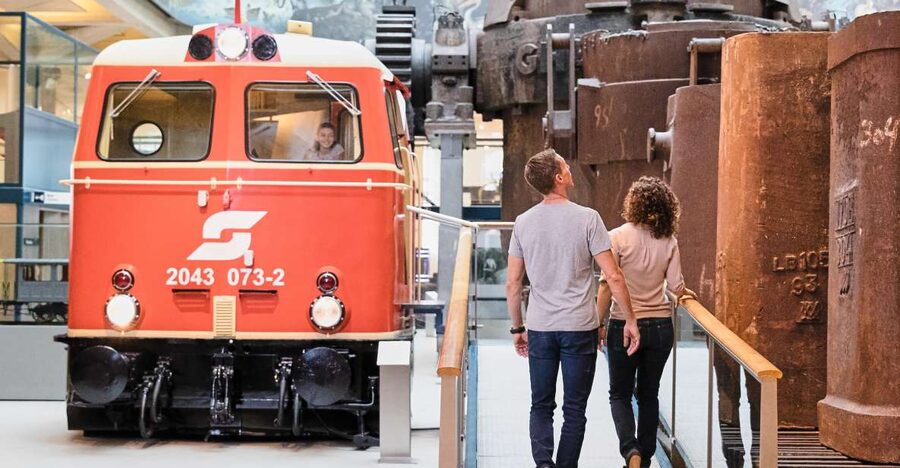
Many technology museums are strongest in their display cases. Vienna’s Museum of Technology has a more physical appeal because you can see a special steam locomotive in action. That matters, especially if you are visiting with children who may lose interest in static objects.
The locomotive also gives the museum a clear historical anchor. Steam power changed transport, industry, travel, and the pace of daily life. Seeing the machine operate helps you understand that change in a direct way. You are not only reading about an old invention. You are watching a working piece of technology show what it could do.
I would make this one of your first priorities inside the museum. Check the current schedule when you arrive, since the information provided for this ticket does not give operating times for the locomotive. If the demonstration has a set schedule, plan the rest of your visit around it rather than hoping to catch it by chance.
The museum looks at technology across more than 100 years. That long time span is useful because it shows development as a chain of changes, not as a collection of isolated inventions. One machine solves a problem, that solution changes daily life, and a new problem appears. The museum’s displays place historic objects in their cultural setting, which helps you think about why each development mattered.
More to book in Vienna
- Vienna: Skip-the-Line Sisi Museum, Hofburg and Gardens Tour
★ 4.8 · 5,918 reviews - Vienna Kunsthistorisches Museum Day Admission Ticket
★ 4.6 · 3,690 reviews - Tickets for the Albertina Exhibitions
★ 4.7 · 2,126 reviews
Hands-on technology for children and adults
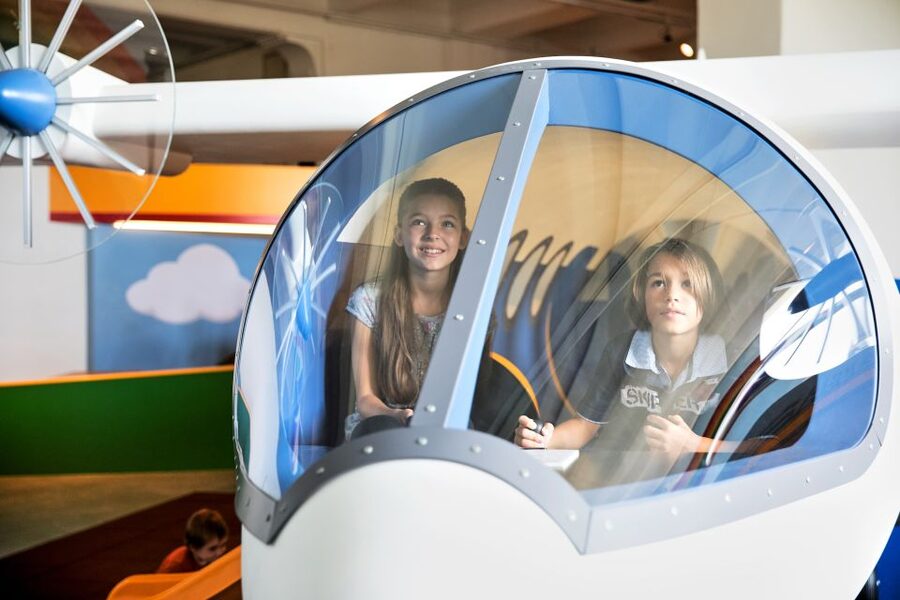
The museum’s central idea is that technology should be experienced. You can handle, test, and observe different forms of technology instead of simply walking past labels. That approach makes the visit particularly useful for families, since children can take part while adults add the historical context.
A recent five-star German-language booking note described the museum as especially well suited to children and said that a reservation is required. That fits the practical side of this visit: do not treat it as an unplanned walk-in stop if you are visiting during a busy period. Check availability and reserve your time before you go.
The hands-on format also helps adults who are not devoted to engineering. You do not need a technical background to understand the basic point of an exhibit when you can see how it works or take part in an activity. The museum presents science and technology as forces that shape everyone’s routine, from communication to transport and work.
I would allow plenty of time rather than trying to squeeze this into a short gap between other sights. The ticket is valid for one day, not just a narrow entry window, so you have room to move at your own pace. The exact amount of time you need depends on how closely you use the interactive stations and how long you spend at the larger historic objects.
Taking your place behind the news desk
One of the more unusual activities lets you anchor your own news show. This brings communication technology down to a human scale. Instead of only learning how broadcasting works, you get to think about the role of the presenter and the process of delivering information to an audience.
For children, it is an easy entry point. They can perform, experiment, and see how a television or news presentation is built. Adults may find the activity useful because it connects technical equipment with the social effect of mass communication. Technology is not just machinery. It changes how people receive news and understand events.
This is also the kind of exhibit that gives your group something to do together. One person can take the presenter’s role while others watch and participate. Since no guide is included with the admission ticket, these interactive stations help supply structure to your visit.
Do not expect a guided television production or a long demonstration led by museum staff. The appeal is that you take part yourself. If your group prefers quiet displays and technical detail, you may spend less time here. If you enjoy activities that make a museum feel less formal, this should be a highlight.
Sisi’s horse carriages add a royal connection
The museum’s display of Empress Sisi’s personal horse carriages brings a very different subject into the visit. These objects connect transport technology with court life, status, design, and the practical limits of travel before modern vehicles took over.
The carriages are valuable because they show technology as something shaped by culture. Engineering is not only about speed or power. A carriage also reflects how people traveled, who used it, what comfort meant, and how public image influenced design.
This section can appeal to you even if machines are not your main interest. It gives the museum a human and historical angle, while the wider collection shows how transport changed over time. You move from royal carriages to larger industrial systems and powered machines, gaining a sense of how travel developed across different eras.
The available information does not specify how many carriages are displayed or how long this section takes. Treat it as one important stop within a broad museum rather than a separate Sisi attraction. If your main goal is imperial history, this will be a supplement to Vienna’s other royal sights, not a replacement for them.
A different kind of evening in Vienna:
- Vienna: Vivaldi’s Four Seasons Concert in Karlskirche
★ 4.7 · 14,951 reviews - Vienna: Spanish Riding School Training
★ 3.9 · 9,281 reviews - Vienna: Skip-the-cashier-desk-line Giant Ferris Wheel Ride
★ 4.5 · 7,859 reviews - Vienna: Schönbrunn Palace & Gardens Skip-the-Line Tour
★ 4.7 · 7,739 reviews
Technology presented in its cultural setting
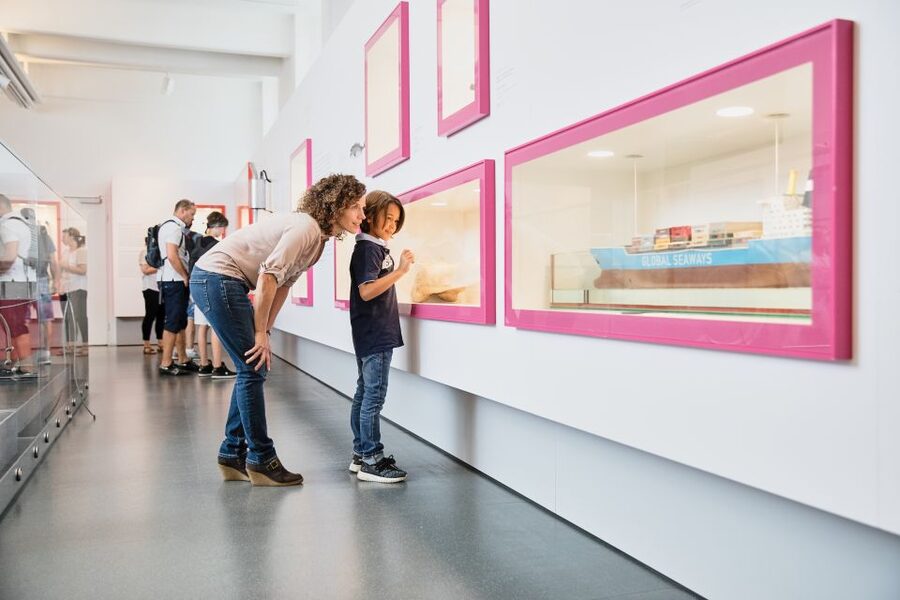
The museum has more than a century of experience as an institution devoted to technology. Its purpose is not simply to show old machines. The exhibits look at how inventions influence history and how technology affects daily life.
That context is the museum’s greatest educational value. A locomotive, carriage, broadcast setup, or other historic object becomes more meaningful when you consider the problem it addressed and the changes it caused. You can reflect on how quickly development now moves and why new technology creates fresh challenges as often as it solves old ones.
I appreciate that the museum invites you to think about technology rather than treating every invention as automatic progress. The collection can help you ask practical questions: Who benefited from a new machine? How did it change work or travel? What new responsibilities came with it?
Because the ticket includes admission without a guide, your experience will depend on how much time you give the displays. Read the explanations, try the hands-on elements, and pause at the larger objects. A quick sweep through the galleries will give you impressive sights, but a slower visit will give you a better sense of how technology shaped society.
What the $21 ticket is worth
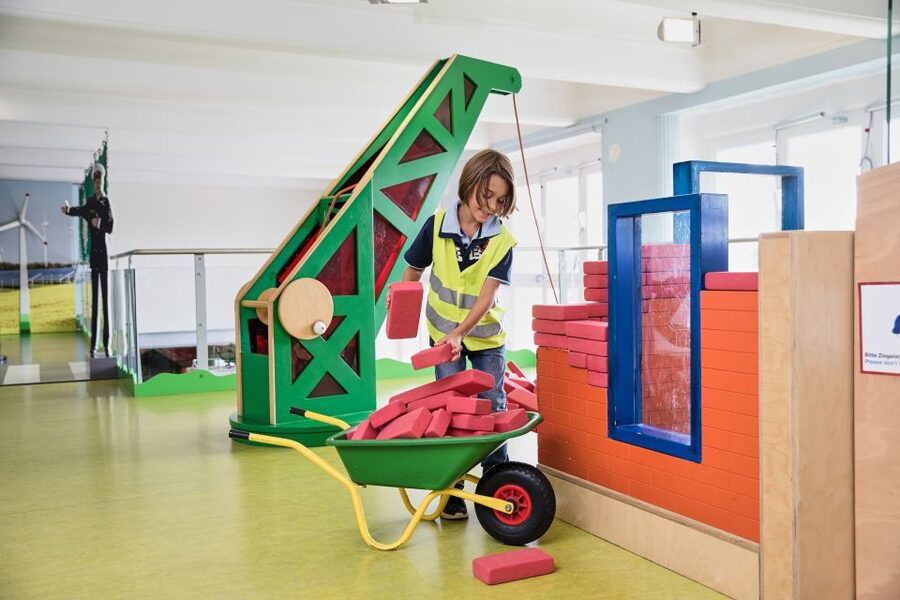
At $21 per person, the ticket offers good value if you plan to spend several hours in the museum and use the interactive exhibits. You are paying for access to a broad collection, working technology, historic transport objects, and activities that suit different ages. The one-day validity gives you flexibility inside the museum rather than forcing a hurried visit.
The value is less clear if you only want to see one famous object. This is a large subject area, and the museum’s strength is its range. You should choose it when you want a full technology-focused visit, not when you have only a few minutes free.
Skip-the-line entry adds practical value, especially if the museum is busy or you are traveling with children. It lets you avoid the ticket queue and get started inside. It does not mean that every exhibit or locomotive demonstration will be immediately available, so still check the day’s arrangements when you arrive.
Since this is not a guided tour, there is no added cost for a guide, but there is also no expert leading you through the collection. I see that as a fair trade for independent visitors and families who want to set their own pace. If you prefer a carefully narrated tour, this ticket alone may feel limited.
Access, booking, and days to avoid
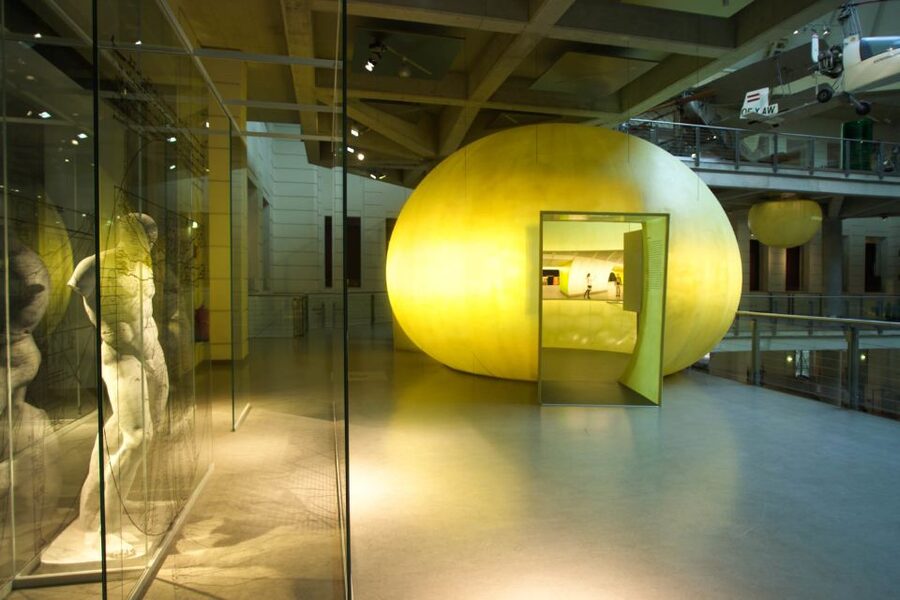
The museum is wheelchair accessible, which makes the admission suitable for visitors who need step-free access. The available information does not provide detailed accessibility notes for every individual exhibit, so you may want to confirm any specific requirements before booking.
You can reserve now and pay later, which helps if your Vienna plans are still changing. The ticket allows free cancellation up to 24 hours in advance for a full refund. Check availability for the starting times shown during booking, and remember that the museum is closed on January 1, May 1, December 25, and December 31.
The ticket is valid for one day. That means you should choose a date when you can give the museum enough attention, rather than adding it as a rushed final stop. The child-friendly design makes it a sensible choice for families, while the historic objects and social context give adults plenty to consider.
Who should book this museum ticket?
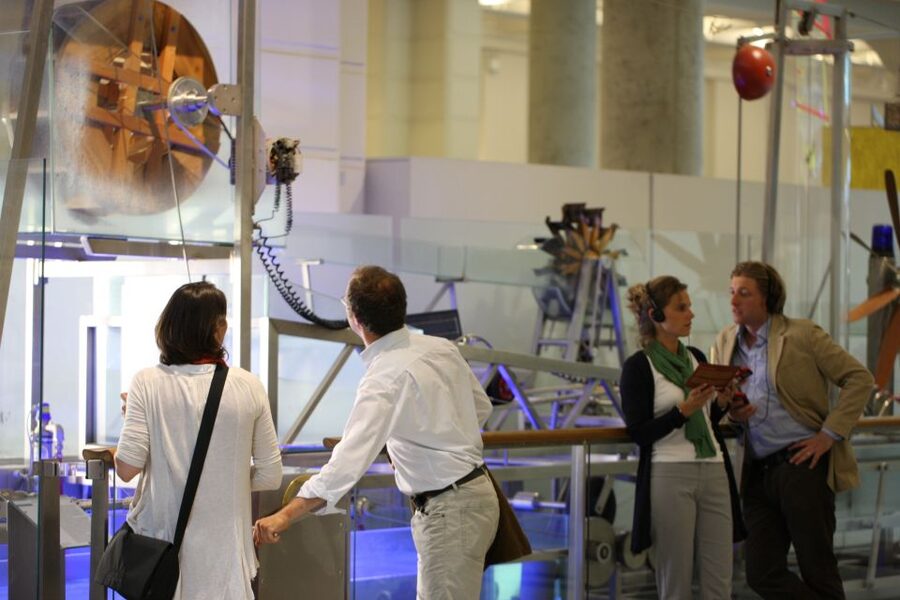
I would recommend this visit to families, curious adults, and anyone who likes museums with things to do. The combination of a working steam locomotive, broadcasting activity, royal carriages, and historical technology gives the day a useful variety.
It is also a good choice on a Vienna day when outdoor sightseeing is less appealing. The museum gives you a substantial indoor activity without reducing technology to dry technical facts.
You may want to skip it if your Vienna schedule is extremely tight or if you only want traditional art and imperial sights. The museum is broad, and the ticket works best when you are willing to explore rather than rush straight to one object.
FAQ
Where is this experience located?
It takes place at the Museum of Technology in Vienna, Austria.
How much does admission cost?
The listed price is $21 per person.
How long is the ticket valid?
The ticket is valid for one day.
Does the ticket include skip-the-line entry?
Yes. Skip-the-line admission is included.
Is a guide included?
No guided service is listed. The ticket includes admission only.
Can I see a steam locomotive in action?
Yes. The museum features a special steam locomotive in operation.
Is the museum wheelchair accessible?
Yes. The activity is listed as wheelchair accessible.
When is the museum closed?
The museum is closed on January 1, May 1, December 25, and December 31.
Should you book it?
Book this ticket if you want an active museum visit with enough variety for both children and adults. The steam locomotive and news studio make the technology easy to experience, while Sisi’s carriages and the historical displays add context beyond machinery.
At $21, the ticket is a sensible buy for a half-day or longer visit, especially with skip-the-line entry and one-day validity. Reserve ahead, pay attention to the closure dates, and do not expect a guided tour. If those limits suit your plans, Vienna’s Museum of Technology is one of the city’s more practical choices for learning through action.
Just added in Vienna
- 3 hour private tour in Vienna by private car★ 4.4 · 6 reviews
- Private Christmas Markets Walking Tour Vienna★ 5.0 · 31 reviews
- Christmas Markets & Shopping in Vienna★ 5.0 · 17 reviews
- Christmas Market Vienna Tour★ 4.0 · 53 reviews
- Vienna: Christmas Markets Tour★ 4.3 · 99 reviews
- Schmetterlinghaus – Imperial Butterfly House Vienna Admission Ticket★ 3.5 · 144 reviews
- Salzburg Small-Group Day Trip from Vienna★ 5.0 · 148 reviews
- Vienna Residence Orchestra: Mozart and Strauss Concert★ 4.0 · 137 reviews
Museums, compared.

Skip-the-Line Sisi Museum, Hofburg and Gardens Tour
Read our review →
Vienna Kunsthistorisches Museum Day Admission Ticket
Read our review →

Chocolate Workshop in Chocolate Museum w/ Tasting
Read our review →
St. Stephen’s Cathedral & Dom Museum Wien Tickets
Read our review →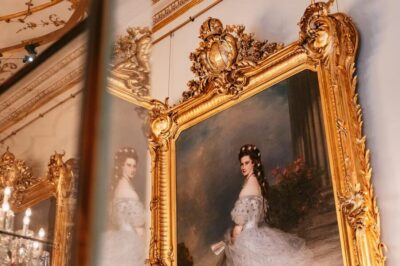
Browse the lists this tour appears in