
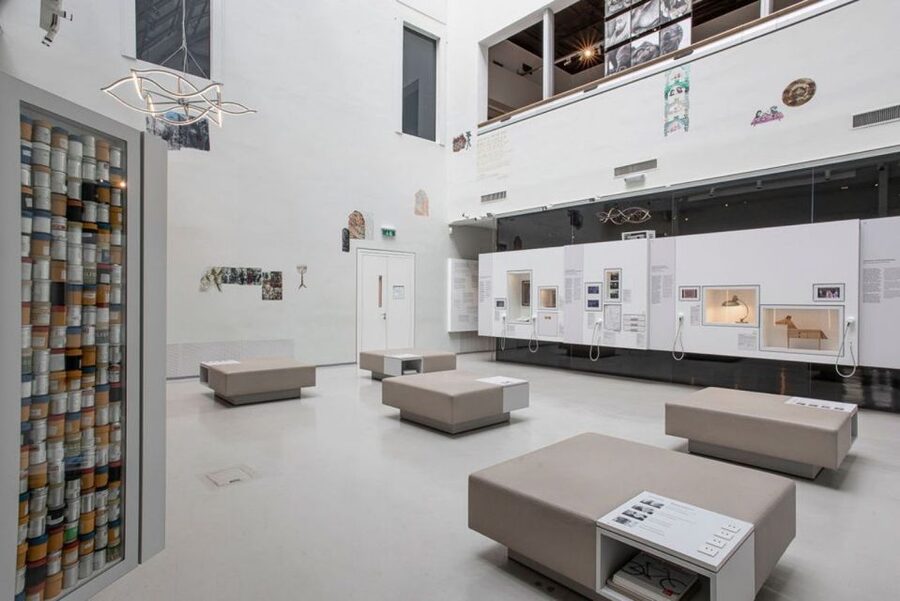
Reviewed · MUSEUMS
Vienna: Jewish Museum Vienna and Museum Judenplatz Tickets
Vienna’s two Jewish museums tell a story that the city’s grand palaces and concert halls cannot. At Dorotheergasse, you move from Jewish life after 1945 back through the Middle Ages and the Holocaust. At Judenplatz, you see the foundations of a medieval synagogue and a 3D reconstruction that makes the vanished building easier to understand. I especially like the two-location ticket and the museum’s frank but measured treatment of persecution, survival, and daily life. One drawback is that some displays feel like reading a carefully arranged book, so visitors who prefer hands-on exhibits may find parts slow.
I also like that the museums cover both present-day Jewish Vienna and the centuries that came before it. The English and German audio guide adds useful context, while guides such as Miki, Wolfgang, and Victoria have helped make some visits more personal. The main point to watch is the ticket timing: the information describes it as valid for three days from first activation, while the included ticket note says four days from issue, so confirm the exact validity when booking.
Key points to know before you go
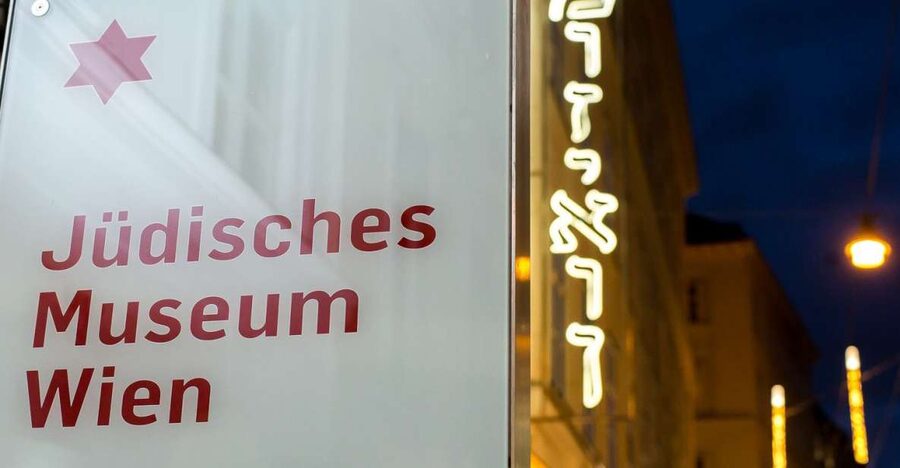
- Start at Dorotheergasse: The old palace near St. Stephen’s Cathedral holds the main permanent exhibition and temporary shows.
- See Vienna in reverse order: Begin with Jewish life from 1945 to today, then go upstairs for the period from the Middle Ages through the Holocaust.
- Do not skip Judenplatz: The foundations and 3D reconstruction of the medieval synagogue give the city’s early Jewish story a physical setting.
- Plan for a quiet, thoughtful visit: Both museums are generally manageable in a morning, with places to sit.
- Use the audio guide: English and German commentary adds background to objects, collections, and historical settings.
- Check the validity dates: The supplied details give both three and four days as the validity period, so verify this before you rely on a later visit.
Two museums, two ways into Jewish Vienna
This is not a single guided walk with a fixed departure time. It is a ticket covering two museums in central Vienna, allowing you to choose how quickly you move and how much time you give each section.
The main house is the Jewish Museum Vienna at Dorotheergasse 11, in Vienna’s first district. Its location near St. Stephen’s Cathedral makes it easy to add to a day of central-city sightseeing. Museum Judenplatz is at Judenplatz 8, also in the first district. The two addresses are close enough to combine without making a special day of transportation.
You can visit both in one morning, as long as you are willing to keep moving. I would prefer to give the main museum more time, then visit Judenplatz afterward. If a temporary exhibition catches your attention, the ticket validity gives you the option of returning later, subject to the exact validity period shown at booking.
More to book in Vienna
- Vienna: Skip-the-Line Sisi Museum, Hofburg and Gardens Tour
★ 4.8 · 5,918 reviews - Vienna Kunsthistorisches Museum Day Admission Ticket
★ 4.6 · 3,690 reviews - Tickets for the Albertina Exhibitions
★ 4.7 · 2,126 reviews
Dorotheergasse begins with Jewish Vienna after 1945
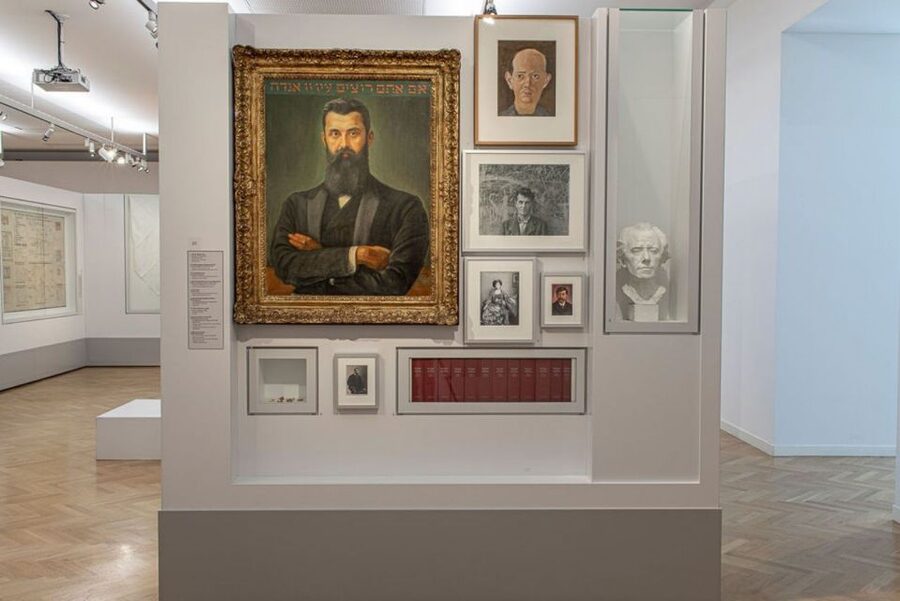
The permanent exhibition at Dorotheergasse, called Our City! Jewish Vienna, Then to Now, starts on the ground floor with the period from 1945 to the present.
That choice matters. Instead of treating Jewish Vienna as a story that ends with the Holocaust, the museum begins with the difficult work of rebuilding. The community had been almost completely destroyed, and postwar Austrian policies did not make its return easy. The exhibits show how Jewish life developed into a modest but varied community despite those obstacles.
For you, this creates a more complete picture of Vienna. Jewish history here is not only a record of medieval settlement, discrimination, expulsion, and Nazi persecution. It is also a story of people returning, creating institutions, maintaining religious life, and making a place in modern Austria.
The postwar section can be especially useful if you know Vienna mainly through imperial architecture or wartime memorials. It asks you to look at the city after 1945, not as a clean break from the past but as a place still dealing with what had happened.
Upstairs, the story moves from the Middle Ages to the Holocaust
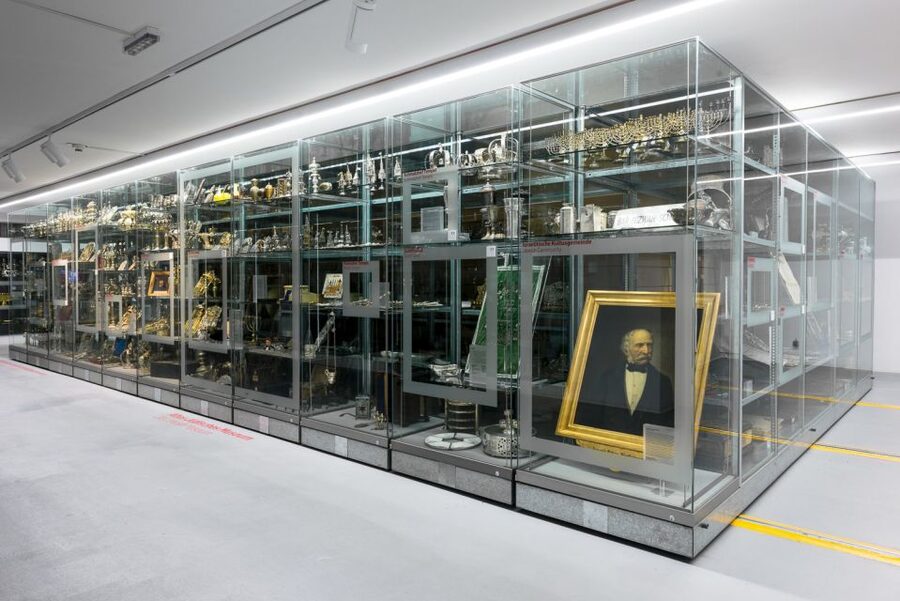
After seeing modern Jewish Vienna, you go to the second floor for the earlier story, from the Middle Ages through the Holocaust.
The museum places objects within historical context and identifies their original settings when that information is available. Some items are linked to synagogues. Others are connected with collectors such as Max Berger and Martin Schlaff. That approach helps you see objects as part of lived Jewish communities rather than as isolated pieces in glass cases.
The sequence also gives you a useful warning about Vienna’s polished historic center. The streets around St. Stephen’s Cathedral may look timeless, but Jewish life in the city changed repeatedly under pressure from rulers, religious hostility, legal restrictions, and violence.
The museum does not treat suffering as a spectacle. It is direct about discrimination and destruction, yet it also shows work, worship, family life, learning, and community organization. That balance is one of the strongest reasons to include this visit in a Vienna itinerary.
Some sections depend heavily on written interpretation. If you enjoy reading, you can spend hours with the material. If you want a faster, more visual museum, you may find the pace slow. The audio guide helps by offering another route through the displays in English or German.
Museum Judenplatz puts the medieval story under your feet
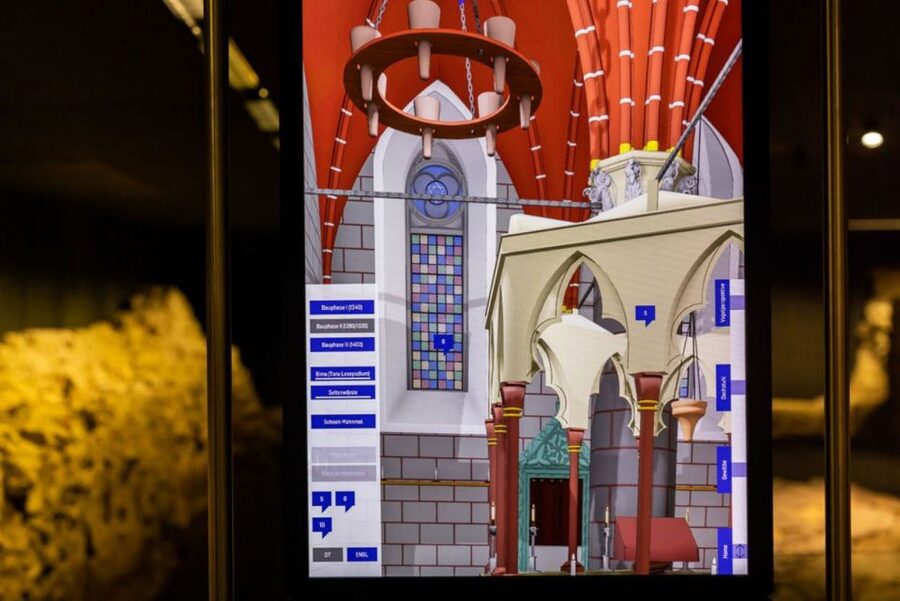
Judenplatz gives the older part of the story a physical anchor. The museum presents the foundations of the medieval synagogue, along with a 3D reconstruction of what the building may have looked like.
You do not simply read that a medieval Jewish community existed in Vienna. You see the remains of a building connected to that community. The foundations make the history more concrete, while the reconstruction helps you picture the synagogue as an active place rather than a lost archaeological outline.
This museum is smaller in scope than the Dorotheergasse location, but that is part of its strength. It gives you a focused visit and helps explain the medieval Jewish quarter. The Judenplatz stop works best after, or alongside, the older-history section at Dorotheergasse.
Allow enough time to look closely rather than treating it as a quick photo stop. The displays are designed for thought and interpretation, not speed. Places to sit are available at both museums, which helps if you want to read carefully or need a pause between sections.
A different kind of evening in Vienna:
- Vienna: Vivaldi’s Four Seasons Concert in Karlskirche
★ 4.7 · 14,951 reviews - Vienna: Spanish Riding School Training
★ 3.9 · 9,281 reviews - Vienna: Skip-the-cashier-desk-line Giant Ferris Wheel Ride
★ 4.5 · 7,859 reviews - Vienna: Schönbrunn Palace & Gardens Skip-the-Line Tour
★ 4.7 · 7,739 reviews
Temporary exhibitions add a second layer
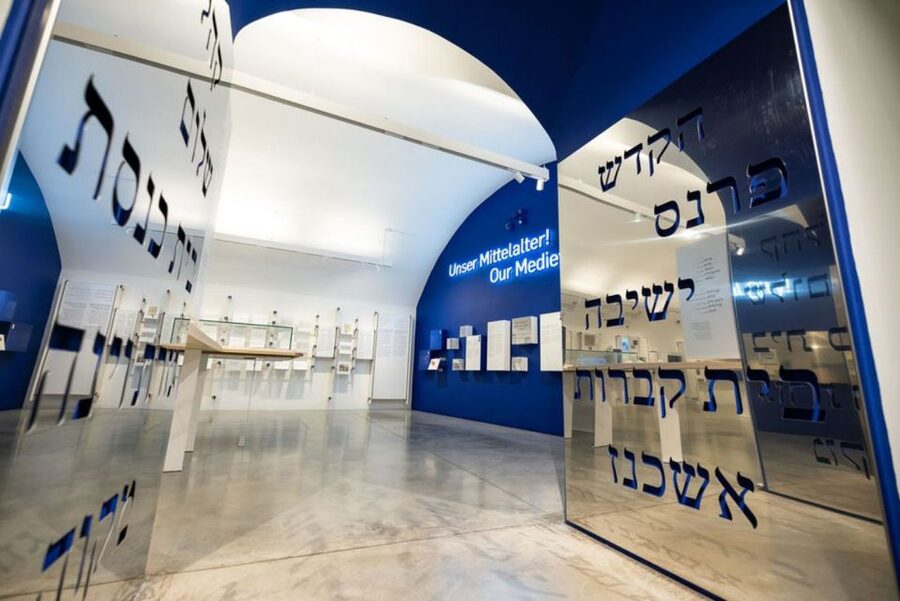
Both locations present temporary exhibitions and events. These displays may focus on different parts of Jewish history, religion, culture, or life in Austria.
This makes the ticket more useful than a visit limited to one permanent display. A temporary exhibition can give you a narrower subject and a different style of presentation. It may also change the balance of your visit, depending on what is showing during your time in Vienna.
Because the specific temporary programs change, check the current schedule before you go if a particular subject matters to you. The permanent exhibitions provide the main reason to visit, while the temporary displays can add a fresh angle.
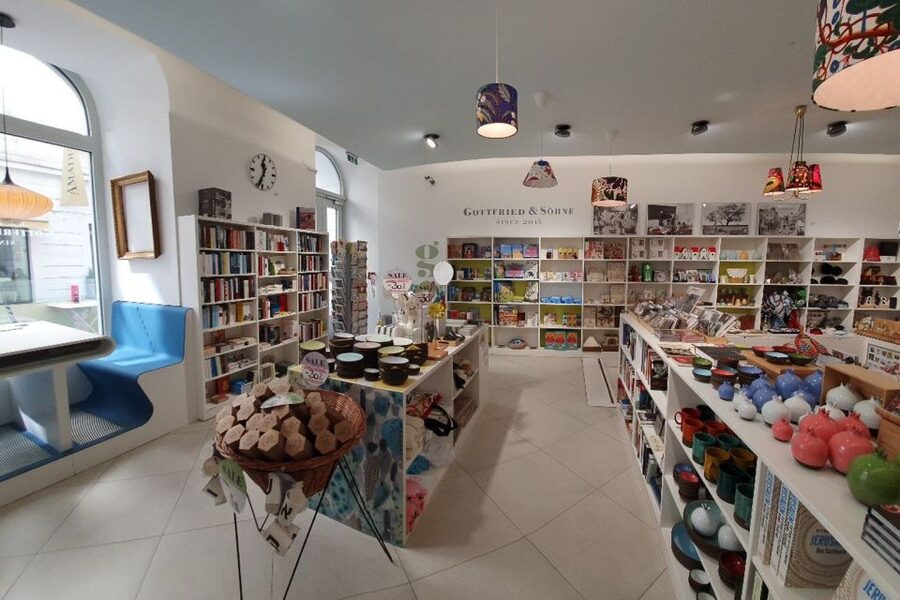
The museum shop is another small but worthwhile stop. It sells books, including fine books connected with Jewish history and culture. English-language availability may vary, so do not assume every title will be offered in English. If you want to continue studying the subject, the shop can point you toward further reading, but inspect the language and subject before buying.
What the audio guide and live guides add
The ticket includes an audio guide in English and German. That is important because the displays contain a good deal of historical material, and a short label cannot always explain the political or religious setting of an object.
Use the guide selectively. You do not need commentary for every case. I would use it for sections where the timeline becomes complicated, for objects tied to particular synagogues or collectors, and for the medieval synagogue material at Judenplatz.
Some visits connected with these museums have included live guides named Miki, Wolfgang, and Victoria. Miki has led a detailed visit. Wolfgang has explained the history of Jews in Vienna in a creative way, including outdoor discussion and practical efforts to find shade. Victoria has provided background on a synagogue and current events connected with it.
Do not assume a live guide is part of this basic museum ticket. The stated inclusion is the ticket for both locations and an English or German audio guide. If a personal guide is important to you, check the exact product before paying.
How long should you allow?
The activity information describes the ticket as valid for three days from first activation. The included details also say the tickets are valid for four days from the date of issue. Since those statements do not match, confirm the current rule when you book.
In practical terms, both museums can fit into a morning if you read selectively. That is useful if you have only a short stay in Vienna. I would allow roughly half a day in your plan, without treating that as a strict visit length. The time you need depends on how closely you read the displays and whether you attend a temporary exhibition.
A useful plan is:
- Visit Dorotheergasse first for the permanent exhibition and any temporary show.
- Take a break in the first district.
- Continue to Judenplatz for the synagogue remains and reconstruction.
- Return later only if the ticket conditions allow and a temporary exhibition deserves more time.
You can also reverse the order if Judenplatz is closer to your morning plans. The two museums do not require a separate full-day commitment.
Is the $17 ticket good value?
At $17 per person, the ticket is fairly priced for access to two museums in central Vienna. The value is strongest if you visit both locations, since Judenplatz is included rather than sold separately.
The ticket also gives you flexibility. You are not paying for a single short exhibit and leaving with no way to continue. You get the main museum, a second focused museum, temporary exhibitions, and an audio guide in English or German.
The value is less clear if you plan to rush through only one location. This is not a quick attraction built around a few dramatic objects. Much of the benefit comes from reading, listening, and connecting the exhibits to Vienna’s wider story.
For families, the price can make sense if adults and older children are willing to discuss what they see. The material deals with persecution, the Holocaust, and suffering, but it is presented in a factual way rather than as a morbid display. Younger children may need help with the written material and the more difficult subjects.
Who will appreciate this visit most?
I would recommend these museums most strongly to you if you want to understand Vienna beyond imperial palaces, music, and coffeehouses.
They suit:
- First-time visitors who want a fuller account of Vienna’s past.
- People interested in Jewish history, religion, and traditions in Austria.
- Visitors studying the Holocaust and its effect on Vienna.
- Families with older children and teenagers who can engage with serious material.
- Museum lovers who enjoy objects, written context, and temporary exhibitions.
- Anyone who wants a quiet indoor activity in central Vienna.
You may find the visit less satisfying if you prefer fast-moving attractions, theatrical presentations, or large numbers of interactive displays. One assessment called parts of it similar to reading a book. That is a fair caution. The reward comes from the information and the connections between exhibits, not from constant visual action.
Practical details that affect your visit
The meeting points are the two museum addresses: Jewish Museum Vienna, Dorotheergasse 11, and Museum Judenplatz, Judenplatz 8. Both are in Vienna’s first district.
The museums are wheelchair accessible. The audio guide is available in English and German. The ticket includes both locations, so make sure you visit Judenplatz rather than stopping after the main house.
The booking terms allow free cancellation up to 24 hours before the activity for a full refund. A reserve-now, pay-later option is also listed, which can help if your Vienna schedule is still shifting.
Most importantly, check the ticket validity wording at the time of purchase. The supplied details refer to both three days from activation and four days from issue. That may reflect different ticket conditions, but you should not plan a return visit until the exact dates are clear.
Should you book the Jewish Museum Vienna ticket?
Book it if you want a serious, clear account of Jewish life in Vienna and can give the displays your attention. The combination of Dorotheergasse’s broad historical story and Judenplatz’s medieval remains gives you more than either stop would provide alone.
I especially recommend visiting both locations, using the audio guide for difficult sections, and allowing time to read rather than rushing for photographs. The $17 cost is sensible when you use the two-location ticket.
Skip it if your schedule allows only a few minutes in a museum or if you need a highly interactive experience. For most visitors who want to understand Vienna’s past and present more honestly, this is a worthwhile addition to the central-city sightseeing route.
FAQ
What does the ticket include?
It includes admission to both the Jewish Museum Vienna at Dorotheergasse and Museum Judenplatz.
How much does the experience cost?
The listed price is $17 per person.
How long is the ticket valid?
The supplied details describe the ticket as valid for three days from first activation. Another ticket note says four days from the date of issue. Confirm the exact validity when booking.
Can I visit both museums on the same day?
Yes. Both museums can be visited in the space of a morning, although you may want longer if you read the displays carefully or visit temporary exhibitions.
Is an audio guide included?
Yes. An audio guide is included in English and German.
What can I see at the main Jewish Museum Vienna?
You can see the permanent exhibition Our City! Jewish Vienna, Then to Now, temporary exhibitions, and displays about Jewish history, religion, and traditions in Austria.
What is at Museum Judenplatz?
Museum Judenplatz presents the foundations of the medieval synagogue and a 3D reconstruction of the building.
Where are the museums located?
The Jewish Museum Vienna is at Dorotheergasse 11, 1010 Vienna. Museum Judenplatz is at Judenplatz 8, 1010 Vienna.
Is the experience wheelchair accessible?
Yes, the activity information states that it is wheelchair accessible.
Can I cancel for a refund?
You can cancel up to 24 hours in advance for a full refund, according to the stated booking conditions.
Just added in Vienna
- 3 hour private tour in Vienna by private car★ 4.4 · 6 reviews
- Christmas Market Vienna Tour★ 4.0 · 53 reviews
- Private Christmas Markets Walking Tour Vienna★ 5.0 · 31 reviews
- Christmas Markets & Shopping in Vienna★ 5.0 · 17 reviews
- Vienna: Christmas Markets Tour★ 4.3 · 99 reviews
- Vienna Danube Tower★ 4.0 · 136 reviews
- Guided Walking Tour of Vienna City Center Highlights★ 5.0 · 150 reviews
- Private Hidden Vienna Walk — Stories Behind Quiet Corners★ 5.0 · 137 reviews
Museums, compared.
Skip-the-Line Sisi Museum, Hofburg and Gardens Tour
Read our review →
Vienna Kunsthistorisches Museum Day Admission Ticket
Read our review →
Chocolate Workshop in Chocolate Museum w/ Tasting
Read our review →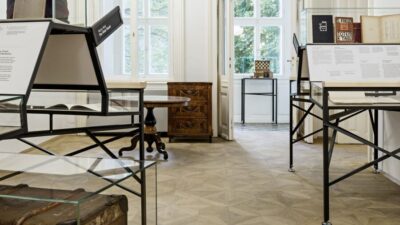
St. Stephen’s Cathedral & Dom Museum Wien Tickets
Read our review →

Browse the lists this tour appears in