
Reviewed · MUSEUMS
Third Man Museum Admission Ticket Vienna
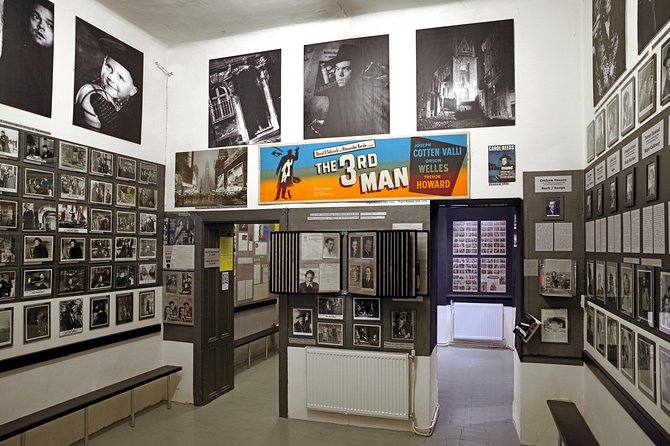
The most unusual thing about this Vienna museum is how much of The Third Man survives in physical form. You can see the original zither used by Anton Karas for the film recording in London, early and final scripts, cameras rented for special effects, and the cap worn by Little Hansel. This is not a room with a few movie stills. It is a serious collection built around one film and its city.
I like the way the museum connects the film to occupied Vienna from 1945 to 1955, rather than treating the movie as a stand-alone screen classic. I also like the human touch: the collection has more than 3,000 original objects, and the care put into the display is clear from the strong praise for its detail and friendly staff.
The main drawback is the narrow schedule. The museum is open only on Saturdays from 2 to 6pm, so you need to plan around it. At $20, the price is fair for serious film fans, but casual visitors may find the visit too specialized.
Key points at a glance
- Original Anton Karas zither: See the instrument connected to the film’s famous music, used during recording in London.
- More than 3,000 original objects: The collection includes scripts, cameras, posters, lobby cards, programs, and personal film artifacts.
- A portrait of occupied Vienna: The displays place the 1949 film within the city’s postwar years, from 1945 to 1955.
- A working 1936 projector: The Ernemann VIIb adds a practical cinema touch to the exhibition.
- A small time commitment: Plan on about 1 to 2 hours, making this easy to fit into a Vienna day.
- Saturday-only opening: The museum is open from 2 to 6pm, so check your date before booking.
Why this museum matters to The Third Man
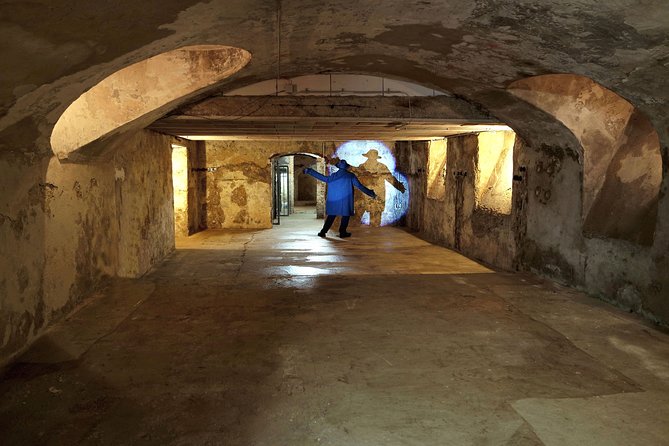
The Third Man is inseparable from Vienna. The film’s shadowy streets, ruined buildings, divided city, and uneasy postwar mood are not just scenery. They are part of the story. The museum helps you understand that setting by showing how daily life looked in occupied Vienna between 1945 and 1955.
That context gives the visit more weight than a standard film memorabilia display. You are not only looking at props and posters. You are also seeing how a famous British film used Vienna’s political and social atmosphere to create tension.
The museum focuses on the international success of the film as well. Objects from around the world show how far the movie traveled after its release. Historic posters, cinema programs, and lobby cards help you follow that journey through the way the film was promoted to audiences in different places.
I find that approach useful because it gives you two stories at once. One is the making of The Third Man. The other is the film’s life after it left the studio and reached cinemas around the world.
More to book in Vienna
- Vienna: Skip-the-Line Sisi Museum, Hofburg and Gardens Tour
★ 4.8 · 5,918 reviews - Vienna Kunsthistorisches Museum Day Admission Ticket
★ 4.6 · 3,690 reviews - Tickets for the Albertina Exhibitions
★ 4.7 · 2,126 reviews
Entering a collection built around 3,000 originals
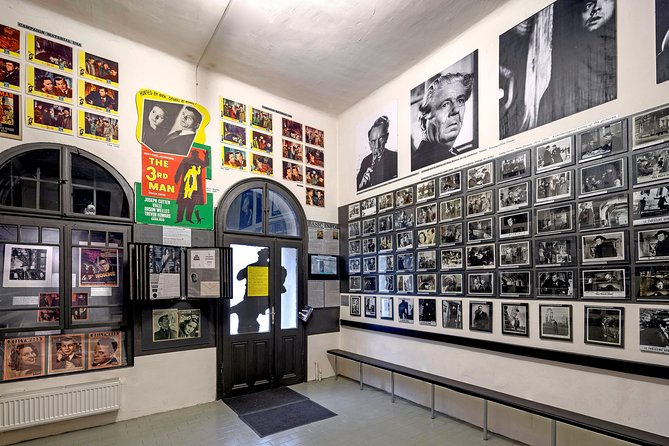
The museum contains more than 3,000 original pieces arranged through a series of rooms. The supplied information describes the exhibition as having thirteen rooms in one place and sixteen rooms in another, so the exact count may vary by how the displays are grouped or described. Either way, this is a substantial museum, not a quick display cabinet.
You can expect the visit to move between film production, promotion, music, equipment, and Vienna’s postwar setting. The arrangement gives you plenty to inspect, especially if you enjoy reading scripts, comparing printed film material, or studying old cinema technology.
The collection has a personal quality. One particularly warm description praises the way it was put together with great care and attention to detail, as well as the friendliness of the museum director and staff. That matters in a small specialist museum. The experience feels shaped by people who care about the subject, rather than by a large institution trying to appeal to everyone.
At the same time, the museum’s focus is narrow. If you have never seen the film, or if old cinema equipment does not interest you, some sections may feel less immediate. I would watch The Third Man before visiting if possible. You do not need to be an expert, but knowing the characters, music, and visual style will make the objects easier to appreciate.
The original zither and the sound of the film
The original zither connected with Anton Karas is one of the strongest reasons to visit. Karas created the film’s distinctive music, and the instrument on display was used when the score was recorded in London.
This is the sort of object that changes the way you remember a movie. The zither is not merely related to the soundtrack. It represents the unusual musical choice that helped give The Third Man its nervous, memorable character.
You may find that the zither is more meaningful if you listen to the film score before your visit. The museum lets you connect a sound you already know with a real instrument. That link between a physical object and a familiar piece of cinema is one of the visit’s best features.
For music lovers, this may be the single most valuable display. For film fans, it shows how a seemingly small production decision can shape an entire movie.
Scripts from first draft to final release
The original scripts offer a different kind of look at the film. The collection includes material from the first draft through the final release script, allowing you to consider how the story developed before it reached the screen.
That is useful because the final movie can make its structure look inevitable. Early scripts remind you that films are built through revision. Scenes change, details shift, and the finished version is the result of many decisions.
You should allow time to read rather than simply glance at the pages. A script display rewards patience more than speed. If you are interested in screenwriting, production choices, or the gap between an early idea and a finished film, these documents may be among the most revealing objects in the museum.
The only caution is that scripts require concentration. You will get more from them if you are comfortable reading original documents and following the development of a story. They are less instantly visual than a poster or camera.
A different kind of evening in Vienna:
- Vienna: Vivaldi’s Four Seasons Concert in Karlskirche
★ 4.7 · 14,951 reviews - Vienna: Spanish Riding School Training
★ 3.9 · 9,281 reviews - Vienna: Skip-the-cashier-desk-line Giant Ferris Wheel Ride
★ 4.5 · 7,859 reviews - Vienna: Schönbrunn Palace & Gardens Skip-the-Line Tour
★ 4.7 · 7,739 reviews
The cameras and the practical side of filmmaking
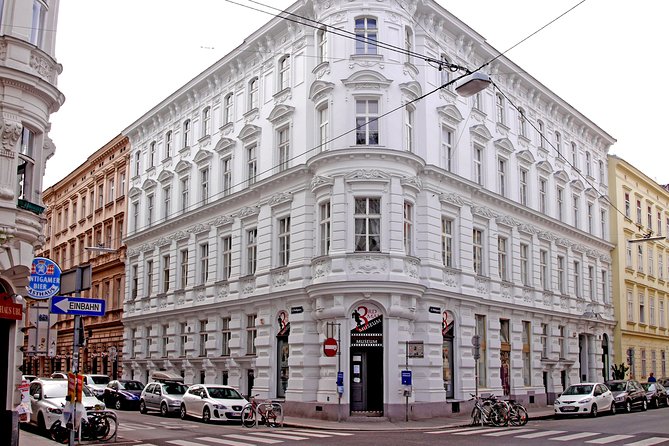
Two cameras on display were rented by the film crew in Vienna for special effects. Their presence gives the exhibition a practical edge. Instead of showing only the finished image, the museum points you toward the equipment and methods used to create it.
This is valuable for anyone who likes to understand how movies are made. The cameras represent the problem-solving side of production, when filmmakers had to work with available equipment and find ways to create the right visual result.
They also help tie the museum to Vienna itself. These were not simply generic cameras in a studio collection. They were connected to the film crew’s work in the city.
You will not get a full filmmaking workshop here, and the available information does not promise demonstrations. Think of these objects as evidence of the production process. They are best enjoyed alongside the scripts, posters, and other material rather than as a separate attraction.
Little Hansel’s cap and the small human details
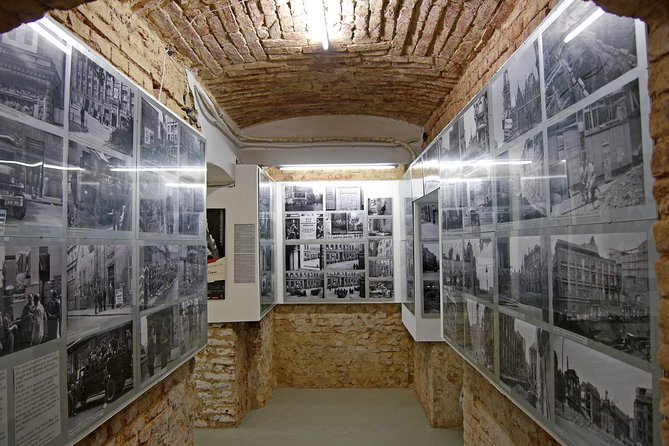
The original cap of Little Hansel is an especially charming object. It is a small piece of costume, but that is part of its appeal. Large production items can explain how a movie was made. A child’s cap reminds you that films are also made from small details that help create a believable world.
This kind of object gives the museum warmth. It connects the large political backdrop of occupied Vienna with the people who inhabit the story. If you are visiting with someone who is less interested in scripts or cameras, costume pieces such as this may offer an easier way into the collection.
The cap also shows why a specialist museum can be worthwhile. A general film museum might give it only a passing mention. Here, it has a place within the larger story of The Third Man.
A 1936 projector that still works
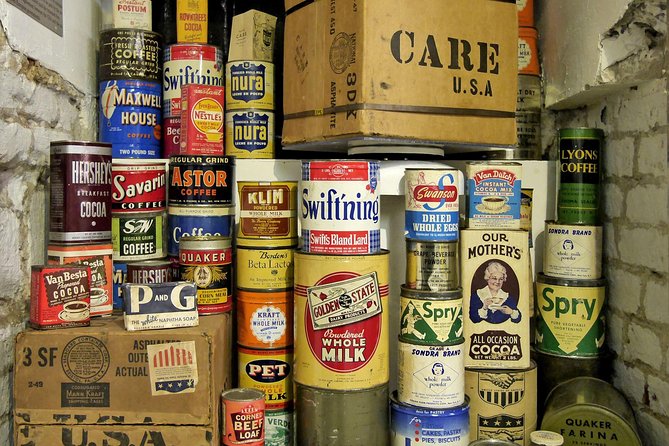
The fully functional Ernemann VIIb projector, dating from 1936, adds a strong piece of cinema history to the visit. It is not just an old machine placed behind glass. Its working condition helps you picture the mechanical side of film exhibition.
For many people, projectors make the cinema experience feel more tangible. Before digital projection, a film passed through a machine like this as light, movement, and sound. The projector connects the museum’s objects to the act of watching a film in a cinema.
Its 1936 date also places it in the period before The Third Man was made. That makes it part of the broader story of movie technology rather than a single-film prop.
Do not expect a full projection show unless your booking information specifically confirms one. The useful point is that the museum preserves a functioning example of the equipment that carried films to audiences.
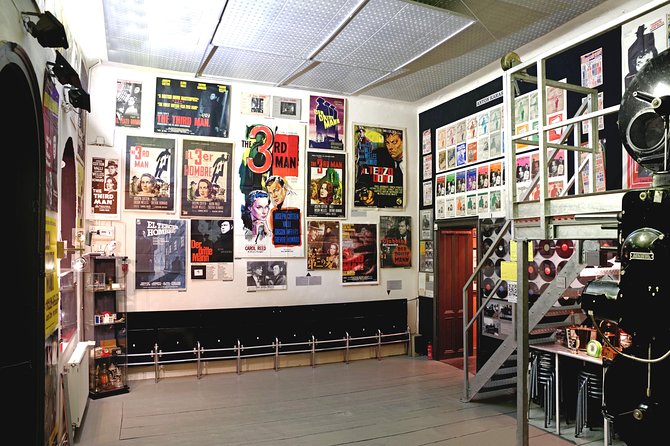
Posters, lobby cards, and the film’s international life
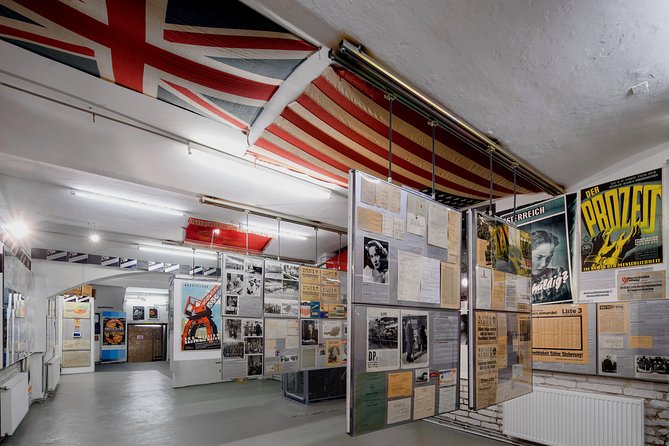
Historic posters, lobby cards, and cinema programs show how The Third Man was presented to the public. These printed materials are often overlooked, but they can reveal a great deal about a film’s reputation and reach.
Look closely at the differences between promotional materials if the displays allow you to compare them. Posters tell you what distributors thought would attract an audience. Lobby cards and programs show how the film was packaged inside cinemas.
The international material also supports the museum’s wider purpose. You can see how one Vienna-set film became known far beyond Austria. This part of the collection will appeal to movie historians, poster collectors, and anyone who enjoys the design of old cinema advertising.
It is also a good balance to the production objects. Scripts and cameras show how the film was made. Posters and programs show how it was sold and remembered.
Planning a Saturday from 2 to 6pm
The biggest practical issue is the opening schedule. The museum is open on Saturdays from 2 to 6pm during the stated operating period, from March 29, 2025, through June 13, 2026. You should confirm your date before paying, especially if your Vienna visit falls outside that period.
The visit itself takes about 1 to 2 hours. That gives you enough time to see the main objects without turning the museum into an all-day commitment. I would plan it as an afternoon stop, with another nearby activity before or after.
Admission costs about $20 and includes entry. Food, drinks, and transportation are not included. Since the museum is near public transportation, getting there should fit easily into a Vienna itinerary, but you will need to arrange your own route.
A mobile ticket makes entry simple. The activity is private, meaning only your group participates, though the museum’s opening schedule remains the key restriction. The available information says most people can participate, but it does not provide detailed accessibility information, so contact the museum directly if you have specific mobility or access needs.
Who will get the most from the $20 price
At $20, I consider this a good purchase for a committed The Third Man fan. You are paying for access to a large collection of original objects, not just a themed photo opportunity. The zither, scripts, cameras, projector, costume piece, and printed material give the admission real substance.
World War II and postwar Vienna enthusiasts may also find the price worthwhile. The museum uses the film to examine the city’s occupied years and the daily setting behind the story. You get a cultural and historical angle, not only a production display.
The value is less clear for a casual movie fan. If you know only that The Third Man is an old film set in Vienna, you may not connect with every document or piece of equipment. In that case, watching the film first will make the admission feel more worthwhile.
The 1 to 2 hour length helps the value. You do not need to give up a full day, and the museum can fit neatly into a Saturday afternoon. But the limited opening hours may force you to rearrange your schedule, which is a real cost if your Vienna visit is short.
Booking, cancellation, and a sensible visit plan
You receive confirmation at the time of booking, and the ticket is mobile. Free cancellation is available if you cancel at least 24 hours before the scheduled start time. Within 24 hours, the payment is not refunded, and changes are not accepted.
I would book only after checking the Saturday timing against your other plans. Because the museum has such a short weekly window, a missed afternoon is harder to replace than a missed attraction with daily opening hours.
Before going, watch The Third Man or revisit it. Listen for the zither music, notice the postwar setting, and pay attention to the film’s use of Vienna. You will then recognize why the museum gives equal space to objects, documents, and historical context.
Allow yourself closer to two hours if you want to read the scripts and examine the printed material. If you mainly want the famous objects, one hour may be enough, but the collection’s strength is its detail.
Should you book the Third Man Museum?
Book it if you love classic cinema, enjoy original film documents, or want a stronger sense of Vienna’s occupied postwar years. The collection’s care, personal feel, and unusual objects make it more rewarding than a quick movie-themed stop.
Skip it if your schedule cannot accommodate a Saturday afternoon or if you have little interest in The Third Man. The narrow opening window is the clear weakness, and the museum’s specialist focus will not suit every Vienna visitor.
For the right audience, $20 buys a focused and unusually complete look at one film, its music, its machinery, and the city that made its atmosphere possible.
FAQ
Where is the Third Man Museum?
The Third Man Museum is in Vienna, Austria, and it is near public transportation.
How much does admission cost?
Admission costs about $20 and includes the entrance fee.
How long does the museum visit take?
Plan on approximately 1 to 2 hours.
When is the museum open?
The stated opening hours are Saturdays from 2:00pm to 6:00pm.
Is a mobile ticket available?
Yes. The experience provides a mobile ticket.
What original objects can I see?
The collection includes Anton Karas’s original zither, film scripts from early drafts through the final release script, two cameras rented for special effects, Little Hansel’s original cap, a working Ernemann VIIb projector from 1936, historic posters, lobby cards, and cinema programs.
Does the museum cover Vienna’s postwar period?
Yes. The exhibition gives an impression of daily life in occupied Vienna from 1945 to 1955.
Are food, drinks, and transportation included?
No. Food, drinks, and transportation to and from the museum are not included.
Can I cancel for a full refund?
Yes, if you cancel at least 24 hours before the experience start time. Cancellations and changes made within 24 hours are not refunded or accepted.
Just added in Vienna
- World War II History Vienna Old Town Private Walking Tour★ 4.8 · 9 reviews
- Vienna: Wiener Schnitzel and Strudel Cooking Class★ 4.9 · 126 reviews
- Vienna: Wine Tasting Tour★ 4.8 · 61 reviews
- Vienna: Winery and Wine Tasting Tour with a Wine Expert★ 5.0 · 5 reviews
- Vienna: Wine Tasting E-Bike Tour★ 4.9 · 46 reviews
- Vienna: Wine Tasting at Schönbrunn Palace★ 4.3 · 71 reviews
- Vienna: Unforgettable Private City Tour★ 5.0 · 7 reviews
- Vienna Urban Art Tour: Explore a different side of Vienna!★ 3.8 · 14 reviews
Museums, compared.

Skip-the-Line Sisi Museum, Hofburg and Gardens Tour
Read our review →
Vienna Kunsthistorisches Museum Day Admission Ticket
Read our review →

Chocolate Workshop in Chocolate Museum w/ Tasting
Read our review →
St. Stephen’s Cathedral & Dom Museum Wien Tickets
Read our review →
Browse the lists this tour appears in