
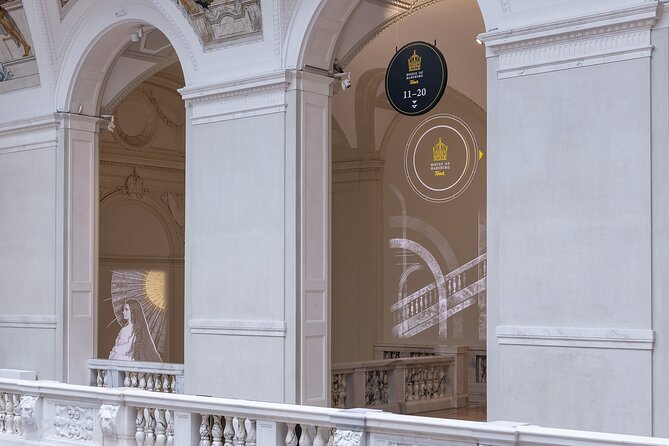
Reviewed · HOFBURG & IMPERIAL PALACES
New Hofburg Palace Tour House of Habsburg
The most striking part of this visit is the mix of royal display and personal detail. You’ll pass armor that would cost the equivalent of a high-end sports car today, then see a fortepiano associated with Mozart and the only wax bust intended to show Joseph Haydn as he looked in life. It is a compact way to meet the Habsburgs through objects, not just grand names.
I like the specific objects that give the palace real character, especially Mozart’s instrument and Haydn’s unusual portrait. I also like the focus on Sisi’s intended rooms, which adds a touch of unfinished drama to the imperial story.
The main point to consider is the schedule. The listed opening time is Tuesday from 10 a.m. to 9 p.m., and the experience may take about one to three hours depending on your pace. Check the date and timing carefully before you go, especially if your Vienna plans are tight.
Key points to know before you go
- See armor with a modern price tag: The suits of armor are presented as costly status objects, not merely battlefield gear.
- Find Mozart’s fortepiano: The instrument connects the palace collection with Vienna’s musical past.
- Look for Haydn’s lifelike wax bust: This is described as the only wax bust showing Joseph Haydn as he was in life.
- Walk through Sisi’s intended rooms: Empress Elisabeth never lived in these rooms, but her presence still shapes the visit.
- Plan for a flexible visit: The experience lasts about one to three hours, with the main palace portion listed at about one hour.
- Expect a small group setting: The activity has a maximum of 15 people and is offered in English.
Entering Vienna’s New Hofburg Palace
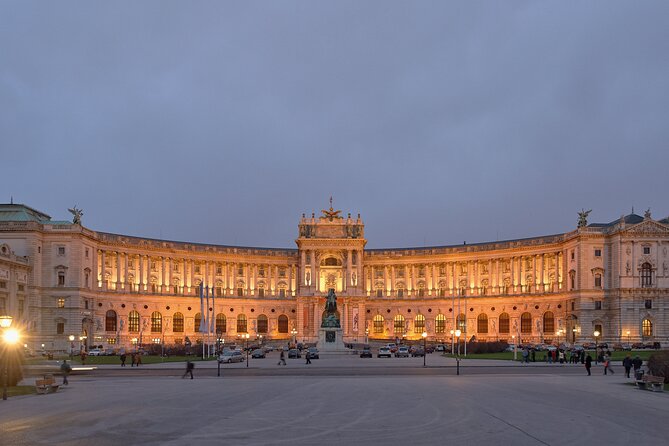
The New Hofburg Palace gives you a direct look at the Habsburg court through rooms, objects, and royal plans that were never quite completed. This is not simply a walk past ornate interiors. The route follows the ruling family from the late Middle Ages into the modern era, so you get a broad sense of how Habsburg power changed over time.
Your visit begins at the Weltmuseum Wien on Heldenplatz, in Vienna’s first district. The address is Heldenplatz, 1010 Vienna. The activity ends back at the meeting point, which keeps the logistics simple if you are building the palace into a day of central Vienna sightseeing.
You receive confirmation when you book, and the visit is available in English. The ticket is listed as a paper ticket. A voucher can be exchanged without trouble, and the visit can be followed with an audio guide, so keep your confirmation and any ticket instructions handy.
The palace route is suitable for most people, and public transportation is nearby. The group limit of 15 is useful because a smaller group is easier to manage in historic rooms than a large crowd. Still, do not confuse a maximum group size with a private tour. The information provided does not promise a private guide.
Other imperial addresses in Vienna:
- Vienna: Skip-the-Line Sisi Museum, Hofburg and Gardens Tour
★ 4.8 · 5,918 reviews - Tickets for the Albertina Exhibitions
★ 4.7 · 2,126 reviews - Vienna: Imperial Treasury in the Hofburg Palace
★ 4.4 · 1,791 reviews
Armor that once cost the price of a sports car
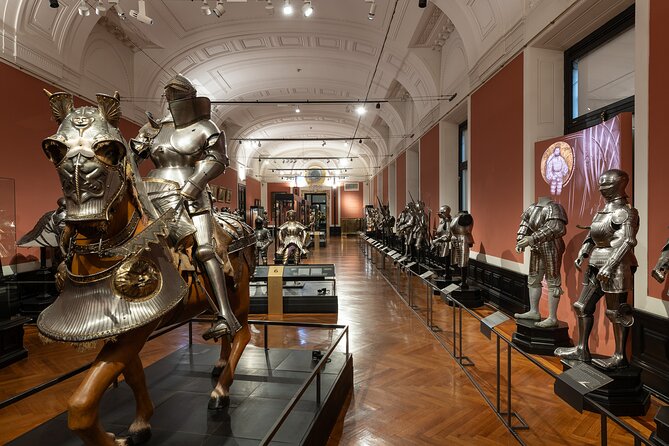
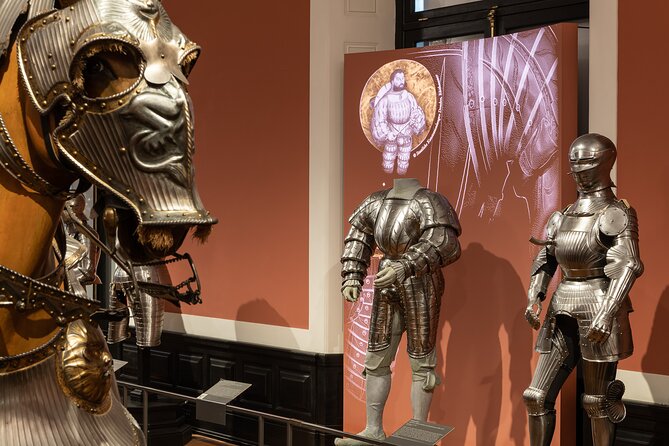
The armor is one of the strongest reasons to choose this experience. At first glance, a suit of armor can seem like a familiar museum object. Here, the useful comparison is its cost. The equivalent of a high-end sports car today gives you a better sense of what these suits represented.
That price tells you something about court culture. Armor was protection, but it was also a public statement. A finely made suit showed status, wealth, technical skill, and access to the best craftspeople. The Habsburg story becomes easier to grasp when you look at what their world valued and paid for.
Take your time with these objects. Notice the workmanship and the fact that they survive as evidence of a period when clothing and military equipment could also function as political display. You are not just looking at old metal. You are seeing the cost of power made visible.
The armor also helps balance the palace interiors. Grand rooms can blur together after a while, especially on a busy museum day. Distinct objects give your attention somewhere to land. If you have limited time, this is one part of the route I would not rush.
Mozart’s fortepiano and Vienna’s musical connection
The fortepiano adds a more intimate note. It was once played by Mozart, giving the instrument a direct link to one of Vienna’s most famous musical figures.
The value here is not only the celebrity connection. A fortepiano shows you the kind of instrument used before the modern piano became standard. Seeing it inside a Habsburg setting also brings court life and Vienna’s musical culture into the same room, at least in the story the collection tells.
I would pause even if you are not a classical music expert. You do not need to know a long list of Mozart works to appreciate the object. Its appeal lies in the physical connection: this is an instrument associated with a real musician, not simply a decorative piece labeled with a famous name.
The supplied information does not promise a live performance, so expect to look rather than listen. If you want detailed musical background, use the audio guide if it is provided with your visit and give yourself enough time to hear the explanation.
Joseph Haydn’s only lifelike wax bust
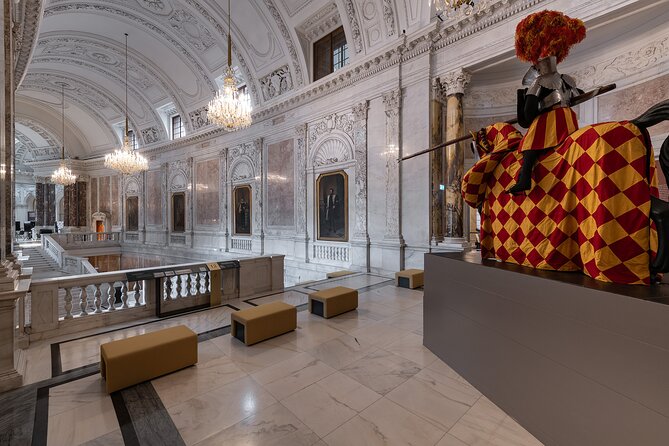
The Haydn bust is an unusual highlight. It is described as the only wax bust that shows Joseph Haydn as he appeared in life. That makes it more personal than a later idealized statue or formal portrait.
Small details like this often make a palace visit stick. A famous person becomes less abstract when you can consider the face that people of the time actually knew. The bust also breaks up the usual parade of rulers, uniforms, and grand rooms.
I like this kind of object because it asks you to look closely. The Habsburg story is full of emperors and dynastic marriages, but a lifelike portrait brings the period back to individual people. Haydn’s presence also reminds you that Vienna’s cultural importance was tied to music as much as to court ceremony.
You may find that the musical objects work well together. Mozart’s fortepiano shows a connection through sound and performance. Haydn’s bust shows one through appearance and memory. Together, they give the visit a human scale.
A different kind of evening in Vienna:
- Vienna: Vivaldi’s Four Seasons Concert in Karlskirche
★ 4.7 · 14,951 reviews - Vienna: Spanish Riding School Training
★ 3.9 · 9,281 reviews - Vienna: Skip-the-cashier-desk-line Giant Ferris Wheel Ride
★ 4.5 · 7,859 reviews - Vienna: Schönbrunn Palace & Gardens Skip-the-Line Tour
★ 4.7 · 7,739 reviews
Sisi’s rooms and the story of what never happened
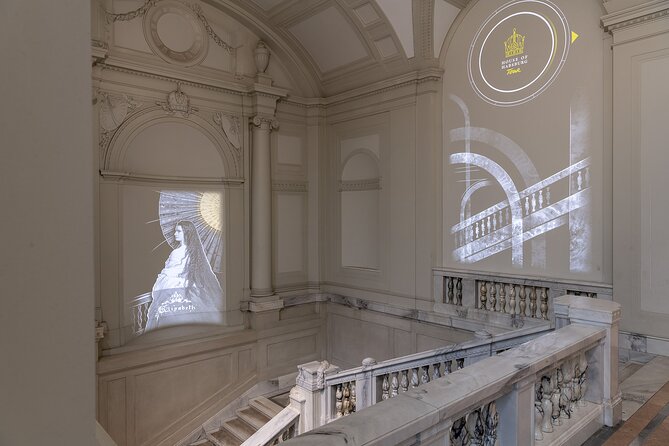
The route passes through halls and rooms associated with Empress Elisabeth, better known as Sisi. The unusual detail is that she never actually took up residence in the rooms originally intended for her. That absence gives these spaces a different mood from a preserved bedroom or fully occupied apartment.
You can look at the rooms as evidence of imperial plans rather than a complete portrait of Sisi’s daily life. The palace tells you what was prepared for her, while the historical fact of her absence leaves an open question: how much can a room reveal about someone who never lived there?
Sisi was murdered in 1898, and that fact adds a sober edge to the visit. The palace is not only about ceremony and luxury. It also touches on the vulnerability of public figures and the sudden turns that shaped the end of the imperial era.
If you are mainly looking for a full Sisi biography, this experience may feel limited. Its focus is the New Hofburg and the objects within it, not a long, separate program about every part of her life. If you want a concise encounter with the rooms planned for her, though, this section gives the visit emotional weight.
From medieval rulers to the modern era
The broad time span is helpful, but it also affects how you should approach the visit. The route moves from the late Middle Ages to the modern era, covering centuries of Habsburg rule. You will not receive the same depth on every period in a one-hour visit.
I suggest choosing a few questions before you arrive. How did the Habsburgs display power? What did court life value? How did music, armor, rooms, and portraits support the image of a ruling family? These questions help connect the separate objects.
The visit works best as an introduction or a focused museum stop. It gives you touchpoints rather than a complete political history. You see the family’s military display, cultural connections, domestic plans, and public memory in a fairly compact setting.
The duration can range from about one to three hours. The palace portion is listed at roughly one hour, but the longer estimate gives you room to follow the audio guide, stop at individual objects, or move at a slower pace. I would allow at least an hour and avoid scheduling another fixed activity immediately afterward.
How the English format affects the visit
The experience is offered in English and uses a paper ticket. The available information also indicates that the visit can be followed with an audio guide. This means you should expect a self-paced museum experience rather than assume that a guide will lead a continuous live talk.
That format has advantages. You can spend extra time with the fortepiano or Haydn bust and move on when you are ready. You can also keep the visit short if your schedule is full. An audio guide lets you add context without depending on the pace of a large walking group.
There is one tradeoff. A self-guided format places more responsibility on you. You need to pay attention to the route and decide how much time to give each section. If you prefer a lively guide who answers questions throughout the visit, confirm exactly what is included before booking.
The maximum of 15 people is reassuring for a timed activity, but the core attraction remains the palace collection itself. You are paying for access and interpretation, not for an elaborate performance or a long city walk.
Is $27.21 a fair price?
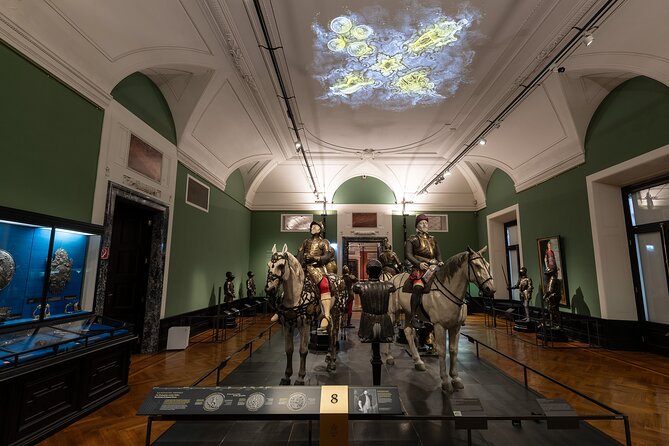
At $27.21 per person, the price is reasonable if you want a focused Habsburg visit in central Vienna and plan to spend at least an hour with the collection. The value comes from the combination of the setting and the unusual objects: expensive armor, Mozart’s fortepiano, Haydn’s lifelike wax bust, and rooms intended for Sisi.
It is less compelling if you only want a quick glance at grand interiors. The experience needs time to justify the cost. If you rush through in 20 minutes, you will miss the details that make this visit different from a standard palace stop.
The price also makes more sense for people who value a clear English route and an audio guide. You get a structured way to understand what you are seeing rather than wandering through rooms with little context.
Free cancellation is available when you cancel at least 24 hours before the start time. Changes or cancellations made less than 24 hours ahead are not accepted for a refund. Since the listed schedule is specific, check the local Vienna time and your booking details before the deadline.
Timing, meeting point, and practical planning
The meeting point is Weltmuseum Wien at Heldenplatz, 1010 Vienna. The activity ends at the same place, so you do not need to arrange a separate return transfer. Nearby public transportation makes the start practical from other parts of central Vienna.
The stated opening schedule covers Tuesday from 10 a.m. to 9 p.m., for the period from November 5, 2024, through March 22, 2027. Because this is a narrow published schedule, confirm the date you want before you commit other plans. The information provided does not give a complete weekly timetable.
Most people can participate, and the group size is capped at 15. No special physical requirements are stated, but the experience takes place in a palace and museum setting. Plan to stand and walk through the route at a normal museum pace.
I would place this visit before or after another central Vienna sight, with enough time to arrive at Heldenplatz and exchange or present your paper ticket. Keep your booking confirmation accessible. One useful detail from the available experience information is that the voucher has been straightforward to redeem.
Who will enjoy this palace visit most?
I would recommend it to you if you like objects with a strong story. The armor, fortepiano, and Haydn bust each give you a clear reason to stop. You do not need to be a Habsburg specialist, but an interest in European royal families, classical music, or historic interiors will make the visit more rewarding.
It also suits a first-time Vienna visit when you want a manageable introduction to the imperial past. The route is short enough to fit around other plans, yet it offers more substance than a quick exterior view.
Families with older children may appreciate the concrete details. Armor that cost as much as a sports car is easier to discuss than a long list of rulers. Mozart’s instrument and a lifelike wax bust can also give younger visitors something specific to look for.
I would hesitate if you need a fully guided, highly interactive experience or if your schedule does not include Tuesday. The visit is focused, and the supplied details do not promise a live guide, performances, or a large number of rooms beyond the New Hofburg route.
Should you book the New Hofburg Palace Tour?
Book it if you want a compact English visit built around memorable Habsburg objects rather than a broad city tour. The best reasons are the armor, Mozart’s fortepiano, Haydn’s unusual wax bust, and the rooms planned for Sisi, who never lived there.
Skip it if you are looking for a long guided biography of Empress Elisabeth or a complete survey of every Habsburg palace. At $27.21, it offers good value when you use the full hour or more and listen to the available audio guide.
For most visitors with an interest in Vienna’s imperial and musical past, I would put this on the shortlist. Check the Tuesday schedule, allow enough time to look closely, and treat the visit as a focused museum experience rather than a grand palace production.
FAQ
Where does the New Hofburg Palace Tour begin?
The tour begins at Weltmuseum Wien, Heldenplatz, 1010 Vienna, Austria.
Where does the activity end?
The activity ends back at the meeting point at Weltmuseum Wien.
How long does the experience take?
The estimated duration is about one to three hours. The New Hofburg Palace portion is listed as approximately one hour.
Is the tour offered in English?
Yes. The experience is offered in English.
How many people can join the activity?
The activity has a maximum of 15 participants.
What is included with the ticket format?
The experience uses a paper ticket. An audio guide is available for following the palace visit.
Can I cancel for a refund?
Yes. You can cancel at least 24 hours before the experience start time for a full refund. Cancellations or changes made less than 24 hours before the start time are not accepted for a refund.
Just added in Vienna
- World War II History Vienna Old Town Private Walking Tour★ 4.8 · 9 reviews
- Vienna: Wiener Schnitzel and Strudel Cooking Class★ 4.9 · 126 reviews
- Vienna: Wine Tasting Tour★ 4.8 · 61 reviews
- Vienna: Winery and Wine Tasting Tour with a Wine Expert★ 5.0 · 5 reviews
- Vienna: Wine Tasting E-Bike Tour★ 4.9 · 46 reviews
- Vienna: Wine Tasting at Schönbrunn Palace★ 4.3 · 71 reviews
- Vienna: Unforgettable Private City Tour★ 5.0 · 7 reviews
- Vienna Urban Art Tour: Explore a different side of Vienna!★ 3.8 · 14 reviews
Hofburg & Imperial Palaces, compared.
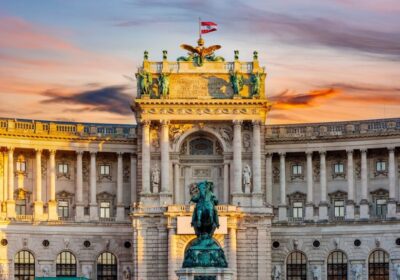
Skip-the-Line Sisi Museum, Hofburg and Gardens Tour
Read our review →
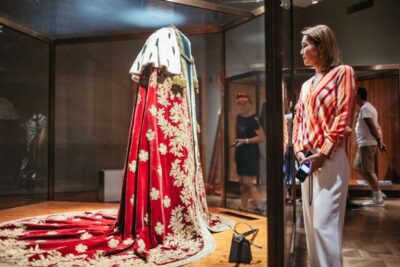
Entry Ticket Upper Belvedere, Klimt’s Kiss & Permanent Collection
Read our review →
Combo Ticket: Kunsthistorisches Museum & Imperial Treasury
Read our review →
“Sisi’s Amazing Journey” Virtual Reality Experience
Read our review →Browse the lists this tour appears in