
Reviewed · TOURS IN VIENNA
Vienna: Tickets to Haus der Musik
Haus der Musik turns Vienna’s grand musical past into a hands-on museum. You can move from Haydn, Mozart, Beethoven, Schubert, Strauss, Mahler, and Schönberg to sound experiments, a virtual orchestra, and a Mozart name game without needing formal musical training. I especially like the conductor challenge and the way the museum works for both adults and children.
The two main strengths are its broad mix of history and science, plus its genuine play value. You can read about Otto Nicolai and the Vienna Philharmonic, then roll dice to create a waltz or test your ears with interactive displays. The main consideration is time: there is more to see than you may expect, and a quick stop could leave you skimming the best material.
Key points at a glance
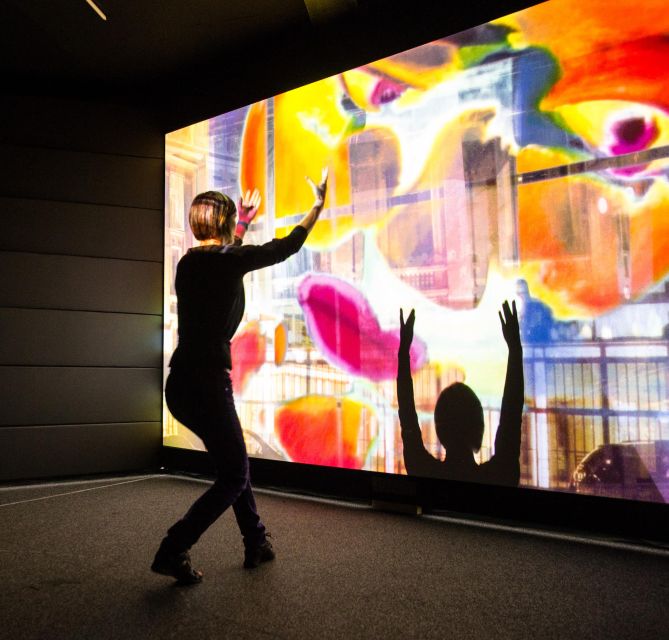
- Conduct the Vienna Philharmonic: Face a virtual orchestra and test your timing in one of the museum’s most memorable activities.
- Meet Vienna’s great composers: Explore Haydn, Mozart, Beethoven, Schubert, Strauss, Mahler, and Schönberg through documents, objects, models, and installations.
- Hear music as science: Experiment with sound, hearing, instruments, noises, and acoustic effects across the museum’s interactive floors.
- Create your own music: Use a dice-based waltz activity and the Namadeus game, which turns your name into an original Mozart-style composition.
- Works across generations: Families, classical music fans, science-minded visitors, and people who normally skip museums all have a reason to stop here.
- Easy central visit: The museum is at Seilerstätte 30 in Vienna’s first district, with admission valid for one day after first activation.
A music museum that asks you to press the buttons
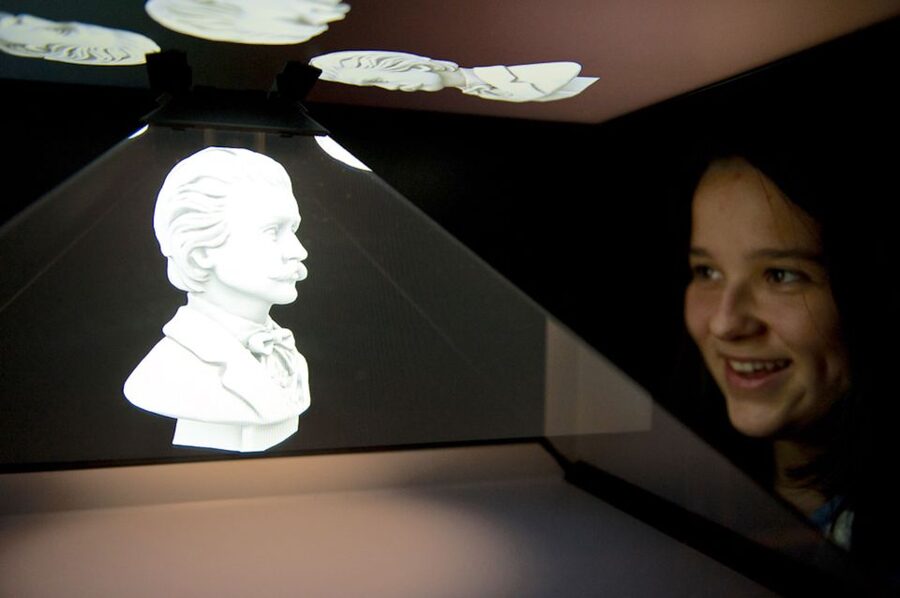
Many composer museums ask you to look at portraits and read labels. Haus der Musik asks you to take part. That change matters, especially if you are visiting Vienna with children or with someone who likes ideas more than display cases.
The museum occupies the former Palais of Archduke Charles. Otto Nicolai, founder of the Vienna Philharmonic Orchestra, lived here when he established the orchestra in 1842. That gives the building a useful connection to the story told inside, rather than making it just another convenient address in the city center.
I like the way the museum puts history, science, and play on equal footing. You may begin with a composer’s personal objects, then find yourself testing the behavior of sound or trying to keep an orchestra together on screen.
The museum is not only for classical music fans. The activities are designed so that you can enjoy them without knowing musical notation or having studied an instrument. At the same time, people who already know Vienna’s musical story will find plenty of historical material to slow down for.
More to book in Vienna
- Vienna: Classic Ensemble Vienna in St. Peter’s Church Ticket
★ 4.7 · 4,819 reviews - Vienna Kunsthistorisches Museum Day Admission Ticket
★ 4.6 · 3,690 reviews - Vienna: Tickets for Mozarthaus Vienna with Audio Guide
★ 4.2 · 2,344 reviews
The Vienna Philharmonic begins the visit
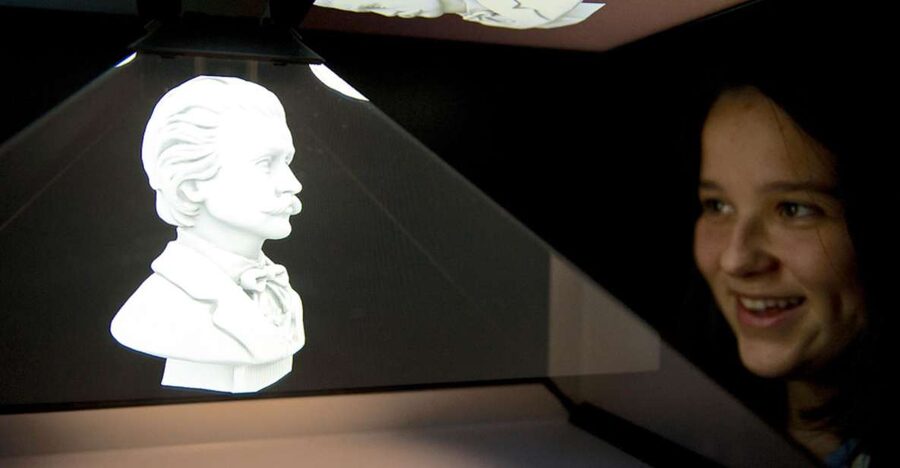
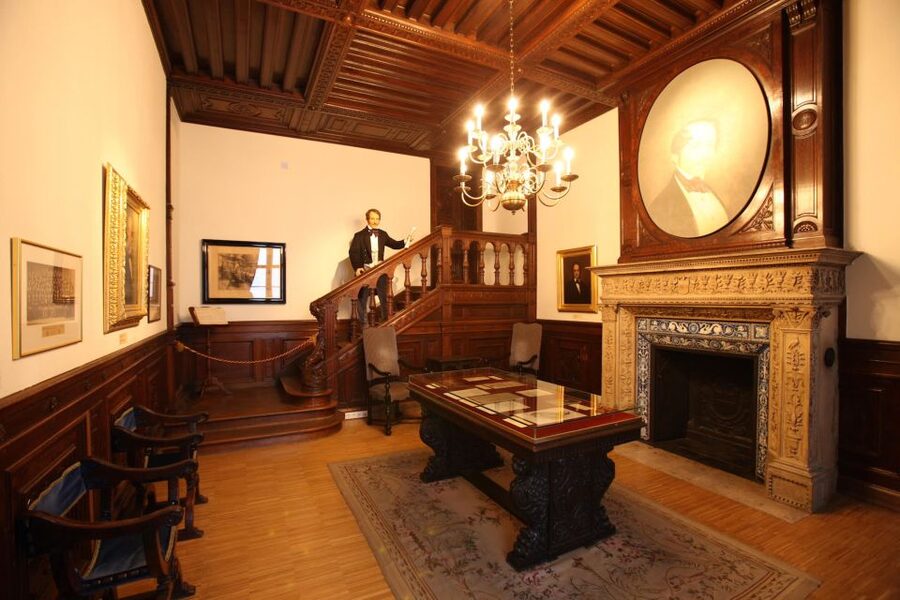
One section is devoted to the Museum of the Vienna Philharmonic. Here, you can see documents and keepsakes connected with the orchestra’s past and Otto Nicolai’s role in its creation.
This is a good opening for understanding why Vienna takes its orchestral traditions so seriously. The museum does not treat the orchestra as a distant institution. It connects the ensemble to the building and to the city’s wider musical identity.
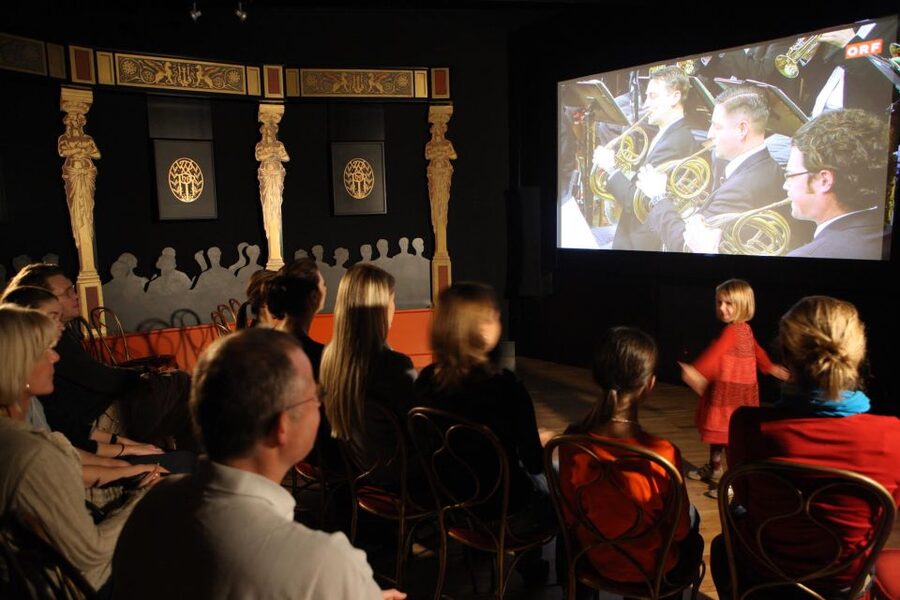
You can also hear the Vienna Philharmonic’s New Year’s Concert in HD quality. That is a useful touch for anyone who knows the event from television but has never connected it with Vienna itself. It gives the museum a live performance element without requiring you to schedule a concert ticket.
The drawback is that this section may appeal more to committed classical music fans than to young children. If your family is eager to use the hands-on exhibits, you may want to keep this part focused and save more time for the interactive floors.
Haydn, Mozart, Beethoven, Schubert, Strauss, Mahler, and Schönberg
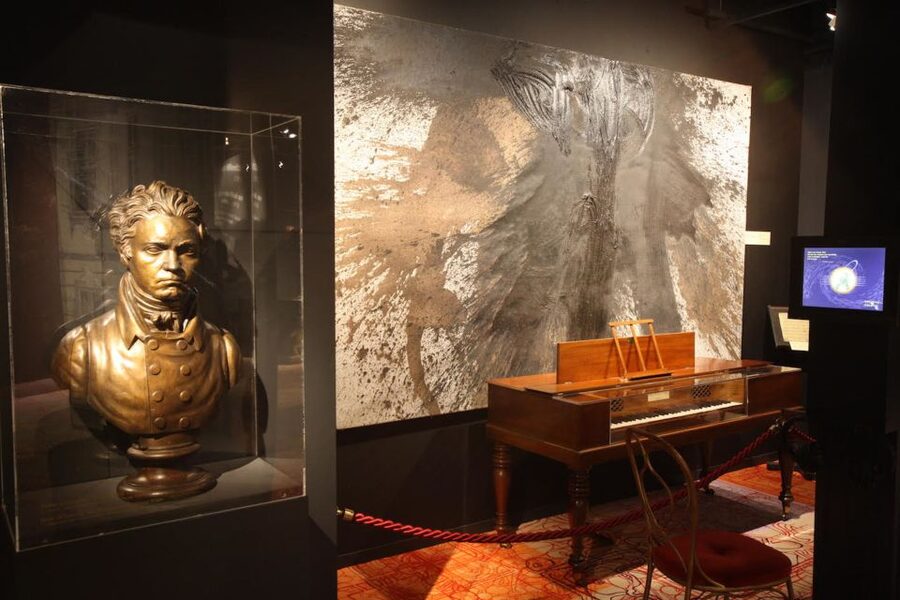
The history level introduces the major composers associated with Vienna and the Wiener Klassik, along with later musical figures. Haydn, Mozart, Beethoven, Schubert, Strauss, Mahler, and Schönberg are presented through historic documents, models, costumes, modern installations, and personal items.
The value here is context. You are not simply given a list of famous names. The displays place each composer in a contemporary setting, helping you connect music with the people, places, and periods that shaped it.
Mozart receives especially strong attention, including a dedicated room that offers insight into his life and work. If you know only the popular image of Mozart as a child prodigy, this section gives you more to consider.
Beethoven and Schubert help show how Vienna’s musical culture changed over time. Strauss brings the waltz into the picture, while Mahler and Schönberg extend the story toward later developments and Viennese Modernism.
The material is not all quick entertainment. Some displays contain more written and historical information than you can absorb in a single afternoon. I see that as a benefit if you like museums with substance, but it also means you should not judge the experience by how fast you can walk through it.
Temporary exhibitions in the inner courtyard add another layer. Their topics change and may focus on a musician or a specific musical period, including Viennese Modernism. Since these exhibitions are not fixed, check what is showing when you plan your visit.
The conductor challenge and the virtual orchestra
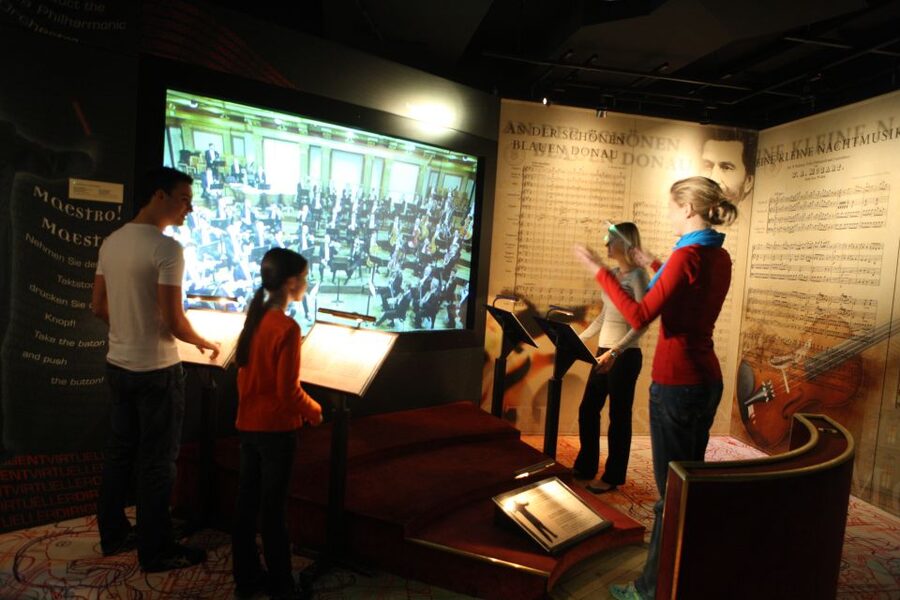
The conductor activity is one of the museum’s clearest reasons to visit. You face the Vienna Philharmonic in a simulated performance and try to guide the music with your movements.
This is more than a photo opportunity. It gives you a simple sense of what conducting demands: timing, control, and attention to the orchestra. You do not need musical training to understand the basic challenge, which is why this activity works well for couples, families, and first-time museum visitors.
It is also a good shared activity. One person can conduct while others watch, then you can swap roles. The experience has enough humor to keep it light, but it still connects the game to the real discipline of orchestral performance.
If your main reason for visiting is the virtual orchestra, allow time for other people to try it too. The information provided does not give a fixed waiting time or group size, so I would treat it as a popular stop rather than something you can rush through on a strict schedule.
A different kind of evening in Vienna:
- Vienna: Vivaldi’s Four Seasons Concert in Karlskirche
★ 4.7 · 14,951 reviews - Vienna: Spanish Riding School Training
★ 3.9 · 9,281 reviews - Vienna: Skip-the-cashier-desk-line Giant Ferris Wheel Ride
★ 4.5 · 7,859 reviews - Vienna: Schönbrunn Palace & Gardens Skip-the-Line Tour
★ 4.7 · 7,739 reviews
Sound science, instruments, and the Namadeus game
Several floors focus on the science of sound. You can experiment with noises, instruments, hearing, and the way sound behaves. This section gives the museum a wider reach than a standard biography collection.
I especially like this approach for families and school-age children. Instead of being told that sound has physical properties, you get a chance to test ideas through displays and instruments. The experience also suits adults who enjoy science museums but do not usually seek out classical music.
The Namadeus game adds a playful Mozart connection. Enter your name and hear it presented as an original Mozart composition. A Namadeus certificate is not included, so plan on paying extra if you want that souvenir.
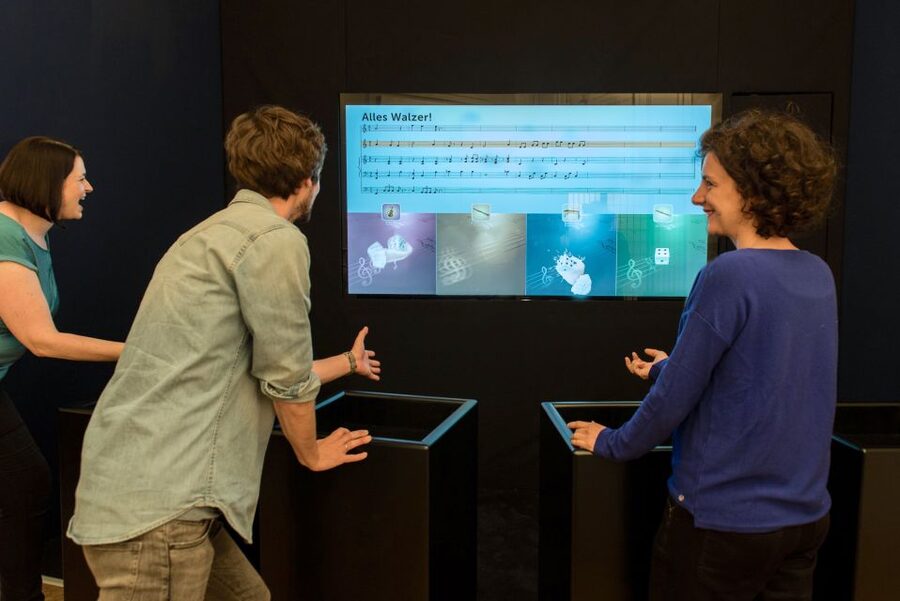
You can also compose your own waltz with a throw of the dice. The activity connects chance with musical structure and gives you a quick, amusing way to think about how a piece can be assembled.
These games are not meant to replace a concert or a serious music lesson. Their purpose is to make musical ideas less abstract. That is precisely why they help people who might otherwise feel that a composer museum is not meant for them.
How much time should you allow?
The ticket is valid for one day from first activation, so you can plan your visit around the rest of your Vienna schedule. The information supplied does not set a required visit length, but the museum has four floors plus additional material in the courtyard.
A short visit can cover the main interactive attractions. If you want to read the composer displays, try the sound experiments, watch the concert material, and spend time with the orchestra challenge, you should avoid placing Haus der Musik between two tightly timed activities.
One visitor spent more than four hours and still had not seen everything. You may not need that long, but this gives you a useful warning: the museum is larger and more content-heavy than its central location might suggest.
For a family, I would think in terms of a flexible visit rather than a quick 30-minute stop. Children may move quickly between activities, while adults may want to pause over the historical displays. Couples and solo visitors can choose their own pace more easily.
Is the $22 admission good value?
At $22 per person, Haus der Musik is not the cheapest casual stop in Vienna. The value depends on how much of the museum you use.
The price makes sense if you want a substantial indoor activity with several different subjects under one roof. You receive admission, a museum map, a coat check, and a smartphone app guide available in eight languages. A children’s app is available in two languages.
That combination matters for mixed groups. One person can focus on composer history, another can test sound experiments, and children can use the interactive displays. You are not paying for a single exhibit or a short performance.
The value is weaker if you only want to see one famous composer or take a quick look before dinner. The museum rewards time and curiosity. If you are willing to explore several floors, the price compares well with the amount of material and the number of activities available.
Food and drinks are not included, but this is easy to handle because the museum is in central Vienna. Transfers are also not included, and you make your own way to Seilerstätte 30.
Who will enjoy Haus der Musik most?
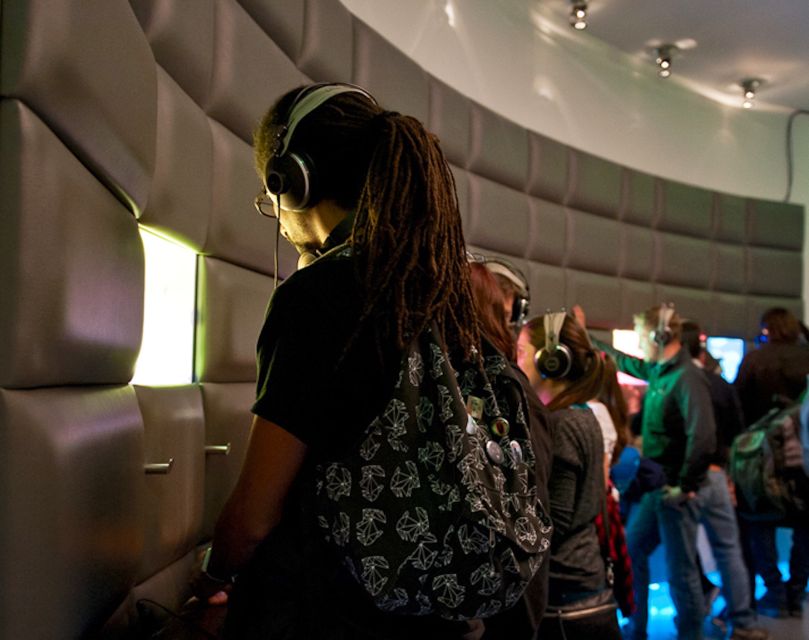
I would put this museum high on the list for families. The interactive design gives children something to do, while adults can read about composers, history, and the science of hearing. The activities are not limited to a children’s corner, so parents do not have to wait around.
Classical music fans will find the Vienna Philharmonic section and composer displays worthwhile. The New Year’s Concert material and the historical documents add depth beyond the games.
Science-minded visitors should pay attention to the sound floors. They provide a clear reason to visit even if names such as Haydn or Mahler do not mean much to you.
It also suits people who usually find museums too passive. The conductor challenge, dice-based waltz, sound experiments, and Namadeus game give you repeated chances to interact.
The least likely match is someone looking for a quiet, traditional gallery with little technology. Haus der Musik is deliberately active and modern. Even the historical material is presented alongside installations and hands-on displays.
Access, apps, and useful planning details
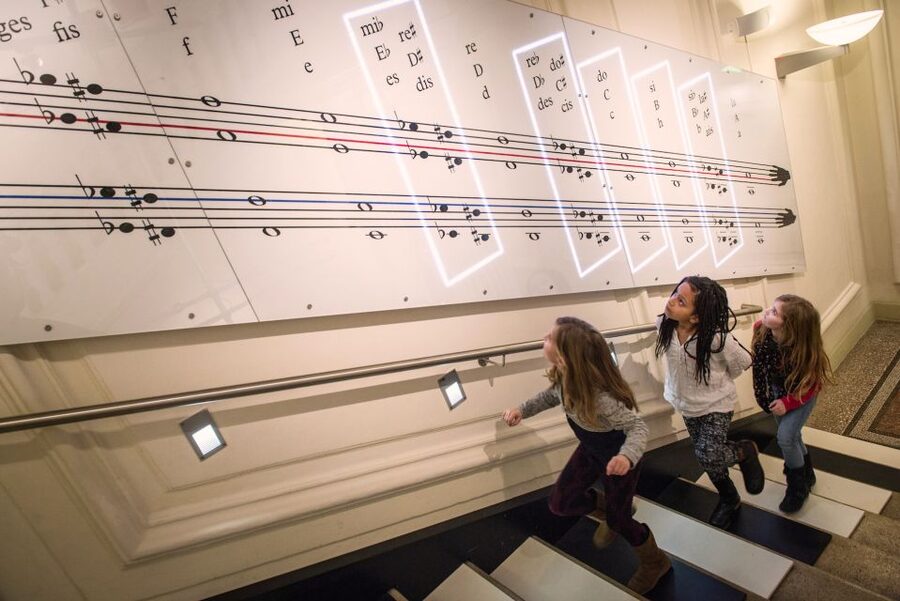
The museum is wheelchair accessible. Step-free access is available at the main and side entrances, with automatic sliding doors and accessible elevators. Accessible toilets are located in the inner courtyard and on the top floor.
A person accompanying a visitor with a visual impairment or a wheelchair enters free of charge. Guide dogs are permitted. Free floor plans are available at the ticket office in the same languages offered for the museum information.
Bring headphones if you plan to use the smartphone guide. The free e-guide works in eight languages, and the children’s app is available in two. You use your own smartphone, so bring it charged and ready.
Children under three enter free. The Namadeus certificate costs extra, while food and drinks are not included.
The booking terms are flexible: you can cancel up to 24 hours before the activity for a full refund, and reserve now while paying later. That can help if your Vienna plans depend on weather or changing family schedules.
Should you book Haus der Musik?
Book it if you want a Vienna museum that combines composer stories with sound science and hands-on activities. The virtual orchestra and Namadeus game give it a playful edge, while the historical floors provide enough substance for adults.
I would particularly recommend it for families, mixed-age groups, music lovers, and anyone looking for a good indoor plan in the city center. Give it more than a hurried glance if you want to read the displays and try the major activities.
Skip it only if your schedule is packed with concert halls and palace tours, or if you prefer traditional museums with little interaction. At $22, it earns its price when you use the full range of floors. For many visitors, it can be one of Vienna’s most enjoyable breaks from simply looking at beautiful buildings.
FAQ
Where is Haus der Musik located?
Haus der Musik is at Seilerstätte 30, 1010 Vienna, in Vienna’s first district.
How long is the ticket valid?
The ticket is valid for one day from the time you first activate it.
Is Haus der Musik wheelchair accessible?
Yes. The main and side entrances have step-free access, automatic sliding doors, and wheelchair-accessible elevators. Accessible toilets are located in the inner courtyard and on the top floor.
Are children admitted free?
Children under the age of three receive free admission.
Is a smartphone guide included?
Yes. A free app guide is available for download on your own smartphone in eight languages. A children’s app is available in two languages. Headphones are recommended.
Are food and drinks included?
No. Food and drinks are not included, and transfers are also not included.
Just added in Vienna
- 3 hour private tour in Vienna by private car★ 4.4 · 6 reviews
- Private Christmas Markets Walking Tour Vienna★ 5.0 · 31 reviews
- Christmas Markets & Shopping in Vienna★ 5.0 · 17 reviews
- Christmas Market Vienna Tour★ 4.0 · 53 reviews
- Vienna: Christmas Markets Tour★ 4.3 · 99 reviews
- Private Hidden Vienna Walk — Stories Behind Quiet Corners★ 5.0 · 137 reviews
- Konzerte der Wiener Royal Orchester★ 4.5 · 143 reviews
- Mozarthaus Vienna Admission Ticket★ 3.0 · 139 reviews
Tours in Vienna, compared.
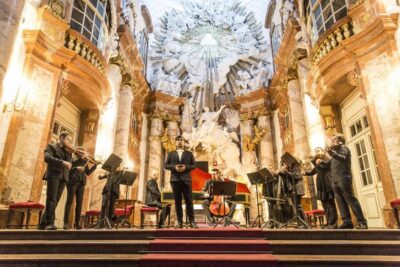
Vivaldi’s Four Seasons Concert in Karlskirche
Read our review →
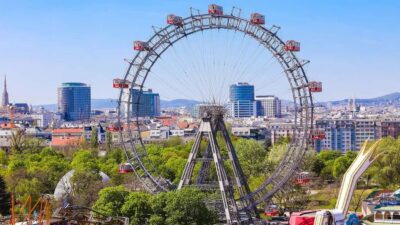
Skip-the-cashier-desk-line Giant Ferris Wheel Ride
Read our review →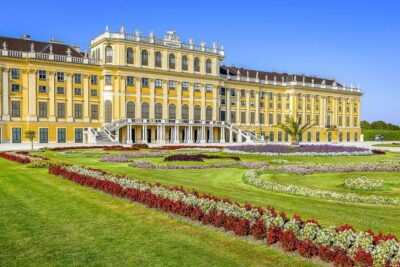
Schönbrunn Palace & Gardens Skip-the-Line Tour
Read our review →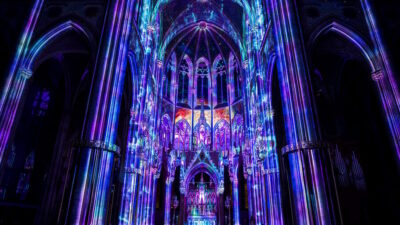
Light of Creation Votive Church Immersive Light Show
Read our review →

Classical Concert in the World-Famous Musikverein
Read our review →
Skip-the-Line Sisi Museum, Hofburg and Gardens Tour
Read our review →Browse the lists this tour appears in