
Reviewed · SELF-GUIDED TOURS
Vienna: Tickets for Mozarthaus Vienna with Audio Guide
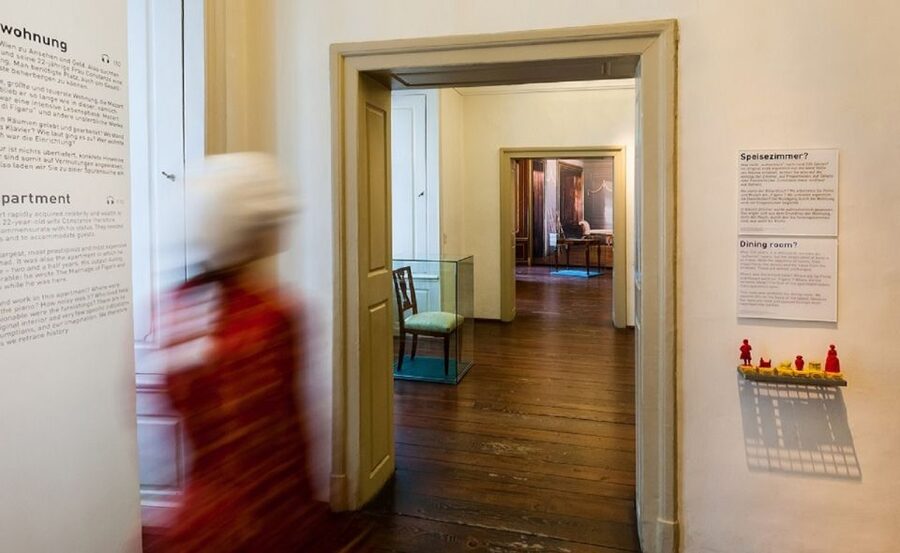
Mozart’s only preserved Vienna apartment is the heart of this visit. At Mozarthaus Vienna, you walk through the rooms where he lived from 1784 to 1787 and composed more music than anywhere else, including his famous Figaro. I like the chance to connect a major work with a real address, and I like the self-guided format, which lets you set your own pace.
The audio guide adds useful context in 13 adult languages, with a children’s version in eight. The museum is also wheelchair accessible, and the optional Haus der Musik ticket makes sense if you want a fuller day of music. The main drawback is that much of the visit consists of text panels, images, and listening while standing, with few original Mozart objects and no photography inside.
Key points to know before you go
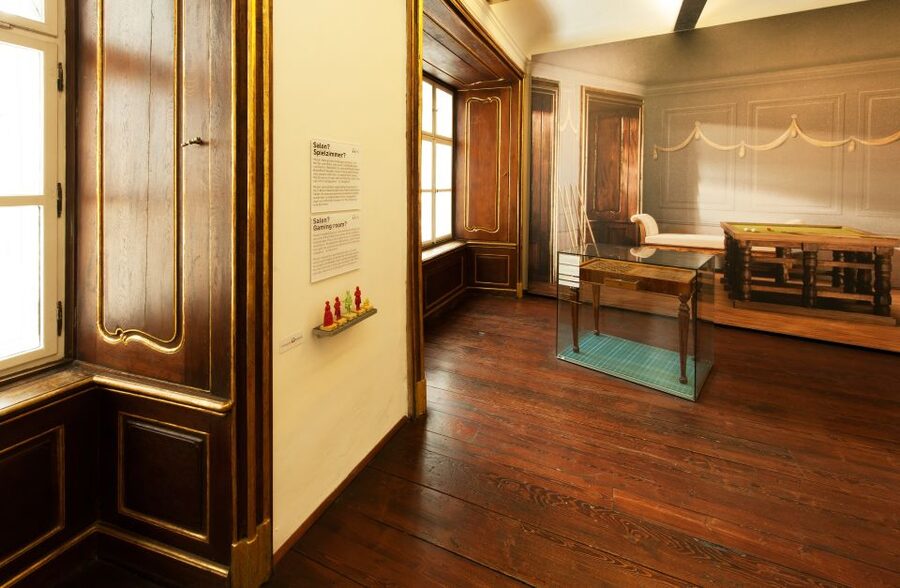
- Mozart’s only preserved Vienna apartment: See the rooms connected with his most productive Vienna years, from 1784 to 1787.
- The Marriage of Figaro connection: Learn about the apartment where Mozart composed this famous opera.
- Audio guide included: Adult commentary is offered in 13 languages, and a children’s guide is available in eight.
- Mostly a museum of information: Expect historical displays, images, and explanations rather than a furnished home full of Mozart relics.
- Optional Haus der Musik pairing: The Mozart and More ticket adds a four-floor interactive music museum in central Vienna.
- Useful practical limits: Photography and video recording are not allowed inside, and you should bring a passport, ID card, or student card.
Entering Mozart’s Vienna apartment
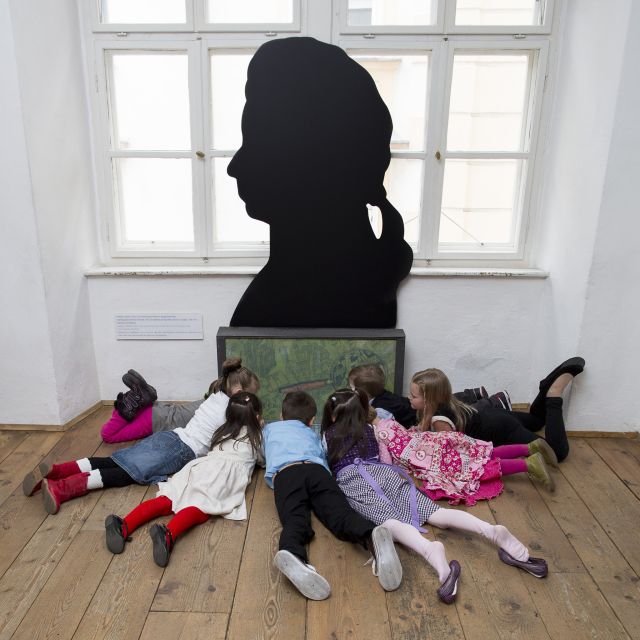
Mozarthaus Vienna gives you something that many composer museums cannot: a genuine address tied to a major period of creative work. Mozart lived here from 1784 to 1787, during the years when his career in Vienna was at its height. This is the apartment where he composed The Marriage of Figaro, so the visit is not just about a famous man’s birthplace or final home. It focuses on the period when he was actively shaping his public and musical life in Vienna.
That connection is the strongest reason to come. You can walk through the preserved apartment and then learn how Mozart worked, what Vienna was like in his time, and how his music fit into the city around him. I find that kind of setting more useful than seeing a collection of objects without a clear link to place.
Keep your expectations in check, though. The apartment is not presented as a fully furnished home with Mozart’s desk, wardrobe, and personal effects in every room. Some spaces feel empty, and only a small number of original objects are displayed. The museum is careful to explain the building and period, but it cannot recreate every detail of Mozart’s daily life.
More to book in Vienna
- Vienna: New Hofburg Palace Audio-Guided Tour & Entry Ticket
★ 4.1 · 566 reviews - Vienna: Schlumberger Wine Cellar Guided or Self-Guided Tour
★ 4.8 · 285 reviews - Salzburg: Cathedral Entry Ticket with Audio Guide Option
★ 4.4 · 134 reviews
Three levels that put Mozart’s Vienna years first
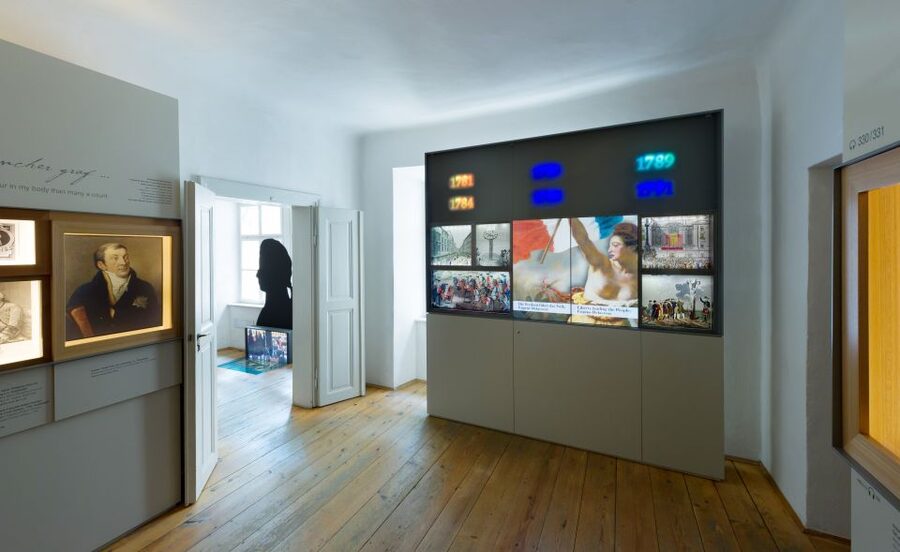
The exhibition spreads across three levels around the apartment. Its main focus is Mozart’s Vienna period, rather than a full cradle-to-grave biography. You will find information about his life, his important works, the people around him, and the city in which he lived and worked.
That focus is helpful if you already know the basic Mozart story and want more detail about his mature career. It is less satisfying if you want a complete account beginning with his childhood and early tours. One useful improvement would be a short introduction to his life before Vienna, but the museum clearly gives priority to the years from 1784 to 1787.
Much of the display uses written panels, photographs, reproductions, and visual material. The exhibition is well structured, but it asks you to read and listen. If you are not especially interested in Mozart, some sections may feel slow, particularly when you are standing in one place to finish an audio segment before moving onward.
I would allow enough time to listen properly rather than rushing from room to room. The exact visit length is not specified, and your pace will depend on how much of the commentary you choose to hear. You can keep it brief by selecting the main points, or stay longer with the works and historical details that interest you most.
What the audio guide adds
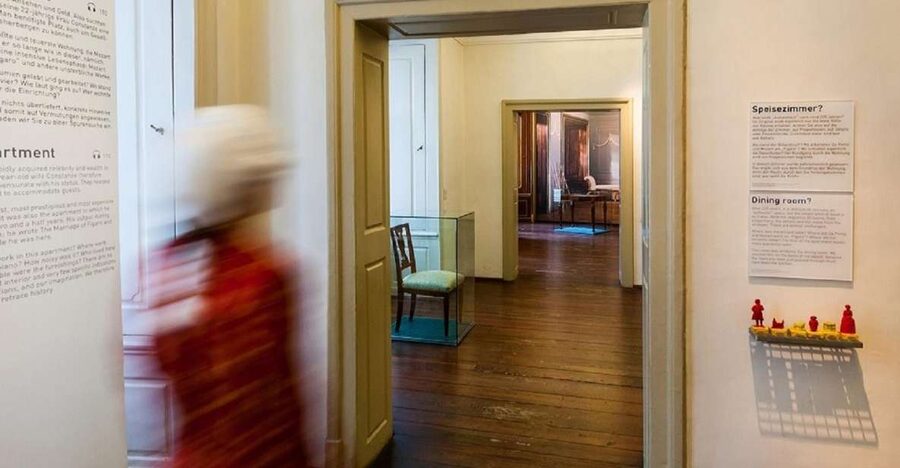
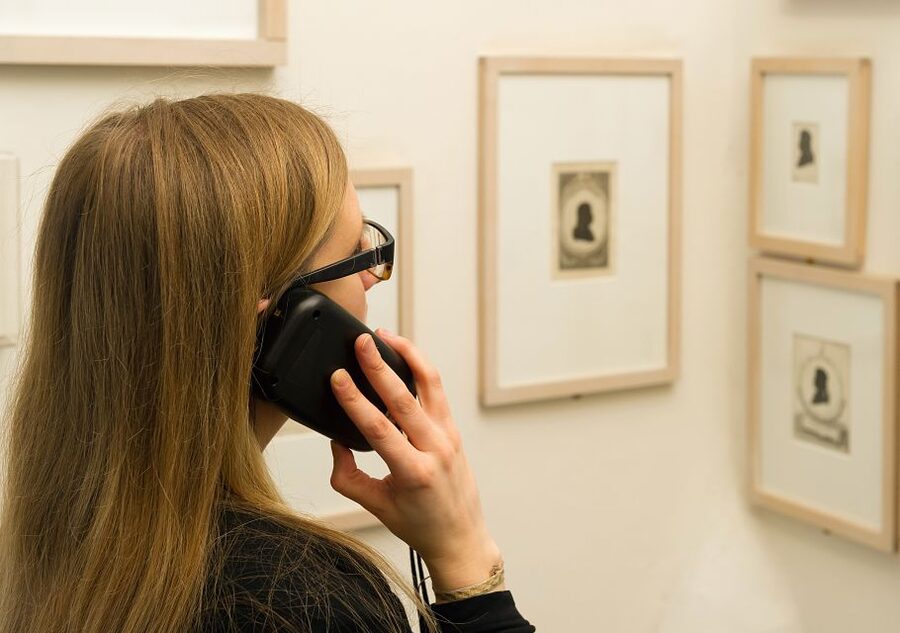
The audio guide is included with admission and is one of the most useful parts of the experience. Adult commentary is available in English, German, Slovak, Spanish, French, Hungarian, Italian, Polish, Russian, Chinese, Czech, Japanese, and Korean. A children’s audio guide is also available in eight languages, making the visit more practical for families.
I like the flexibility of an audio tour here. You can listen in your own language, pause when you need to look at a display, and spend less time on sections that do not interest you. The commentary helps turn what might otherwise be a series of rooms and information boards into a story about Mozart’s work and Vienna life.
There is one practical point to check before arrival. Some ticket arrangements use your own mobile phone for the audio tour, while other visitors have received a separate audio device. Bring headphones if you want your hands free and confirm how the guide works with your chosen option. A phone-based guide may also depend on a working connection or the museum’s Wi-Fi, so it is sensible to arrive with your phone charged.
The audio content can be lengthy. Some people will enjoy that level of detail, while others may find themselves waiting for a track to finish before continuing. You do not have to treat every stop as a required lecture. Use the guide as a tool, not a test, and move on when you have had enough.
The rooms, the displays, and the missing relics
The pleasure of Mozarthaus Vienna comes from the address itself. You are seeing the place where Mozart lived during a key stretch of his career, and the layout gives you an idea of the kind of urban home he occupied. That is different from viewing a portrait or listening to a recording in a modern concert hall.
Still, this is not a room-by-room recreation filled with personal belongings. The displays contain few objects that Mozart himself used, and some of what you see is not original to him. A piano connected with the period is particularly tempting to look at, but you should not expect an interactive instrument or the chance to play it.
This distinction matters when you compare Mozarthaus with other composer museums. If you want original manuscripts, furniture, instruments, and personal possessions, you may find the collection modest. If you want historical setting, musical explanation, and a clearer picture of Mozart’s Vienna years, the museum offers more.
The exhibition also changes its special display each year, and that temporary exhibition is included in admission. Because the topic changes, it is worth checking what is showing when you plan your visit. It may add a fresh angle for repeat visitors, though the permanent exhibition remains the main reason to come.
A different kind of evening in Vienna:
- Vienna: Vivaldi’s Four Seasons Concert in Karlskirche
★ 4.7 · 14,951 reviews - Vienna: Spanish Riding School Training
★ 3.9 · 9,281 reviews - Vienna: Skip-the-cashier-desk-line Giant Ferris Wheel Ride
★ 4.5 · 7,859 reviews - Vienna: Schönbrunn Palace & Gardens Skip-the-Line Tour
★ 4.7 · 7,739 reviews
Why the Figaro connection matters
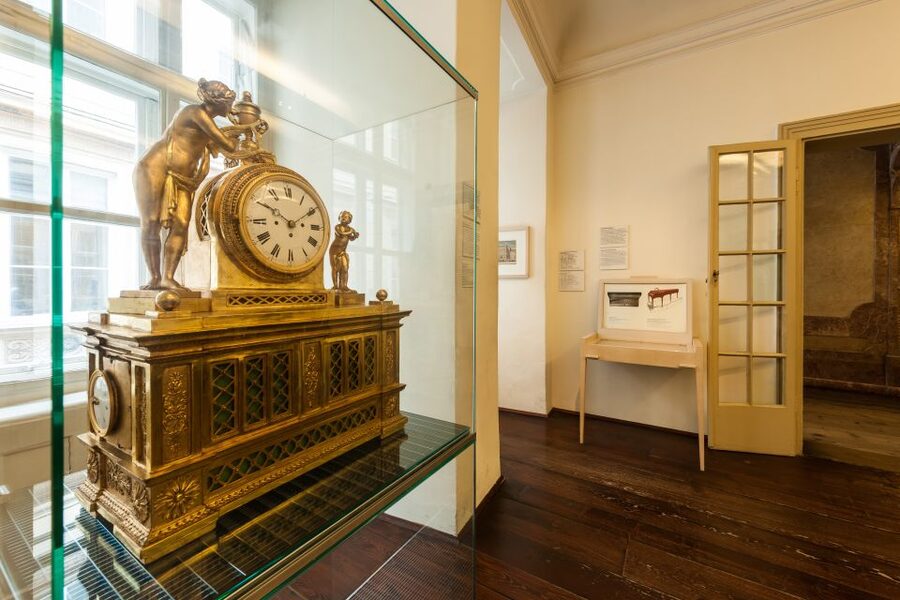
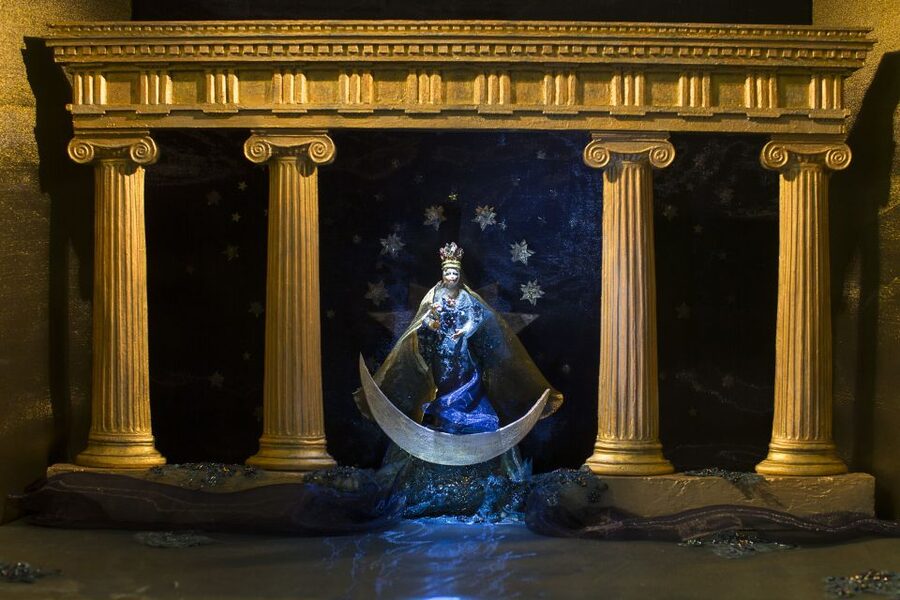
Mozart’s connection with The Marriage of Figaro gives the visit a strong center. The opera is one of his best-known works, and standing in the apartment where he composed it gives the music a physical setting. You are not simply reading that Mozart lived in Vienna. You are linking a major composition to the rooms where he worked.
You do not need to be an opera specialist to get something from this. The audio guide provides the background, and the wider display explains Mozart’s work in the context of his Vienna years. If you already know Figaro, you may find the connection especially rewarding. If you do not, listen to a little of the music before visiting so the story has a stronger sound in your mind.
The museum does not appear to be built around live performance, and the ticket itself does not include a concert. Some people confuse Mozart-themed museum visits with concert packages, so check your selected option carefully. The Mozarthaus admission covers the museum and audio guide. Haus der Musik is an optional addition, not part of every ticket.
Adding Haus der Musik for a fuller music day
The Mozart and More combo ticket combines Mozarthaus Vienna with Haus der Musik. This is a sensible pairing because the two places offer different kinds of visits.
Mozarthaus is historical and focused. You walk through Mozart’s preserved apartment, follow the story of his Vienna years, and study material about his life and work. Haus der Musik is modern and interactive, spread across four floors of a historic palace, with displays that invite you to try making music yourself.
I would choose the combo if you are building a full music-themed day in central Vienna, especially with children or with people who may lose patience with long text panels. The interactive format at Haus der Musik can balance the quieter, more information-heavy Mozarthaus experience.
The combo is less necessary if your main goal is Mozart’s personal story. In that case, the single Mozarthaus ticket at about $18 per person keeps the visit focused and reasonably priced. The best value depends on how much time you have and how interested you are in music beyond Mozart.
Is $18 good value?
At about $18 per person, the basic ticket is fairly priced for a specialist museum in central Vienna, especially since admission includes the audio guide, cloakroom, and temporary exhibition. It is not a bargain if you expect a large collection of original Mozart belongings or a long, highly interactive attraction.
I see the value in the combination of place and explanation. The apartment alone might take less time than a large palace museum, but the three exhibition levels give you material to work through. The ticket becomes more worthwhile if you listen to the guide and care about Mozart’s Vienna period rather than simply entering to take a quick look.
The optional combo offers better value for a day built around music, since it adds Haus der Musik and its four floors of interactive displays. I would not add it automatically, though. If your schedule is already packed with Vienna’s major sights, one well-focused museum may be enough.
Practical details that affect your visit
The activity is valid for one day, with starting times based on availability. The meeting point can vary by the option you book, so read the confirmation carefully rather than assuming every ticket uses the same entrance arrangement.
Bring a passport, ID card, or student card. A student card is specifically listed among the recommended items, so have it available if you are using student eligibility.
The museum is wheelchair accessible. A cloakroom is included, which is useful in colder months. Food and drinks are not included, and transfers are not provided, but this is a city museum visit rather than a guided excursion requiring transport.
Photography and video recording are not allowed inside. That may disappoint you if you want to document the rooms, but it also means you should plan to remember the experience through the architecture, audio, and written material rather than photographs. Take your time looking at the displays before you leave.
The activity is described as a small-group experience limited to 10 participants, but the museum visit itself is self-guided. This means you should not expect a guide leading a continuous talk from room to room. The benefit is freedom to move at your own pace. The drawback is that busy periods can still make audio listening harder, particularly if another group passes through nearby.
Free cancellation is available up to 24 hours before the visit, and you can reserve now and pay later. Those terms are useful if your Vienna schedule is still changing.
Who will enjoy Mozarthaus most?
I would recommend this for Mozart fans, classical music listeners, opera lovers, and anyone who likes connecting a famous work with a real place. It is also a good starting point if you know Mozart’s name but little about his life in Vienna.
Families can make it work because of the children’s audio guide. Keep in mind that the material still includes plenty of reading, and the museum is not designed as a hands-on attraction. Pairing it with Haus der Musik gives children a more active music experience.
Casual visitors should decide based on expectations. If you want dramatic rooms, many original possessions, or a highly visual museum, this may feel restrained. If you enjoy a thoughtful audio tour and do not mind information panels, you will likely find it worthwhile.
I would also suggest it to repeat visitors who choose the annual special exhibition or want a quieter stop in the center. The audio guide makes it possible to adjust the depth of the visit, so you can return without having to treat every display as new homework.
Should you book the Mozarthaus ticket?
Book it if Mozart’s Vienna years interest you, especially the connection to The Marriage of Figaro. The preserved apartment, three-level exhibition, and multilingual audio guide provide a clear look at the period when his creative work reached its peak.
Choose the Mozart and More combo if you want a broader music day and like interactive exhibits. Skip the add-on if your time is short or your main goal is simply to see Mozart’s apartment.
My main warning is simple: do not arrive expecting a fully furnished home packed with original relics. Arrive expecting a focused museum built around a historic address, with plenty to read and hear. Bring headphones if your ticket uses your phone, respect the no-photo rule, and let the audio guide set the pace. For the right visitor, $18 buys a meaningful link between Mozart’s music and the Vienna rooms where he made it.
FAQ
What does admission to Mozarthaus Vienna include?
Admission includes entry to Mozarthaus Vienna, the adult or children’s audio guide, the cloakroom, and the special exhibition that changes each year.
In which languages is the adult audio guide available?
The adult audio guide is available in English, German, Slovak, Spanish, French, Hungarian, Italian, Polish, Russian, Chinese, Czech, Japanese, and Korean.
Is there an audio guide for children?
Yes. A children’s audio guide is available in eight languages.
Where did Mozart live in Vienna?
The museum preserves the only remaining Vienna apartment where Mozart lived. He lived there from 1784 to 1787.
Did Mozart compose The Marriage of Figaro there?
Yes. The experience highlights the apartment as the place where Mozart composed his famous Figaro.
Is Haus der Musik included with every ticket?
No. Haus der Musik admission is included only if you select the Mozart and More combo option.
Can I take photographs or record video inside?
No. Photography and video recording are not allowed inside the museum.
Is Mozarthaus Vienna wheelchair accessible?
Yes. The activity information states that Mozarthaus Vienna is wheelchair accessible.
Just added in Vienna
- 3 hour private tour in Vienna by private car★ 4.4 · 6 reviews
- Private Christmas Markets Walking Tour Vienna★ 5.0 · 31 reviews
- Christmas Markets & Shopping in Vienna★ 5.0 · 17 reviews
- Christmas Market Vienna Tour★ 4.0 · 53 reviews
- Vienna: Christmas Markets Tour★ 4.3 · 99 reviews
- From Vienna: Prague Small-Group Guided Day Tour★ 4.7 · 141 reviews
- The unknown Vienna City- a guided walking tour in 3 hours★ 4.7 · 137 reviews
- Vienna Classical Concert – Strauss in Historic 1837 Hall★ 5.0 · 136 reviews
Self-Guided Tours, compared.
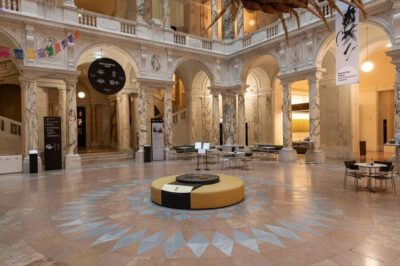
New Hofburg Palace Audio-Guided Tour & Entry Ticket
Read our review →
Schlumberger Wine Cellar Guided or Self-Guided Tour
Read our review →
Browse the lists this tour appears in