
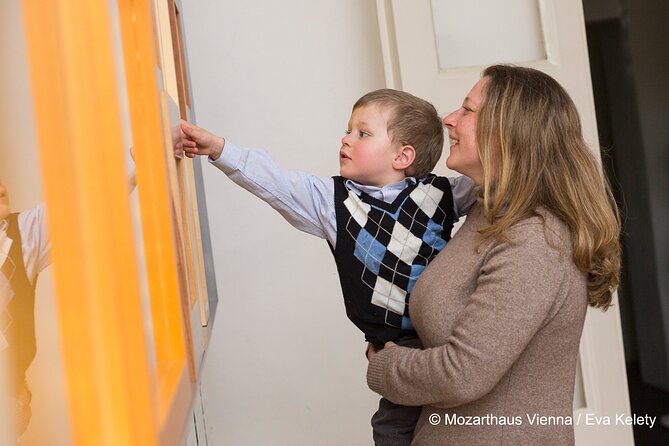
Reviewed · TOURS IN VIENNA
Mozarthaus Vienna Admission Ticket
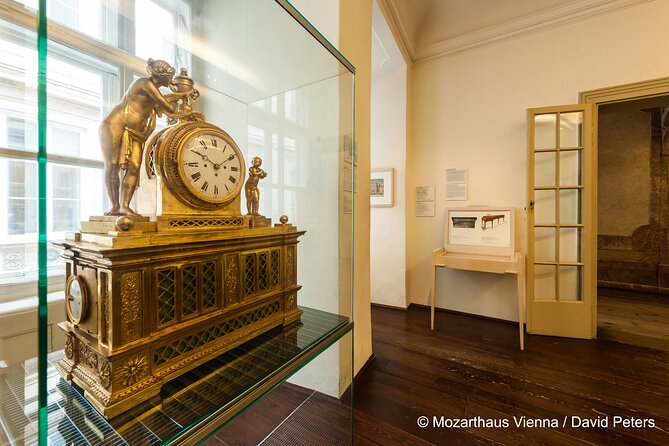
Mozart’s most important Vienna home is the heart of this museum. From 1784 to 1787, he lived in this elegant apartment and wrote The Marriage of Figaro plus three of his six Haydn Quartets. You are walking through the only Mozart residence in Vienna that remains intact, though the rooms are not furnished exactly as they were in his day.
I like the freedom to move at your own pace, and I like the audio guide, which gives the three-floor exhibition a clear shape. The displays also connect Mozart’s music to his working relationships, especially his partnership with librettist Lorenzo da Ponte. The main drawback is that original objects and period furniture are limited, so visitors expecting a fully restored historic home may feel let down.
Key points to know before you go
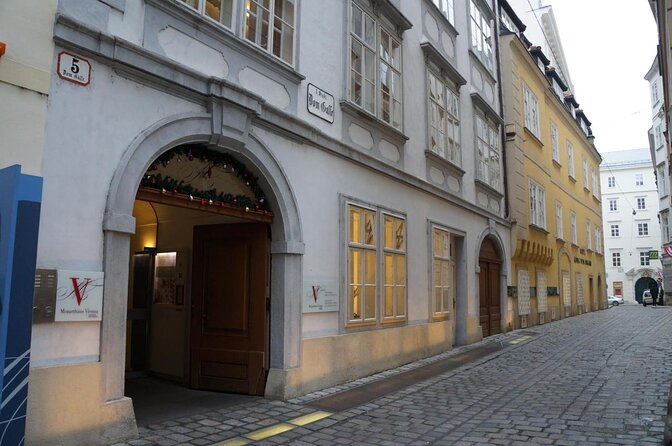
- Mozart’s 1784 to 1787 apartment: See the largest, most elegant, and most expensive home he ever occupied.
- Three floors with different themes: Learn about Mozart’s private life, musical colleagues, and major Vienna works.
- The Marriage of Figaro connection: This apartment is where Mozart composed one of his best-known operas.
- Audio guide in 21 language options: Adults can choose from 13 languages, while children have 8 choices.
- Allow one to two hours: The museum works well as a focused stop near St. Stephen’s Cathedral.
- A self-guided visit: You can take your time, but the layout and presentation may feel less polished to some visitors.
Mozart’s Vienna years begin in the apartment
Mozarthaus Vienna is not simply a room with a portrait and a few old papers. Its strongest feature is the place itself. Mozart lived here with his family from 1784 to 1787, a productive stretch during his Vienna years. This was the period when his career reached its creative peak.
The apartment is also the emotional center of the visit. You can picture Mozart working here at a time when he was composing major pieces, entertaining important people, and building his reputation in Vienna. The museum identifies it as the only one of Mozart’s homes still intact, which gives the visit more weight than a standard composer exhibit.
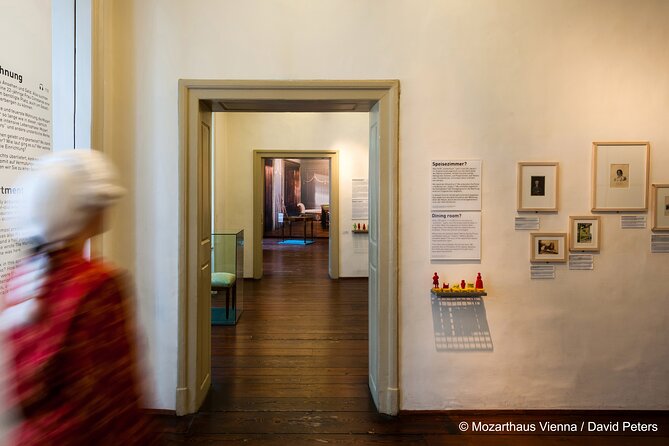
Still, keep your expectations in check. The apartment is not presented as a perfect reconstruction filled with Mozart’s personal possessions. Few pieces of furniture survive from the period, and much of what you see is interpretive material, copies, or modern exhibition design. I find the honesty useful, but you may prefer a museum with more original objects.
The home’s importance comes from what Mozart created there. The rooms connect directly with The Marriage of Figaro and three of the six Haydn Quartets. For a music lover, that link between a physical room and a famous score can be more meaningful than a large collection of unrelated artifacts.
More to book in Vienna
- Vienna: Classic Ensemble Vienna in St. Peter’s Church Ticket
★ 4.7 · 4,819 reviews - Vienna Kunsthistorisches Museum Day Admission Ticket
★ 4.6 · 3,690 reviews - Vienna: Tickets for Mozarthaus Vienna with Audio Guide
★ 4.2 · 2,344 reviews
The first floor gives the visit its purpose
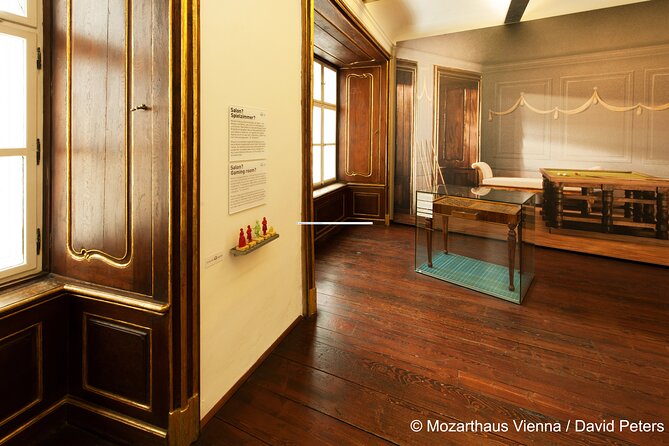
Start with Mozart’s apartment on the first floor. This is the section to take slowly, even if you have limited time. The museum identifies it as the largest and most expensive apartment Mozart ever occupied, which tells you something about his social position during these years.
You will not find every room restored to its original appearance. Instead, the presentation helps you understand the scale and status of the residence, while the audio guide explains Mozart’s life there. The result is part historic building and part museum display.
I recommend using the audio guide rather than rushing through the rooms. It adds context to details that could otherwise seem bare. It also helps explain why this particular home matters, even when there is no original chair, desk, or household object to make the connection obvious.
Photography rules may also affect your visit. One visitor noted that photographs were not allowed inside the house, so plan to look closely rather than rely on your phone. That restriction can be frustrating, but it encourages you to pay attention to the rooms and the views from the windows.
The apartment works best for visitors who already know a little Mozart, though you do not need to be a classical music expert. If you recognize The Marriage of Figaro or have listened to the Requiem, you will likely feel the connection more strongly. If Mozart is new to you, the guide gives enough background to make the visit worthwhile.
The second floor links Mozart to da Ponte
The second floor shifts from the apartment itself to Mozart’s working world in Vienna. Here, the exhibition covers his main musical and composer colleagues and his cooperation with Lorenzo da Ponte.
That partnership matters. Da Ponte wrote the librettos for The Marriage of Figaro and Don Giovanni, two operas that remain central to Mozart’s reputation. Seeing the composer through these collaborations gives you a better sense of how much his success depended on people around him.
This floor is less about standing in an original room and more about following ideas. You learn how Mozart’s music fit into Vienna’s creative scene and how his professional relationships shaped the works he produced. The exhibits include original manuscripts and other documents, although the collection is not large.
A partial manuscript from Mozart’s Requiem is one of the most memorable items mentioned by visitors. Do not expect a vault full of handwritten scores. Instead, think of the documents as small but valuable links to the composer’s working process.
The displays also include clips from opera performances, including productions from the Metropolitan Opera. These give the music a sense of movement and sound, which is helpful in a museum where much of the material is visual and textual.
The mix of contemporary displays and historic documents will suit some people better than others. I appreciate the way it brings the music to life, but if you want a traditional museum filled with original furniture and handwritten pages, you may find the presentation thin.
The third floor explains Mozart the person
The third floor looks at Mozart’s personal and social life in Vienna. It begins with Mozart’s own description of his new home as a magnificent place, then uses the exhibition to explain his situation in the city.
This section helps balance the apartment and musical displays. You are not only seeing where he worked. You are also learning about the people, pressures, and social setting around him. The museum’s goal is to show Mozart as a working composer with a private life, not just as a famous name attached to familiar melodies.
Photographs and information about the women who influenced or inspired Mozart form part of this personal side of the presentation. The material can make him feel less distant, especially if you are interested in the people behind the music.
The third floor may take less time than the apartment, depending on how closely you read the displays. Use the audio guide to keep the details in order. Since the visit is self-guided, you can linger over the subjects that interest you and move quickly past material that feels less relevant.
Some people report finishing in about an hour, while others spend close to two hours. Both are reasonable. If you listen to every audio section and study the manuscripts and performance clips, plan for the longer visit.
A different kind of evening in Vienna:
- Vienna: Vivaldi’s Four Seasons Concert in Karlskirche
★ 4.7 · 14,951 reviews - Vienna: Spanish Riding School Training
★ 3.9 · 9,281 reviews - Vienna: Skip-the-cashier-desk-line Giant Ferris Wheel Ride
★ 4.5 · 7,859 reviews - Vienna: Schönbrunn Palace & Gardens Skip-the-Line Tour
★ 4.7 · 7,739 reviews
The audio guide makes a real difference
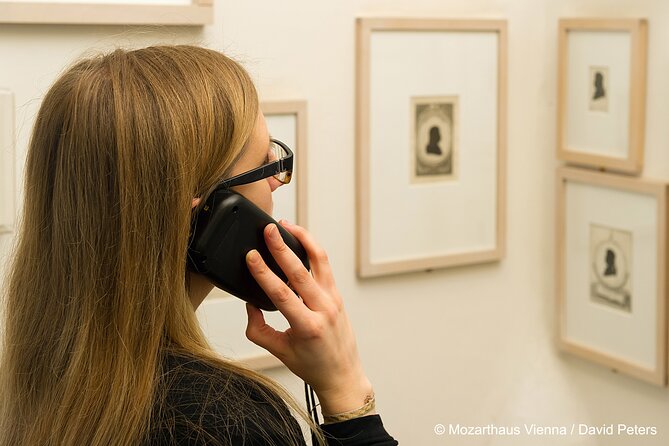
The audio guide is included and available in 13 languages for adults and 8 for children. That is a useful feature because the exhibition covers names, relationships, and musical works that can become confusing without explanation.
You do not need to bring your own headphones. The guide is intended to support a self-paced visit, so you can pause, move on, or spend extra time in a room without keeping up with a group.
I would allow at least an hour if you want the basic story, and closer to two hours if Mozart is a major reason for your Vienna visit. The guide is especially useful on the second and third floors, where the importance of the documents and relationships is not always obvious from the displays alone.
There is no named live guide listed for this admission. That is both a strength and a weakness. You avoid being tied to a fixed group or schedule, but you also miss the chance to ask questions or hear a personal interpretation from a local expert.
The flexible format is good for families and independent visitors. Children can use a separate language selection, and most people can take part. Service animals are allowed, and the museum is near public transportation.
How the price compares with the experience
At about $19.27 per person, this is not the cheapest small museum stop in Vienna. Its value depends heavily on your interest in Mozart and your willingness to use the audio guide.
I think the price is fair for a dedicated Mozart visit because admission covers three floors and the historic apartment. You are paying for the building, the exhibition, the documents, and the chance to connect specific works with the rooms where Mozart lived and composed.
The value is weaker if you expect a fully furnished period home. The museum contains relatively few artifacts from Mozart’s own life, and some documents are copies. One visitor found the presentation poorly organized, while another described it as a small museum packed with useful information. That difference comes down to expectations and pacing.
For music lovers, the apartment and manuscript material can justify the cost. For casual visitors with only a passing interest in classical music, the nearby sights around St. Stephen’s Cathedral may offer a stronger use of limited time.
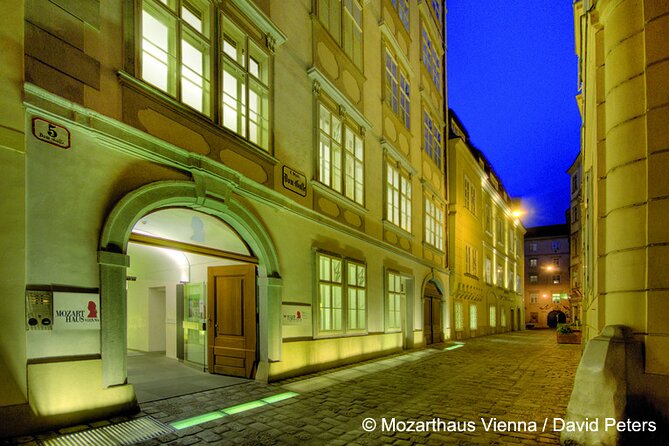
The museum is also easy to fit into a Vienna day. It is near St. Stephen’s Cathedral, and the surrounding walk is part of the appeal. You can combine the visit with the cathedral area without setting aside half a day.
A practical plan for your visit
The museum is open daily from 10 a.m. to 7 p.m. That broad schedule gives you room to visit before dinner, after a morning in central Vienna, or between other sights.
Because admission is flexible and self-guided, you do not need to build your day around a group departure. Confirmation is provided when you book, and the ticket is mobile, which keeps the process simple. Still, carry the booking confirmation where you can reach it. One person had a delay at the entrance because the mobile ticket was not recognized immediately.
The stated group size is a maximum of 10 people, though this is an admission experience rather than a conventional guided tour. The small maximum should help limit crowding, but your pace inside remains your own.
Wear comfortable shoes for a one to two hour visit, especially if you plan to continue walking around central Vienna afterward. Food and drinks are not included, so plan to eat elsewhere. The museum is best treated as a cultural stop, not a meal-based attraction.
Free cancellation is available up to 24 hours before the start time. If you cancel later than that, the amount paid is not refunded, and late changes are not accepted. Keep the local cut-off time in mind when adjusting your plans.
Who will enjoy Mozarthaus Vienna most?
I would choose this museum for a Mozart fan, a classical music listener, or anyone curious about how a composer lived while producing major work. The connection to The Marriage of Figaro is especially strong, and the apartment gives the visit a sense of place that a concert hall alone cannot provide.
It also suits visitors who like to read, listen, and set their own pace. You can spend extra time with a manuscript, skip a section, or pause the guide without holding up a group.
Families may find the children’s audio options useful, though the experience remains focused on music and documents rather than hands-on activities. If your children need a highly interactive museum, this may not hold their attention for the full two hours.
I would be cautious if your main goal is to see original household objects. The museum is open about the limits of the surviving material, but the result still includes reproductions, copies, and modern displays. You will gain context and a strong sense of place, not a perfectly preserved Mozart home.
Should you book this Mozart apartment visit?
Book it if you want to stand in the home where Mozart lived during one of his most productive Vienna periods. The apartment, the da Ponte material, the audio guide, and the Requiem manuscript section give the visit a clear purpose.
Skip it if you have little interest in Mozart or want a large collection of original objects. At $19.27, the ticket is reasonable for a focused music museum, but it is not a bargain if you rush through in 30 minutes.
My practical choice would be to allow 90 minutes, use the audio guide, and visit while you are already near St. Stephen’s Cathedral. That gives you enough time to appreciate the apartment and the music without turning a small museum into an exhausting assignment.
FAQ
How long does a visit to Mozarthaus Vienna take?
The visit takes approximately one to two hours. You may finish closer to an hour if you move quickly, or spend nearer two hours if you listen to the audio guide and study the displays.
What languages are available on the audio guide?
The audio guide is available in 13 languages for adults and 8 languages for children.
What are the museum’s opening hours?
Mozarthaus Vienna is open daily from 10 a.m. to 7 p.m.
Is Mozart’s apartment original?
The apartment itself is the only Mozart residence that remains intact. However, it is not furnished as a complete period reconstruction, and some displayed materials are copies or reproductions.
Is food or drink included with admission?
No. Food and drinks are not included.
Can I cancel the booking for a refund?
Yes. You can cancel up to 24 hours before the experience start time for a full refund. Cancellations or changes made less than 24 hours in advance are not refunded or accepted.
Just added in Vienna
- 3 hour private tour in Vienna by private car★ 4.4 · 6 reviews
- Private Christmas Markets Walking Tour Vienna★ 5.0 · 31 reviews
- Christmas Markets & Shopping in Vienna★ 5.0 · 17 reviews
- Christmas Market Vienna Tour★ 4.0 · 53 reviews
- Vienna: Christmas Markets Tour★ 4.3 · 99 reviews
- Vienna: A Little Night Music – Concert at Capuchin Church★ 4.8 · 145 reviews
- Vienna: Naschmarkt Guided Food Tour★ 4.4 · 140 reviews
- From Vienna: Prague Small-Group Guided Day Tour★ 4.7 · 141 reviews
Tours in Vienna, compared.
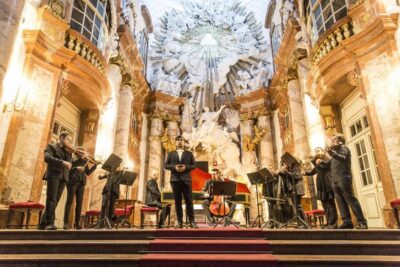
Vivaldi’s Four Seasons Concert in Karlskirche
Read our review →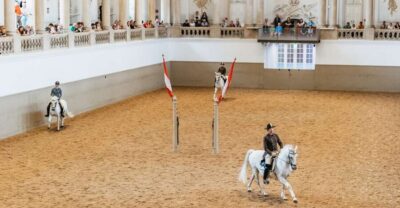
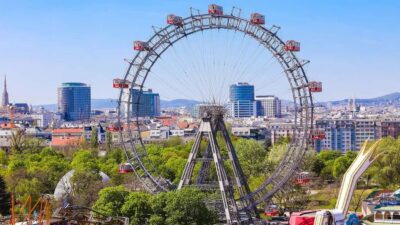
Skip-the-cashier-desk-line Giant Ferris Wheel Ride
Read our review →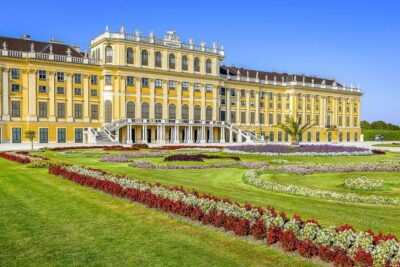
Schönbrunn Palace & Gardens Skip-the-Line Tour
Read our review →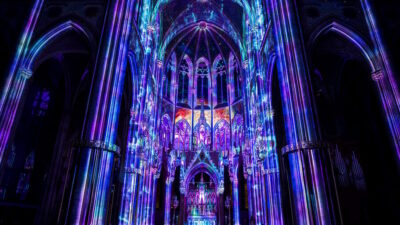
Light of Creation Votive Church Immersive Light Show
Read our review →
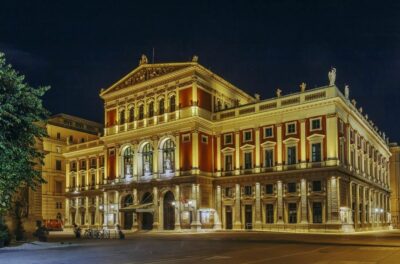
Classical Concert in the World-Famous Musikverein
Read our review →
Skip-the-Line Sisi Museum, Hofburg and Gardens Tour
Read our review →Browse the lists this tour appears in