Reviewed · TOURS IN VIENNA
Entrance ticket Heidi Horten Collection Vienna
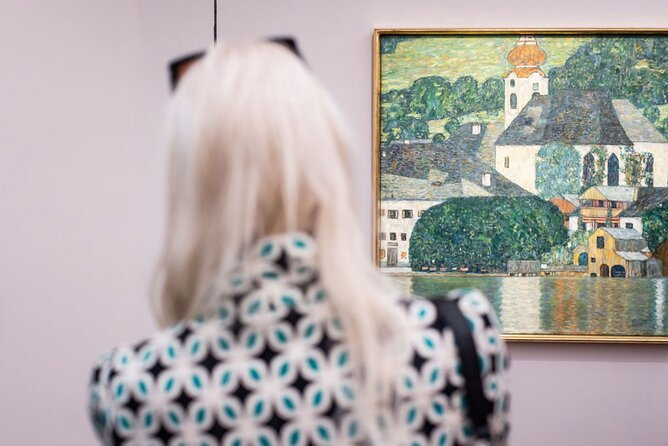
The Heidi Horten Collection is not a quiet march through one school of art. It is a bold meeting of Klimt, Warhol, Basquiat, Picasso, and other modern masters, shown inside a striking open building near Vienna’s State Opera. The current exhibition, The Line, adds works by Schiele, Klee, Fontana, Pollock, Agnes Martin, and Chiharu Shiota.
I like two things right away: the central location makes this an easy add-on to the Albertina, and the included audio guide gives you a way to make sense of an unusual private collection. The compact size also works well when you have only an hour or two. The drawback is the loose mix of artists and periods. If you prefer a clear timeline or a single artistic movement, the display may feel more like an art collector’s personal selection than a traditional museum.
Key points to know before you go
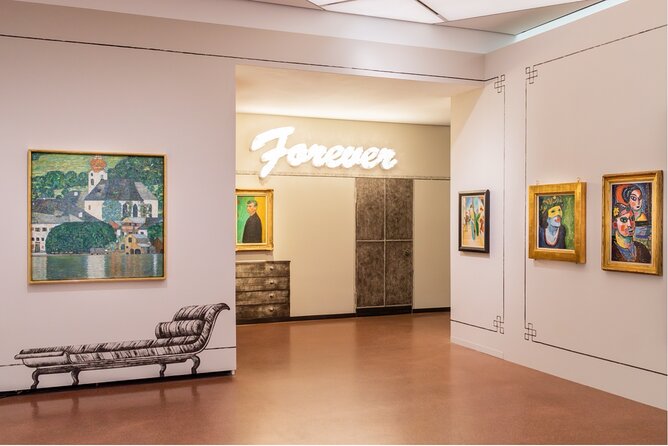
- Klimt to Warhol: The permanent exhibition brings together major names from modern and contemporary art, including Bacon, Chagall, Fontana, Haring, Klee, Lichtenstein, Magritte, Nolde, Picasso, Rothko, and Warhol.
- The Line runs through 8 March 2026: This special exhibition studies the line as a basic tool of art, from Vienna around 1900 to the present day.
- A compact central museum: Plan on roughly 1 to 2 hours, with the State Opera and Albertina close by.
- Audio guide included: Use the guide to add context to a collection that does not follow a simple historical path.
- Architecture is part of the experience: Open sightlines and unusual staging make the building feel like part of the exhibition.
- Good value for a short visit: At about $14.38 per person, admission is reasonable if you want a focused modern-art stop rather than a full-day museum.
A private collection with a very public presentation
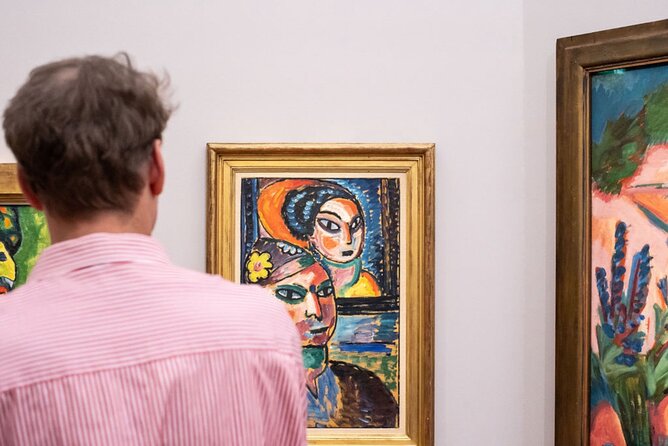
The Heidi Horten Collection gives you a look at one person’s taste in modern and contemporary art. That matters because the museum does not try to present a neat survey of art history. Instead, the permanent display, titled Klimt ⇄ Warhol, places famous works and less familiar names in conversation with one another.
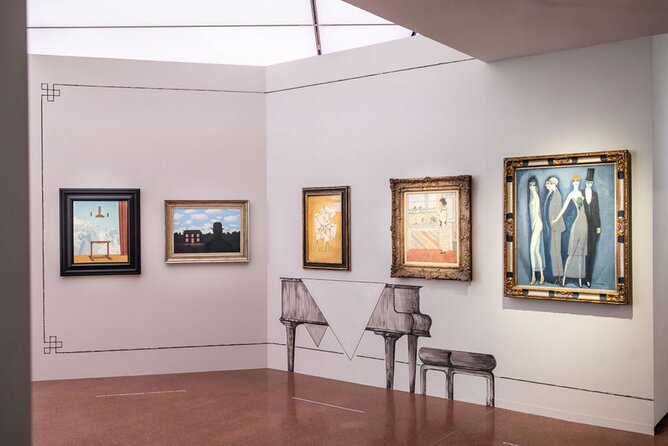
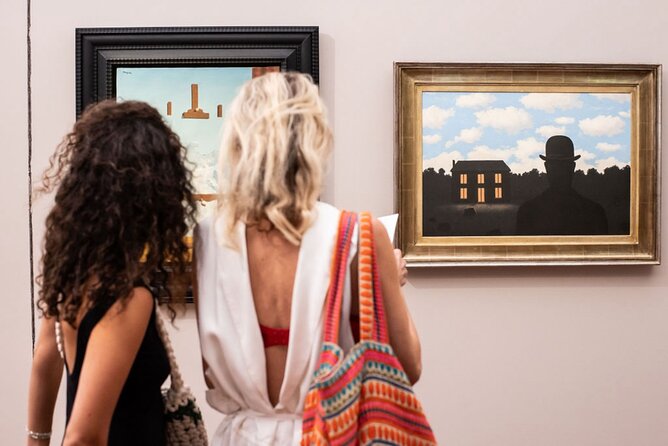
You may move from the decorative intensity of Gustav Klimt to the clean repetition of Andy Warhol, then encounter artists such as Jean-Michel Basquiat, Francis Bacon, Marc Chagall, Roy Lichtenstein, Pablo Picasso, and Mark Rothko. The pleasure comes from the contrast. The challenge comes from the same source.
I like this sort of museum when I want to compare moods, colors, and ideas rather than follow dates on a wall. You can see how different artists treat the human figure, abstraction, popular culture, and emotion. But you should not expect every room to explain a smooth progression from one movement to the next.
The collection’s origins also give the museum a personal character. The display reflects the founder’s choices, and the museum openly presents itself as different from the classic white-walled art gallery. Some rooms use furniture, curtains, and theatrical staging rather than keeping every work in a plain, neutral setting.
That approach will work beautifully for some people. It gives the museum a sense of personality and makes the building feel active. For others, the visual design may distract from the paintings. I recommend using the audio guide and taking a little time with each room before deciding if the unusual staging helps or gets in the way.
More to book in Vienna
- Vienna: Classic Ensemble Vienna in St. Peter’s Church Ticket
★ 4.7 · 4,819 reviews - Vienna Kunsthistorisches Museum Day Admission Ticket
★ 4.6 · 3,690 reviews - Vienna: Tickets for Mozarthaus Vienna with Audio Guide
★ 4.2 · 2,344 reviews
Why the building matters as much as the art
The museum’s architecture is one of the clearest reasons to add it to your Vienna plans. Its open and transparent interior creates views from one area into another, so works can be seen across spaces rather than one at a time in sealed-off rooms.
That openness changes the visit. You are not simply moving through a sequence of white boxes. Light, sightlines, wall treatments, and room design all play a role. The building itself becomes part of the visual experience.
There is also a practical side. Open layouts can help you get your bearings quickly, especially on a first visit. You can see where you have been and where you are going. At the same time, sound from an installation may carry into another area, and narrow routes or marked boundaries can make busy moments feel less relaxed.
This is worth knowing if you want a hushed, traditional museum. The Heidi Horten Collection can be theatrical and sensory. It is designed to engage more than just your eyes, particularly in special exhibitions.
The location is excellent for a central Vienna sightseeing day. It is close to the State Opera and Albertina, and it is accessible by public transportation. If you have just finished at the Albertina, the Heidi Horten Collection is an easy second stop rather than a separate journey across the city.
Klimt ⇄ Warhol and the pleasure of contrast
The permanent exhibition is the museum’s main reason to visit throughout the year. Its title, Klimt ⇄ Warhol, points to the wide span of the collection, from Vienna’s modernist tradition to American pop art and later contemporary work.
Klimt gives the display a strong Vienna connection, while Warhol brings in repetition, celebrity, commercial imagery, and mass culture. Between them, the collection reaches across several generations and artistic styles. Bacon, Baselitz, Basquiat, Chagall, Fontana, Haring, Klee, Klein, Lichtenstein, Magritte, Nolde, Picasso, and Rothko are also part of the mix.
You will recognize some names immediately. Others may be new to you. That can be one of the museum’s best qualities, since you may leave with a short list of artists to explore later.
The collection is not enormous, which is useful in a city filled with major museums. You can spend an hour here without feeling that you have abandoned the rest of your Vienna schedule. If you prefer to study labels and listen to every audio stop, allow closer to two hours.
I suggest beginning with a broad walk through the exhibition. Notice which works pull you back. Then use the audio guide for those pieces rather than trying to absorb every detail at once. The guide is included, and the museum also makes it available through SMARTIFY for use from home, according to the museum’s own information.
The Line, from Schiele to Pollock
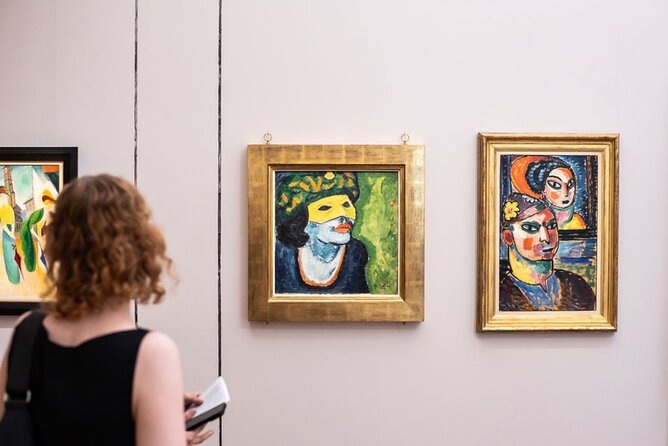
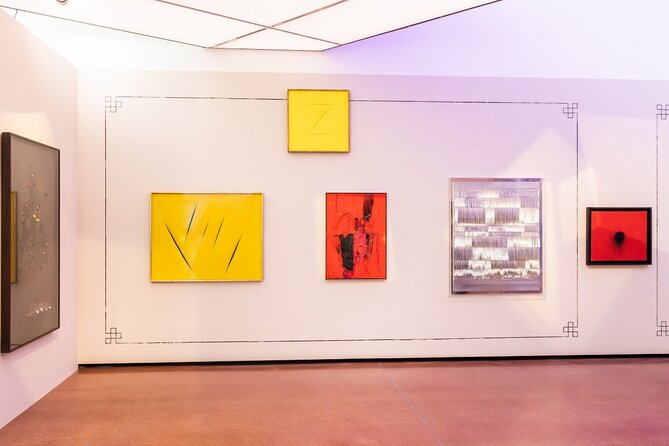
If your visit takes place between 19 September 2025 and 8 March 2026, The Line is the major temporary exhibition to watch for. It treats the line as a basic element of art, but it does not limit the subject to drawing in the narrow sense.
The exhibition follows the line through different periods, places, and artistic purposes. The journey begins with Vienna around 1900, reaches into the art of the 1960s, and continues to the present. Works come from Europe, Africa, Asia, North America, and South America.
Artists named for the exhibition include Paul Klee, Lucio Fontana, Roy Lichtenstein, Egon Schiele, Jackson Pollock, Agnes Martin, Andy Warhol, and Chiharu Shiota. That range should give you plenty to compare. A line may describe a body, cut across a surface, form a repeated pattern, suggest movement, or become the main subject of the work.
This exhibition is likely to suit you if you enjoy a theme that connects very different artists. It also offers a useful way to look at familiar names from a new angle. Instead of asking only what a work depicts, you can ask how the artist uses direction, pressure, repetition, speed, or empty space.
The subject is accessible to children and adults because everyone understands a line at a basic level. The ideas can become more complex, but you do not need specialist training to begin looking. Museum education is treated seriously here, and special programs may include creative activities and practical engagement with art.
Remember that exhibitions change. If you visit after 8 March 2026, The Line may no longer be available. The permanent Klimt ⇄ Warhol display is the more dependable part of the visit, while the temporary exhibition is the reason to check the date before booking.
A different kind of evening in Vienna:
- Vienna: Vivaldi’s Four Seasons Concert in Karlskirche
★ 4.7 · 14,951 reviews - Vienna: Spanish Riding School Training
★ 3.9 · 9,281 reviews - Vienna: Skip-the-cashier-desk-line Giant Ferris Wheel Ride
★ 4.5 · 7,859 reviews - Vienna: Schönbrunn Palace & Gardens Skip-the-Line Tour
★ 4.7 · 7,739 reviews
How much time should you allow?
The suggested visit lasts 1 to 2 hours. That estimate is sensible for the museum’s size and the amount of material on view.
Give yourself about an hour if you want a brisk look at the main rooms and a few important works. Allow two hours if you plan to use the audio guide, read labels, and spend time with The Line or another temporary show.
I would not treat this as an all-day museum. Vienna has too many other sights for that, and the Heidi Horten Collection works best as a focused stop. Pair it with the Albertina, the Opera area, or another central attraction.
The compact format also helps if you are traveling with someone who has limited museum stamina. You can see a serious selection of art without committing to the long corridors and dense collections found in larger institutions.
Is the $14.38 admission good value?
At approximately $14.38 per person, the ticket is reasonably priced for central Vienna, especially because it includes entrance, the audio guide, and taxes and fees. The value is strongest if you appreciate modern art and plan to use the guide rather than simply walk through.
The price also makes sense for a short visit. You are not paying for a full day of galleries, but you are getting access to recognized international artists, a special exhibition when the dates line up, and a distinctive building.
The value becomes less certain if your interests are limited to classical Austrian painting or traditional museum displays. You may find Klimt here, but the museum is not devoted only to Vienna around 1900. It is also not a straightforward pop-art museum, even though Warhol and Lichtenstein are important names in the collection.
I see it as a good mid-priced cultural stop. It is more substantial than a quick photo attraction, but more manageable than a massive art museum. If the special exhibition interests you, the price becomes easier to justify.
Practical details for a smooth visit
Your confirmation arrives at booking, and the ticket is mobile, so keep it available on your phone. The experience is offered in English, and the audio guide is included.
The museum is near public transportation, with the State Opera and Albertina close by. You do not need private transportation, and none is included. Snacks are also not included, so plan to eat before or after your visit in central Vienna.
Most people can take part, and service animals are allowed. The open design may help with orientation, but the unusual arrangement includes marked boundaries and some tight passages. If you need very wide, quiet, or predictable circulation space, you may want to contact the museum before visiting.
The ticket can be canceled for a full refund up to 24 hours before the scheduled start time. Changes or cancellations made within 24 hours are not refunded, and the cut-off follows Vienna local time.
Who will enjoy this museum most?
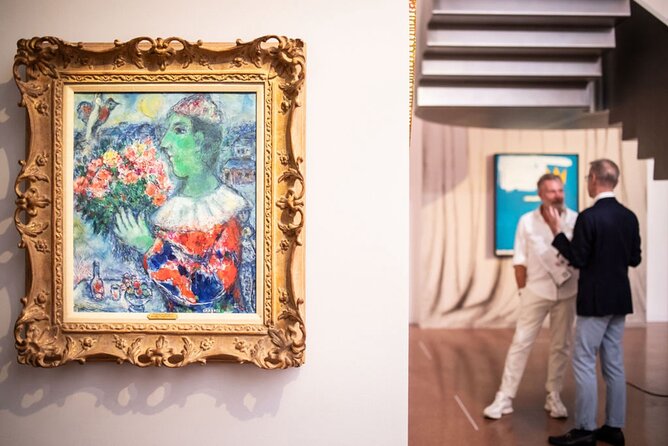
I would recommend the Heidi Horten Collection to you if you like comparing artists who normally appear in separate museums. It is a good fit for modern-art fans, pop-art fans, visitors curious about private collections, and anyone who wants a central museum that can be completed in a morning or afternoon.
It also suits repeat visitors to Vienna. You may have already seen the Albertina, Leopold Museum, or Belvedere and want something less predictable. The Heidi Horten Collection offers familiar names in an unfamiliar arrangement, along with artists you may not know.
Families and younger visitors may respond well to The Line because its central idea is easy to grasp. The museum’s education work can include guided interpretation and creative activity. The sensory quality of some exhibitions may also hold attention better than a long sequence of framed paintings.
I would hesitate if you want a clear account of one period, country, or movement. I would also think twice if decorative staging distracts you from the art. This museum asks you to accept its personal and theatrical approach.
Should you book the Heidi Horten Collection?
Book it if you want a compact, central introduction to modern and contemporary art, especially if your visit falls during The Line from 19 September 2025 through 8 March 2026. The ticket price is fair, the audio guide adds useful context, and the location makes this an easy companion to the Albertina or State Opera.
Before booking, decide what kind of museum experience you want. If you enjoy Klimt, Warhol, Basquiat, Lichtenstein, Rothko, and bold visual presentation, you will likely find plenty to hold your attention. If you prefer a quiet chronological display with one clear story, choose another museum or keep this visit brief.
My practical call: book it as a one to two hour modern-art stop, not as a replacement for Vienna’s larger museums. That framing gives the collection room to surprise you without asking it to be something it is not.
FAQ
Where is the Heidi Horten Collection?
The museum is in central Vienna, close to the State Opera and the Albertina. It is also near public transportation.
How long does a visit take?
The expected visit lasts approximately 1 to 2 hours, depending on how much time you spend with the artworks and audio guide.
What artists are included in the permanent exhibition?
The permanent exhibition, Klimt ⇄ Warhol, includes artists such as Francis Bacon, Georg Baselitz, Jean-Michel Basquiat, Marc Chagall, Lucio Fontana, Keith Haring, Paul Klee, Yves Klein, Gustav Klimt, Roy Lichtenstein, René Magritte, Emil Nolde, Pablo Picasso, Mark Rothko, and Andy Warhol.
What is The Line exhibition?
The Line examines the line as a fundamental element of art. It connects works from Vienna around 1900, the 1960s, and the present day, with artists from Europe, Africa, Asia, North America, and South America.
When is The Line on display?
The Line is scheduled from 19 September 2025 through 8 March 2026.
Is an audio guide included?
Yes. An audio guide is included with the entrance ticket.
Can I cancel the ticket?
Yes. You can receive a full refund if you cancel at least 24 hours before the experience start time. Cancellations within 24 hours are not refunded.
Just added in Vienna
- World War II History Vienna Old Town Private Walking Tour★ 4.8 · 9 reviews
- Vienna: Wiener Schnitzel and Strudel Cooking Class★ 4.9 · 126 reviews
- Vienna: Wine Tasting Tour★ 4.8 · 61 reviews
- Vienna: Winery and Wine Tasting Tour with a Wine Expert★ 5.0 · 5 reviews
- Vienna: Wine Tasting at Schönbrunn Palace★ 4.3 · 71 reviews
- Vienna: Wine Tasting E-Bike Tour★ 4.9 · 46 reviews
- Vienna: Unforgettable Private City Tour★ 5.0 · 7 reviews
- Vienna Urban Art Tour: Explore a different side of Vienna!★ 3.8 · 14 reviews
Tours in Vienna, compared.
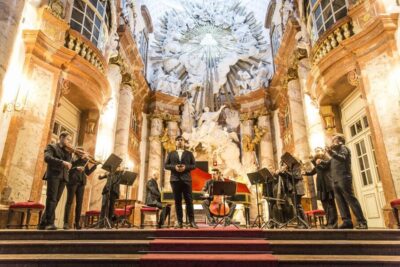
Vivaldi’s Four Seasons Concert in Karlskirche
Read our review →

Skip-the-cashier-desk-line Giant Ferris Wheel Ride
Read our review →
Schönbrunn Palace & Gardens Skip-the-Line Tour
Read our review →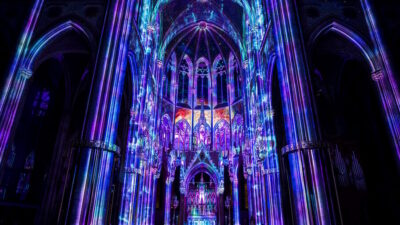
Light of Creation Votive Church Immersive Light Show
Read our review →
Classical Concert in the World-Famous Musikverein
Read our review →