Reviewed · TOURS IN VIENNA
Wien: Tour with locals on the trails of the Christmas Tree
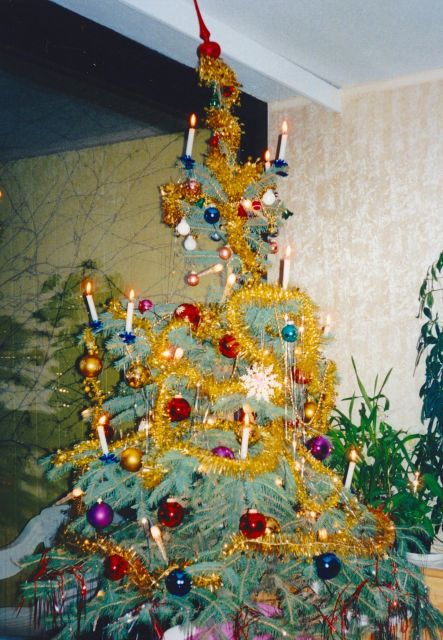
Vienna’s Christmas tree tradition has a surprisingly tangled past. On this small-group walk, you follow the story from the Anker Clock through the old center, learning how the tree arrived in Viennese society and why it caused friction with Catholic church customs.
I like the way guide Nicole ties the tree to 19th-century Viennese life, rather than treating it as a quick seasonal tale. I also like the route’s practical finish: you can continue at an Advent market for punch and holiday shopping. The main caution is that the history can sometimes outweigh the Christmas sparkle, and one English-language guest found the connections between general Vienna history and the tree hard to follow.
Key points to know
- A Christmas tree story with a social twist: Learn how the custom reached Vienna and how local society reacted to it.
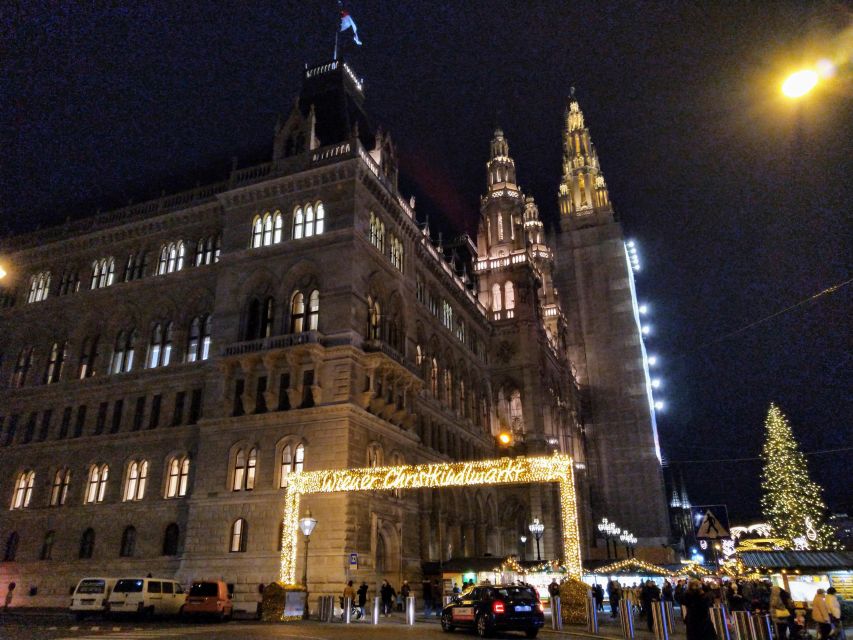
- A palace-to-palace route: The walk uses Vienna’s illuminated central streets, historic buildings, Albertina, and Rathausplatz as its backdrop.
- Nicole leads the tour: She guides in English, German, or Italian and can respond to individual interests.
- Small groups matter: Attendance is limited to 10 people, or the tour may be private for your party.
- An Advent-market finish: During the Christmas season, you can end with punch and time to browse market stalls.
- Plan for winter conditions: The tour runs in rain, snow, or sunshine, so warm clothes and comfortable shoes are essential.
Following the tree from the Anker Clock
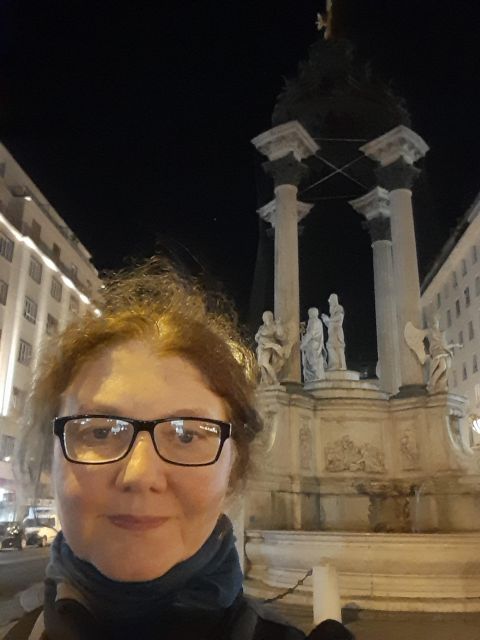
The meeting point is between Vienna’s Anker Clock and the Marriage Fountain in the historic center. This is a useful spot because both landmarks are easy to identify, though you should arrive with enough time to locate the exact position between them.
From there, the walk takes you through central Vienna for about two hours. The stated route includes roughly 90 minutes in the historic center, followed by shorter guided portions around the Albertina Museum and Rathausplatz.
The Christmas tree is the hook, but the walk is also a compact introduction to Vienna’s architecture and city life. You hear about the people who lived in the city, the customs that shaped Viennese society, and the way a familiar holiday object could carry social and religious meaning.
That wider setting is important. A Christmas tree does not appear in this tour as a stand-alone decoration. It becomes a way to talk about changing habits, urban society, and the relationship between public traditions and Catholic customs.
More days out of Vienna:
- Vienna: Vivaldi’s Four Seasons Concert in Karlskirche
★ 4.7 · 14,951 reviews - Vienna: Spanish Riding School Training
★ 3.9 · 9,281 reviews - Vienna: Skip-the-cashier-desk-line Giant Ferris Wheel Ride
★ 4.5 · 7,859 reviews
Why Vienna’s Christmas tree story is more than a seasonal anecdote
At first glance, the topic may sound narrow. In practice, it gives the guide a clear thread through several historical places. You learn about the first Christmas tree displayed in Vienna and then connect that event to the people and social world around it.
One especially useful feature is the attention to 19th-century Viennese society. Nicole explains not only how the tree tradition developed, but what it meant to belong to the city’s community at the time. That adds substance to a subject that could otherwise become a simple list of dates and decorations.
The tour also covers the conflict between the Christmas tree and Catholic churches. The route does not normally focus on churches, which is helpful if you want the tour to stay centered on civic history, palaces, streets, and holiday customs. St. Peter’s Church can be included if you specifically want to learn about it and it fits the route.
This is a good example of a tour where the guide’s storytelling matters as much as the sights. The historical pictures supplied during the walk help place people and locations in context. You are not only looking at a decorated street, you are being shown how the custom became part of Viennese life.
The historic center: architecture with a clear seasonal thread
The longest part of the outing takes place in Vienna’s historic center. Expect a walking tour through streets and squares lit for Advent, with architectural details providing the backdrop for the Christmas tree story.
You will hear about historic places and the people linked to them, while the guide explains how the city reacted to the new custom. The route moves from place to place rather than keeping you in one interior attraction, so the atmosphere changes as the evening progresses.
I like this format for a first or second day in Vienna. It gives you a useful orientation to the central area without trying to cover every major sight in detail. You also get a seasonal view of the city that a daytime sightseeing walk cannot provide.
The trade-off is pace. A two-hour walk has to cover a lot: architecture, local history, the Christmas tree tradition, religious tensions, and market advice. One local participant found the guide spoke with too few rhetorical pauses, making it hard to keep concentrating after a while. If you prefer a slow, quiet presentation with plenty of time for questions, this may feel brisk.
A small group helps. With no more than 10 participants, you can usually hear the guide more easily than in a large city walk, and you have a better chance to ask about a detail that catches your interest. The provider also allows for a group made up only of your own party, depending on the booking arrangement.
Albertina Museum: a short stop with a grand setting
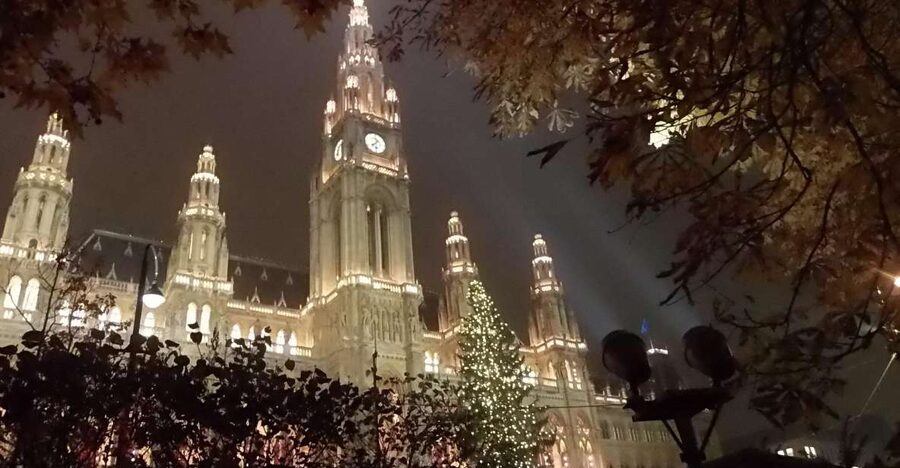
The route includes a 15-minute guided stop at the Albertina Museum. The information provided does not promise museum admission, so treat this as an exterior or location-based stop rather than a full visit inside the collections.
The Albertina adds an important architectural pause to the route. It is one of the places where Vienna’s imperial and artistic character comes into view, and its position helps connect the old center with the grand spaces farther along the walk.
Fifteen minutes is enough for orientation and explanation, not for exploring the museum itself. That is a useful distinction when planning your day. If you want to see the Albertina’s exhibitions, set aside separate time and check admission details independently.
For this tour, the value of the stop lies in the setting and the story around it. The Albertina is part of the visual sequence that makes the Christmas tree theme feel rooted in Vienna’s ceremonial center rather than placed in an ordinary shopping street.
A different kind of evening in Vienna:
- Vienna: Schönbrunn Palace & Gardens Skip-the-Line Tour
★ 4.7 · 7,739 reviews - Vienna: Light of Creation Votive Church Immersive Light Show
★ 4.8 · 6,779 reviews - Vienna Spanish Riding School Guided Tour
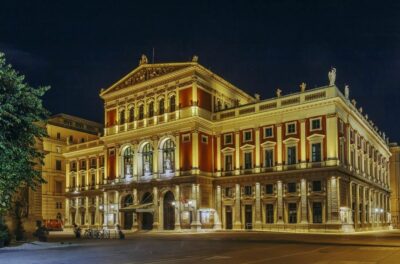
★ 4.7 · 6,765 reviews - Vienna: Classical Concert in the World-Famous Musikverein
★ 4.6 · 6,673 reviews
Rathausplatz and the final Advent-market choice
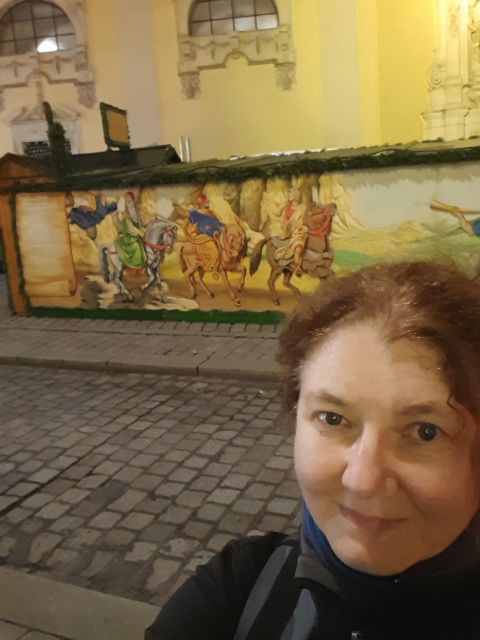
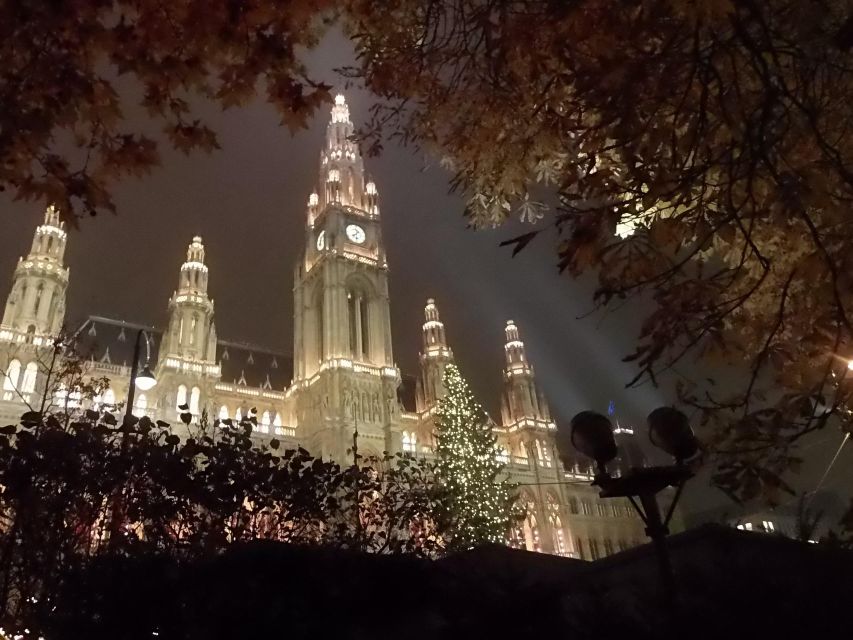
Rathausplatz is the tour’s main holiday showcase. Its Christmas market gives you the chance to see the seasonal side of Vienna at close range, with stalls, decorations, and warm drinks available after the historical walk.
The advertised plan allows you to choose between ending at Am Hof or Rathausplatz. The supplied route also gives Am Hof as the final destination, so confirm your preferred finish with the guide when you meet. This matters because the two locations place you in different parts of the center and may shape what you do next.
During Advent, you can finish with a cup of punch at one of Vienna’s markets. Food and drinks are not included in the $62 price, but the arrangement lets you decide what to buy and how long to stay. The market visit is an optional social ending, not a meal or tasting experience built into the tour.
I like this setup because the walk does not end abruptly at a street corner. You receive historical context first, then have an easy way to continue enjoying Vienna’s Christmas atmosphere on your own. You can browse the holiday products, order a warm drink, or move on to dinner elsewhere.
Keep your expectations realistic. The market stop is not a private shopping session, and the tour does not include a full meal. Its purpose is to point you toward the city’s Advent customs after the guided portion is over.
The guide makes or breaks this subject
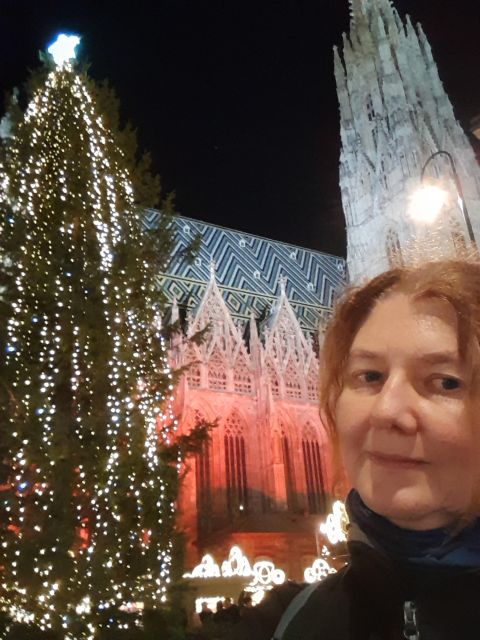
Nicole is the named guide associated with the experience, and the strongest praise centers on her command of the subject, her English, and her willingness to adjust the walk to individual interests. She has also received praise for giving useful suggestions for the rest of a stay in Vienna.
That flexibility can be valuable. If you already know the main sights, you can ask for more social history. If Vienna is new to you, you can use the walk to get your bearings and gather ideas for the next few days.
The language choice is English, German, or Italian. English delivery appears to be strong overall, though one participant found it difficult to follow the guide’s English. That is worth keeping in mind if your understanding depends on simple, slow explanations.
The subject also requires a guide who can connect details clearly. The tree’s arrival, Viennese society, architecture, and church customs are related, but they are not automatically easy to link. You may enjoy the tour most if you ask questions when the story moves from one topic to the next.
The historical pictures are a helpful part of the presentation. They give you faces and places to look for, instead of leaving the discussion at the level of abstract dates.
Is $62 fair for two hours?
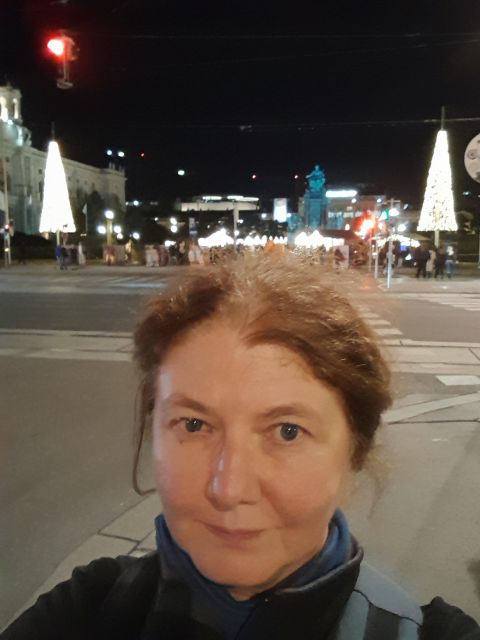
At $62 per person, this is not a bargain-priced orientation walk. The price makes more sense if you value a small group, a specialist subject, a named guide, and the chance to shape the conversation around your interests.
You are paying for a live historical walk, not for transportation, museum entry, food, or a formal market tasting. The price includes the guide and historical images, while punch and other purchases at the Advent market are extra.
For a private group or a party that wants a flexible introduction to Vienna, the value is stronger. You can cover several central areas in two hours and receive suggestions for the rest of your visit. For a solo participant mainly seeking Christmas lights and market time, the price may feel high compared with exploring the center independently.
The rating is 4.6 from seven published ratings, which suggests a generally strong response but is still a small sample. The comments point to two things you should weigh carefully: the guide’s passion and subject knowledge are major strengths, while presentation pace and clarity may vary by language and personal preference.
Timing, clothing, and the practical side
The walk lasts two hours, with starting times available according to the date. It runs during winter weather, rain, snow, or sunshine, so warm clothing is not optional. Wear shoes you can walk in comfortably and bring clothing suitable for standing outdoors.
The tour is wheelchair accessible. Because the activity takes place in the city center and includes outdoor walking, contact the provider in advance if you need specific route assistance or have questions about the meeting point.
Hotel pickup and drop-off are not included. You need to reach the Anker Clock and Marriage Fountain yourself, then make your own way onward from Am Hof or Rathausplatz.
Free cancellation is available up to 24 hours before the start for a full refund. You can also reserve now and pay later, which is useful when your Advent plans depend on weather or a changing schedule.
One unusual rule is that recording the guide’s explanations is strictly prohibited because the tour content is protected by copyright. You can take in the presentation and keep your own notes, but do not plan to make an audio or video recording.
Who will enjoy this Christmas walk?
I would choose this tour if you want a seasonal story with more substance than a simple lights-and-markets outing. It suits you if you enjoy architecture, local customs, social history, and walking from one central landmark to another.
It also works well for a parent and older child, a couple, or a small group of friends who want a focused topic but still want general Vienna context. The German review from a mother and son points to another advantage: the guide can respond to personal interests rather than giving every group exactly the same experience.
You may want something else if your priority is entering museums, seeing church interiors, tasting food, or spending most of the time at market stalls. You should also think twice if you find long spoken explanations tiring, since the story includes a fair amount of historical detail.
The best time is during Advent, when the illuminated center and market finish add visual energy. Outside the Christmas season, the central historical walk may still have value, but the punch and holiday-market element will not have the same role.
Should you book it?
Book this tour if the idea of tracing how Vienna adopted the Christmas tree sounds more interesting than simply photographing one. Nicole’s route gives the custom a human and social setting, while the old center, Albertina, and Rathausplatz supply a strong backdrop.
Skip it if you want a relaxed market crawl with little narration. The price is reasonable for a small, specialist-led walk, but only if you want the history and are ready for a steady two hours outdoors. Arrive warmly dressed, keep an open mind about the topic, and ask questions when the links between Vienna’s past and the Christmas tree need clarification.
FAQ
Where does the tour begin?
Meet between the Anker Clock and the Marriage Fountain in central Vienna.
Where does the tour finish?
You can choose to finish at Am Hof or Rathausplatz. The stated route lists Am Hof as the final point, so confirm your preferred ending with the guide.
How long does the tour last?
The tour lasts two hours.
What languages are available?
The live guide is available in English, Italian, and German.
Is the tour wheelchair accessible?
Yes, the activity is listed as wheelchair accessible.
Is food or punch included?
No. Food and drinks are not included, though during Advent you can buy punch at an Advent market after the tour.
Does the tour visit churches?
Churches are not normally presented. St. Peter’s Church can be discussed if you specifically request it and it is on the route.
What should I bring?
Bring comfortable shoes, warm clothing, and comfortable clothes. The tour takes place in rain, snow, or sunshine.
Can I cancel the booking?
Yes. You can cancel up to 24 hours in advance for a full refund.
Can I record the guide?
No. Recording the guide’s explanations is prohibited because the tour content is protected by copyright.
Just added in Vienna
- World War II History Vienna Old Town Private Walking Tour★ 4.8 · 9 reviews
- Vienna: Wiener Schnitzel and Strudel Cooking Class★ 4.9 · 126 reviews
- Vienna: Wine Tasting Tour★ 4.8 · 61 reviews
- Vienna: Winery and Wine Tasting Tour with a Wine Expert★ 5.0 · 5 reviews
- Vienna: Wine Tasting E-Bike Tour★ 4.9 · 46 reviews
- Vienna: Wine Tasting at Schönbrunn Palace★ 4.3 · 71 reviews
- Vienna: Unforgettable Private City Tour★ 5.0 · 7 reviews
- Vienna Urban Art Tour: Explore a different side of Vienna!★ 3.8 · 14 reviews
Tours in Vienna, compared.
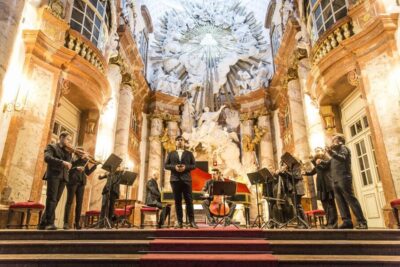
Vivaldi’s Four Seasons Concert in Karlskirche
Read our review →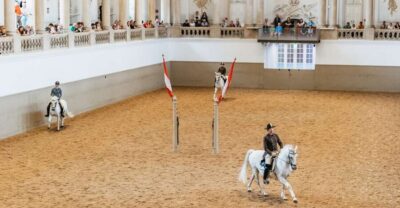
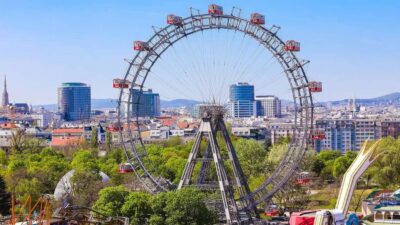
Skip-the-cashier-desk-line Giant Ferris Wheel Ride
Read our review →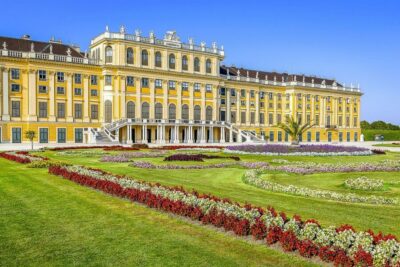
Schönbrunn Palace & Gardens Skip-the-Line Tour
Read our review →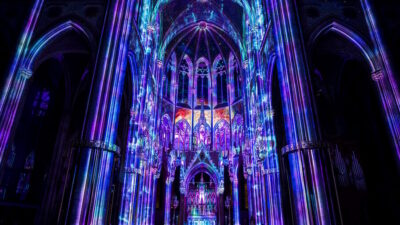
Light of Creation Votive Church Immersive Light Show
Read our review →
Classical Concert in the World-Famous Musikverein
Read our review →