
Reviewed · WALKING TOURS
Vienna: Small Group Guided Walking Tour of City Highlights
Vienna’s grand center is best understood on foot, where one block can move you from imperial power to opera, pastry, plague memorials, and Mozart. This two-hour walk links the city’s essential sights with stories about the Habsburgs, Empress Sisi, composers, coffeehouses, and the people who shaped Vienna.
I like the small group of 14 or fewer, which makes it easier to hear Maria and ask questions. I also like the practical finish: you end near St. Stephen’s Cathedral or Albertina, with food, coffee, and sightseeing suggestions for the rest of your stay.
The main limitation is clear: this is an exterior-only tour. You will see the Opera, Hofburg, Spanish Riding School, museums, and cathedral from outside, but entrance fees are not included. The route also involves steady walking and is not suitable for wheelchairs or people with mobility impairments.
Key points at a glance
- Maria’s personal guiding style: Expect lively stories, clear explanations, answers to questions, and useful suggestions for coffee, food, and further sightseeing.
- A compact imperial route: In two hours, you pass the Hofburg, Burggarten, Opera, Albertina, Spanish Riding School, Graben, St. Peter’s Church, and St. Stephen’s Cathedral.
- Small-group attention: With no more than 14 participants, the guide can keep the group together and make room for questions and photos.
- Exterior sightseeing only: This is an orientation walk, not a museum or palace tour, so plan separate visits if you want to go inside.
- Useful first-day introduction: The route gives you a map in your head before you tackle Vienna’s museums, churches, cafés, and concert halls on your own.
A smart way to meet Vienna in two hours
This tour works as a first look at Vienna rather than a deep visit to any one attraction. You move through the historic center at a purposeful pace, stopping for explanations, photos, and short walks between major sights.
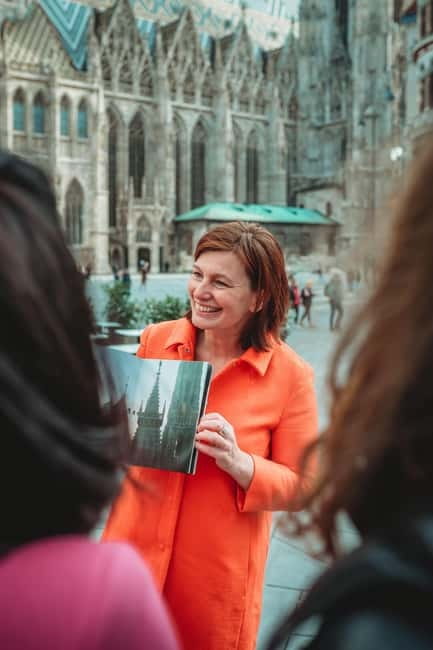
Maria is the named guide, and the experience is built around her storytelling. She covers the Habsburg family, Empress Sisi, Mozart, Beethoven, Johann Strauss, the Lipizzaner horses, and Vienna’s coffeehouse traditions. She also uses pictures and maps, which can help when a palace facade or monument has more layers than you can absorb at street level.
The format suits you if you want a quick introduction before choosing which places deserve your admission money. It also works well on a short visit, when you need to see the city center without spending half a day inside one museum.
The tradeoff is pace. You will cover a lot of ground, but you will not linger inside the Kunsthistorisches Museum, Hofburg Palace, the Austrian National Library, or St. Stephen’s Cathedral. Think of the walk as a well-timed city orientation with historical context, not a series of interior tours.
More Walking Tours in Vienna
- Vienna: Guided Walking Tour of City Center Highlights
★ 4.7 · 4,989 reviews - Vienna: Vienna Central Cemetery Guided Walking Tour
★ 4.8 · 3,307 reviews - Vienna: Guided Walking Tour of City Highlights & Hidden Gems
★ 4.9 · 2,180 reviews
Starting between the Ankeruhr and Maria Theresa
There are two possible starting points, depending on the option you book: the Ankeruhr or the Maria Theresa Memorial. Check the exact meeting point and start time before setting out, since the meeting location can vary.
The Ankeruhr is an ornate historic clock in the central city. The Maria Theresa Memorial sits between Vienna’s major museums and gives you an immediate sense of the city’s imperial scale. Either starting point places you close to the central sights and begins the tour in an area where Vienna’s past is presented through grand architecture.
Arrive early. Latecomers are subject to the no-show policy, and a city-center walking tour cannot easily pause while someone searches for the group.
Wear comfortable shoes and bring water. The tour operates in all weather, so a rain layer, warm clothing, or sun protection may make the difference between an enjoyable walk and two damp hours. Large bags, luggage, baby strollers, and electric wheelchairs are not allowed, and audio recording is not permitted.
Museums, Ringstrasse, and Vienna’s imperial scale
The early section brings you past the Kunsthistorisches Museum and Naturhistorisches Museum. These matching buildings face each other across the Maria Theresa Memorial, creating one of Vienna’s most imposing public spaces.
You will stop for exterior views and photographs rather than enter. The guide’s value here is helping you understand what you are looking at: the museums reflect the collecting interests and imperial ambitions of the Habsburg court, while the surrounding Ringstrasse expresses Vienna’s nineteenth-century transformation into a grand capital.
The Ringstrasse itself is more than a broad road. It forms a visual frame around the old center and links many of Vienna’s major civic and cultural buildings. A short guided walk along it helps you read the city’s layout instead of treating each palace and museum as an isolated stop.
This is one of the places where visual aids can help. A picture or map gives you a better sense of how the imperial city developed and why so many major buildings sit within an easy walk of one another.
Hofburg Palace and Burggarten
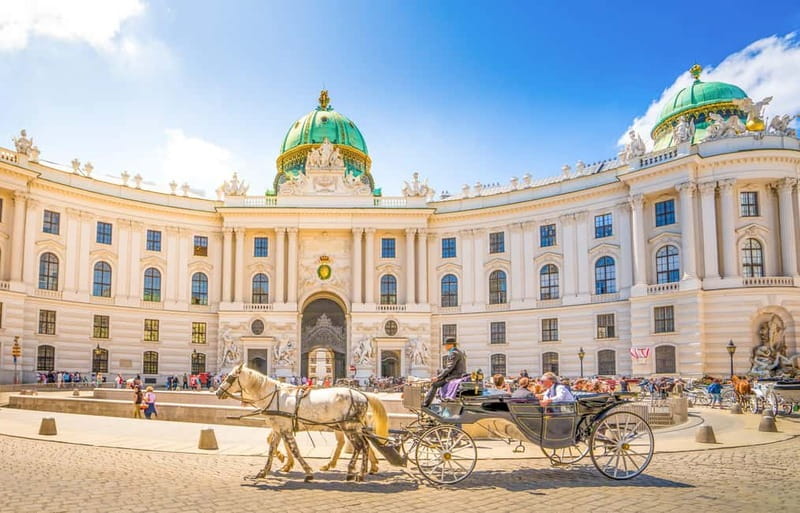
At Hofburg Palace, you see the former center of Habsburg power. The complex grew over centuries, so it is not one neat palace with one architectural style. It is a collection of courtyards, wings, facades, and institutions that reflect the long rule of the family.
Maria uses this section to explain royal marriages, political struggles, court life, and the family’s effect on European affairs. The stories of Empress Sisi add a more personal side to the imperial picture. Her public image is glamorous, but her life also involved pressure, grief, and private difficulty.
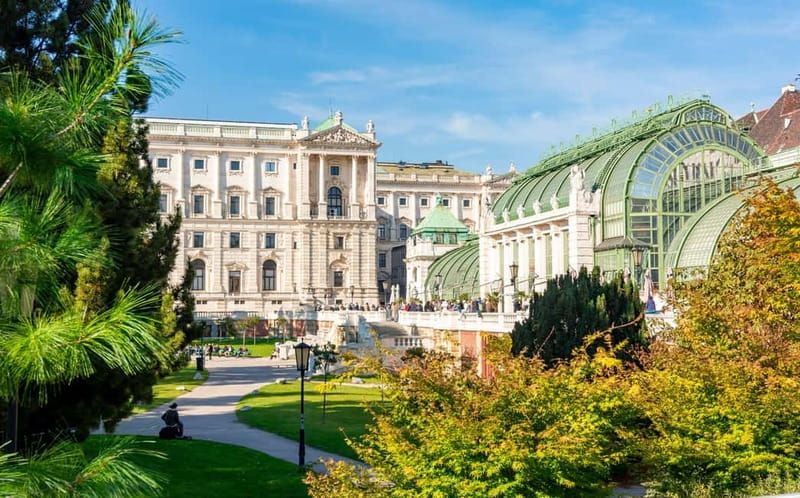
You then walk through Burggarten, the former imperial garden. The park offers a softer break from the stone facades and a chance to see how the Habsburg court balanced ceremony with private leisure.
Nearby, you pass the Schmetterlinghaus, a butterfly house in the old imperial garden setting, and the Palmenhaus, a glasshouse now associated with Brasserie Palmenhaus Wien. These are pass-by or photo opportunities, not included visits, but they add variety to the route.
More walking routes in Vienna:
- Vienna: Viennese Underworld Guided Walking Tour
★ 4.7 · 1,865 reviews - Vienna: World War II Historical Walking Tour
★ 4.8 · 1,772 reviews - Vienna Historic Center Small Group Walking Tour
★ 5.0 · 1,746 reviews - Vienna: Private Walking Tour with a Local Guide
★ 4.6 · 1,420 reviews
Albertina, Hotel Sacher, and the Opera
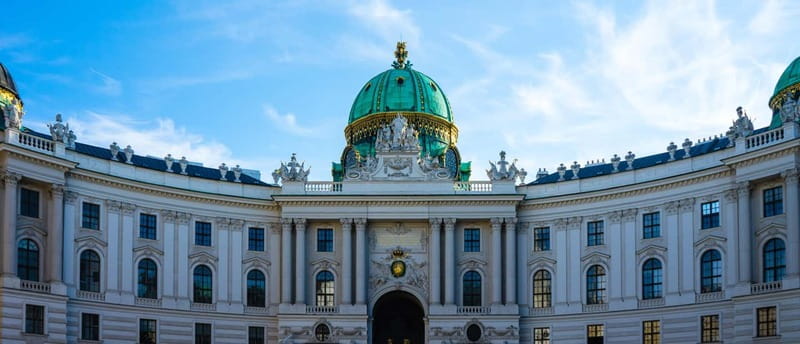
The Albertina area gives you some of the best photo opportunities on the walk. The museum occupies a prominent position above the Opera district, and the route helps connect the art world with Vienna’s old court quarter.
You also pass Hotel Sacher, famous for its association with Viennese cake culture. The tour does not include a meal or tasting, but this is a useful point to ask Maria for food suggestions. Several people who have taken her walk especially value her recommendations for coffee, strudel, restaurants, and places worth visiting later.
The Vienna State Opera is one of the route’s visual highlights. You stop outside to view the building and hear about Vienna’s musical life. Mozart, Beethoven, and Johann Strauss all fit naturally into this part of the story, though the tour does not take you into a performance or backstage area.
Bring a camera if you enjoy architectural details. The Opera, Albertina, Palmenhaus, and Hofburg provide strong photo stops, but the group will keep moving, so this is not the time for a long, carefully staged photo session.
Spanish Riding School and the National Library
The Spanish Riding School introduces one of Vienna’s most recognizable traditions: the Lipizzaner horses and the courtly riding school connected with them. You view the exterior and learn about its place in imperial ceremony.
If you want to see a performance or visit the stables, you will need a separate ticket. None of the admission costs are included in this walking tour. That separation is useful because you can decide later if the riding school fits your interests and budget.
The Austrian National Library is another impressive exterior stop. Its historic facade and interiors are among Vienna’s most memorable bookish sights, but this tour only passes by or stops outside. If the library interests you, note it for a separate visit.
The guide’s storytelling is especially useful here because a building can look grand without making its purpose obvious. Maria connects the architecture to court culture, learning, and the public image of the empire.
Michaelerplatz, Kohlmarkt, and Demel
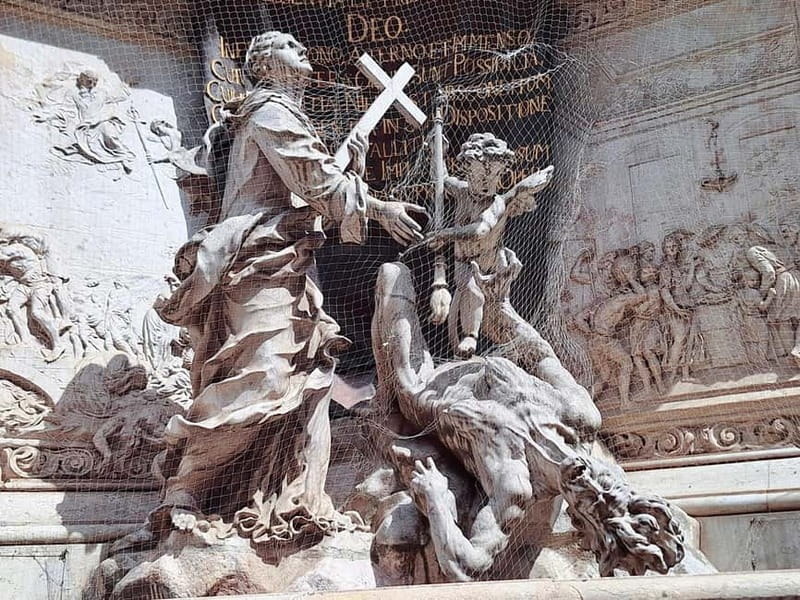
The route continues through Michaelerplatz and Kohlmarkt, two central streets where imperial Vienna gives way to shopping, cafés, and everyday city life.
Michaelerplatz offers a strong view toward the Hofburg and a sense of how the old palace complex opens into the city. Kohlmarkt leads toward Graben and is lined with elegant shops and historic addresses.
You also stop near Demel, one of Vienna’s best-known traditional pastry shops. Again, there is no included food stop, but this is a good place to note for later. Maria’s local suggestions are one of the tour’s practical strengths, especially if you want more than a list of famous names.
This stretch also gives the tour a pleasant change of mood. The earlier stops focus on imperial authority and monumental architecture. Here, you get closer to Vienna’s café-and-pastry identity, where history is still present but daily life takes center stage.
Graben, St. Peter’s Church, and the plague column
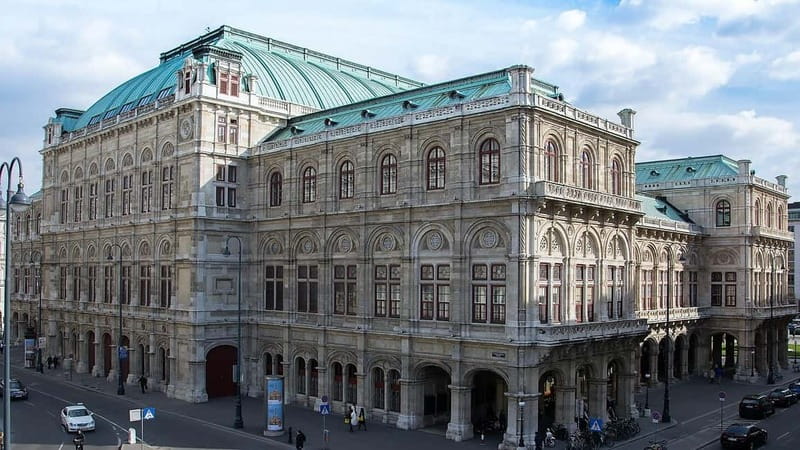
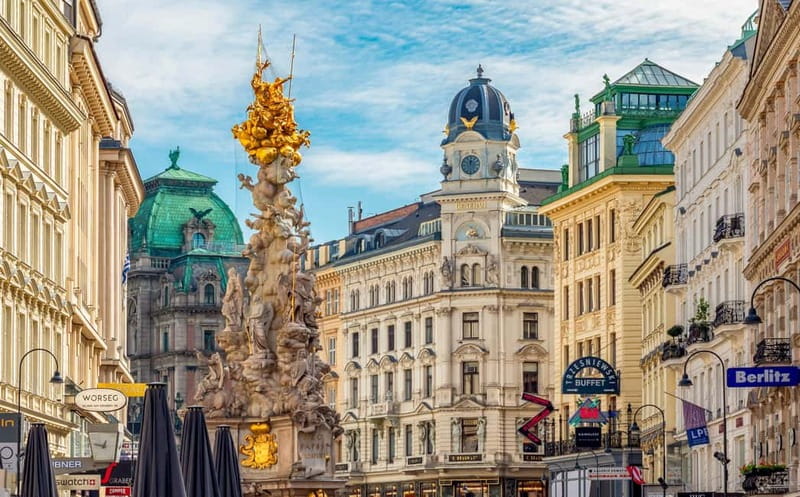
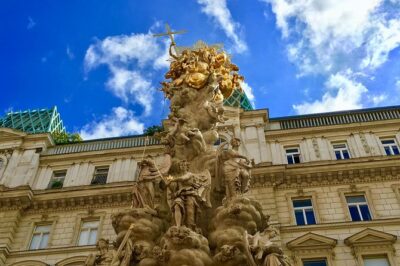
Graben is one of the city’s major pedestrian streets and a natural route toward St. Stephen’s Cathedral. The guide points out the Vienna Plague Column, a large Baroque monument built in memory of the plague and tied to the religious world of imperial Vienna.
St. Peter’s Church appears along the way, with a photo and sightseeing stop outside. Its location makes it easy to pair with Graben and the cathedral later if you want to return for a closer look.
This is a good section for the city’s smaller stories. Grand palaces often dominate a first visit, but monuments, churches, streets, and public squares show how Vienna’s history entered ordinary urban life. Maria also shares coffeehouse stories and anecdotes about legendary Viennese personalities, giving the route a more human tone.
The historic center is compact, but do not mistake compact for effortless. Cobblestones, crowds, and frequent stops can make the walk more tiring than the two-hour duration suggests. Comfortable shoes matter.
Finishing at St. Stephen’s Cathedral
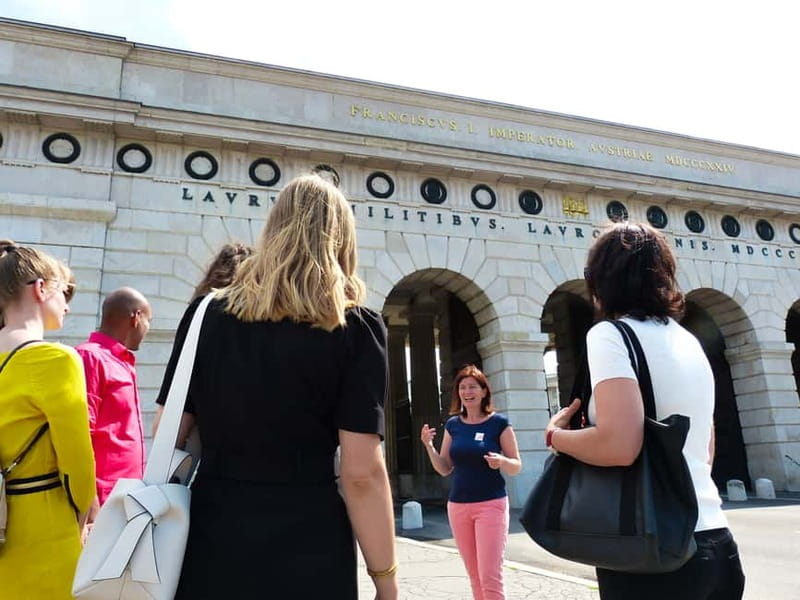
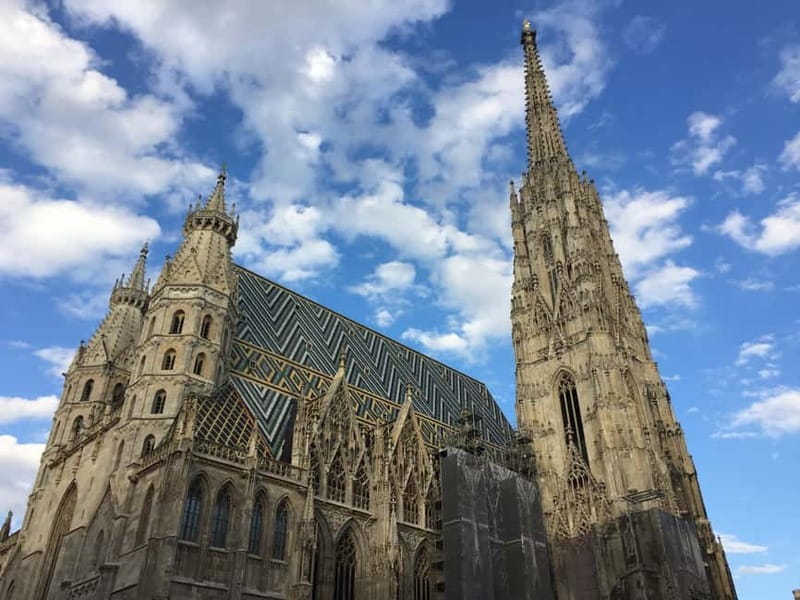
The tour ends in the area of St. Stephen’s Cathedral, with a possible drop-off at St. Stephen’s or Albertina depending on the option booked. The cathedral is one of Vienna’s defining landmarks, with a distinctive roof and a central location that makes it easy to continue exploring.
You view the cathedral from outside rather than enter. That means you can finish the tour and decide for yourself if you want to pay for an interior visit, tower access, or another cathedral experience later.
Ending here is practical. From St. Stephen’s, you are well placed to continue along the central streets, find a coffeehouse, return to a museum, or follow Maria’s suggestions for the rest of the day. I would book this walk near the beginning of your stay for exactly that reason. The advice is more useful before you have already chosen all your restaurants and activities.
What the $40 price buys you
At $40 per person, the tour sits in a reasonable range for a two-hour guided walk, especially with a group capped at 14 people. You are paying for a focused route, a live English-speaking guide, visual aids, and access to Maria’s local suggestions, not for admission to Vienna’s attractions.
The value improves if you are new to Vienna or short on time. A good guide can help you understand which sights deserve a return visit and which buildings are best appreciated from the street. The tour also saves you from piecing together the historic center with a map while trying to keep track of palace names and imperial family members.
The value is lower if you want long interior visits, a food experience, or a highly specialized subject. You will need to budget separately for museums, the Spanish Riding School, the National Library, meals, and any cathedral admission.
The small group matters here. A large group can make a central-city walk feel like crowd control. With 14 or fewer people, Maria can answer questions, keep the pace steady, help with photos, and adjust explanations to the group. Her style is described as friendly, lively, patient, and willing to stay a little longer to help with questions or plans, though extra time should not be treated as guaranteed.
Who should book this Vienna walk
I would choose this tour if you are visiting Vienna for the first time, arriving for a short stay, or looking for a clear introduction before visiting museums on your own.
It suits couples, solo visitors, families with older children who can walk steadily, and anyone who prefers stories over a recorded headset. It is also a good choice if you want restaurant and coffee suggestions from someone who knows the city beyond its famous facades.
I would skip it if you need step-free access, use a wheelchair, want to bring a stroller, or prefer a slow tour with frequent indoor breaks. It is also not the right pick if your main goal is entering the Hofburg, National Library, Opera, or cathedral.
For a private experience, a separate private historic-center walking tour is available through GetYourGuide. That may suit you better if you want a custom pace or a route built around your own interests.
Practical verdict
Book this walk early in your Vienna visit if you want the city to make sense quickly. Maria brings warmth, humor, historical context, and useful suggestions to a route packed with major sights.
Just set the right expectation: you are touring Vienna from the pavement. If you want interiors, performances, or meals, add those later. At $40, the tour is a fair buy for a compact, personal introduction to the city, particularly when the small group and local advice matter as much as the sightseeing.
FAQ
How long does the walking tour last?
The tour lasts two hours. Starting times vary, so check availability when booking.
What language is the tour conducted in?
The live tour is conducted in English.
Who is the guide?
The named local guide is Maria, from Maria Tours Live. Another guide named Marie-Theresa is also associated with one reported tour experience, so check the guide details for your selected booking.
Where does the tour start?
The starting point may be the Ankeruhr or the Maria Theresa Memorial, depending on the option booked.
Where does the tour end?
The tour can end near St. Stephen’s Cathedral or Albertina, depending on the selected option. The main route concludes in central Vienna near St. Stephen’s Cathedral.
Are entrance fees included?
No. The experience is an exterior-only walking tour, and entrance fees are not included.
Is food or drink included?
No. Meals and drinks are not included. Maria provides local suggestions for coffee, strudel, restaurants, and further sightseeing.
Is the tour suitable for wheelchair users?
No. The experience is not suitable for wheelchair users or people with mobility impairments.
What should I bring?
Bring comfortable shoes, water, a camera, and clothing suitable for the weather. The tour operates in all weather conditions.
Just added in Vienna
- 3 hour private tour in Vienna by private car★ 4.4 · 6 reviews
- Private Christmas Markets Walking Tour Vienna★ 5.0 · 31 reviews
- Christmas Markets & Shopping in Vienna★ 5.0 · 17 reviews
- Christmas Market Vienna Tour★ 4.0 · 53 reviews
- Vienna: Christmas Markets Tour★ 4.3 · 99 reviews
- Vienna Residence Orchestra: Mozart and Strauss Concert★ 4.0 · 137 reviews
- Vienna: Bus Tour with Virtual Reality Experience★ 4.7 · 148 reviews
- Vienna: A Little Night Music – Concert at Capuchin Church★ 4.8 · 145 reviews
Walking Tours, compared.
Guided Walking Tour of City Center Highlights
Read our review →
Guided Walking Tour of City Highlights & Hidden Gems
Read our review →
Vienna Historic Center Small Group Walking Tour
Read our review →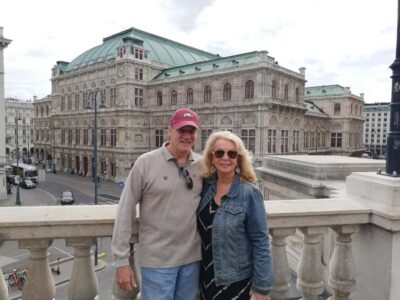
Browse the lists this tour appears in