
Reviewed · MOZART & CLASSICAL CONCERTS
Vienna: King of Waltz – immersive Johann Strauss Museum
The most unusual part of this Vienna experience is that you do not simply read about Johann Strauss. You move through seven multimedia acts with motion-sensitive headphones, GPS-controlled audio, and location-based 3D sound that shifts as you explore. Music, images, animation, and physical displays turn the Waltz King’s career into a walk-through story.
I like the chance to compose your own waltz and take home personalized sheet music. I also like the practical comfort of the exhibition, with places to sit along the way and a running time of about 75 minutes. The main consideration is that this is a modern media experience, not a traditional museum filled with original objects, paintings, or a live concert.
Key details to know before you go
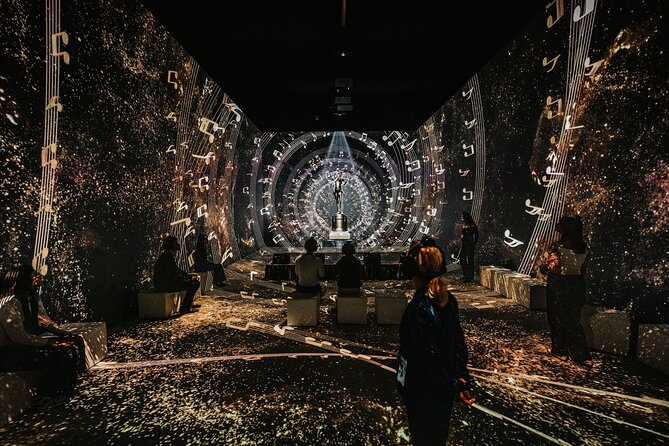
- Seven acts in 800 square meters: The exhibition breaks Strauss’s life and work into clear stages rather than presenting one long wall of text.
- Sound follows your movement: Motion-sensitive headphones and GPS-controlled audio help connect each area with the right music and narration.
- A composing machine creates a souvenir: You can try your hand at writing a waltz and receive personalized sheet music to take home.
- Your Strauss photo is printed on site: A photo station lets you picture yourself as Johann Strauss and produce a physical keepsake.
- About 75 minutes from start to finish: The length fits neatly into a day of sightseeing without taking over your schedule.
- $28.94 per person: The price makes the most sense if you value interactive technology, music, and a structured cultural visit.
Meeting Johann Strauss through sound and motion
The Johann Strauss Museum, called Johann Strauss: New Dimensions ART & TECH Museum Experience, is located at the Kleines Haus der Kunst in Vienna. Its 800-square-meter exhibition uses technology to tell the story of the composer often known as the Waltz King.
That setting matters because Strauss’s music is designed to be heard, not just described. A conventional display can tell you dates, names, and milestones. Here, the music itself takes a central role. Soundscapes and audiovisual scenes help you connect the composer’s life with the waltzes that made him famous.
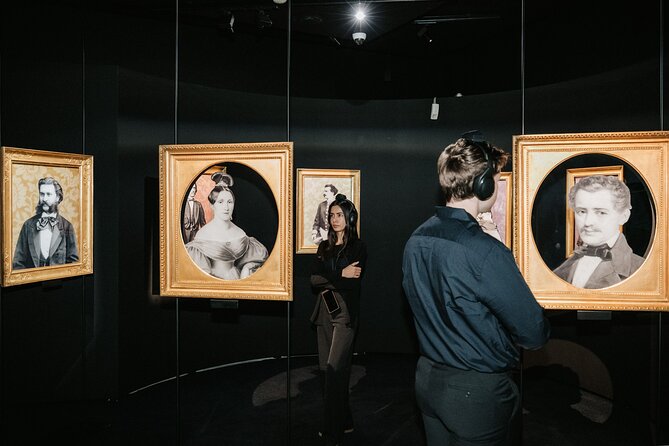
You receive headphones as part of admission. They are motion-sensitive, and the audio guide uses GPS control to match the narration and music to your position. I like this approach because it gives you a sense of moving through a story rather than standing in front of one fixed presentation.
The system also uses location-based 3D sound. That means the music is intended to feel tied to the space around you, rather than playing as one flat soundtrack from a single speaker. The effect should appeal most to people who enjoy music, theater, digital art, and carefully designed museum displays.
You should keep your expectations in check. This is not described as a concert hall, a guided tour led by a named expert, or a collection focused on rare physical artifacts. Its strength is the way it combines sound, images, movement, and participation.
More Classical Concerts in Vienna
- Vienna: Vivaldi’s Four Seasons Concert in Karlskirche
★ 4.7 · 14,951 reviews - Vienna: Classical Concert in the World-Famous Musikverein
★ 4.6 · 6,673 reviews - Vienna: Classical Concert at St. Stephen’s Cathedral
★ 4.1 · 4,177 reviews
Seven acts that shape the 75-minute visit
The exhibition presents Strauss’s important life phases in seven acts. The supplied details do not name each act separately, so you should think of the visit as a sequence of connected scenes rather than seven fully separate galleries.
This structure is useful when you want a clear introduction to Strauss. Instead of sorting through a large museum collection at your own pace, you follow a planned route with audio and visual cues. The story has a beginning, middle, and end, which can make the composer’s career easier to follow.
The seven-act format also helps keep the visit moving. At about 75 minutes, the experience is long enough to feel substantial but short enough to pair with another central Vienna activity. One visitor specifically appreciated that the timing felt right, and that there were plenty of places to sit. That is worth noting if you prefer cultural attractions that do not require constant standing.
The tradeoff is that you have less freedom than in a standard museum. A traditional gallery lets you linger over one object, skip another, or read every label at your own speed. A timed multimedia sequence may feel more directed. If you enjoy a strong narrative, that is a benefit. If you prefer quiet, self-guided browsing, it may feel less flexible.
Headphones, GPS audio, and 3D sound
The audio system is one of the most important parts of the visit. Your headphones are not just for a basic recorded explanation. They are motion-sensitive, and the audio guide is GPS-controlled, so the content responds to where you are within the exhibition.
This arrangement can make the room feel more active. As you move, you may find that the music and narration shift with your position. The 3D sound system is designed to give Strauss’s melodies a stronger sense of place, helping the music become part of the room rather than background noise.
I like this feature for visitors who want more than a wall label. Music can be hard to explain in words, especially when the subject is a composer whose work depends on rhythm, movement, and mood. Hearing the melodies while moving through related scenes gives the exhibition a direct musical focus.
There is also a practical point here. Because the audio comes through provided headphones, you are not relying on a live guide to keep a group together or repeat information for someone at the back. You can focus on your own route through the acts.
Still, the experience depends heavily on the technology working as intended. The details provided do not specify language choices, headphone compatibility, or whether you can adjust the volume. If those issues matter to you, check the current arrangements before booking.
Try your hand at composing a waltz
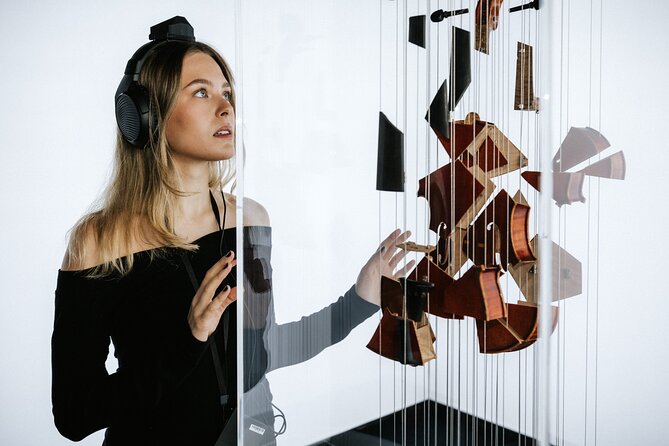
The composing machine is the most hands-on activity in the museum. You can create your own waltz and receive personalized sheet music to take home.
This station gives the visit a personal finish. You are not only listening to Strauss or watching his story unfold. You are asked to make a small musical choice of your own. You do not need to be a trained composer to see the value here. The point is to give you a playful sense of how musical ideas can be arranged and shaped.
The printed sheet music is also more useful than a purely digital souvenir. It gives you something physical to keep after the visit, and it can help children or casual music fans remember the experience. If you are visiting with family, this station may be the part that turns a historical subject into an activity everyone can discuss.
You should not book this expecting a full music lesson. The available information presents the composing machine as an interactive station, not as formal instruction from a musician. Think of it as a creative encounter that adds variety to the audio and video material.
Other concert evenings in Vienna:
- Vienna: Mozart Concert at the Golden Hall
★ 4.6 · 3,986 reviews - Vienna: Classical Concert in St. Anne’s Church (Annakirche)
★ 4.6 · 3,414 reviews - Vienna: Classical Concert at Mozart’s First House
2,423 reviews - Vienna: Mozart and Strauss Concert at Schönbrunn
★ 4.5 · 2,364 reviews
Pose as Johann Strauss and leave with a keepsake
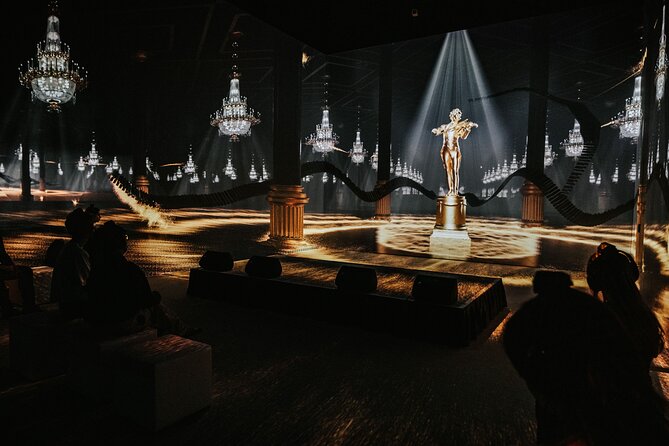
Another interactive station lets you take a photo of yourself as Johann Strauss, with the image printed on the spot. This is a lighthearted idea, but it fits the museum’s wider goal of making you part of the presentation.
The printed photo adds a clear physical memory of the visit. It also gives the exhibition a touch of humor. After listening to music and following historical scenes, you get a chance to step into the role of the composer, at least for a picture.
This feature may appeal especially to families, couples, and groups of friends. It offers a simple break from listening and looking, and it does not require musical knowledge. It also makes the visit feel less formal than a standard biography display.
The details do not state whether there is an extra charge for the printed photo, so I would not assume the photo is included in the ticket price. The listing clearly includes admission, the audio guide, and headphones. For the photo, confirm the current arrangement at the museum.
What the audiovisual stations add
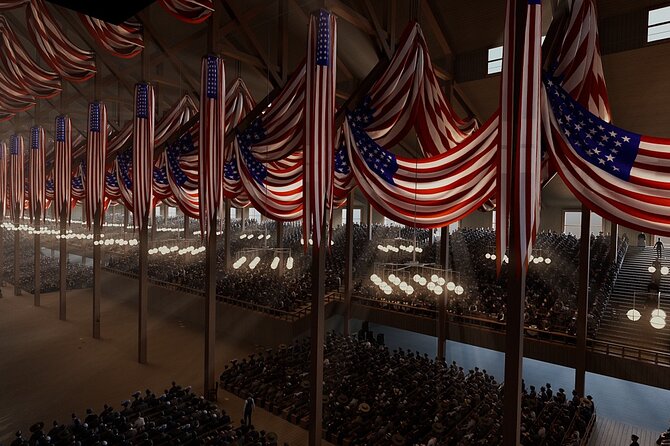
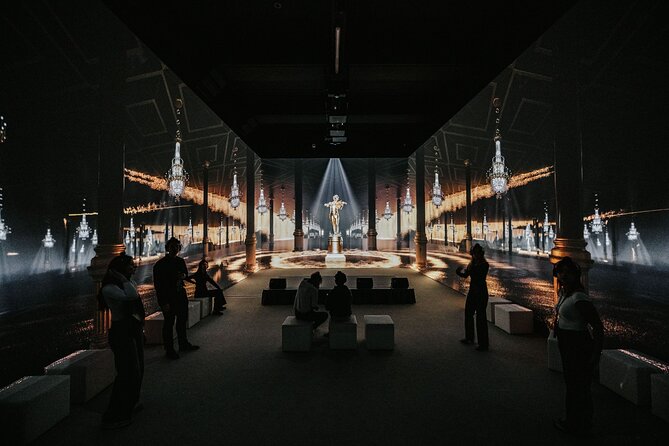
Multimedia stations use animation and interactive content to fill out the story. These stations help bridge the gap between a historical figure from the 19th century and a modern audience used to screens, sound, and responsive displays.
I find this especially useful for visitors who are curious about Strauss but do not already know his life and work. A long text panel can make a composer feel distant. Animated scenes and sound can give the material a quicker entry point.
The exhibition also invites you to act as a composer, musician, or dancer at different interactive stations. That range is important. You are not limited to passive listening. The experience asks you to respond through movement, music, and play.
At the same time, technology is not the same as depth. If your main goal is to see original Strauss manuscripts, instruments, costumes, or other historic objects, the information provided does not promise those things. This experience is best understood as a creative introduction and a sensory presentation, not a research museum.
Is $28.94 a fair price?
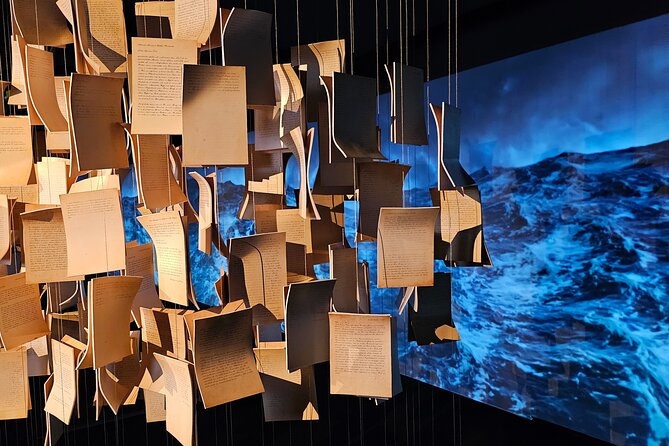
At $28.94 per person, this is not a throwaway stop, but the price covers admission, headphones, and the audio guide. You are also paying for a purpose-built presentation with interactive stations, sound design, animations, and printed activities.
I would judge the value by your interests. If you enjoy classical music, digital exhibitions, or attractions that combine history with technology, the price can be reasonable for a 75-minute visit. The composing station and Strauss photo give you more to do than simply walk through a display.
The value is less clear if you want a traditional museum or a live musical performance. In that case, the technology may feel like the main attraction rather than a helpful tool. You could leave knowing more about Strauss, but the experience will not replace hearing his music performed in a concert setting.
The visit also works well as a planned piece of a Vienna day. Since it lasts about an hour and 15 minutes, you can fit it between other activities without giving up an entire afternoon. The lack of parking fees in the included information does not mean parking is included. Admission is covered, but parking is not.
Who will enjoy this museum most?
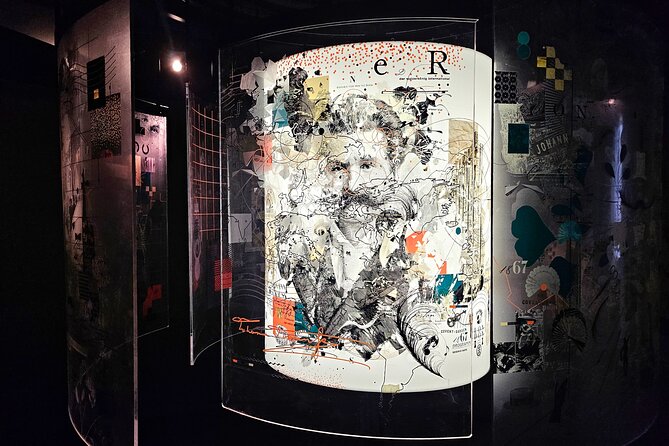
I would recommend this experience to several types of visitors:
- Classical music newcomers who want an approachable introduction to Johann Strauss.
- Technology fans who enjoy sound systems, animation, motion-sensitive devices, and interactive displays.
- Families and mixed-age groups who may appreciate having something to hear, watch, create, and photograph.
- Fans of Strauss who want a different way to encounter his music and story.
- Visitors with limited time who want a structured cultural stop lasting about 75 minutes.
I would be more cautious if you prefer silent galleries, original historic objects, or a live performer. The exhibition’s appeal comes from its designed effects and participation. Those features will feel helpful to some people and distracting to others.
The seating is a useful plus. One visitor highlighted the number of places to sit, which makes the exhibition friendlier if you need regular breaks. The available information says most people can participate, and the location is near public transportation. It does not provide detailed accessibility information, so you should ask ahead about specific mobility, hearing, or visual needs.
Booking timing and cancellation flexibility
This experience is booked an average of 28 days in advance, so planning ahead is sensible, especially if your Vienna dates are fixed. Confirmation arrives when you book, and the ticket is mobile, which keeps the arrival process simple.
You can cancel for a full refund up to 24 hours before the start time. Cancellations made within 24 hours are not refunded, and changes during that period are not accepted. The cut-off uses Vienna local time, so check the clock carefully if you are arranging plans from another time zone.
The experience is near public transportation, but no route, stop, or parking instructions are provided here. I would plan to use public transit rather than assume a convenient parking option, particularly since parking fees are not included.
My verdict: should you book it?
Book this Johann Strauss experience if you want music presented through modern technology, with enough hands-on activity to keep the visit lively. The strongest features are the location-based 3D sound, the motion-sensitive headphones, the composing machine, and the printed Strauss photo.
Skip it if you are mainly looking for original artifacts or a concert. For everyone else, the 75-minute format, seating, included audio equipment, and clear seven-act structure make it an easy cultural addition to a Vienna itinerary. At $28.94, it offers fair value when you treat it as an interactive museum show rather than a conventional museum visit.
FAQ
How long does the Johann Strauss Museum experience last?
The experience lasts approximately 1 hour and 15 minutes, or about 75 minutes.
Where does the experience take place?
It takes place at the Kleines Haus der Kunst in Vienna, Austria.
What is included in the ticket?
Admission, an audio guide, and headphones are included.
Does the museum use an audio guide?
Yes. The experience uses a GPS-controlled audio guide with motion-sensitive headphones.
Can I create my own waltz?
Yes. An interactive composing machine lets you create a waltz and take personalized sheet music home.
Can I cancel for a full refund?
Yes. You can receive a full refund if you cancel at least 24 hours before the experience starts. Cancellations within 24 hours are not refunded.
More Museums in Vienna
- Vienna: Skip-the-Line Sisi Museum, Hofburg and Gardens Tour
★ 4.8 · 5,918 reviews - Vienna Kunsthistorisches Museum Day Admission Ticket
★ 4.6 · 3,690 reviews - Tickets for the Albertina Exhibitions
★ 4.7 · 2,126 reviews - Vienna: Chocolate Workshop in Chocolate Museum w/ Tasting
★ 4.5 · 1,802 reviews
Just added in Vienna
- World War II History Vienna Old Town Private Walking Tour★ 4.8 · 9 reviews
- Vienna: Wiener Schnitzel and Strudel Cooking Class★ 4.9 · 126 reviews
- Vienna: Wine Tasting Tour★ 4.8 · 61 reviews
- Vienna: Winery and Wine Tasting Tour with a Wine Expert★ 5.0 · 5 reviews
- Vienna: Wine Tasting E-Bike Tour★ 4.9 · 46 reviews
- Vienna: Wine Tasting at Schönbrunn Palace★ 4.3 · 71 reviews
- Vienna Urban Art Tour: Explore a different side of Vienna!★ 3.8 · 14 reviews
- Vienna: Unforgettable Private City Tour★ 5.0 · 7 reviews
Mozart & Classical Concerts, compared.
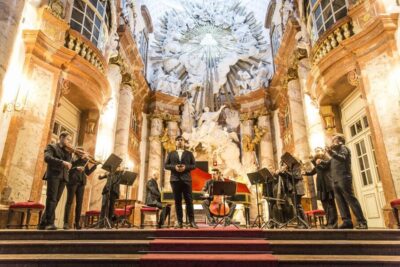
Vivaldi’s Four Seasons Concert in Karlskirche
Read our review →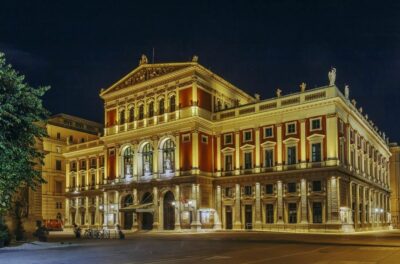
Classical Concert in the World-Famous Musikverein
Read our review →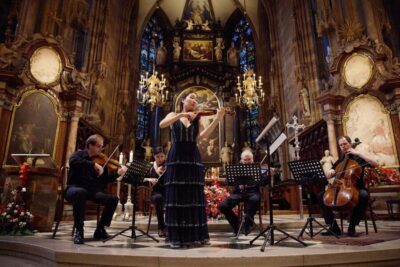
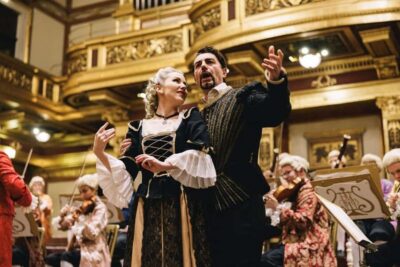
Classical Concert in St. Anne’s Church (Annakirche)
Read our review →
Browse the lists this tour appears in