
Reviewed · CITY TOURS
Vienna City Segway Tour
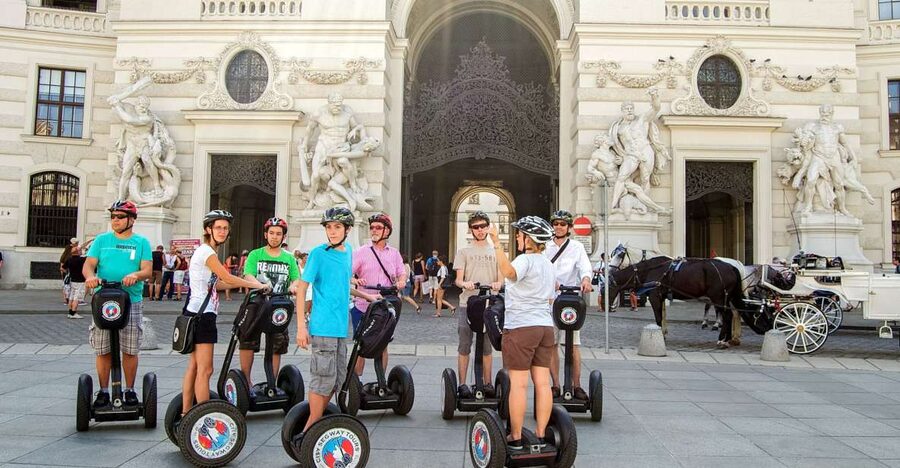
Vienna’s grand center is made for covering ground, and this tour gives you a playful way to do it. After a 20 to 30-minute lesson, you glide along cycle paths and imperial streets to the Hofburg, Parliament, St. Stephen’s Cathedral, City Hall, and other central sights. I like the mix of riding and storytelling, plus the chance to reach more of Vienna than you could on foot in three hours.
I also like the small group of no more than 10 people and the way guides such as Sebastian, Horst, Lisa Marie, and Barbara have adjusted the route for families and private groups. The main drawback is price: at $116 per person, it costs more than a walking tour, and bilingual commentary can mean some waiting between English and German explanations.
Key points at a glance
- Training comes first: You get a proper Segway tutorial before entering the city streets.
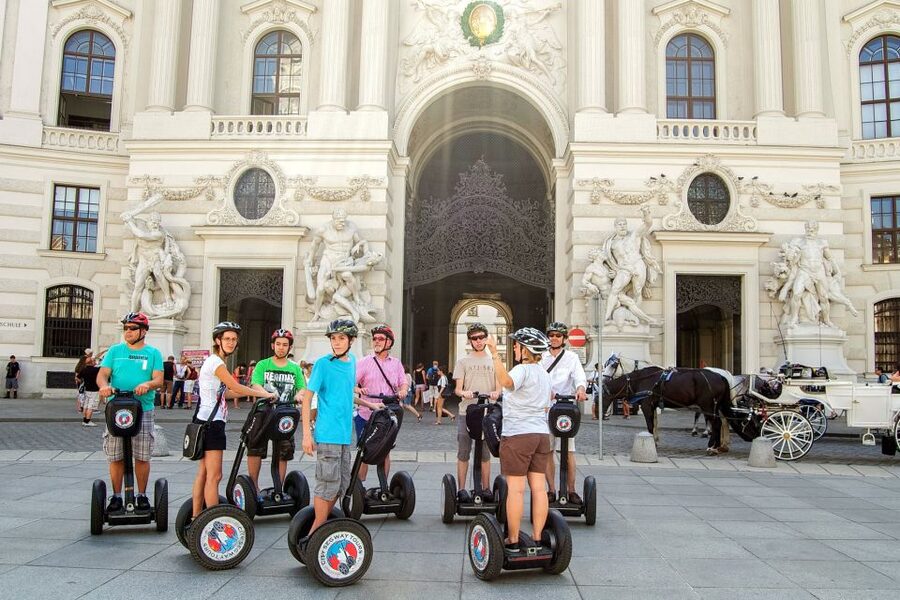
- A smart route for first-time visitors: The ride links the Hofburg, Parliament, St. Stephen’s Cathedral, City Hall, the State Opera area, and other central sights.
- Mostly cycle-path riding: One rider estimated that about 90 percent of the route used broad, paved cycle paths separated from car traffic.
- Guides shape the experience: Sebastian, Horst, Lisa Marie, Max, and others are praised for humor, patience, and clear local stories.
- Bilingual tours take longer: English and German are both used, which is useful for mixed groups but can create pauses.
- Strict participation limits: You must be at least 12 years old, 150 centimeters tall, and between 45 and 120 kilograms.
Why a Segway works so well in central Vienna
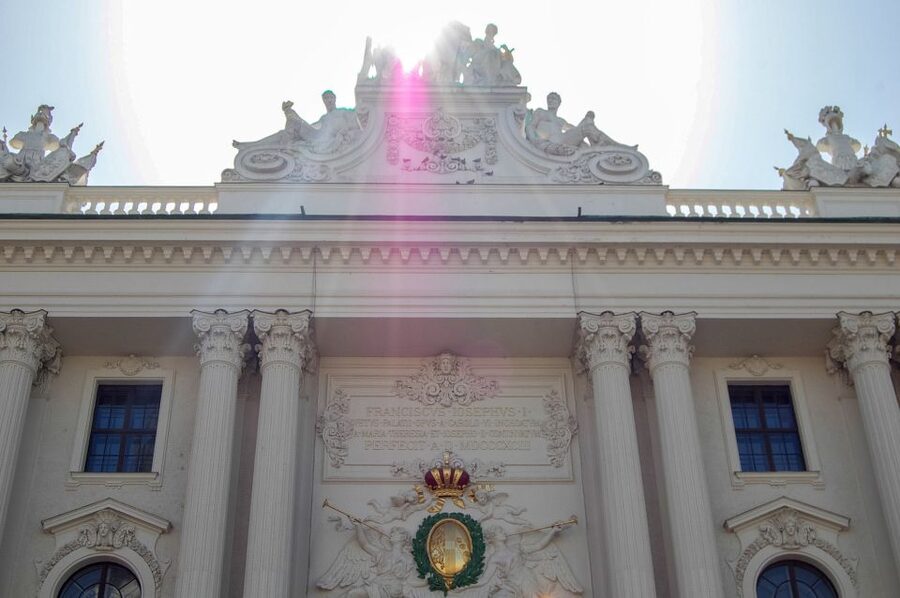
Vienna’s historic center is compact, but its major sights are spread across a wide ring of palaces, government buildings, parks, and squares. On foot, you can see the landmarks, but a three-hour ride lets you connect them without spending the whole afternoon walking between them.
The Segway is especially useful along Vienna’s cycle paths. The route is not simply a vehicle ride through traffic. Much of it uses broad, paved paths, and one rider estimated that roughly 90 percent of the trip stayed physically separated from cars. That does not make every moment traffic-free, but it does make the city feel manageable for a first-time rider.
You will still encounter ordinary city conditions. A narrow street beside cars was one rider’s only safety concern, and you need to pay attention when crossing streets or moving through busy public areas. The guide leads the group, but you remain responsible for steering, stopping, and staying aware of people around you.
The riding itself is easier than it first appears. Several first-time riders said they learned in about 10 minutes, although the formal practice period is longer. You control speed and direction with small body movements, and the machines are described as stable. If you feel nervous, tell the guide during training rather than rushing into the city.
More to book in Vienna
- Vienna: Guided Walking Tour of City Center Highlights
★ 4.7 · 4,989 reviews - Vienna: City Cruise with Optional Lunch
★ 3.4 · 3,982 reviews - Vienna: City Cruise
★ 3.3 · 2,978 reviews
Starting at Bösendorferstraße 5
The tour begins and ends at Bösendorferstraße 5, where you meet the guide at the activity provider’s office. This central starting point puts you close to the Vienna State Opera and the Opernring, so the tour reaches major sights quickly.
The first part is practical rather than scenic. You receive a helmet and instruction on mounting, steering, slowing down, and stopping. The guide makes sure everyone can control the machine before the group leaves. That matters because the ride is only fun once you stop thinking about every movement.
The small group limit helps here. With no more than 10 participants, the guide can watch the newer riders and keep the group together. In a very small booking, the route may be adjusted to suit your interests. One couple had a private outing and was able to choose more of what they wanted to see, while a family received a similarly flexible experience.
Bring a passport or identity card. A rain poncho is supplied if needed, and the tour operates in wet weather. You should still dress for the conditions, since three hours outside can feel long in rain or cool wind even when the Segway handles wet pavement.
From the State Opera to the Hofburg
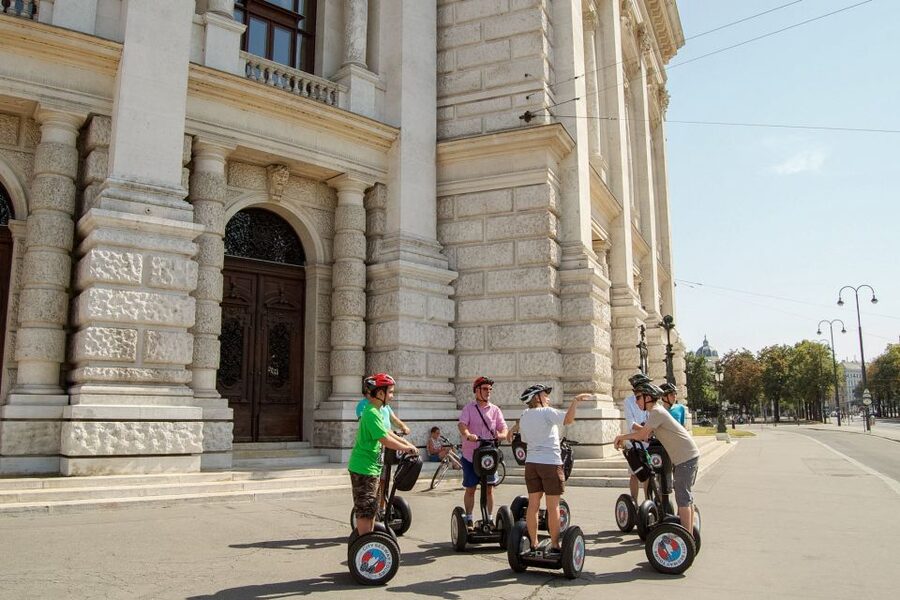
Once the practice session is over, the group heads along the Opernring toward the Hofburg Palace. This is a strong opening because you quickly see the imperial scale of Vienna: formal avenues, monumental buildings, and the former center of Habsburg power.
The Hofburg was home to the Habsburg dynasty, whose rule shaped Austria and the wider Austro-Hungarian Empire. The guide places the palace within that story rather than treating it as just another impressive facade. Guides such as Sebastian and Horst have been praised for making political history easier to follow, while Max and Lisa Marie are known for adding humor and a relaxed tone.
You do not spend the tour inside the Hofburg. The value is in seeing how the palace fits into the city around it, then hearing the background while standing in the imperial center. If you want a full visit to the palace museums, apartments, or treasury, plan that separately.
The Segway changes your view of the area. You can move past long facades and broad streets without losing your sense of place, then pause for photos. The guide also gives you time to look rather than delivering a nonstop lecture while you ride.
Parliament and Vienna’s grand civic center
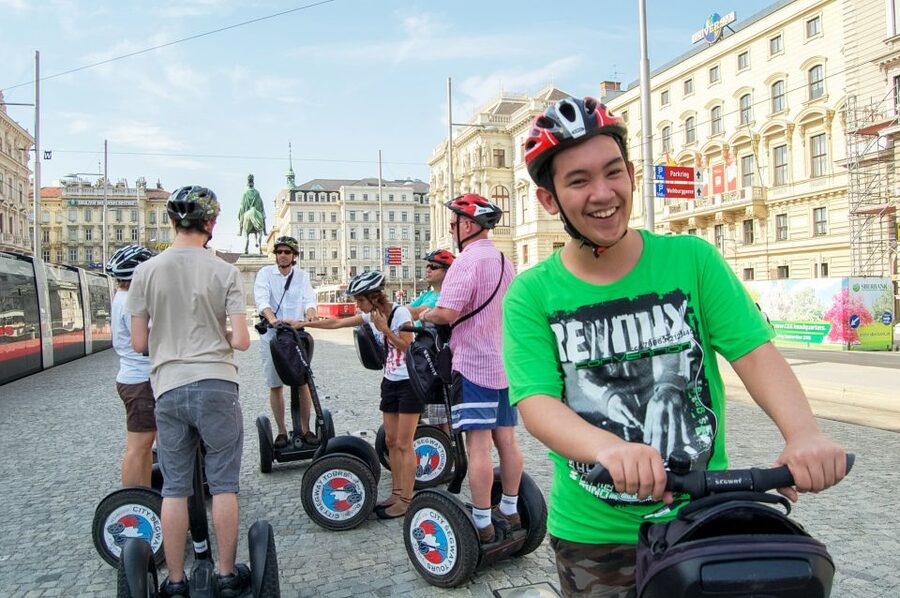
From the Hofburg, the route continues past the Parliament buildings. This section shifts the story from royal power to modern government, and it helps you understand why Vienna’s central ring contains so many monumental public buildings close together.
The ride is useful here because the architecture is spread along wide avenues. You can see the relationship between Parliament, the Hofburg, parks, and neighboring civic buildings without repeatedly checking a map. For a first visit, that orientation is one of the tour’s strongest benefits.
The guide usually stops at suitable points for photographs and explanation. You will not get a long museum-style lecture at every building, but you should come away knowing what you are looking at and why it matters. The experience works best as an introduction, giving you a list of places to revisit later on foot.
One practical point: the tour is bilingual in English and German. That makes it accessible to mixed-language groups, but the same guide may need to explain each stop twice. One rider found that this created quite a bit of waiting. If you prefer fast, uninterrupted commentary, a private or single-language group would be more efficient if available.
A different kind of evening in Vienna:
- Vienna: Vivaldi’s Four Seasons Concert in Karlskirche
★ 4.7 · 14,951 reviews - Vienna: Spanish Riding School Training
★ 3.9 · 9,281 reviews - Vienna: Skip-the-cashier-desk-line Giant Ferris Wheel Ride
★ 4.5 · 7,859 reviews - Vienna: Schönbrunn Palace & Gardens Skip-the-Line Tour
★ 4.7 · 7,739 reviews
St. Stephen’s Cathedral and the inner city
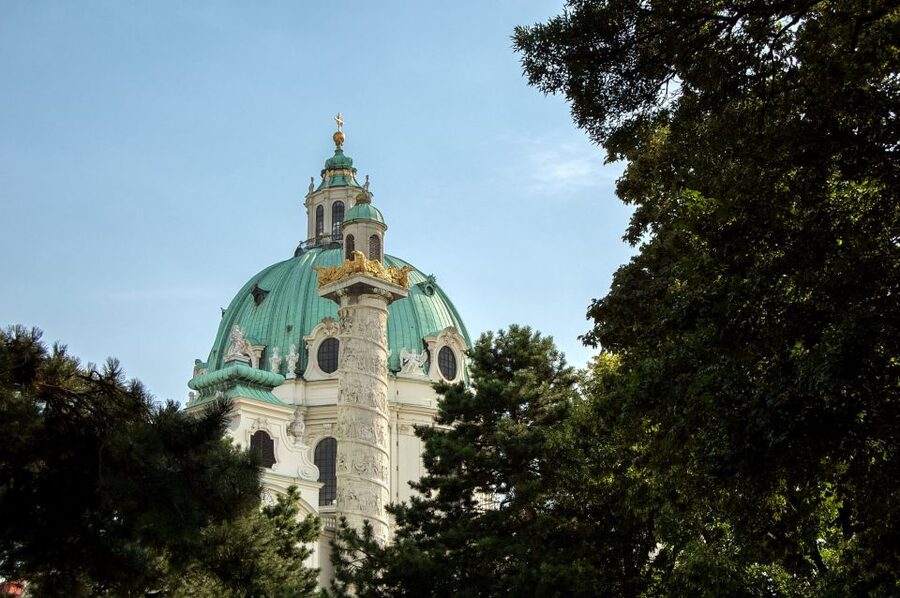
St. Stephen’s Cathedral brings the tour into Vienna’s medieval heart. Its roof and tall tower are among the city’s most recognizable sights, and the surrounding streets feel more intimate than the broad imperial ring.
You can ride close to the cathedral area, stop for photographs, and in at least one route variation step down to go inside. The tour is not a cathedral visit with a long interior talk, so check your expectations. It gives you a useful first look and helps you decide if you want to return for more time inside.
The narrow lanes around the central area also show why a Segway tour needs a careful guide. You must share public space with pedestrians, bicycles, and ordinary city activity. Riding here is slower and more controlled than cruising along a broad cycle path. That change of pace is part of the experience, but it can feel less effortless than the open sections.
You may also pass quieter alleys that are easy to miss on a standard sightseeing route. These are not presented as secret discoveries, but they give you a better feel for Vienna beyond the headline buildings. The guide’s local observations are most useful in these transitions, when the city becomes less formal and more lived-in.
City Hall, City Park, and the Danube connection
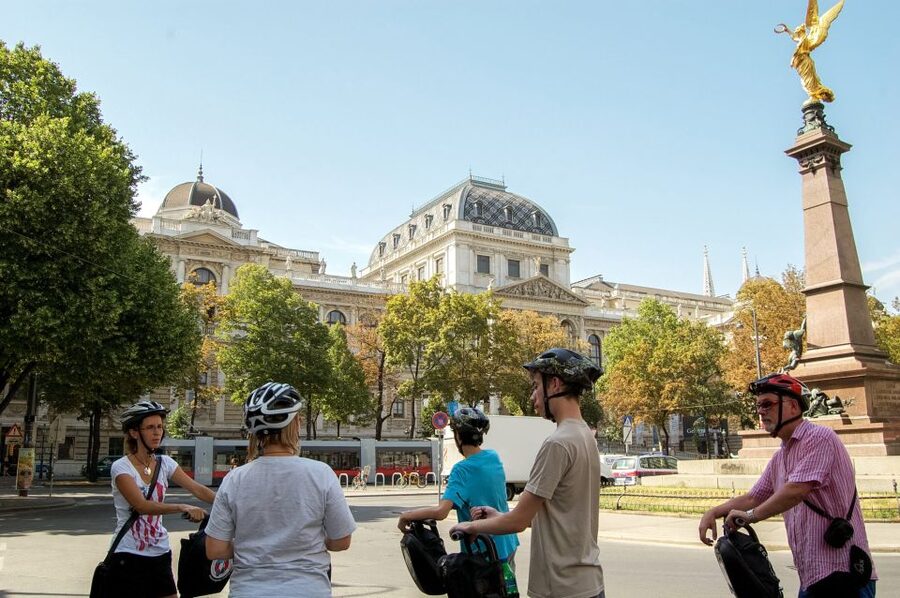
Vienna City Hall is another major stop, with its elaborate Gothic-style facade and prominent tower. Like Parliament, it is best understood as part of the city’s larger civic story rather than an isolated photo stop.
The tour also includes routes through central parks and, depending on the day’s plan, a spin alongside the Danube. A ride through City Park can add a welcome change from stone buildings and formal avenues. One route included a stop near the Johann Strauss Junior statue, giving the group a chance to leave the Segways, take photographs, and see a small piece of Vienna’s musical identity.
The Danube section offers a different view of the city. It gives you more open space and a longer stretch of riding, which many people find especially enjoyable after the tighter central streets. You should not expect a full Danube excursion, though. The core purpose is still a city-center tour with a riverside stretch included when the route and timing allow.
Photo stops are built into the outing. That is important because riding and taking pictures at the same time is unsafe and makes it hard to listen. The guide can also use these pauses to answer questions, explain a building, or let the group catch up.
The guides make or break the three hours
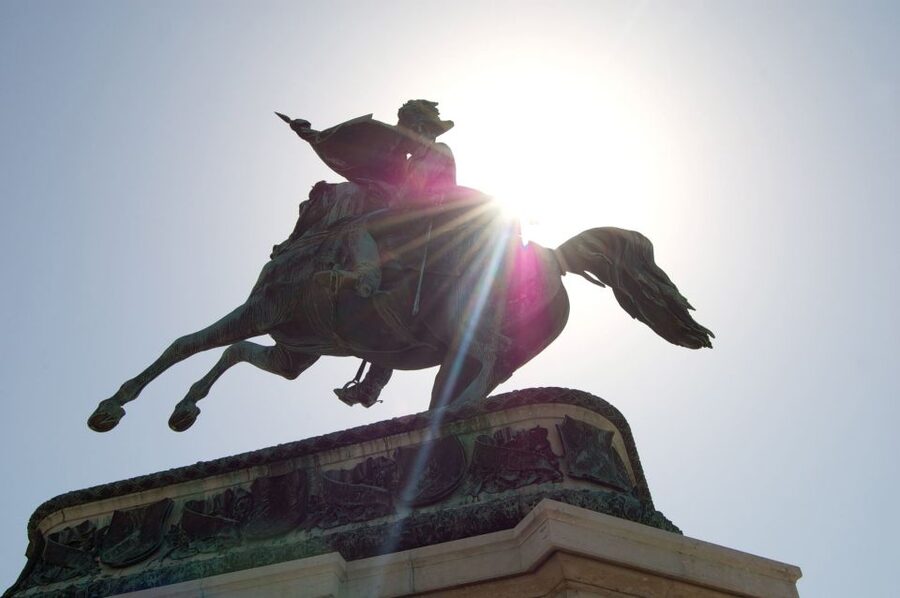
The strongest part of this experience is the guide. You are not simply renting a machine and following a route. The guide controls the pace, explains the city, watches road conditions, and helps new riders feel at ease.
Sebastian has been praised for combining clear local information with a calm approach, especially when a booking problem threatened to disrupt the outing. Horst is repeatedly described as funny and well informed, while Lisa Marie is noted for her patience and relaxed style. Other named guides include Natalie, Barbara, Lothar, Ewald, Michael, Irma, and Max.
That range of names matters because the tone can vary from one departure to another. Some guides lean into Viennese humor. Others focus more on facts or let a private group shape the route. The common thread is that the guide is expected to teach first, then lead safely through the city.
The tour is conducted in English and German. English ability has been praised, but you should understand that bilingual delivery takes time. You may hear each explanation in both languages, then wait briefly while the group regroups. That is a fair trade for a mixed-language party, but it means the advertised three hours are not three continuous hours of movement.
Is $116 a fair price?
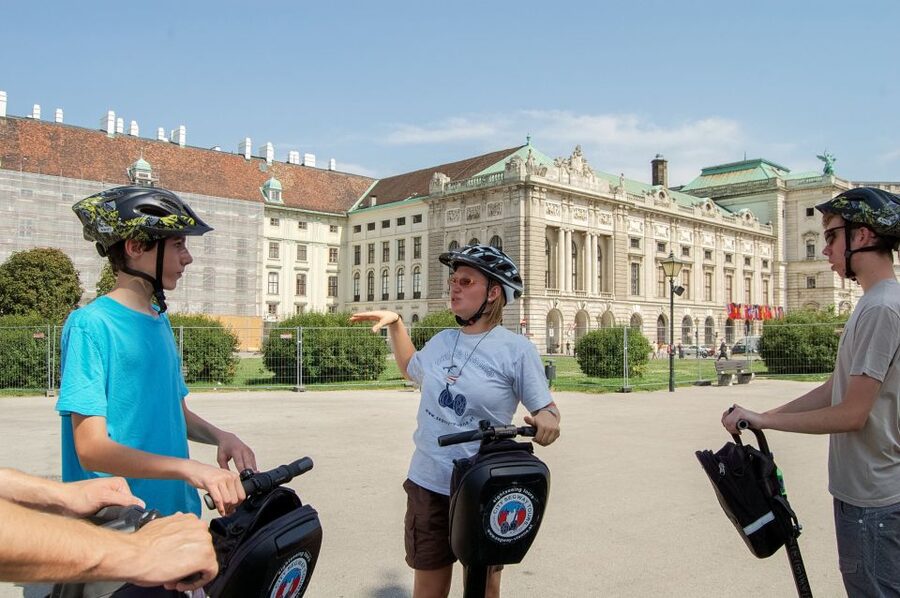
At $116, this is a premium sightseeing activity. You are paying for the Segway, helmet, tutorial, guide, route planning, and the ability to cover a large part of central Vienna in one outing. A walking tour will cost less in many cases, and public transport can move you around the city for far less.
The comparison is not quite one-to-one. A walking tour gives you more time at each building and handles narrow streets better. This Segway trip gives you reach, fun, and a quick map of the city. If you have limited time in Vienna, that coverage can make the price worthwhile, especially on your first day.
The value also improves if you enjoy active sightseeing. You are not just being taken from one photo stop to another. You learn a new skill, ride through the city, and get a sense of how the major districts fit together. For teenagers and families who may lose interest during a long walking lecture, the movement is a real advantage.
I would think twice if your main goal is detailed interior visits. The tour shows you many buildings from outside and may include a brief cathedral visit, but it cannot replace time at the Hofburg museums, the State Opera, St. Stephen’s Cathedral, or City Hall.
Who should book, and who should skip it?
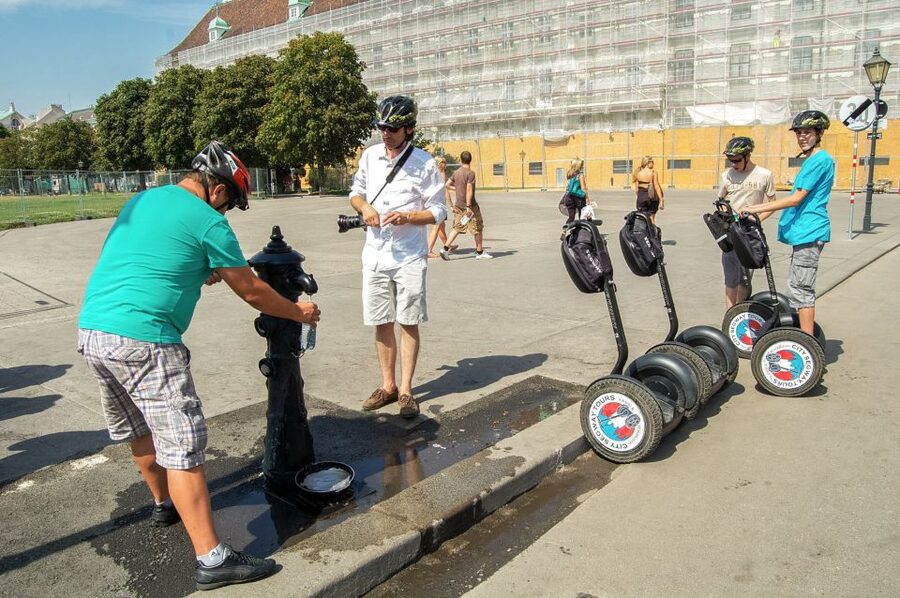
This suits first-time visitors who want fast orientation, families with older children, couples looking for something more active than a standard city walk, and anyone who enjoys a little novelty in sightseeing. It is also a good pick if you are unsure how to organize Vienna’s central sights. After three hours, you will know which areas deserve a slower return visit.
It works particularly well for people who are nervous about Segways but open to trying one. The training is thorough, and many first-time riders become comfortable quickly. You do need basic balance, attention, and willingness to follow the guide’s instructions.
The age and size rules are firm. Participants must be at least 12 years old, at least 150 centimeters tall, and between 45 and 120 kilograms. Anyone outside those limits cannot join, and being excluded for that reason does not qualify for a refund.
The tour may be less suitable if you dislike riding near traffic, need frequent rest, or want a quiet, slow examination of architecture. It also may not suit you if you strongly dislike bilingual tours, since English and German explanations can add waiting time.
You can cancel up to 24 hours before departure for a full refund, and you can reserve now and pay later. Those terms help if your Vienna schedule is still shifting, but check the available start time before booking.
Should you book the Vienna City Segway Tour?
Book it if you want to see a lot of central Vienna in one energetic outing and like the idea of pairing imperial history with a bit of modern fun. The cycle paths, compact group, formal training, and strong record of guide-led storytelling make this more than a novelty ride.
Skip it if $116 feels high for an outdoor overview, or if you would rather spend three hours inside museums and churches. For most first-time visitors who want orientation, photos, and a memorable way to move through the city, I consider it a worthwhile splurge. Start early in warm weather if you can, since standing at photo stops in the afternoon sun can be tiring.
FAQ
Where does the Vienna City Segway Tour start?
You meet the guide at the activity provider’s office at Bösendorferstraße 5. The tour returns to the same address.
How long does the tour last?
The tour lasts three hours, including the Segway tutorial and the ride through Vienna.
Is training included?
Yes. You receive a tutorial before leaving, with about 20 to 30 minutes set aside for practice.
What languages are used?
The tour is conducted in English and German by a live guide.
How large is the group?
The group is limited to 10 participants.
What sights does the route include?
The route can include the Opernring, Hofburg Palace, Parliament, St. Stephen’s Cathedral, Vienna City Hall, central streets, alleys, parks, and sections near the Danube.
What happens if it rains?
The tour operates in rainy weather. Rain ponchos are supplied when necessary, and the Segways can be used in the rain.
What are the age, height, and weight requirements?
Participants must be at least 12 years old, at least 150 centimeters tall, and between 45 and 120 kilograms.
What is included in the price?
The price includes the Segway, helmet, tutorial, and a rain poncho if necessary. Snacks and drinks are not included.
Just added in Vienna
- 3 hour private tour in Vienna by private car★ 4.4 · 6 reviews
- Private Christmas Markets Walking Tour Vienna★ 5.0 · 31 reviews
- Christmas Markets & Shopping in Vienna★ 5.0 · 17 reviews
- Christmas Market Vienna Tour★ 4.0 · 53 reviews
- Vienna: Christmas Markets Tour★ 4.3 · 99 reviews
- Vienna: Bus Tour with Virtual Reality Experience★ 4.7 · 148 reviews
- Vienna: A Little Night Music – Concert at Capuchin Church★ 4.8 · 145 reviews
- Vienna: Naschmarkt Guided Food Tour★ 4.4 · 140 reviews
City Tours, compared.

Guided Walking Tour of City Center Highlights
Read our review →
Guided Walking Tour of City Highlights & Hidden Gems
Read our review →

Skip-the-Line Schonbrunn Palace Guided Tour and Vienna Historical City Tour
Read our review →
Browse the lists this tour appears in