
Reviewed · WALKING TOURS
Vienna: City Highlights Guided Walking Tour & Old Town
Vienna’s old town packs Roman remains, medieval lanes, Habsburg power, Jewish history, palace gardens, famous cake, and St. Stephen’s Cathedral into a two-hour walk. That makes this a useful first look at the city, especially if you want the main story before choosing which museums and palaces deserve more of your time.
I like the route’s mix of major sights and tucked-away passageways, and I like that it finishes at St. Stephen’s Cathedral, right in the heart of Vienna. The walk also gives you practical food ideas, including Sacher cake and other Viennese desserts. The tradeoff is simple: this is a broad introduction, so anyone hoping for detailed history at every stop may find the information too light for a city as large and layered as Vienna.
Key points at a glance
- Roman and medieval Vienna: Connect the city’s ancient beginnings with its medieval center.
- Jewish history: Walk through the area associated with Vienna’s medieval Jewish quarter.
- Hofburg surroundings: Hear how the Habsburg residence worked in the past and how the complex is used today.
- Rose-filled palace gardens: Stroll through former royal gardens with about 3,000 rose bushes.
- Viennese food stories: Learn about Sacher cake and other sweets worth trying.
- St. Stephen’s Cathedral finish: End at Vienna’s most recognizable landmark in Stephansplatz.
Why this two-hour route works for a first look at Vienna
Vienna can feel grand and spread out at first. Its historic center is compact enough to walk, but every street seems to lead into another period of the city’s past. This tour gives you a basic map in your head while keeping you moving from one story to the next.
You will not spend the full two hours inside a single attraction. Instead, the guide links streets, courtyards, palace grounds, monuments, and cathedral views. That format suits you if you want context before returning to places on your own.
The tour is led by a licensed local guide and is offered in English or Italian. The provider is Astrid Stangl. Since the walk is guided rather than self-directed, you can ask questions as the route unfolds and get suggestions for how to use the rest of your time in Vienna.
At $25 per person, the price is reasonable for a two-hour orientation in one of Europe’s most historic city centers. You are paying mainly for the guide’s route and explanations, not for entry to museums or palace interiors. If you want interior visits, you will need to arrange those separately.
More Walking Tours in Vienna
- Vienna: Guided Walking Tour of City Center Highlights
★ 4.7 · 4,989 reviews - Vienna: Vienna Central Cemetery Guided Walking Tour
★ 4.8 · 3,307 reviews - Vienna: Guided Walking Tour of City Highlights & Hidden Gems
★ 4.9 · 2,180 reviews
Starting near Roman Vienna or the city museum
There are two possible starting locations: the Art gallery Carré d’artistes Wien or the Wien Museum Römermuseum. Your meeting point depends on the option you book, so check it carefully before setting out.
The Römermuseum is a natural match for the tour’s Roman history. Vienna began as the Roman military settlement of Vindobona, and the remains help explain why this location mattered long before the Habsburgs made it an imperial capital. The tour does not present itself as a full museum visit, so think of this opening as a historical frame rather than a museum-focused experience.
The art gallery meeting point gives you a different kind of start, placing you near the central streets and everyday city scene. Either way, the walk quickly moves into Vienna’s historic core.
Because the exact meeting point can vary, allow time to identify it before the scheduled start. The activity ends back at the meeting point area, with drop-off locations listed at Stephansplatz and Schulerstraße. That makes the walk easy to combine with further sightseeing in the center.
Roman beginnings and medieval streets
The first part of the tour connects ancient Vienna with its medieval development. This is one of the most useful parts of the route because it prevents the city from feeling like one long parade of imperial buildings.
You will hear about Vienna in Ancient Roman times, then move toward the medieval center. The city’s old streets and passageways make this change in time visible. A narrow lane can tell a different story from a formal palace square, and the guide uses those changes in setting to explain how Vienna grew.
The route includes picturesque passageways and stops at one or more courtyards. These quieter spaces are a welcome break from the famous monuments. They also give you photographs that are less predictable than the usual cathedral and palace views.
Do not expect every courtyard to be an open attraction with a long stop. The value is in noticing the spaces you might otherwise walk past. After the tour, you may find yourself paying closer attention to entrances, inner courtyards, and small connections between Vienna’s main streets.
Walking through Vienna’s medieval Jewish quarter
The tour also crosses the area associated with Vienna’s medieval Jewish quarter. This adds an important layer to the city’s story, since Vienna’s past is not only about emperors, composers, palaces, and grand avenues.
The subject is part of the walking narrative rather than a separate museum visit. That means the amount of detail can depend on the guide and on the pace of the group. Still, including Jewish history in a short old-town tour gives you a more complete view of Vienna’s past.
I would pay close attention here and note any places you want to revisit. If this topic is a main reason for booking, remember that the tour is an overview. It is not advertised as a specialist Jewish history walk, and it does not include a dedicated museum entry.
More walking routes in Vienna:
- Vienna: Viennese Underworld Guided Walking Tour
★ 4.7 · 1,865 reviews - Vienna: World War II Historical Walking Tour
★ 4.8 · 1,772 reviews - Vienna Historic Center Small Group Walking Tour
★ 5.0 · 1,746 reviews - Vienna: Private Walking Tour with a Local Guide
★ 4.6 · 1,420 reviews
The Hofburg and the Habsburg center of power
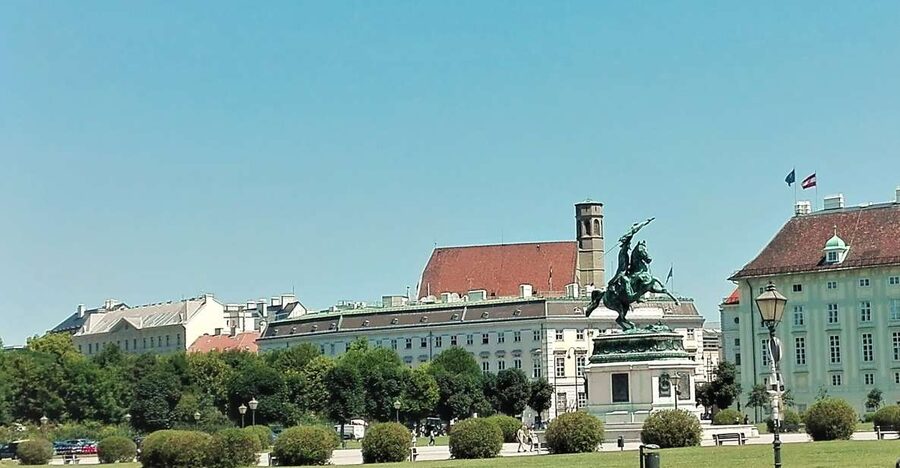
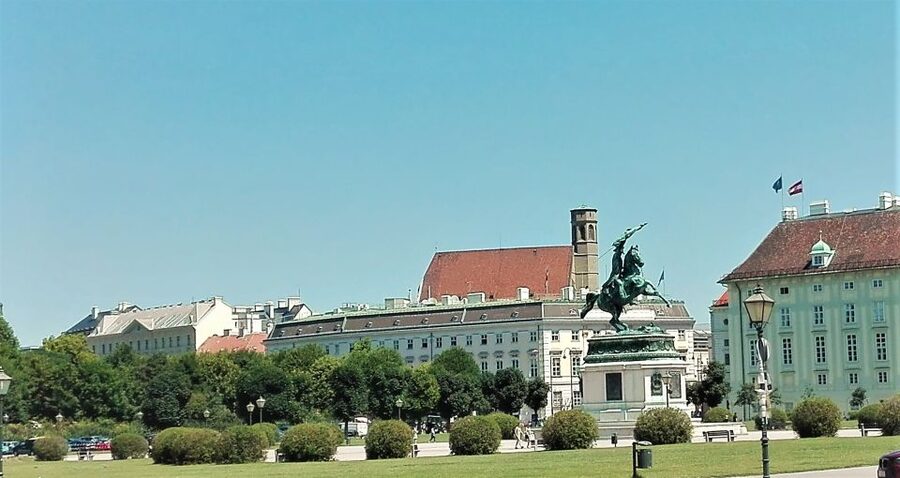
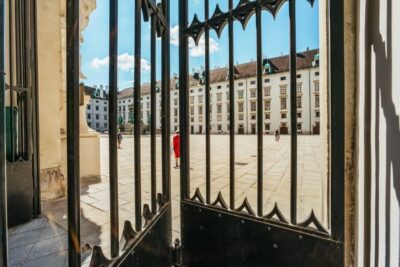
The Hofburg area is one of the tour’s major stops. For centuries, this vast complex served as the residence of the Habsburgs. Today, it contains museums and other important uses, so the guide helps you connect the old imperial role with the present-day site.
You will hear stories about former residents and learn how the buildings function now. That context matters because the Hofburg can otherwise seem like a collection of grand facades with no clear starting point. A guide can point out how the complex fits into Vienna’s political and cultural life.
This portion is especially useful if you plan to visit one of the Hofburg museums later. You will have a clearer sense of the area before paying for an interior visit. On this walking experience, the Hofburg is viewed from its surroundings rather than explored as a full palace tour.
The route also introduces the Ring Street and its impressive buildings. The Ringstrasse was created as a major boulevard around the old center, and its monumental architecture reflects Vienna’s imperial ambitions. In a short tour, you will not study every building, but you will learn why the street matters and what to watch for as you continue sightseeing.
A quiet pause among 3,000 roses
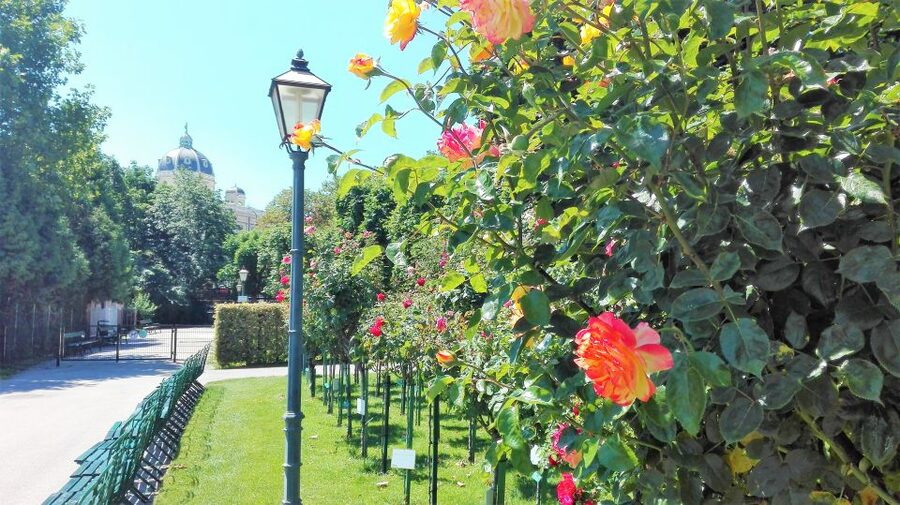
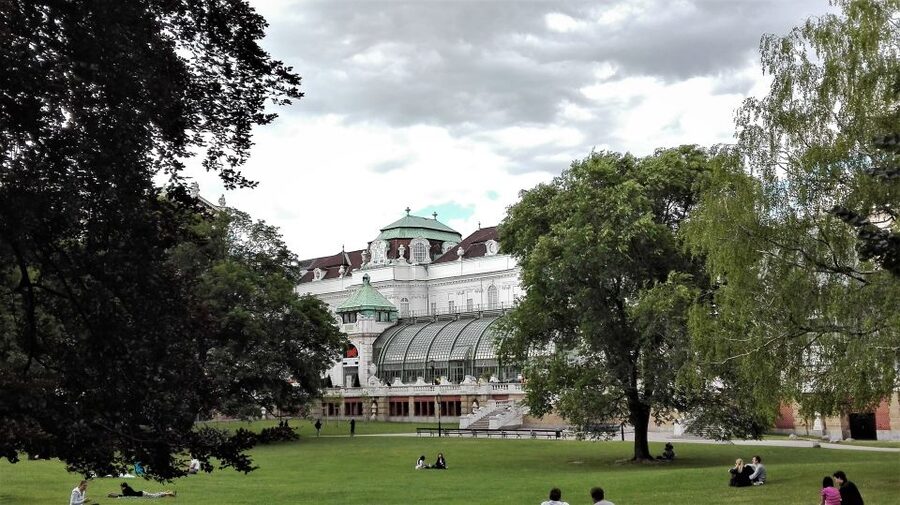
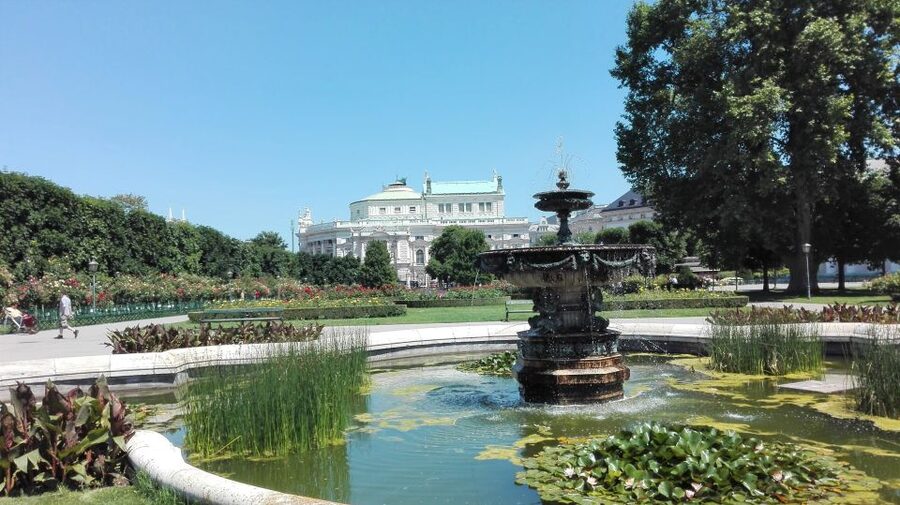
One of the gentler parts of the walk is the stroll through the former palace gardens. The gardens contain about 3,000 rose bushes, so this is a chance to step away from stone facades and busy city streets.
The stop adds variety to the route. You are not simply moving from one monument to another. The gardens give you a place to breathe, take photographs, and notice the softer side of Vienna’s royal past.
The roses are seasonal, of course, and the gardens may not look the same at every point in the year. The experience still has value outside peak bloom because the former palace grounds help show how the imperial court used space for leisure and display.
If you enjoy gardens, this is a good reason to keep the tour on your list. If you prefer museums or interiors, it may feel like a brief pause rather than a main attraction.
Capuchin Crypt and the story of Viennese cake
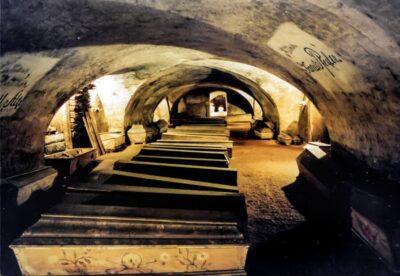
The walk passes the Capuchin Crypt, the family crypt of the Habsburgs. It is a striking reminder that the dynasty’s story includes both public ceremony and private burial. The tour does not include a crypt visit, so treat this as an exterior stop and a prompt to decide if you want to return.
Food gets its own place in the route, too. You will hear the story of Vienna’s famous Sacher cake and learn what other cakes you should try during your stay. That is a small but practical feature. Coffeehouse sweets are part of the city’s identity, and knowing more than one choice makes your food stops more interesting.
The guide may help you understand why Sacher cake is famous, but this is not a tasting tour. Food and drinks are not listed as included. Plan to visit a café separately if you want to sample the cake or another Viennese dessert.
Ending beneath St. Stephen’s Cathedral
The tour ends at St. Stephen’s Cathedral, Vienna’s best-known landmark and the center of the old-town area. Finishing here gives the route a clear climax and leaves you in a useful place for the rest of the day.
Stephansplatz is surrounded by central streets, shops, cafés, and further routes through the old town. After the tour, you can pause to admire the cathedral, continue exploring on foot, or return to a site that caught your attention earlier.
The cathedral is more than a convenient endpoint. It brings together the themes introduced during the walk: medieval Vienna, religious power, changing city life, and the layers of history visible in the center. You arrive with enough context to look at the building more carefully.
Since the tour ends around Stephansplatz and Schulerstraße, you should not need another form of transport to continue exploring central Vienna. The activity information also says it ends back at the meeting point, so confirm the precise finishing arrangement when booking.
What the pace and format are like
Two hours is long enough to cover a lot of ground but short enough to fit into a busy Vienna itinerary. You should expect steady walking through city streets, passageways, courtyards, palace surroundings, and gardens.
Comfortable shoes are essential. The activity specifically recommends sensible footwear, and that advice matters more than it may sound. Even a flat historic center can become tiring when you spend two hours on your feet and stop often for explanations.
The tour is listed as wheelchair accessible. Because the route includes old streets, passageways, courtyards, and gardens, it is sensible to confirm the exact route details for your needs before booking. The meeting point may vary by option, so accessibility questions may depend partly on the selected starting location.
The live guide speaks English or Italian. If you want to ask detailed questions, choose the language in which you can follow historical explanations most comfortably.
The main strength, and the main limitation
The strongest part of this experience is its range. In a short time, you get Roman beginnings, medieval Vienna, Jewish history, the Habsburg court, the Ringstrasse, palace gardens, the Capuchin Crypt, Viennese cake, and St. Stephen’s Cathedral.
That wide range also creates the main limitation. No two-hour route can give equal attention to all those subjects. One assessment of the experience rated it three out of five, noting that the amount of information felt limited for a city as important as Vienna, while also describing the guide as kind and available. That is a useful expectation to set: the walk is friendly and broad, but it may not satisfy you if you want a detailed academic account.
I would book it as a first-day orientation, not as your only history experience in Vienna. Use it to choose where to return, then spend more time inside the museums, crypt, cathedral, or palace sites that interest you most.
Who should book this Vienna walk?
This tour suits you if you want:
- A short introduction before independent sightseeing
- A guided walk through the old town rather than a bus ride
- A blend of famous sights and less obvious passageways
- Basic context on Roman, medieval, Jewish, and Habsburg Vienna
- A route that includes palace gardens and food suggestions
- A central finish at St. Stephen’s Cathedral
- An English or Italian speaking guide
- A flexible booking with cancellation up to 24 hours before the start
It is less suitable if you want extended time inside museums, a focused Jewish history tour, a dedicated food tasting, or detailed architectural analysis of every building.
Price, timing, and booking value
At $25 per person, this is a modest way to get oriented in central Vienna. The value is strongest when you use the tour to plan the rest of your visit. A good guide can help you see how the city fits together, then save you time as you decide which places deserve a return visit.
The tour lasts two hours, but starting times vary, so check availability for the day you want. Free cancellation is available up to 24 hours in advance for a full refund, and you can reserve now and pay later. Those terms are useful if your Vienna schedule is still changing.
The price does not cover food, drinks, or stated museum admissions. Think of it as a guided city walk, not a bundled attraction pass.
Should you book it?
Book this walk if you want a friendly, central overview with plenty of subjects packed into two hours. The Roman remains, medieval Jewish quarter, Hofburg surroundings, rose gardens, Sacher cake story, and cathedral finish give you a good first outline of Vienna.
Skip it if you already know the old town well or want one subject explored at length. For most first-time visitors, though, $25 is a fair price for a guided introduction, provided you arrive expecting a useful overview rather than a full history course.
FAQ
How long does the Vienna walking tour last?
The tour lasts two hours.
What languages are available?
The live tour guide is available in English and Italian.
Where does the tour start?
There are two possible starting locations: Art gallery Carré d’artistes Wien and Wien Museum Römermuseum. The meeting point depends on the option you book.
Where does the tour end?
The listed drop-off locations are Stephansplatz and Schulerstraße in Vienna’s 1010 district. The activity information also states that the tour ends back at the meeting point, so check the exact arrangement for your booking.
Does the tour visit St. Stephen’s Cathedral?
The walking route ends at St. Stephen’s Cathedral in the heart of Vienna’s old town. Entry inside the cathedral is not listed as included.
Does the tour include the Hofburg Palace?
The tour explores the surroundings of the Hofburg, explains its former role as the Habsburg residence, and discusses its present use. Palace or museum entry is not listed as included.
Does the tour include food or cake tasting?
No food or drinks are listed as included. The guide discusses Sacher cake and other Viennese cakes you can try during your stay.
Is the tour wheelchair accessible?
The activity is listed as wheelchair accessible.
Can you cancel for a full refund?
Yes. You can cancel up to 24 hours in advance for a full refund. You can also reserve now and pay later.
Just added in Vienna
- World War II History Vienna Old Town Private Walking Tour★ 4.8 · 9 reviews
- Vienna: Wiener Schnitzel and Strudel Cooking Class★ 4.9 · 126 reviews
- Vienna: Wine Tasting Tour★ 4.8 · 61 reviews
- Vienna: Winery and Wine Tasting Tour with a Wine Expert★ 5.0 · 5 reviews
- Vienna: Wine Tasting at Schönbrunn Palace★ 4.3 · 71 reviews
- Vienna: Wine Tasting E-Bike Tour★ 4.9 · 46 reviews
- Vienna: Unforgettable Private City Tour★ 5.0 · 7 reviews
- Vienna Urban Art Tour: Explore a different side of Vienna!★ 3.8 · 14 reviews
Walking Tours, compared.
Guided Walking Tour of City Center Highlights
Read our review →
Guided Walking Tour of City Highlights & Hidden Gems
Read our review →
Vienna Historic Center Small Group Walking Tour
Read our review →
Browse the lists this tour appears in