
Reviewed · WALKING TOURS
Vienna: 2 Hours Sightseeing Walking Tour
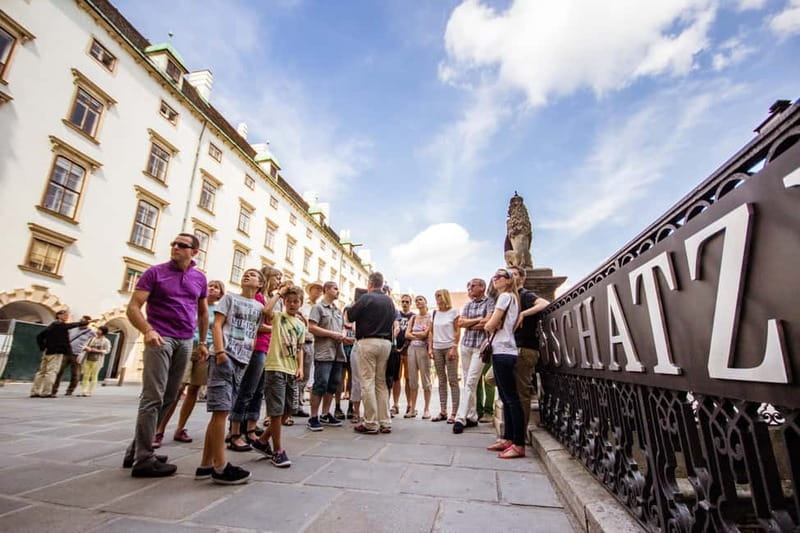
Vienna’s grand center makes the most sense on foot, and this two-hour walk gives you a fast, useful introduction to the city’s imperial core. You move from the Baroque curves of Michaelerplatz to the Hofburg, Albertina, Vienna State Opera, and St. Stephen’s Cathedral while a local guide explains how the Habsburg court shaped what you see.
I like the small-group format, which makes it easier to ask questions and hear the guide in busy streets. I also like the practical touch: guides such as Herbert and Wolfgang add courtyard detours, local lunch suggestions, and honest advice about what deserves more of your time. The main drawback is that this is an outdoor orientation walk, not a museum tour, so entrance fees are not included and poor weather will not cancel it.
Key things to know before you book
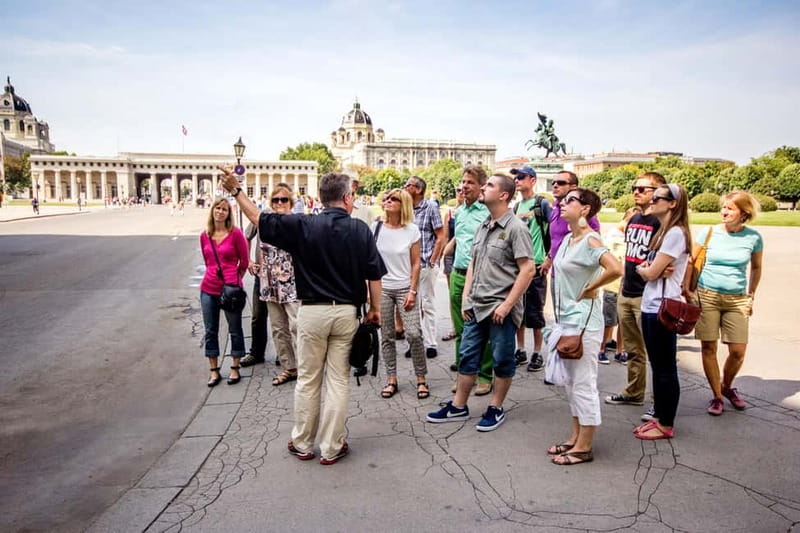
- A compact route through central Vienna: See Michaelerplatz, Hofburg Palace, Josefsplatz, the State Opera, Albertina, Neuer Markt, and St. Stephen’s Cathedral in two hours.
- Strong local guiding: Herbert, Wolfgang, Dorothea, and other guides are praised for clear English, humor, historical stories, and useful answers.
- Good first-day choice: The walk helps you recognize Vienna’s center before you return to selected sights on your own.
- Mostly exterior sightseeing: You receive guided context outside the major buildings, but admission tickets are not included.
- Weather matters: The tour runs in rain, cold, and other conditions, so wear comfortable shoes and bring suitable clothing.
- Not for every visitor: Children under 12, wheelchair users, and people with mobility impairments are not accepted.
Why this walk works as a Vienna introduction
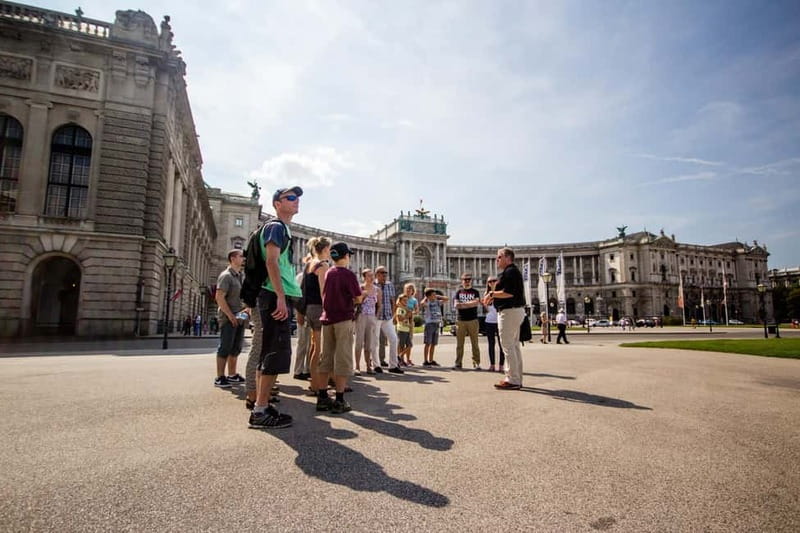
Vienna can feel grand to the point of confusion. The old center is packed with palaces, churches, museums, squares, and formal streets, but a short walk helps you connect them. This route concentrates on the part of town where imperial power, art, music, and everyday city life sit close together.
The guide’s job is not simply to point at a palace and name it. The better guides explain how the Hofburg grew over time, why the city looks so ceremonial, and how to read the layers of Vienna’s past. Herbert is especially praised for making the Habsburg rulers easier to follow without drowning you in dates. Wolfgang brings a similar mix of history, humor, and practical advice.
I would schedule this on your first day in Vienna. Afterward, you can return to the places that caught your attention, enter the museums that suit you, and move around the center with less reliance on a map. The walk is short enough to fit into a busy arrival day, yet full enough to give you a useful framework for the rest of your stay.
The pace includes walking, stopping, and listening. One especially appealing feature is the chance to see courtyards and less obvious corners that you might pass without noticing. This does not turn the tour into a secret-places hunt, but it adds texture to a route built around famous sights.
More Walking Tours in Vienna
- Vienna: Guided Walking Tour of City Center Highlights
★ 4.7 · 4,989 reviews - Vienna: Vienna Central Cemetery Guided Walking Tour
★ 4.8 · 3,307 reviews - Vienna: Guided Walking Tour of City Highlights & Hidden Gems
★ 4.9 · 2,180 reviews
Meeting at Loos Haus on Michaelerplatz
The tour begins in front of Loos Haus at Michaelerplatz 3, 1010 Vienna. The building is between Kohlmarkt and Herrengasse, and the facade carries the name Raiffeisenbank. The nearest stated transit landmark is Herrengasse station on the U3 line, about a three-minute walk away.
Give yourself extra time to find the guide. One participant initially had trouble locating the meeting point, although a phone call solved the problem. The location itself is central, but the square has several buildings and street approaches, so arriving a little early is sensible.
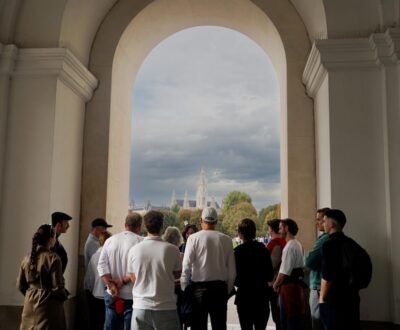
Michaelerplatz is an excellent starting point because it puts Vienna’s contrasts in one view. You see Baroque architecture, the entrance to the Hofburg complex, and the bold modern facade of Loos Haus. The square’s star-like shape gives the opening stop a formal feel, but it also provides a clear place to gather before heading into the old center.
Bring only what you need. Large bags and luggage are not allowed, and audio recording is not permitted. Comfortable walking shoes are essential, since the tour covers central streets and squares rather than moving between stops by vehicle.
Michaelerplatz and the many layers of the Hofburg
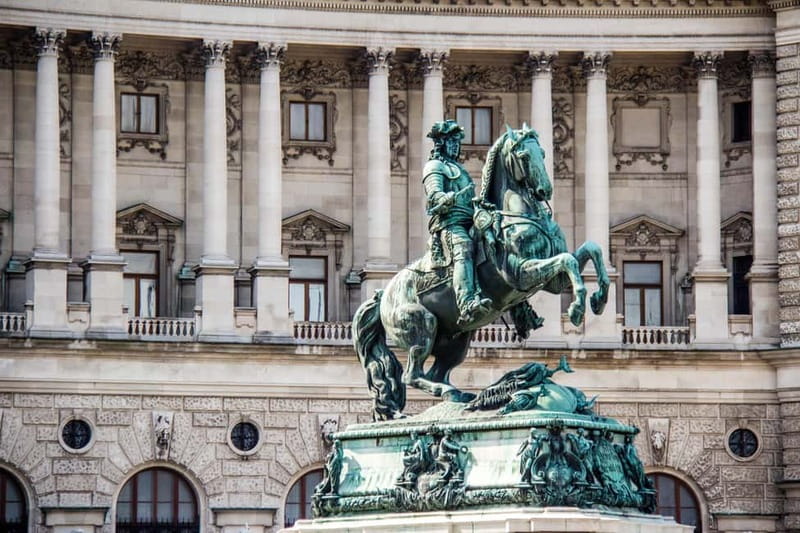
From Michaelerplatz, the walk moves into Vienna’s imperial story. The Hofburg Palace was not built as one tidy project. It was repeatedly added to, extended, and rebuilt, so the complex reflects changing rulers and changing ideas about power.
That makes the Hofburg a useful lesson in reading Vienna. Instead of seeing one palace with one date, you begin to understand how the Habsburg center expanded over generations. The guide can connect the buildings to the long rule of the dynasty and to Vienna’s former role as a major seat of the Holy Roman Empire.
You should expect guided sightseeing from the outside rather than a palace admission. Entrance fees are not part of the activity, so plan a separate visit if you want to explore the Hofburg’s museums or rooms. This approach suits you if you want orientation first and prefer to choose your indoor visits later.
The strongest part of this stop is the storytelling. Herbert is praised for using anecdotes to make the Habsburg generations easier to remember, while keeping the tone light. That matters in Vienna, where a list of rulers can quickly become a blur of similar names and grand titles.
Josefsplatz and imperial Vienna at a human pace
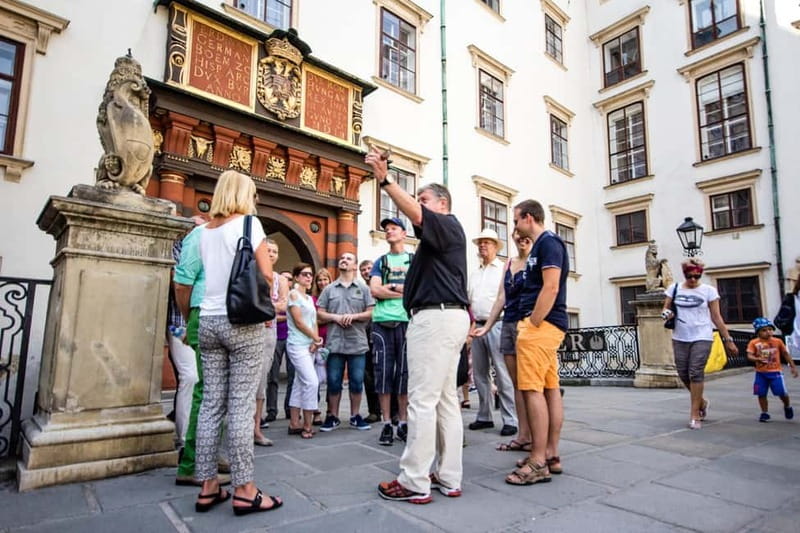
Josefsplatz gives the walk another formal Habsburg setting. Here, the guide continues the story of court life and the buildings around the imperial center. The value of the stop is not a single ticketed attraction. It is the connection between the square, the palace complex, and the political world that shaped Vienna.
The best guides keep the tour from becoming a march of dates. Several comments praise a balance of walking, sitting, pausing, and talking. That rhythm is welcome, especially if you have already spent the morning on your feet.
This is also where a good guide can help you decide what to see afterward. Herbert is noted for explaining which places deserve further time and which might not suit every visitor. That kind of advice can save you from spending half a day at a sight that does not match your interests.
More walking routes in Vienna:
- Vienna: Viennese Underworld Guided Walking Tour
★ 4.7 · 1,865 reviews - Vienna: World War II Historical Walking Tour
★ 4.8 · 1,772 reviews - Vienna Historic Center Small Group Walking Tour
★ 5.0 · 1,746 reviews - Vienna: Private Walking Tour with a Local Guide
★ 4.6 · 1,420 reviews
Vienna State Opera and the city’s musical identity
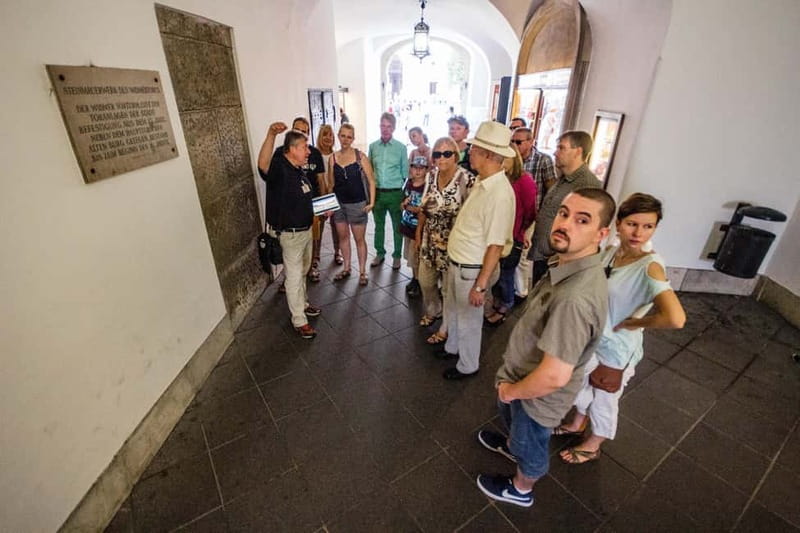
The Vienna State Opera is one of the route’s major public landmarks. You pause outside for an explanation of the building and its place in the city. The tour does not include an opera performance or an interior visit, so think of this as a useful orientation rather than a performing-arts experience.
Vienna’s musical reputation can seem like a postcard idea until you understand how closely music is tied to the city’s public identity. The Opera sits in the middle of the historic center, close to palaces, museums, and major streets. Its location helps you see that music was not separate from imperial Vienna. It belonged to the city’s ceremonial life.
The guide may also point out the place connected with the production of Sisi’s diamond stars. That small detail adds a personal angle to the imperial story. Instead of hearing only about rulers and buildings, you get a glimpse of the objects and people that helped create the court’s image.
For many visitors, this is a good point to note down where they might return. If you want more than an exterior view, you will need to arrange a separate activity, since admission is not included.
Albertina Museum and art beyond the facade
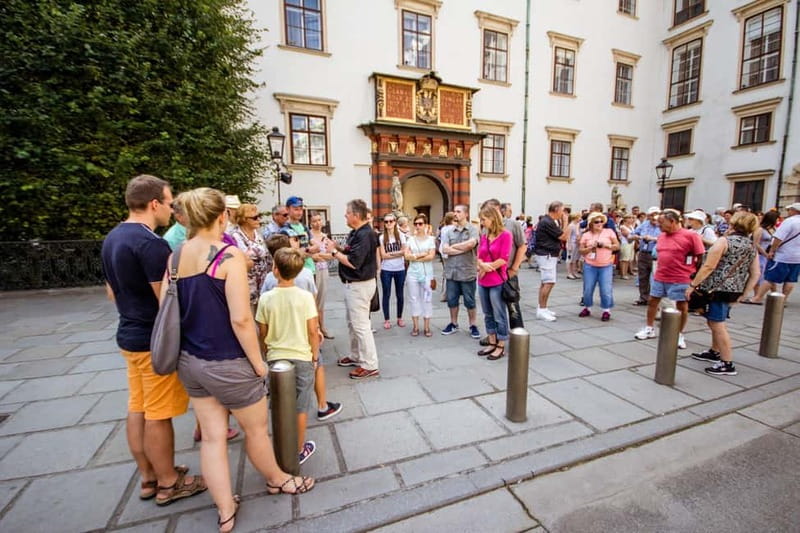
The Albertina Art Museum is another important stop. It is home to one of the world’s major print collections, but this walking tour does not include entry. The guide’s role is to explain the building and its place among Vienna’s cultural institutions.
That distinction matters when you compare this tour with a museum visit. You will not spend time examining artworks here. Instead, you get enough background to decide if the Albertina deserves a separate block in your schedule.
I like having the Albertina on a city walk because it reminds you that Vienna is more than palaces and dynastic stories. The center also holds serious art collections, and the route links those cultural sites to the streets and buildings around them.
If art is a priority, keep the museum on your list after the walk. The tour can help you choose it, but it cannot replace the visit.
Neuer Markt and the route toward Stephansplatz
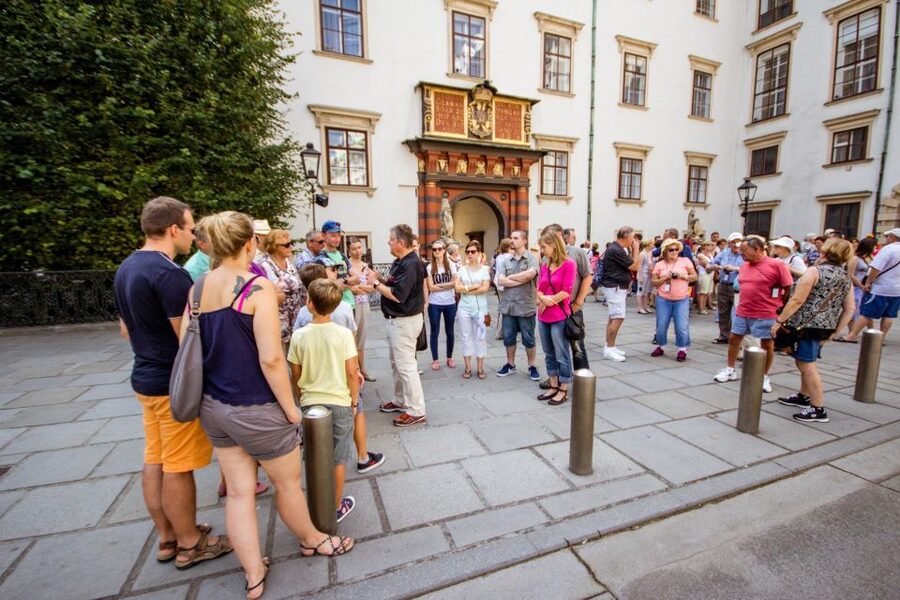
Neuer Markt brings the walk back to an open city square and helps bridge the imperial center with the area around St. Stephen’s Cathedral. The guide continues to explain Vienna’s past and present, with the chance to ask about places you have already seen or plan to visit.
This section is useful because the tour does not treat every stop as an isolated monument. You walk through the connections between squares, streets, and major buildings. That is one reason the experience works better as a first-day activity than as a simple checklist of photo stops.
The route finishes around Stephansplatz, with St. Stephen’s Cathedral as the final major sight. The stated end information also says the activity returns to the meeting point, while the route lists Stephansplatz as a drop-off location. Confirm the precise finish details when booking, especially if you have a timed museum visit or restaurant reservation afterward.
St. Stephen’s Cathedral as the final landmark
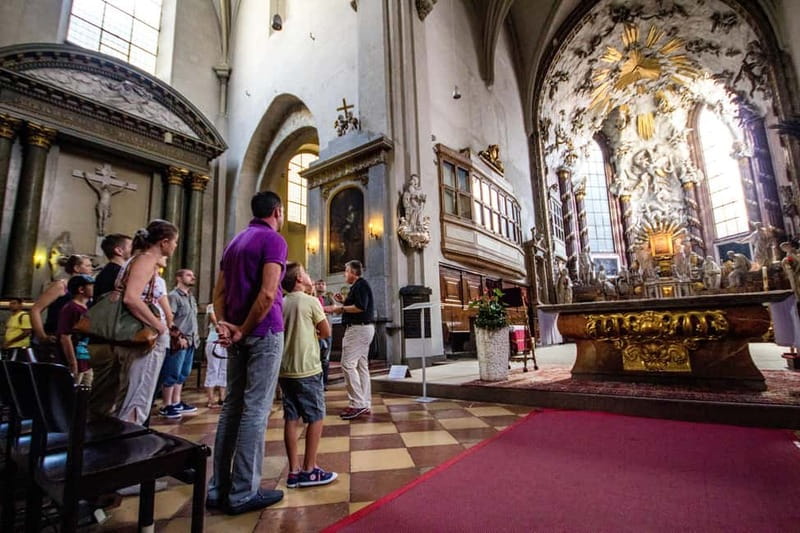
St. Stephen’s Cathedral is an impressive finish because it shifts the mood from imperial palace to working city center. You see the cathedral as part of Vienna’s daily urban life, not just as a monument on a sightseeing list.
Again, the tour provides guided context rather than an included interior visit. There is no entrance fee included, so you can decide later if you want to go inside. Ending near Stephansplatz is convenient for continuing on foot, finding food, or reaching nearby parts of the center.
The final stop also helps fix the geography of Vienna in your mind. Once you understand the route from Michaelerplatz through the Hofburg, Opera, Albertina, Neuer Markt, and Stephansplatz, the central district becomes easier to navigate without a map.
The guides make the difference
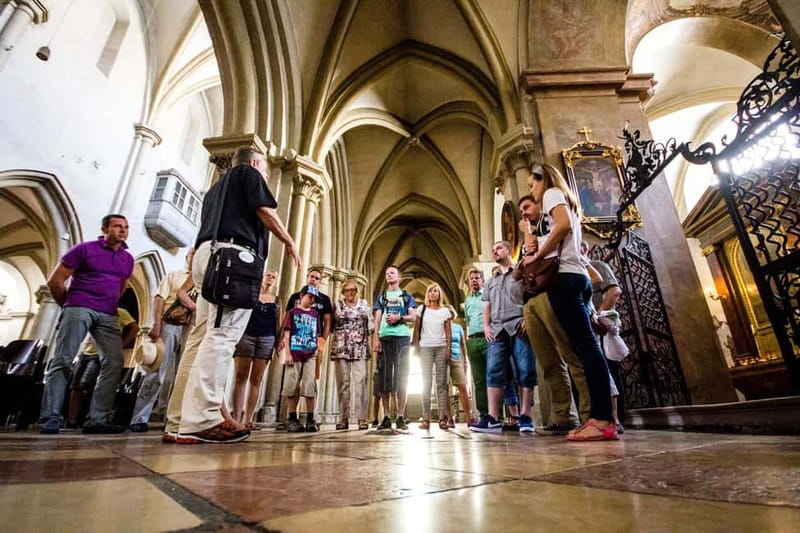
The experience is offered in English or German by a certified tourist guide and native speaker. The clearest praise goes to Herbert and Wolfgang, with Dorothea also receiving strong approval for an informative two-hour walk. The common thread is not a scripted list of facts. It is clear delivery, humor, and the ability to answer questions.
Herbert is frequently singled out for his friendly style, strong English, and gift for making Habsburg history understandable. Wolfgang is praised for his local stories, safe handling of the group, and willingness to suggest places for lunch or further sightseeing. A small group of about eight people was described as a comfortable size, and some departures may be even smaller.
That personal element is important. A guide who simply recites dates will make Vienna feel remote. A guide who explains why a building matters, adds a story about the people connected with it, and responds to your questions can make the city easier to remember.
Specific guides cannot be guaranteed, so book this for the format and route rather than for a promised individual. Still, the repeated strength of the guiding is a good reason to consider this walk over a larger, less personal city tour.
Price, pace, weather, and practical limits
At $33 per person, the tour offers fair value if you want a guided introduction to central Vienna. You are paying for two hours with a certified local guide, not for admission to the Hofburg, Albertina, Opera, or cathedral. Compared with paying separate entry fees, this is a modest orientation cost.
The value is highest when you take it early in your stay. You can use the guide’s suggestions to shape the rest of your visit, avoid sights that are not a good match, and return to the places that interest you most.
The walk runs in all weather. Bring a rain jacket in wet conditions and warm clothing in winter. One group enjoyed the tour in rain, while another found it worthwhile in freezing weather, but that does not mean every visitor will enjoy standing outdoors in poor conditions.
The activity is not suitable for children under 12, wheelchair users, or people with mobility impairments. Large bags and luggage are not allowed. Free cancellation is available up to 24 hours before the start, and you can reserve now and pay later, which helps if your Vienna plans are still shifting.
Who should book this walk?
I recommend it for first-time visitors who want to understand central Vienna before tackling the museums. It also suits history fans who enjoy stories about the Habsburgs, architecture, court life, and the way a city changes over time.
It is a good match if you like small groups, direct questions, and a guide who can offer local recommendations. It is less suitable if you want long interior visits, a slow photography walk, or a fully accessible route.
Book it early in your stay, wear good shoes, and keep the rest of that morning reasonably open. If Herbert or Wolfgang leads your departure, expect a lively history lesson with practical tips. Even with another guide, the route gives you a strong map of Vienna’s most important central sights.
FAQ
How long is the Vienna sightseeing walking tour?
The tour lasts two hours. Starting times vary, so you should check availability when booking.
Where does the tour start?
It starts in front of Loos Haus at Michaelerplatz 3, 1010 Vienna. The building is between Kohlmarkt and Herrengasse, and Herrengasse metro station on the U3 line is about a three-minute walk away.
Which languages are offered?
The tour is available in English and German.
Which sights are included on the route?
The route includes Michaelerplatz, Hofburg Palace, Josefsplatz, Vienna State Opera, Albertina Museum, Neuer Markt, and St. Stephen’s Cathedral.
Are entrance fees included?
No. The tour includes a certified guide, but entrance fees for museums, palaces, churches, or other attractions are not included.
Does the tour run in bad weather?
Yes. Tours take place regardless of weather, so you should dress for the forecast and wear comfortable walking shoes.
Who cannot take this tour?
The activity is not suitable for children under 12, wheelchair users, or people with mobility impairments. Large bags and luggage are also not allowed.
Just added in Vienna
- 3 hour private tour in Vienna by private car★ 4.4 · 6 reviews
- Private Christmas Markets Walking Tour Vienna★ 5.0 · 31 reviews
- Christmas Markets & Shopping in Vienna★ 5.0 · 17 reviews
- Christmas Market Vienna Tour★ 4.0 · 53 reviews
- Vienna: Christmas Markets Tour★ 4.3 · 99 reviews
- Konzerte der Wiener Royal Orchester★ 4.5 · 143 reviews
- Mozarthaus Vienna Admission Ticket★ 3.0 · 139 reviews
- The best of Vienna – Exclusive Tour (Max 9 people)★ 4.5 · 143 reviews
Walking Tours, compared.
Guided Walking Tour of City Center Highlights
Read our review →
Guided Walking Tour of City Highlights & Hidden Gems
Read our review →
Vienna Historic Center Small Group Walking Tour
Read our review →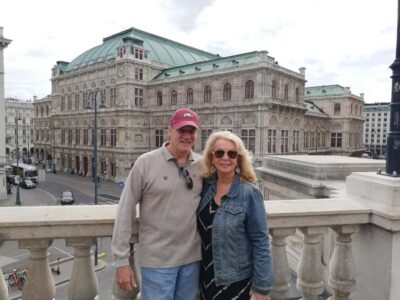
Browse the lists this tour appears in