
Reviewed · TOURS IN VIENNA
“The Third Man” Film Location Tour
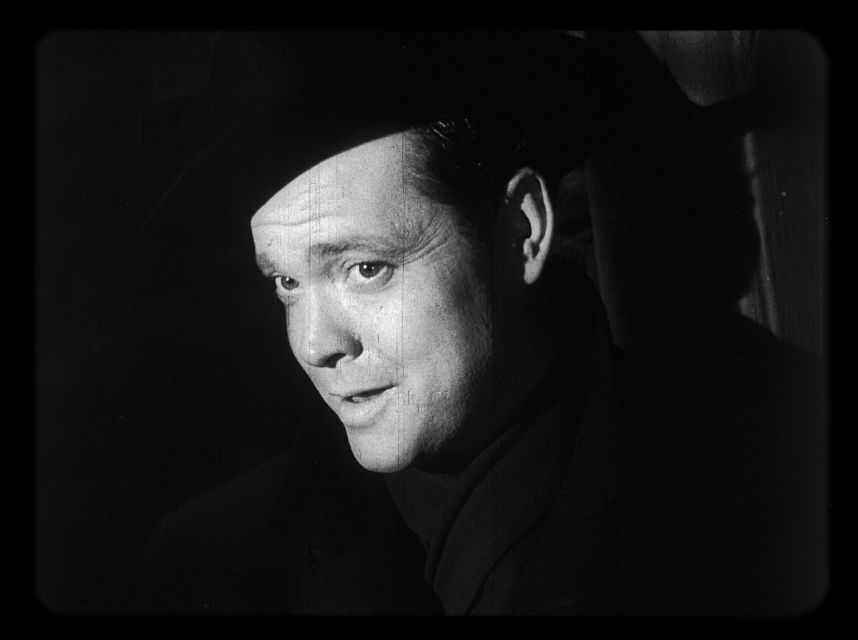
The best thing about this tour is that it treats The Third Man as more than a movie. As you walk through Vienna’s old town, the film opens into a story about bombed streets, Allied occupation, spies, black markets, and a city split between four powers. Old photographs help you compare the Vienna on screen with the streets you see today.
I like the strong film focus and the way guides such as Brigitte Timmermann, Christopher, Kirstin, and Christian Timmermann connect small production details to the larger story. I also like that the walk works as a postwar Vienna tour, even if you are not a devoted film fan.
The main drawback is scope. The two-hour route covers central Vienna, not every famous location. You will not visit the sewer system, cemetery, or Prater Ferris wheel, and the walk may run closer to three hours. Cobblestones and extended standing can be tiring.
Key points at a glance
- Follow Harry Lime through central Vienna: See important locations from The Third Man around the Inner Stadt.
- Get the film and the real city together: Guides explain the making of the movie alongside postwar politics, occupation, and daily life.
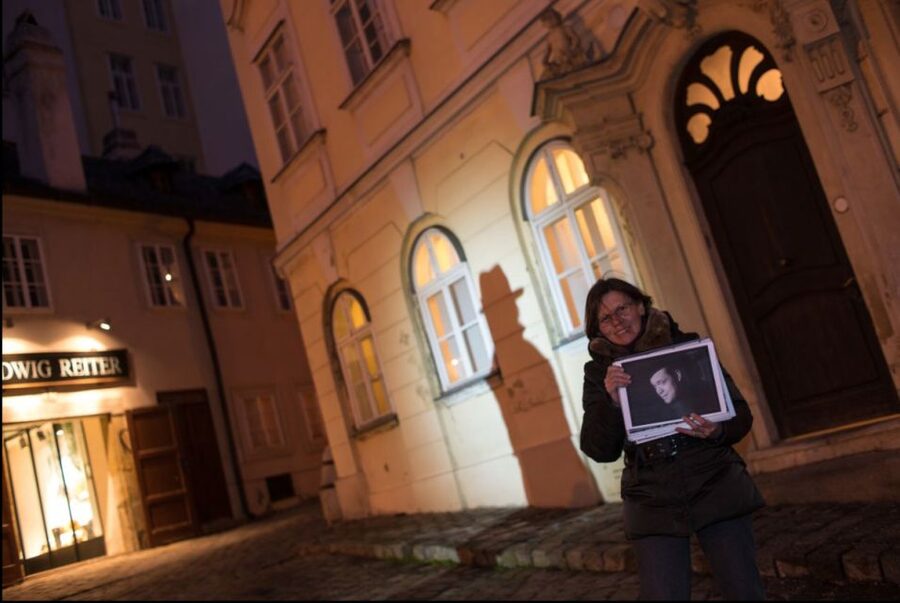
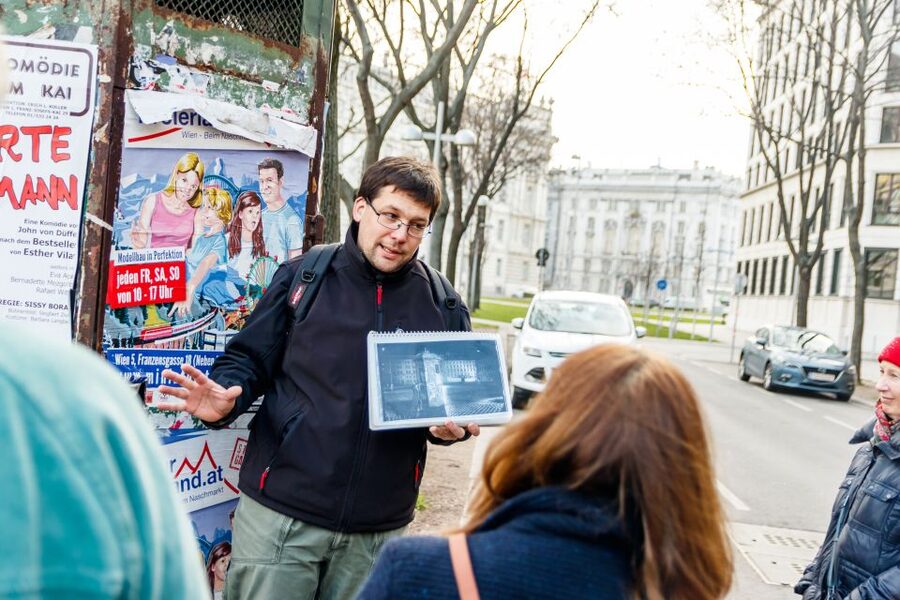
- Use the photographs: Period images make it easier to spot how locations changed and how scenes were staged.
- Expect expert storytelling: Some guides, including Brigitte Timmermann, have spent years researching the film and its production.
- Bring sensible shoes: The route is mostly flat but includes cobbled streets and plenty of walking.
- Know what is not included: The sewers, cemetery, and Prater Ferris wheel require separate visits.
Why The Third Man still belongs in Vienna
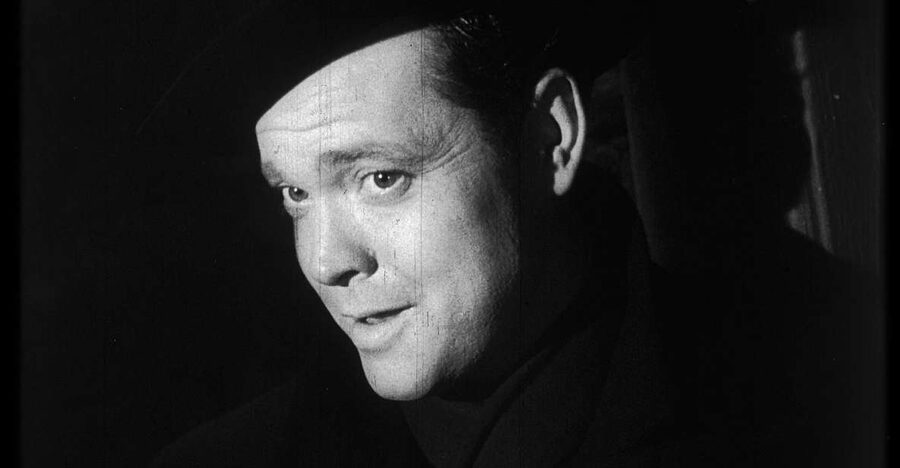
Carol Reed’s 1949 film is set in a Vienna damaged by World War II and divided among the American, British, French, and Soviet occupation zones. Graham Greene’s screenplay turns that uneasy city into a shadowy thriller, with Harry Lime at its center and Anton Karas’s zither music adding an unmistakable Viennese sound.
The film remains useful as a guide to the period because its streets are not just scenery. Ruins, checkpoints, dark alleys, and underground passages reflect the political uncertainty of the time. On this walk, you learn how the film was created and why Vienna was such an effective setting for it.
I especially like the way the tour handles the gap between movie illusion and city reality. Some scenes were filmed in Vienna, while others were constructed or altered for the camera. The guide uses photographs to show where the film was faithful, where it used a substitute, and how the production made one part of town look like another.
You do not need to be able to discuss camera angles or quote the film from memory. The tour gives enough background for first-time viewers, though you will get much more from it if you watch The Third Man beforehand.
More days out of Vienna:
- Vienna: Vivaldi’s Four Seasons Concert in Karlskirche
★ 4.7 · 14,951 reviews - Vienna: Spanish Riding School Training
★ 3.9 · 9,281 reviews - Vienna: Skip-the-cashier-desk-line Giant Ferris Wheel Ride
★ 4.5 · 7,859 reviews
Starting at Stadtpark and entering the film
The meeting point is at U4 Station Stadtpark, at the Johannesgasse exit. That is a practical place to begin because it is easy to reach by public transport and puts you near the central part of the city.
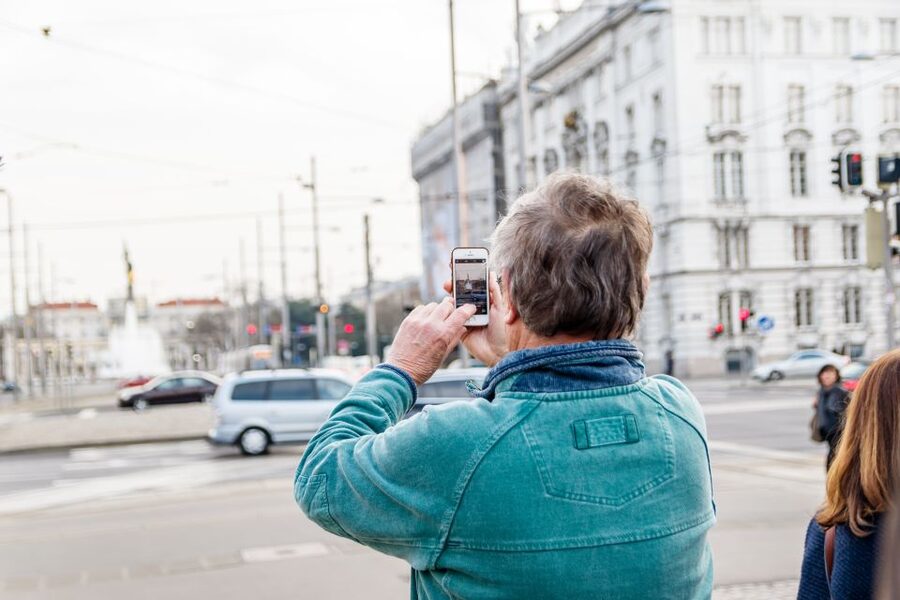
From there, the route leads toward Vienna’s old town. Expect a walking tour rather than a series of indoor attractions. The guide stops at locations, shows photographs, explains what happened in the scene, and then adds context about the people and events behind the production.
The route mainly covers the Inner Stadt south of Stephansplatz, according to detailed descriptions from previous participants. That means you are walking through an area that already rewards ordinary sightseeing. You can combine the tour with a look at central Vienna’s streets, churches, squares, and cafés without spending the day crossing the city.
The photographs are important. Film locations can be difficult to recognize when the lighting, camera angle, costumes, and wartime damage are gone. A period image gives you a direct comparison, helping you see what the production team saw and what has changed.
The locations and what they reveal
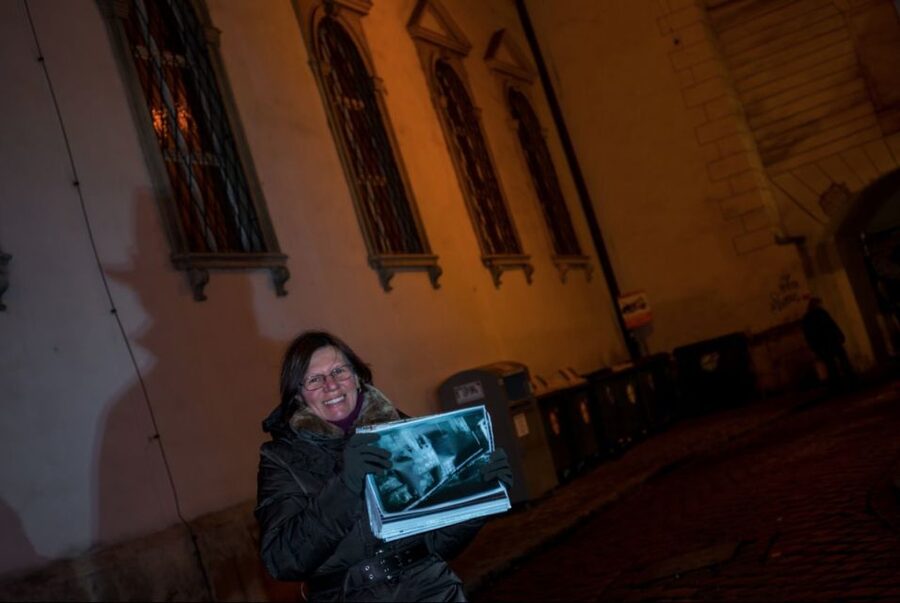
The tour visits many of the important central locations used in The Third Man. The value is not simply checking off filming spots. At each stop, you learn how a scene was made and how the real place fitted into Vienna’s postwar setting.
You might hear about the cast, the crew, Graham Greene’s involvement, and the international nature of the production. Orson Welles is central to the story, both as Harry Lime and as a major personality around the film. The guides also explain how the actors and production team worked in Vienna.
Several guides are praised for going beyond prepared facts. Brigitte Timmermann has researched the film for years and written a book on its Vienna locations. Christian Timmermann is also associated with a particularly detailed presentation of the movie, its politics, music, actors, and production stories.
That depth matters because The Third Man has plenty of myths and technical tricks. The tour helps separate what happened on location from what was built, faked, or reshaped for the screen. You begin to notice that a movie location is not always a single place. It can be a combination of real streets, constructed sets, camera tricks, and editing.
The walk also explains the famous tilted visual style often associated with the film. One guide has discussed the Dutch tilt, a camera technique that makes the horizon slant and gives scenes an off-balance feel. Details like this are especially useful if you plan to watch the film again after the tour.
The hidden subject is postwar Vienna
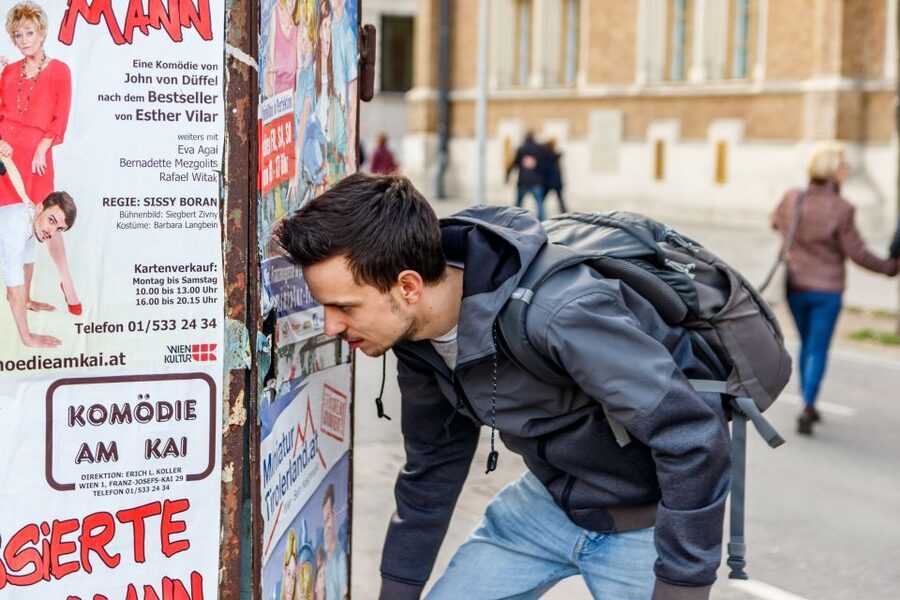
For me, the most useful part of the experience is the picture of Vienna after the war. The tour discusses bomb damage, Allied forces, the black market, international occupation, and spies from east and west. It shows how the city’s political divisions shaped ordinary life.
This is not a separate history lecture pasted onto a film walk. The two subjects fit together. The uncertainty of the city explains why the film feels so tense, and the film gives you a memorable way to understand the period.
You hear about the difference between the elegant Vienna associated with imperial palaces and the harder city that existed after 1945. Ruins and shortages sat alongside cafés, music, and old traditions. The tour also touches on politics, culture, social conditions, and the early Cold War.
That broader focus makes the activity suitable for companions who have not seen the movie. One person can follow the filming locations while another learns about Vienna’s recent past. The guide’s anecdotes about the cast, crew, and city keep the history from becoming dry.
The best guides use humor and a lively delivery. Names noted for this include Brigitte, Brigita, Christopher, Kirstin, Bridget, Sonia, and Christian Timmermann. The exact guide depends on the departure, but the experience is built around a live English or German guide rather than an audio recording.
A different kind of evening in Vienna:
- Vienna: Schönbrunn Palace & Gardens Skip-the-Line Tour
★ 4.7 · 7,739 reviews - Vienna: Light of Creation Votive Church Immersive Light Show
★ 4.8 · 6,779 reviews - Vienna Spanish Riding School Guided Tour
★ 4.7 · 6,765 reviews - Vienna: Classical Concert in the World-Famous Musikverein
★ 4.6 · 6,673 reviews
The sewer question
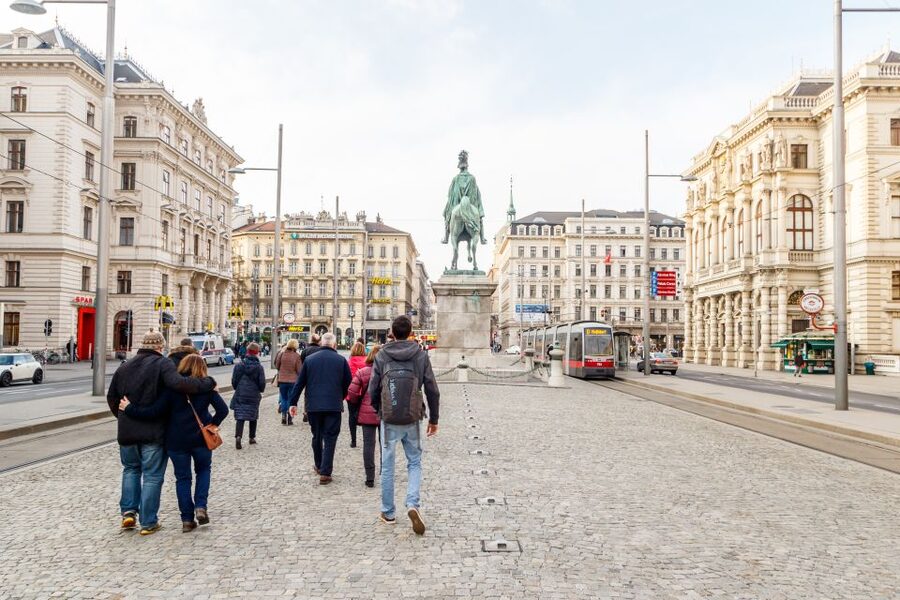
Many people book a Third Man tour hoping to enter Vienna’s sewers. This activity does not include a sewer visit.
That is worth knowing before you reserve. The famous chase through the sewer system is a major part of the movie, but the tour explains that the sewer material used in the film involved a mock-up rather than a simple visit to the exact screen location. You still learn how the sequence was created, but you should not expect an underground section.
This is not a serious weakness if your goal is to understand the movie. It would be a problem only if walking through the sewers is your main reason for booking. Read the description carefully and treat the underground scenes as part of the film discussion, not as a separate attraction.
What you will miss outside the central route
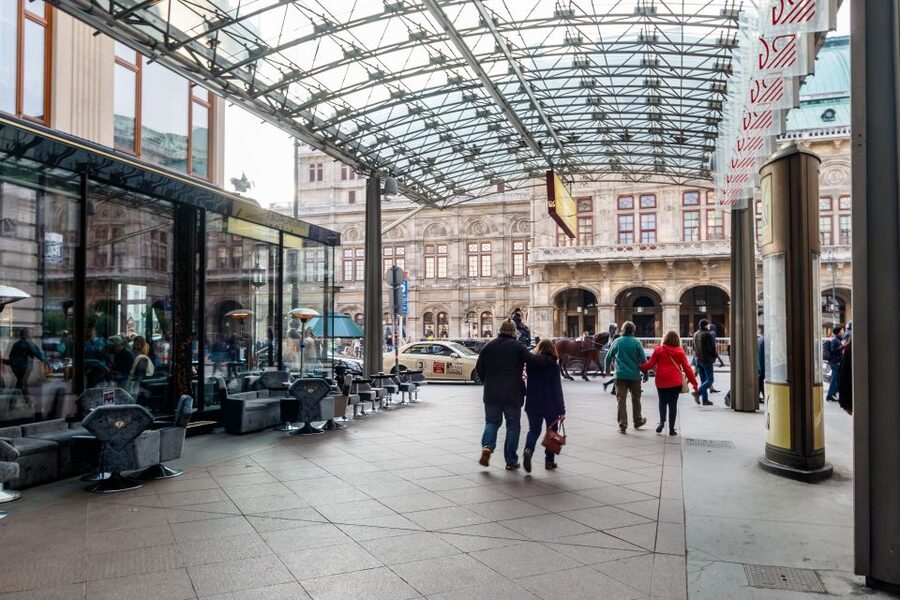
The cemetery and the Prater Ferris wheel are not part of the two-hour walk. The cemetery is too far out for this central route, and the giant wheel at the Prater requires a separate trip.
That limitation makes sense. Adding both would turn a compact walking tour into a much longer city outing. Still, you should plan ahead if these locations matter to you.
The Prater wheel is easy to add on another day or before the tour, but no transport is included in this activity. One useful plan is to visit the wheel separately, then take the film walk when you have enough time for the central locations.
The same applies to the Third Man Museum, which several guides recommend as an additional stop. It is not part of this tour. If you want memorabilia, production material, and a larger collection devoted to the film, allow extra time for the museum on another visit.
Walking time, cobblestones, and weather
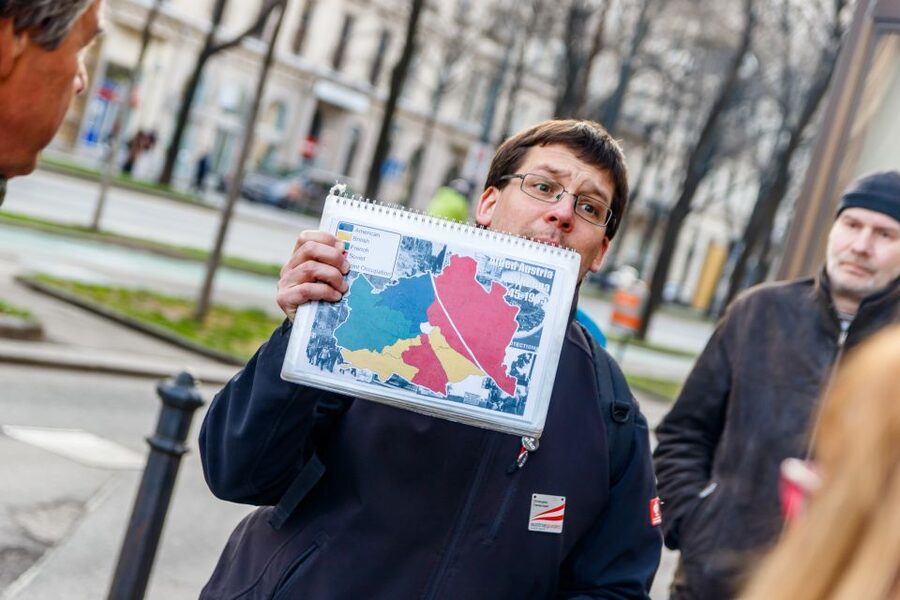
The advertised duration is two hours, but the actual outing can last longer. Some descriptions put it closer to three hours, especially when the guide spends time answering questions or adding stories.
You should allow a little extra time rather than scheduling a train, concert, or museum entry immediately afterward. The route is mostly flat, but walking over cobbles for two or three hours can be harder than the distance suggests.
Wear comfortable shoes. This is obvious advice, but it matters here because the activity combines uneven streets, frequent stops, and extended standing. If you are not used to long walks, the final part may feel tiring.
The tour operates rain or shine. Bring a coat or umbrella when the forecast is uncertain, since the experience is outdoors and the guide cannot move the locations inside. A wet day may even suit the film’s dark mood, but it will not make the cobbles easier.
The tour is offered in English and German. Some departures may serve both language groups, and bilingual commentary can take longer. If you prefer a single-language presentation, check the specific departure details before booking.
Is $30 a fair price?
At $30 per person, this is a strong value if you care about the film or postwar Vienna. You receive two hours with a state-certified guide, a central walking route, location photographs, film background, and a substantial amount of historical context.
The price is also reasonable compared with paying separately for several attractions, though you should remember that the tour does not include the museum, Ferris wheel, cemetery, or sewers. Its value comes from interpretation rather than admission tickets.
I would not book it simply as a general introduction to every part of Vienna. The route stays in the center, and it is built around one film and one period. But if you already plan to visit the Inner Stadt, the tour adds a fresh purpose to streets you might otherwise see only as attractive old-town scenery.
The high rating of 4.9 from 315 evaluations fits the experience described here: expert guides, strong storytelling, and an unusually good link between film and city history. The most praised qualities are the guides’ passion, their command of the subject, and their ability to make the tour work for people who are not film specialists.
How to prepare for the best experience
Watch The Third Man before you go. You do not need to study it, but knowing the characters and major scenes will make the locations easier to recognize. After the tour, watch it again and compare the film’s angles, shadows, and edited spaces with what you saw on foot.
Bring your phone or a small notebook if you enjoy film details. The tour contains names, anecdotes, production information, and historical facts that can be difficult to remember in one sitting.
Keep your schedule loose. A two-hour activity may stretch beyond the stated time, especially if the group asks questions. You will enjoy it more if you are not rushing toward your next reservation.
If you are traveling with someone who has not seen the film, explain that the tour is also about Vienna after World War II. That wider subject is what makes the outing worthwhile for mixed-interest groups.
Who should book this tour?
I would book it if you are a fan of The Third Man, enjoy classic cinema, or want a different way to understand Vienna. It is particularly good for people who like the connection between real streets and fictional stories.
It also suits history-minded visitors. The film provides the hook, but the guide’s discussion of occupation, espionage, war damage, and the black market gives the walk lasting value.
I would think twice if you dislike walking, need a fully indoor activity, or mainly want to ride the Ferris wheel and enter the sewers. Those are separate plans, not included features.
For most people, the best choice is to watch the film first, wear good shoes, allow up to three hours, and keep the Prater, cemetery, and museum for another part of your Vienna schedule. At $30, that is a fair exchange for a lively walk through a city that still carries the shadows of the movie.
FAQ
How long does The Third Man Film Location Tour last?
The stated duration is two hours. In practice, you should allow extra time because some tours can run closer to three hours.
How much does the tour cost?
The price is $30 per person.
Where does the tour meet?
The meeting point is U4 Station Stadtpark, at the Johannesgasse exit in Vienna.
Is the tour offered in English?
Yes. The live guide speaks English or German, depending on the tour arrangement.
Does the tour include the Vienna sewers?
No. The tour does not include a visit to the sewer system. It explains the film’s sewer scenes, but the underground section is not part of the walk.
Does the tour visit the Prater Ferris wheel?
No. The Prater Ferris wheel is outside the central walking route and must be visited separately.
Does the tour include the cemetery?
No. The cemetery is not included in the two-hour central Vienna route.
What happens if it rains?
The tour operates rain or shine. Since it is an outdoor walking tour, you should dress for the weather and wear comfortable shoes.
Just added in Vienna
- 3 hour private tour in Vienna by private car★ 4.4 · 6 reviews
- Private Christmas Markets Walking Tour Vienna★ 5.0 · 31 reviews
- Christmas Markets & Shopping in Vienna★ 5.0 · 17 reviews
- Christmas Market Vienna Tour★ 4.0 · 53 reviews
- Vienna: Christmas Markets Tour★ 4.3 · 99 reviews
- From Vienna: Prague Small-Group Guided Day Tour★ 4.7 · 141 reviews
- The unknown Vienna City- a guided walking tour in 3 hours★ 4.7 · 137 reviews
- Vienna Classical Concert – Strauss in Historic 1837 Hall★ 5.0 · 136 reviews
Tours in Vienna, compared.
Vivaldi’s Four Seasons Concert in Karlskirche
Read our review →
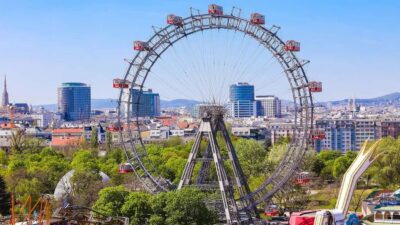
Skip-the-cashier-desk-line Giant Ferris Wheel Ride
Read our review →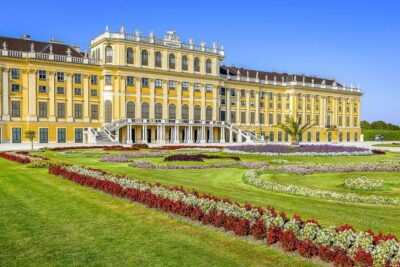
Schönbrunn Palace & Gardens Skip-the-Line Tour
Read our review →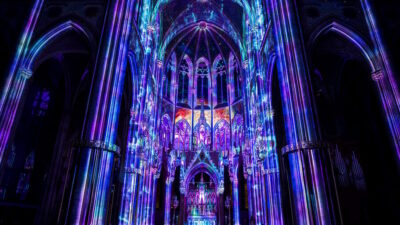
Light of Creation Votive Church Immersive Light Show
Read our review →
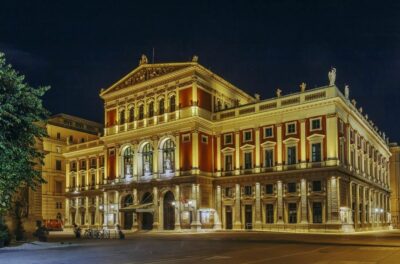
Classical Concert in the World-Famous Musikverein
Read our review →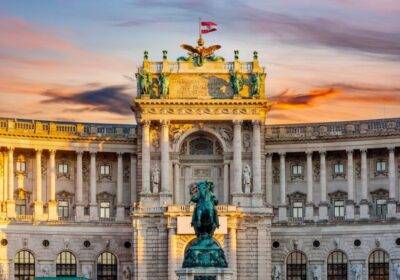
Skip-the-Line Sisi Museum, Hofburg and Gardens Tour
Read our review →Browse the lists this tour appears in