
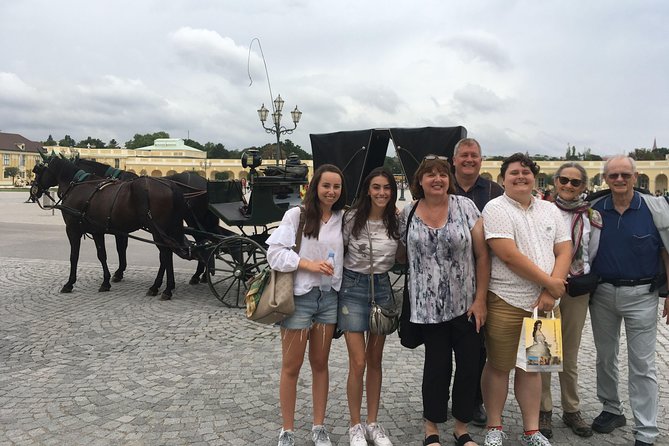
Reviewed · SCHONBRUNN PALACE TOURS
Schönbrunn Palace and Gardens Tour
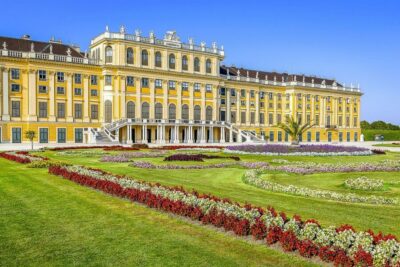
Schönbrunn is more than a pretty palace with yellow walls. It is the place where Habsburg family life and imperial power played out, from Maria Theresa’s huge household to Franz Joseph’s restrained private rooms. The highlight is the palace interior, but the formal gardens and hilltop Gloriette give the visit its full sense of scale.
I like the very small group, advertised at six people and capped at eight. I also like the historian-led storytelling, which brings in family tensions, court rituals, Mozart’s childhood performance, and the odd details that an audio guide can miss. The main drawback is price: at $181.41 per person, you still pay separately for palace and park admission.
Key points to know
- Mozart’s music room: See the room where six-year-old Mozart performed before Maria Theresa and the imperial court.
- Small-group format: The tour is designed for a personal experience, with a maximum of eight people.
- Two-part visit: Spend about 30 minutes in the formal gardens, followed by roughly two hours and 30 minutes in the palace.
- Strong guide reports: Guides including Katarina, Biljana, Kristina, Elisabeth, Selin, Stephan, and Annelie are praised for clear, engaging storytelling.
- Admission is extra: Your guide helps buy the Schönbrunn Palace and Park tickets, but they are not included in the tour price.
- Choose your timing: Departures are offered at 10 a.m. and 2 p.m., with the tour ending inside the palace.
Why Schönbrunn deserves a place in your Vienna plan
Schönbrunn was the Habsburgs’ summer residence, but summer residence makes it sound more relaxed than it really was. Under Maria Theresa, the palace became a center of government, family life, ceremony, and court politics. Her family included 16 children, and the palace preserves traces of that crowded royal household.
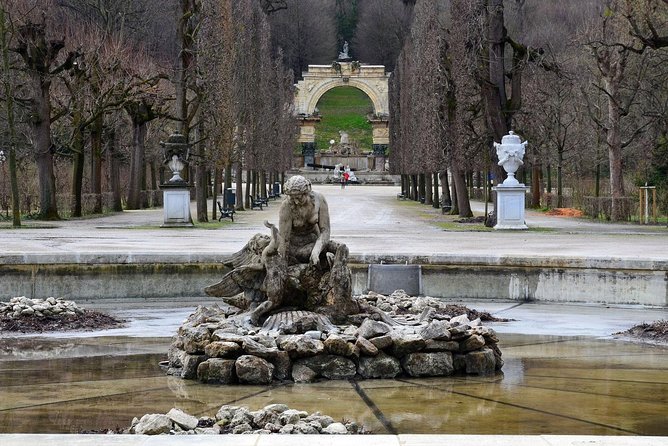
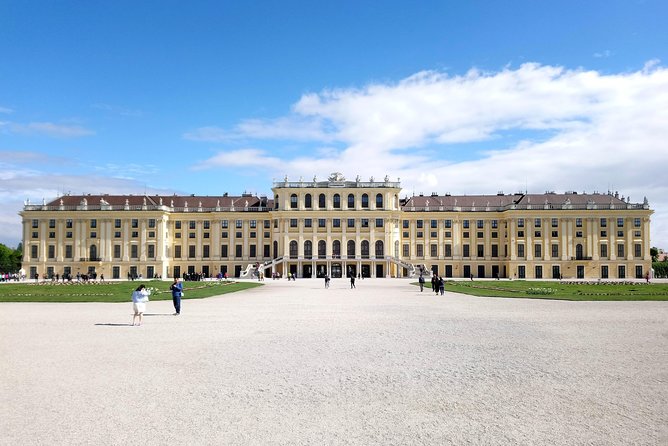
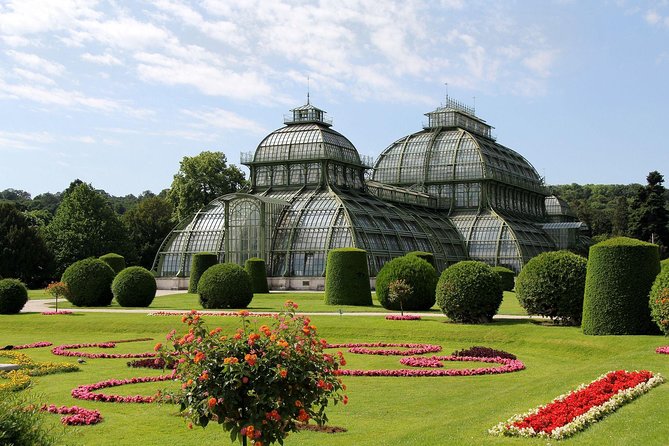
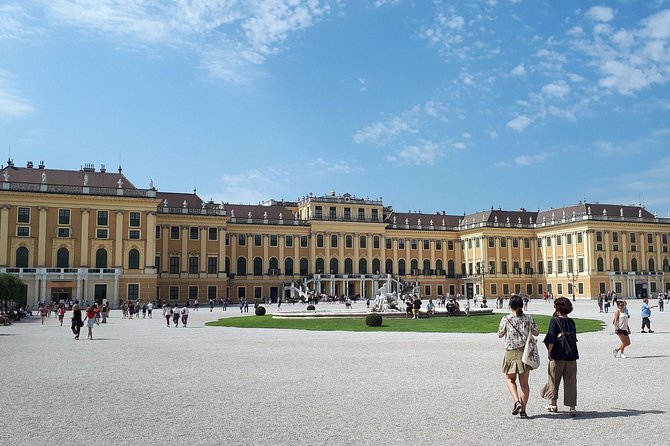
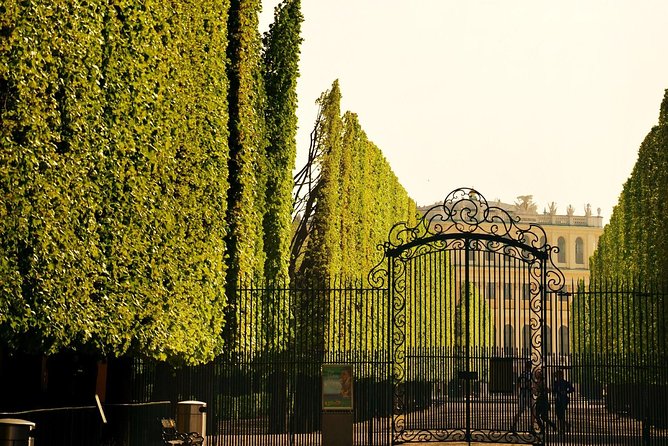
The setting also tells an important story. The palace was built in the High Baroque style to rival Versailles, and its gardens were arranged to show control over nature. Straight paths, carefully placed buildings, and the Gloriette on the hill all turn the grounds into a grand statement of imperial authority.
This tour is useful because it connects the rooms to the people who used them. You do not simply walk past gilded walls and ornate furniture. You learn how Franz Joseph worked, why Empress Elisabeth, known as Sisi, disliked court life, and how Maria Theresa used the palace to project power while raising a very large family.
The experience is offered in English and usually takes about three hours, though the supplied details also describe it as approximately two hours and 30 minutes. Plan on giving Schönbrunn a good half-day once you allow time to reach the meeting point and look around after the guided portion.
More palace visits in Vienna:
- Vienna: Schönbrunn Palace & Gardens Skip-the-Line Tour
★ 4.7 · 7,739 reviews - Vienna: Skip-the-Line Schönbrunn Palace & Gardens Tour
★ 4.8 · 5,411 reviews - Vienna: Bus & Schönbrunn Palace Skip-the-Line Guided Tour
★ 4.3 · 2,802 reviews
Starting among the formal gardens and the Gloriette
The first part takes place in the Schönbrunn gardens and lasts about 30 minutes. You meet your guide and small group at the Group Center Schönbrunn, a brown building near the palace complex. Give yourself a little extra time to find it, since the meeting point has been described as hard to identify from across the street.
The garden walk explains Baroque design through the grounds themselves. Nature is not left to grow freely here. Long paths, planted areas, and architectural features work together to create a sense of order, distance, and ceremony.
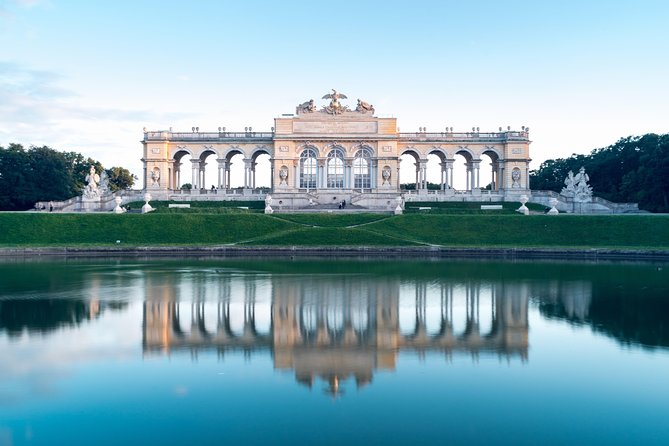
The Gloriette is the main visual reward. This large triumphal arch sits on a hill above the palace and looks across Vienna’s wooded surroundings. If the weather is clear, the view helps you understand why the palace was built here and how the gardens were meant to frame the imperial residence.
Maria Theresa’s reign is central to this opening section. Her rule from 1740 to 1780 marked a high point for Habsburg political and cultural influence. The guide may also explain the decision to open the park to the public in 1779, a smart gesture that made the imperial grounds feel less cut off from ordinary people.
There is one practical weakness here. The garden portion is shorter and may feel less tightly organized than the palace visit. One account describes an excellent palace guide who left the group in the gardens without enough direction about what to see. If the gardens matter greatly to you, ask at the start how much of the outdoor area the guide plans to cover.
The grounds are worth more than a quick photograph. In fall, visitors can still find them beautiful, even without summer flowers. In winter, the cold and bare plantings may make the garden walk less appealing, so dress for the weather and decide if you want to continue exploring after the tour.
Inside the Rococo state rooms
The palace visit forms the heart of the experience. The tour takes you through the Rococo state rooms, including the Great Gallery, Yellow Salon, Franz Joseph’s private suite, the Hall of Ceremonies, the Gobelin Salon, and the Feketin Room.
The Great Gallery gives you the full court effect: a large ceremonial room built for display, formal gatherings, and important guests. The Hall of Ceremonies adds another layer, with its connection to grand Baroque celebrations and royal weddings. These rooms are not just decorated spaces. They show how the monarchy used architecture and ceremony to make its authority visible.
The Franz Joseph and Elisabeth apartments offer a more personal contrast. Franz Joseph married the Bavarian princess Elisabeth in 1854. He accepted the demands of court life, while Sisi disliked its rules and formal rituals. Moving through their rooms gives you a sense of a marriage shaped by duty, distance, and very different temperaments.
The dining room helps explain court life in practical terms. Precious tableware and special imperial napkins were part of the ritual of state dinners. Small details like these are where a good guide earns the fee. Instead of seeing only luxury, you begin to understand the work involved in maintaining a court.
The Porcelain Room is linked to Maria Theresa and is decorated to imitate precious china, with oriental-style drawings made by imperial children. It offers a glimpse of royal life that is less official and more intimate. The Millions Room is even more elaborate, combining Indo-Persian miniatures, Rococo frames, and carved rosewood wall coverings.
This is where a historian guide can make a real difference. Several guides associated with this tour, including Katarina, Biljana, and Kristina, are praised for explaining not only dates and names but also personalities, daily routines, rumors, and family connections. That approach suits Schönbrunn, where the human stories are nearly as impressive as the rooms.
Maria Theresa’s music room and the Mozart connection
One of the tour’s most memorable stops is Maria Theresa’s music room. Six-year-old Mozart performed there before royalty, making the room a useful bridge between palace life and Vienna’s musical identity.
The moment works best when the guide gives it context. You are not simply standing in a room linked to a famous composer. You are seeing how child prodigies, court patronage, and royal entertainment met inside the Habsburg world.
The supplied details also mention guides using extra maps, drawings, photographs, and stories to make the past easier to picture. Annelie, Wolfgang, and others are praised for bringing supporting material and for adjusting the explanation to the group’s interests. That kind of flexibility is especially helpful when a family includes both serious history fans and people who mainly want the palace highlights.
The guide’s storytelling style can vary from person to person. The strongest accounts describe lively explanations, folklore, royal gossip, and unusual details such as a so-called conspiracy room, monkeys, and miniature Mozart images. Those touches keep the tour from becoming a string of dates.
One caution is hearing. The palace can be busy, and at least one person found the guide difficult to hear. If you have hearing concerns, stay close to the guide and speak up early. The experience depends heavily on being able to follow the spoken explanation.
A different kind of evening in Vienna:
- Vienna: Vivaldi’s Four Seasons Concert in Karlskirche
★ 4.7 · 14,951 reviews - Vienna: Spanish Riding School Training
★ 3.9 · 9,281 reviews - Vienna: Skip-the-cashier-desk-line Giant Ferris Wheel Ride
★ 4.5 · 7,859 reviews - Vienna: Light of Creation Votive Church Immersive Light Show
★ 4.8 · 6,779 reviews
Why the small group matters
The tour is designed for a maximum of eight people, with many departures likely to be smaller. That matters inside a palace where large groups can turn a room into a listening exercise from the back of the crowd.
A small group lets you ask about a particular painting, room, or family member without holding up a busload of people. It also gives the guide a chance to adjust the pace. One guide, Biljana, is especially praised for keeping a comfortable rhythm for older visitors, while other guides checked interests at the start and shaped the discussion around the group.
The small format does not guarantee a private tour. If only two people book, it may feel almost private, but you should expect up to eight participants. The experience also does not include hotel pickup or drop-off, so you make your own way to Schönbrunn by public transportation or other means.
The meeting point deserves attention. Look for the Group Center Schönbrunn at Schloss, 1130 Wien. Since the brown building may not be obvious from the street, do not wait until the last minute to locate it.
Timing, admission, and the real price
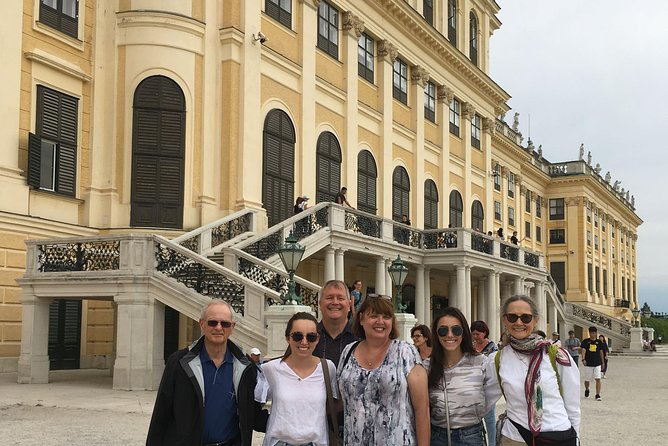
The listed price is $181.41 per person, and that is a serious amount for a three-hour guided visit. Palace and park admission are not included, which raises the total cost further.
The value depends on what you want from Schönbrunn. If you only want to walk through the rooms and read basic labels, a standard admission or audio option may cost less. If you want the Habsburg family explained clearly, prefer a group of no more than eight, and enjoy asking questions, the private attention may justify the added expense.
Your guide helps purchase the entrance tickets. That is convenient, but follow the instructions carefully. A problem with using the Vienna Card was reported when separate ticket arrangements led to a later entry time. Do not buy a separate palace ticket or rely on the Vienna Card without first confirming how your reservation handles admission.
You can choose a 10 a.m. or 2 p.m. departure. The morning option leaves more of your afternoon for Vienna, while the afternoon option may fit better after a central-city visit. Since the tour ends inside the palace, you can continue exploring on your own afterward, though the guided service itself is finished.
Free cancellation is available up to 24 hours before the start time. Changes or cancellations inside that window are not accepted for a refund.
Who will get the most from this visit
I would choose this tour if you care about people and power, not just palace decoration. It suits first-time Vienna visitors who want a clear introduction to Maria Theresa, Franz Joseph, Sisi, and the wider Habsburg family.
It is also a strong fit for older visitors who appreciate a steady pace and for families with different interests. The stories about Mozart, royal children, court habits, and family disputes can keep younger adults involved, while the rooms and architecture give history fans plenty to study.
You may want another option if you dislike guided visits, want extensive free time in the gardens, or are trying to keep costs low. The garden section is brief, admission costs extra, and the tour depends on hearing and following a guide inside crowded rooms.
The guide remains the deciding factor. Names praised in connection with this experience include Katarina, Biljana, Kristina, Elisabeth, Selin, Stephan, Annelie, Wolfgang, and Edward Mueller. You cannot select a particular guide from the supplied details, but the repeated strength of the guide team is a major reason to consider this format.
Should you book the Schönbrunn Palace and Gardens Tour?
Book it if you want Schönbrunn explained by a historian rather than simply visited. The small group, personal pace, Mozart connection, and detailed look at Maria Theresa, Franz Joseph, and Sisi make this more than a quick palace walk-through.
Think twice if $181.41 plus admission feels steep or if your main goal is a long, independent garden visit. For the best fit, follow the ticket instructions, arrive early at the brown Group Center building, stay close enough to hear, and ask how much garden guidance is planned.
For a first visit to Schönbrunn, I find the palace storytelling the strongest reason to go. The rooms are beautiful on their own, but the family drama and court rituals give them meaning.
FAQ
How long does the Schönbrunn Palace and Gardens Tour last?
The experience is described as approximately two hours and 30 minutes, while other details refer to a three-hour tour. Plan for roughly three hours.
What time does the tour start?
You can choose between a 10 a.m. departure and a 2 p.m. departure.
Is palace admission included in the price?
No. Schönbrunn Palace and Park admission are extra. Your guide helps you purchase the entrance tickets.
How many people can join the tour?
The tour is designed as a small-group experience. It is described as limited to six people in the highlights, with a maximum of eight travelers in the additional details.
Is the tour offered in English?
Yes. The tour is offered in English.
Where does the tour meet?
The meeting point is Group Center Schönbrunn, Schloss, 1130 Wien, Austria.
Where does the tour end?
The guided activity ends inside the palace, back at the general meeting location area.
Does the tour include hotel pickup?
No. Hotel pickup and drop-off are not included.
What important palace rooms are visited?
The route includes the Great Gallery, Yellow Salon, Franz Joseph’s private suite, Hall of Ceremonies, Gobelin Salon, Feketin Room, Maria Theresa’s music room, and other Rococo state rooms.
Can I cancel for a refund?
Yes. You can cancel at least 24 hours before the experience starts for a full refund. Cancellations or changes made less than 24 hours before the start time are not accepted.
Just added in Vienna
- World War II History Vienna Old Town Private Walking Tour★ 4.8 · 9 reviews
- Vienna: Wiener Schnitzel and Strudel Cooking Class★ 4.9 · 126 reviews
- Vienna: Wine Tasting Tour★ 4.8 · 61 reviews
- Vienna: Winery and Wine Tasting Tour with a Wine Expert★ 5.0 · 5 reviews
- Vienna: Wine Tasting E-Bike Tour★ 4.9 · 46 reviews
- Vienna: Wine Tasting at Schönbrunn Palace★ 4.3 · 71 reviews
- Vienna: Unforgettable Private City Tour★ 5.0 · 7 reviews
- Vienna Urban Art Tour: Explore a different side of Vienna!★ 3.8 · 14 reviews
Schonbrunn Palace Tours, compared.
Schönbrunn Palace & Gardens Skip-the-Line Tour
Read our review →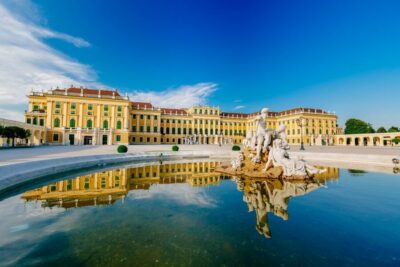
Bus & Schönbrunn Palace Skip-the-Line Guided Tour
Read our review →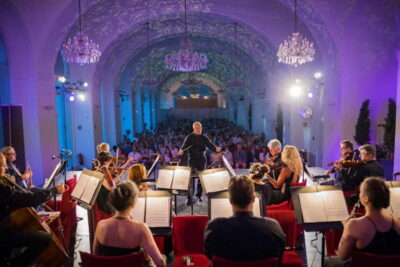
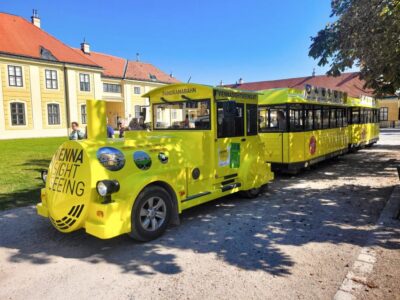
Panorama Train Tickets to explore Schönbrunn Palace
Read our review →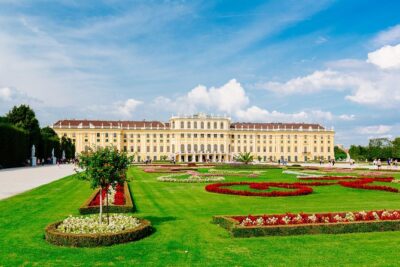
Skip-the-Line Schonbrunn Palace Guided Tour and Vienna Historical City Tour
Read our review →
Exclusive Evening at Schönbrunn Palace: After-Hours Audiotour, Dinner, Concert
Read our review →
Schönbrunn Palace Evening Tour, Dinner and Concert
Read our review →Browse the lists this tour appears in