
Reviewed · TOURS IN VIENNA
Private Hidden Vienna Walk — Stories Behind Quiet Corners
Vienna’s best stories are often tucked behind its grand façades. This private walk links a massive old city gate, a theatrical Baroque church, Mozart’s former surroundings, a basilisk legend, Jewish Vienna, and the city’s most famous cafés. You get the big sights, but the real pleasure is learning what to notice around them.
I like the private format, which lets your guide adjust the route to your interests and starting point. I also like the mix of major landmarks and quieter lanes, especially the Jesuit Church, Sala Terrena, Judenplatz, and the rooftop viewpoint. The main caution is simple: this is a genuine walking tour, averaging about 8,000 steps, so it is not a good match if stairs, standing, or a steady pace are difficult.
Key points to know before you book
- A private route for up to 10 people: You walk only with your own party, and the guide can respond to your questions and interests.
- A smart blend of famous and overlooked Vienna: St. Stephen’s Cathedral shares the route with side streets, old courtyards, cafés, and lesser-seen architectural details.
- Strong local storytelling: Guides such as Walter, Sabine, Brigitte, Hannes, and Daniela bring different personalities and interests to the walk.
- A useful choice for repeat visitors: The route is especially suited to anyone who has already covered Vienna’s main imperial sights.
- About three hours and roughly 8,000 steps: Wear comfortable shoes and be ready for an active morning or afternoon.
- Good value for a group: At $344.80 for up to 10 people, the cost can work out well when shared by a family or small group.
Why this private Vienna walk works
I see this as a story-led introduction to central Vienna rather than a checklist of monuments. You move through the old city while your guide explains how religion, music, imperial power, Jewish life, architecture, food, and modern memory overlap in a fairly compact area.
The route can begin at your hotel, restaurant, train station, or another agreed location in Vienna. That is useful if you are staying in the center, arriving by train, or stepping ashore from a river cruise. Pickups are also arranged at the A-Rosa pier at Handelskai 265, though the pier area can add extra walking before the central route begins.
The private setup matters here. You can ask Walter about Mozart, ask Sabine for coffee-shop ideas, pause over an architectural detail, or request a slightly different balance between major sights and side streets. Several guides work with this service, including Walter, Sabine, Brigitte, Hannes, and Daniela, so the personality and exact storytelling style may differ.
The strongest fit is a couple, family, or small group that wants context rather than a rapid photo stop. The walk is also useful on a second visit, when you have already seen Schönbrunn Palace, the Hofburg interiors, or the grand Ringstrasse buildings and want a more local-feeling look at central Vienna.
More to book in Vienna
- Vienna: Private Walking Tour with a Local Guide
★ 4.6 · 1,420 reviews - Vienna: Private Walking Tour with a Guide
★ 4.7 · 962 reviews - Vienna: Wine Tasting Experience in a Private Wine Cellar
★ 4.8 · 413 reviews
Stubentor reveals the city’s former defenses
Starting at Stubentor gives the walk an unusual opening. Instead of beginning with a palace or church, you start at one of Vienna’s eastern gates and consider the scale of the old city walls.
The free stop takes about ten minutes, but it gives you a useful picture of Vienna before the fortifications were removed. Your guide can explain how the wall shaped movement into and out of the city and why the inner center feels so concentrated today.
This is not a long museum visit. You are looking at the remains and setting, then using them as a frame for the rest of the walk. I like that approach because it gives you a sense of place before the route turns toward churches, cafés, and famous squares.
The Jesuit Church turns architecture into a lesson
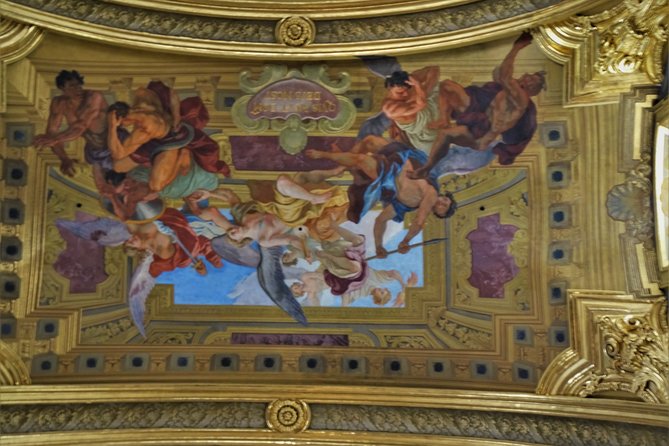
The Church of the Jesuits, also known as the University Church, is one of the route’s strongest stops. Its interior uses decoration and architectural design to express spiritual ideas, and your guide helps you read those choices instead of treating the church as a quick photo stop.
You spend about ten minutes here. That may sound brief, but a clear explanation can make the visit worthwhile, especially if you are not already familiar with Baroque religious art.
I would pay attention to the contrast between the church’s exterior and the theatrical interior. The point is not simply that it is ornate. The point is how light, curves, decoration, and visual movement guide your attention. This is the kind of detail you might miss when visiting alone.
Schönlaterngasse brings out Vienna’s stranger side
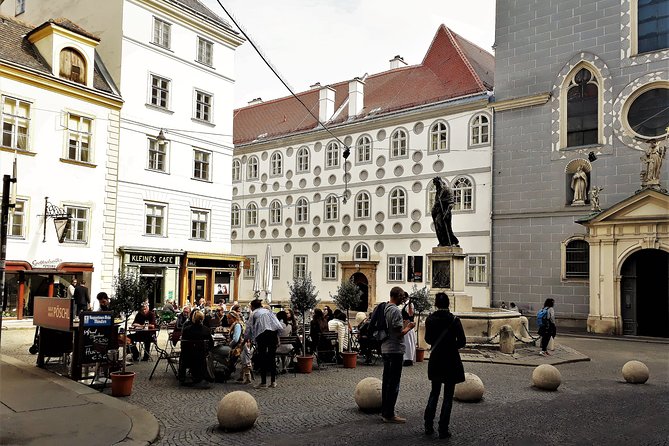
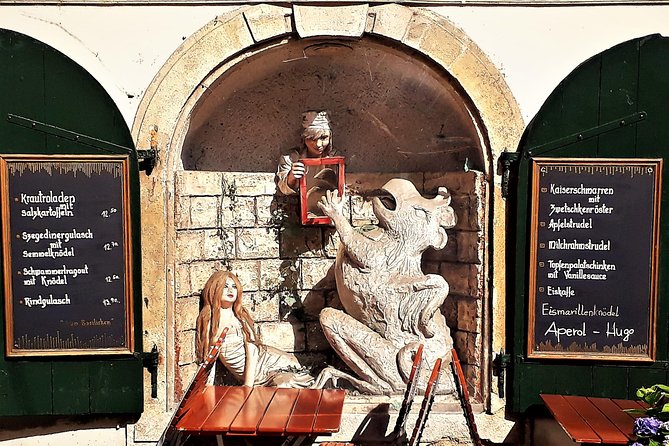
On Schönlaterngasse, the walk introduces the legend of the Vienna basilisk, shown in a mural. This is one of the more playful sections of the route, and it breaks up the heavier subjects that follow.
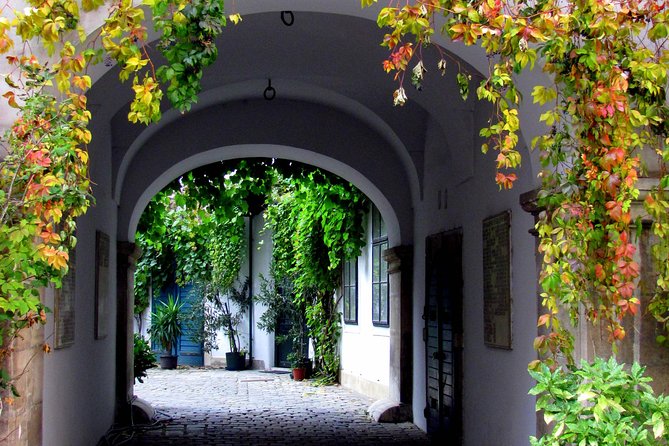
The lane also brings you into the sort of older urban setting that gives central Vienna its character: narrow streets, old façades, and stories tied to particular buildings. The basilisk tale may not be the reason you book a city tour, but it is exactly the sort of local story that makes a street easier to remember.
The route also passes the long-established home of one of Vienna’s most famous schnitzels, operating there since 1905. The stop is not presented as a full meal, so you should not count on lunch being included. Still, it gives your guide a natural opening to talk about Viennese food and point you toward places worth returning to after the walk.
A different kind of evening in Vienna:
- Vienna: Vivaldi’s Four Seasons Concert in Karlskirche
★ 4.7 · 14,951 reviews - Vienna: Spanish Riding School Training
★ 3.9 · 9,281 reviews - Vienna: Skip-the-cashier-desk-line Giant Ferris Wheel Ride
★ 4.5 · 7,859 reviews - Vienna: Schönbrunn Palace & Gardens Skip-the-Line Tour
★ 4.7 · 7,739 reviews
Sala Terrena connects Vienna to Mozart
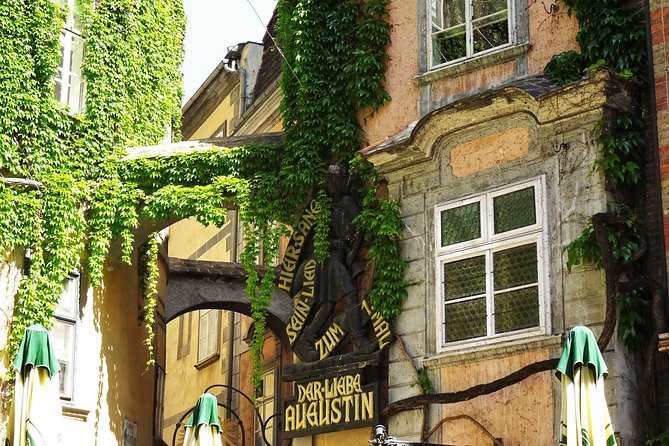
The Sala Terrena in the Deutschordenshaus is a small but important music stop. Mozart played here while living in the house of the Teutonic Order in 1781.
You spend about ten minutes at the site. The value is less about a long interior visit and more about placing Mozart in the physical city. Vienna can turn Mozart into a brand printed on every souvenir, but this stop helps connect him to an actual building and a working period of his life.
The wider walk also includes stories about Mozart and Beethoven in Vienna. Ask your guide how much music history can be included if that is your main interest. Since the tour is private, this is a good place to make your priorities clear rather than assume every subject will receive equal time.
St. Stephen’s Cathedral is the major landmark
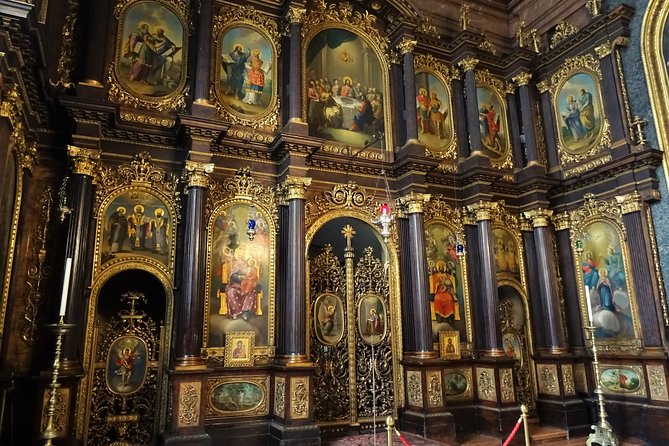
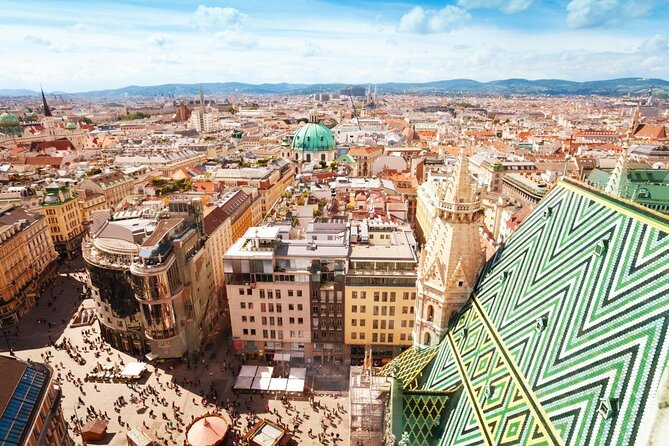
St. Stephen’s Cathedral provides the route’s grandest landmark. The visit focuses first on exterior details, then gives you time to look inside.
Plan on roughly fifteen minutes here, which is enough for an orientation but not enough for an unhurried cathedral visit, extended prayer, or a detailed look at every chapel. If entering the main interior is important to you, tell the guide before the walk begins and confirm how much time can be set aside.
The cathedral is also a useful test of the tour’s pace. The route covers a lot of ground, and the guide may want to keep moving to reach the later stops. I would not book this walk expecting long periods seated inside churches. It is better suited to someone who enjoys seeing several places and hearing the story linking them together.
Judenplatz adds weight and quiet

Judenplatz is one of the most serious sections of the walk. The square and its Holocaust Memorial connect you with roughly seven hundred years of Jewish life in Vienna, including the destruction and loss that shaped the city’s modern memory.
The memorial is embedded in an atmospheric neighborhood rather than isolated in a large museum complex. That setting matters. You are standing in an ordinary urban square while considering a deeply painful part of Vienna’s past.
The stop takes about ten minutes, but the subject deserves attention. Your guide’s role is especially useful here because the memorial can be easy to pass without understanding its meaning. I would give this part of the walk a respectful pause and avoid treating it as just another quick landmark.
Café Central and Ferstel Passage show Vienna’s café culture
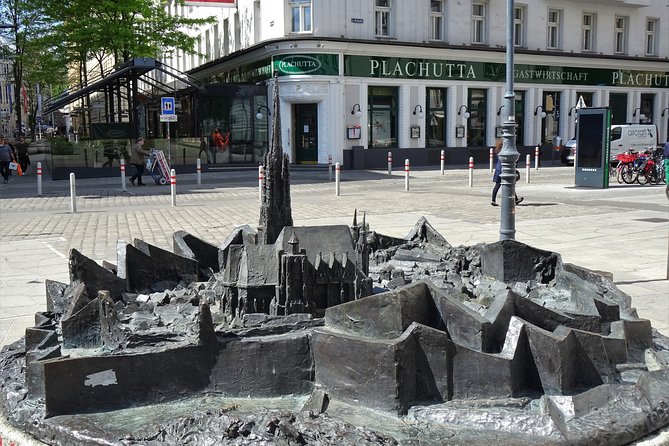
The route continues toward Café Central and the Ferstel Passage. These places offer a look at Vienna’s café tradition, architecture, and the social life of the old center.
You also hear about the unlikely historical connection between Leon Trotsky and Stalin, who were in Vienna at the same time but did not become friends. It is a memorable way to show how major political figures could occupy the same city without sharing the same circle.
Café Central is famous, and it can be crowded. This tour does not include a meal or guaranteed seating, so think of the stop as an orientation and photo opportunity unless you arrange a return visit afterward. Your guide may also suggest other coffee shops, bakeries, or local places to try later. That practical advice is one of the more useful benefits of taking a private walk early in your stay.
Palais Daun-Kinsky offers Baroque scale
Palais Daun-Kinsky is a grand Baroque palace commissioned by Count Wirich Philipp von Daun. Construction began in 1713 under architect Johann Lucas von Hildebrandt.
The palace also has a notable Polish connection. Prince Józef Poniatowski, later a Polish general and Marshal of France, was born there in 1763. That detail widens the story beyond Vienna and shows how the city’s palaces were tied to courts and families across Europe.
You spend around ten minutes at the palace. The tour is mainly about exterior views and explanation, not an extended palace interior visit. Look upward and take in the building as part of the square rather than expecting a full museum tour.
Rathausplatz closes the walk with café history
The route ends near Rathausplatz, one of the city’s major civic spaces. Nearby Café Landtmann was a favorite of Sigmund Freud, adding another connection between Vienna’s café culture and its intellectual life.
Rathausplatz itself can host events and may feel more open and public than the narrow lanes earlier in the walk. It makes a sensible ending because you finish with a broad view of Vienna’s civic center after spending much of the morning or afternoon in older streets and courtyards.
The guide may also help you decide what to do next. Several people have received restaurant, coffee-shop, bread-shop, cat-café, and Danube travel suggestions during their time with the guiding team. I would bring a short list of interests and ask for specific recommendations while you still have a local guide beside you.
The rooftop viewpoint is a welcome extra
A secret rooftop viewpoint is one of the advertised highlights. The exact building and access details are not specified, and rooftop entry can depend on practical conditions, so confirm what is possible when you arrange the tour.
If available, the viewpoint adds something the street-level route cannot provide. You can see how the old center fits together, with church towers, rooflines, and narrow lanes forming a more useful mental map of Vienna.
This is also a good reason to choose the tour early in your stay. After three hours, you may recognize places you later pass on your own and understand how they relate to one another.
Price, pace, and the question of value
The price is $344.80 per group of up to 10 people. For one person or a couple, that is a serious expense. For a family or group of friends, the per-person cost becomes much more reasonable, especially because you are paying for a private licensed Austria Guide rather than joining a large group.
The three-hour length is long enough to cover a generous slice of central Vienna but short enough to fit into a morning or afternoon. You can choose either departure period, which helps if you have museum plans, a concert, or a river cruise schedule.
The main cost is physical effort. The walk averages about 8,000 steps and may include stairs or pauses on your feet. The tour description asks for moderate physical fitness, and that should be taken seriously. If you have limited mobility, a walking tour of any kind may not suit you. Discuss your needs clearly before booking, not on the morning of the tour.
The service allows changes in emphasis, but it is still built around walking. A private guide can shorten or adjust a route, yet cannot turn a three-hour city walk into a seated sightseeing tour.
Who should book this Vienna walk
I would choose this tour if you want:
- A private guide who can answer questions as they arise
- A mix of famous Vienna sights and quieter central streets
- Stories about architecture, music, Jewish life, cafés, and local legends
- A useful second-day activity after seeing the main imperial attractions
- Restaurant and coffee suggestions for the rest of your stay
- A route that can begin at your hotel or another convenient Vienna location
I would choose something else if you want lengthy interior visits, a slow café break, a museum-focused tour, or a route designed around minimal walking.
Families may do well if the children can keep moving and the guide knows their ages and interests ahead of time. Past arrangements have been adapted for small children, but the tour still covers a lot of ground. Tell the provider about children, mobility concerns, and must-see places before the start.
My verdict: book it for stories, not just sights
Book this private walk if you want Vienna explained through small details: the basilisk mural, Mozart’s playing room, the old city wall, a famous schnitzel address, Trotsky and Stalin’s Vienna connection, and Freud’s café.
The tour offers good value for a group of several people and is particularly useful for repeat visitors or anyone staying more than a day. I would contact the provider before booking with a short note about your interests and walking ability. Ask how much time can be given to the cathedral, music history, the rooftop stop, or café culture.
For an active group that wants a personal introduction to central Vienna, this is a strong choice. For anyone who needs frequent seated breaks or a very slow pace, select a shorter or less demanding format instead.
FAQ
How long is the Private Hidden Vienna Walk?
The walk lasts approximately three hours.
How much does the tour cost?
The price is $344.80 per group of up to 10 people.
Is the tour private?
Yes. Only your group participates in the activity.
Is the tour offered in English?
Yes. The tour is offered in English.
Can I choose a morning or afternoon departure?
Yes. You can choose a morning or afternoon departure.
Where can the tour begin?
Pickup can be arranged from a hotel, restaurant, train station, or another location within Vienna. Other meeting points can also be arranged.
Can the guide meet river cruise passengers?
Yes. A-Rosa passengers can meet at the pier at Handelskai 265, 1020 Vienna.
Does the price include transportation between sights?
No. Transport to and from attractions is not included. The experience is a walking tour.
How much walking should I expect?
The walk averages about 8,000 steps and requires a moderate level of physical fitness.
Can I cancel for a full refund?
Yes, if you cancel at least 24 hours before the scheduled start time. Cancellations made less than 24 hours in advance are not refunded.
Just added in Vienna
- 3 hour private tour in Vienna by private car★ 4.4 · 6 reviews
- Christmas Markets & Shopping in Vienna★ 5.0 · 17 reviews
- Christmas Market Vienna Tour★ 4.0 · 53 reviews
- Private Christmas Markets Walking Tour Vienna★ 5.0 · 31 reviews
- Vienna: Christmas Markets Tour★ 4.3 · 99 reviews
- The unknown Vienna City- a guided walking tour in 3 hours★ 4.7 · 137 reviews
- Vienna Classical Concert – Strauss in Historic 1837 Hall★ 5.0 · 136 reviews
- Vienna Danube Tower★ 4.0 · 136 reviews
Tours in Vienna, compared.
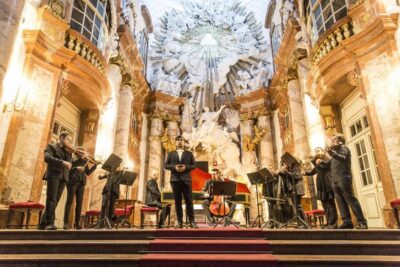
Vivaldi’s Four Seasons Concert in Karlskirche
Read our review →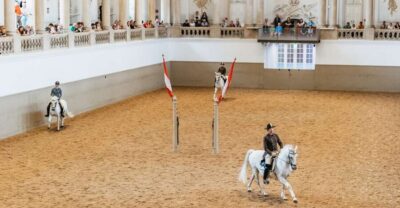
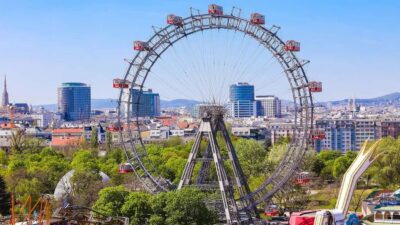
Skip-the-cashier-desk-line Giant Ferris Wheel Ride
Read our review →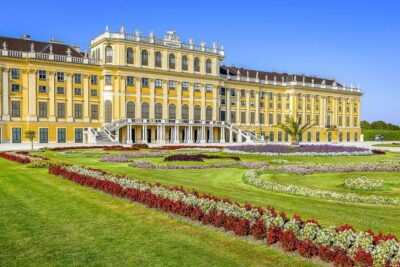
Schönbrunn Palace & Gardens Skip-the-Line Tour
Read our review →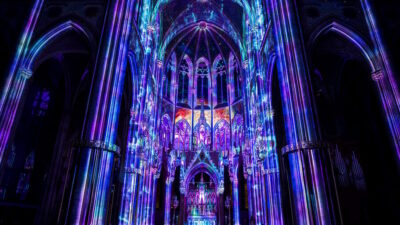
Light of Creation Votive Church Immersive Light Show
Read our review →
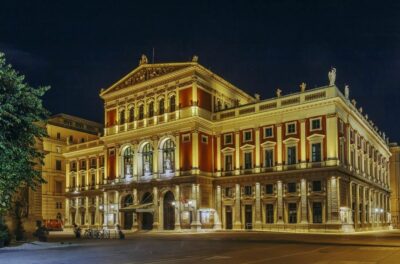
Classical Concert in the World-Famous Musikverein
Read our review →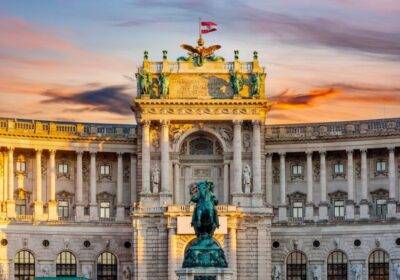
Skip-the-Line Sisi Museum, Hofburg and Gardens Tour
Read our review →Browse the lists this tour appears in