Reviewed · TOURS IN VIENNA
Italian VIENNA
Vienna may look thoroughly imperial and northern European, but much of its grand public face was shaped by Italian artists, architects, musicians, and builders. This 2.5-hour walk with Mario Casalone follows that less obvious connection, linking the Italian community’s church, the Hofburg, and central Vienna’s great landmarks.
I like two things right away. First, the tour gives familiar sights a fresh purpose: you are not simply looking at a palace or church, but asking who helped create it and how Italy influenced Vienna. Second, Mario’s style mixes art, history, anecdotes, and everyday stories, so the walk does not feel like a string of dates. The main consideration is that the tour is conducted outdoors and requires good weather, and the listed route gives only a brief outline of the many places discussed.
Key points before you book
- Italian influence beyond the usual tourist trail: The walk connects Vienna’s imperial image with Italian painters, architects, artists, composers, preachers, adventurers, and military leaders.
- A personable guide: Mario Casalone is described as welcoming, humorous, patient with questions, and especially good at making history easy to follow.
- A useful new angle on familiar sights: The Hofburg and central Vienna take on a different meaning when viewed through Italian cultural connections.
- A central start and finish: Begin at Minoritenplatz and end at Stephansplatz, beside St. Stephen’s Cathedral.
- A small-to-medium group size: The maximum is 30 people, which keeps the walk manageable while still allowing a group-tour atmosphere.
- Good value for story-led sightseeing: At $33.20 per person, the price is reasonable if you want interpretation rather than only exterior photo stops.
Why Italian Vienna is a smart theme
Many city walks cover Vienna’s Habsburg rulers, grand buildings, and famous composers. This one uses a narrower question: how much of Vienna’s identity came from Italy?
That question gives the tour a useful shape. Italian influence in Vienna was not limited to one imported statue or a single architect. It reached into church life, court culture, Baroque design, music, and the movement of people across Europe. You get a view of Vienna as a meeting place, not just the seat of one dynasty.
I like this approach because you can revisit places you may already have seen and notice them differently. One Italian-language review described returning to familiar locations but finding a completely new perspective. That is exactly where this experience has value. It is not trying to replace a general Vienna introduction. It adds a second layer to the city center.
The tour also seems suited to people who enjoy connections. Mario links art and architecture with stories about daily life, historical personalities, and the way Austrian culture was shaped by outside influences. You do not need a specialist background in art history. The appeal is the way separate facts are tied together.
The title can sound broader than the published route details. The experience is described as a journey through the most important places of Italian Vienna, yet the itinerary specifically names Minoritenkirche and the Hofburg before the walk ends at Stephansplatz. That means you should expect a guided city walk with commentary around central landmarks, not a museum visit or a long list of indoor admissions.
More days out of Vienna:
- Vienna: Vivaldi’s Four Seasons Concert in Karlskirche
★ 4.7 · 14,951 reviews - Vienna: Spanish Riding School Training
★ 3.9 · 9,281 reviews - Vienna: Skip-the-cashier-desk-line Giant Ferris Wheel Ride
★ 4.5 · 7,859 reviews
Starting at Minoritenkirche and Minoritenplatz
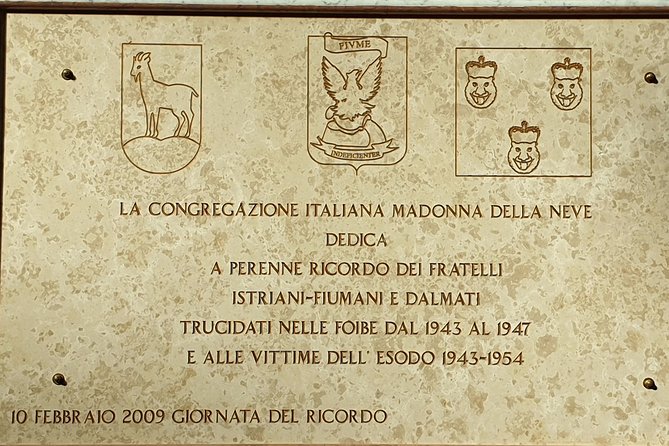
The meeting point is Wiener Minoritenkirche, at Minoritenplatz 2A in Vienna’s first district. This is a fitting starting place because the church is identified as the church of Vienna’s Italian community.
That opening point immediately gives the theme some substance. You are not beginning with a vague claim that Italy influenced Vienna. You are starting at a place connected directly with Italian life in the city. Mario can use the church and its setting to explain how cultural and religious ties crossed borders.
The church stop is listed as about 15 minutes, with admission free. That matters for two reasons. You do not need to budget for an entrance ticket at this stage, and the stop is short enough to keep the walk moving. It is likely to function as an introduction rather than a long interior tour.
For you, the best way to approach this stop is to listen for the larger story. The building matters, but so does the idea of an Italian community having a visible place in the center of Vienna. The experience is about people and connections as much as walls and decoration.
Since this is a walking tour, arrive ready to stand outside and move with the group. The tour requires good weather, so a rainy or stormy forecast could affect the schedule. The cancellation terms allow a full refund when the operator cancels because of poor weather, or you may be offered another date.
The Hofburg as a meeting point of power and art
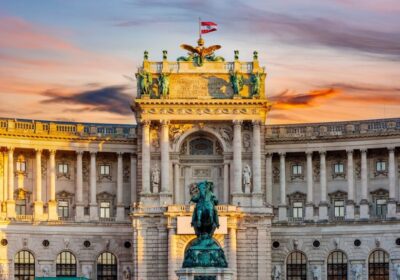
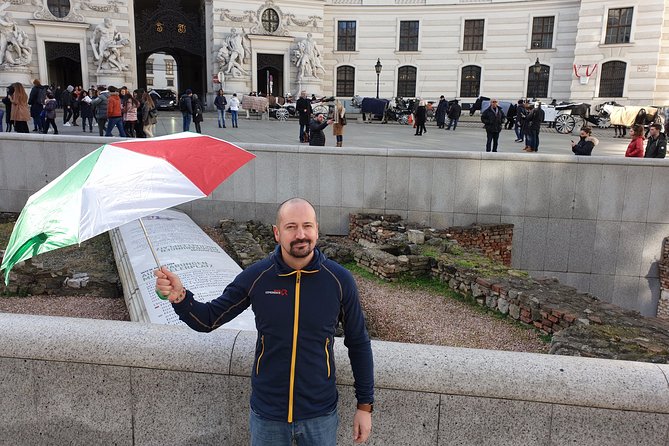
The next named stop is the Hofburg, Vienna’s imperial palace and the former home of the Habsburg family. The description specifically points to the apartments associated with Franz Joseph and Sisi.
At first glance, the Hofburg might seem like a purely Austrian stop. That is what makes it useful here. The palace helps show how Italian artists and builders could shape a court whose political reach extended across central Europe. The tour’s focus is not simply on the rulers who lived there, but on the wider cultural world they commissioned and inhabited.
The Hofburg stop is also listed as about 15 minutes and free of admission charges. You should not read that as an included visit to the imperial apartments. The activity information presents the Hofburg as a stop on the walk, not as a ticketed interior tour. If entering the apartments is important to you, plan that as a separate activity.
I appreciate this kind of boundary. A short outside explanation can help you decide later if the palace interiors deserve more of your time. It also keeps the tour focused on the city’s Italian links rather than turning into a full palace visit.
Mario’s strength, based on the available descriptions, is the way he makes this kind of material lively. His explanations are said to combine facts with entertaining stories, and he is patient when people ask questions. That matters at a stop like the Hofburg, where a long lecture about dynasties could quickly become heavy.
Walking toward Stephansplatz
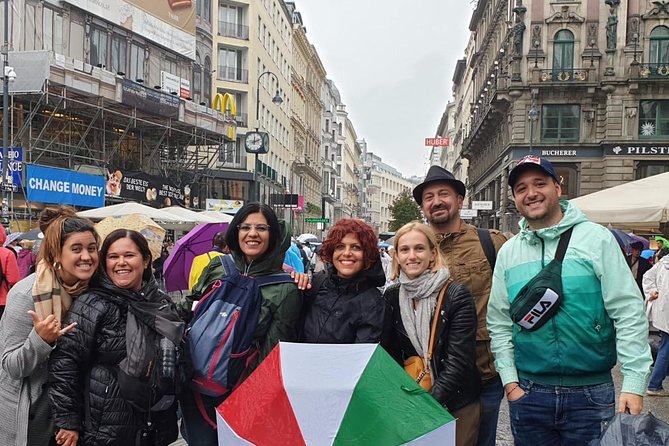
The tour ends at Stephansplatz, the square beside St. Stephen’s Cathedral. This is one of Vienna’s most central locations, and it gives the walk a convenient finish in the heart of the city.
The endpoint is useful even if you have plans for the rest of the day. From here, you are already in the main central sightseeing area, with easy access to public transportation and other nearby sights. The meeting information confirms that the tour begins and ends within Vienna’s first district, so you are not spending part of the experience traveling out to a distant neighborhood.
The supplied itinerary does not list every stopping point between the Hofburg and Stephansplatz. That is worth keeping in mind. You may hear about additional Italian artists, architects, and works along the route, but the precise number and location of those pauses are not specified. If you want a fully itemized route, ask for current details before booking.
Still, the finish makes sense thematically. St. Stephen’s Cathedral is one of Vienna’s best-known landmarks, and ending there leaves you in a place where the city’s architecture, public life, and long history come together. You can continue sightseeing, stop for a meal, or use the square as a simple reference point.
A different kind of evening in Vienna:
- Vienna: Schönbrunn Palace & Gardens Skip-the-Line Tour
★ 4.7 · 7,739 reviews - Vienna: Light of Creation Votive Church Immersive Light Show
★ 4.8 · 6,779 reviews - Vienna Spanish Riding School Guided Tour
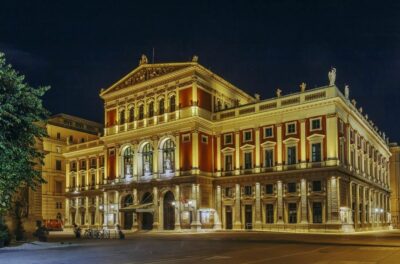
★ 4.7 · 6,765 reviews - Vienna: Classical Concert in the World-Famous Musikverein
★ 4.6 · 6,673 reviews
Mario Casalone’s guiding style
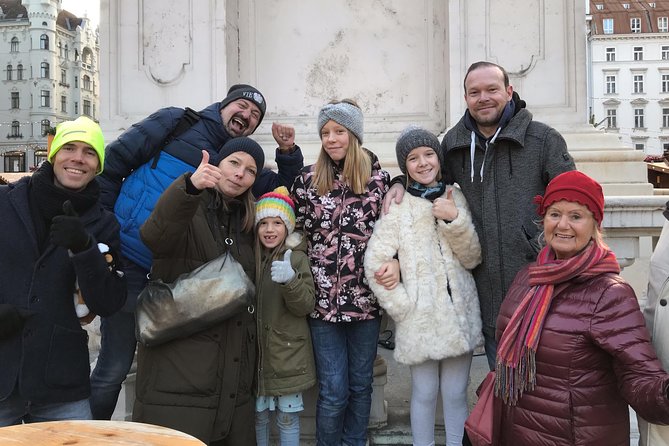
The guide can make or break a history walk, and Mario Casalone is the clear personality behind this experience. The descriptions of his approach point to a relaxed, friendly speaker who uses humor, facial expression, personal experience, and well-chosen anecdotes.
That combination should appeal to you if formal lectures make your eyes glaze over. Mario is described as prepared and articulate, but also easygoing. His explanations reportedly balance history with daily-life observations, which can make a subject such as Baroque architecture feel less remote.
He also leads the tour in a way that works across languages and cultures. The available feedback includes Italian and German comments, with repeated praise for his ability to explain Italian art and architecture in an enjoyable way. That suggests the tour is particularly natural for Italian-speaking visitors, though the specific language offered for your booking should be confirmed before you reserve.
One useful detail is that people who had already taken another walk with Mario found this tour added something new. That tells you the experience is not simply a repeat of a standard free city walk. Its subject is narrower and more specialized, with Italian connections providing the organizing idea.
What $33.20 gets you
At $33.20 per person, this is a paid walking tour rather than a major attraction ticket. The value depends on what you want from your time in Vienna.
If you mainly need directions and a quick introduction to the center, you can see the named landmarks without paying for a guided experience. The price makes more sense if you want someone to explain the links between those places, identify the Italian contribution, and add stories you would likely miss while walking alone.
The tour lasts about 2 hours and 30 minutes. That is long enough for a real theme to develop, but not so long that it takes over your entire day. Several comments describe the time passing quickly, which fits the format: a sustained walk with anecdotes rather than a brief photo stop.
The maximum group size is 30. That is not an intimate private tour, but it is also not an enormous sightseeing crowd. At that size, your experience can depend on where you stand and how busy the streets are. Stay close enough to hear, especially when the group pauses near open squares or busy public areas.
The mobile ticket keeps the booking simple. Confirmation is provided at booking time, and the starting point is near public transportation. Free cancellation is available until 24 hours before the start time. After that cutoff, the amount paid is not refunded, and changes are not accepted. The activity also needs a minimum number of participants, so a cancellation for that reason would result in another date or experience, or a full refund.
Who will get the most from this walk
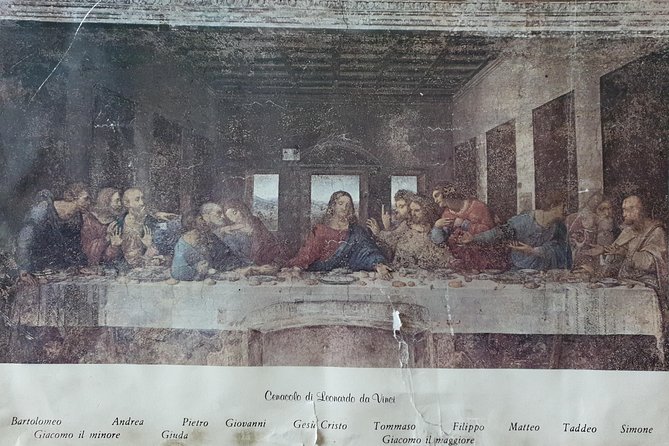
I would recommend Italian Vienna to you if you have already seen the main center and want a new way to read it. It is especially suitable for people interested in architecture, art, music, church history, and the movement of culture between countries.
It also fits a first visit if you prefer a themed introduction over a broad survey. You will not get every major chapter of Vienna’s past, but you will get a focused story that can make later sightseeing more meaningful.
The tour may be less suitable if you want extensive indoor access. The listed stops are exterior city landmarks with free admission, and the experience is presented as a walk rather than a series of museum entries. It may also be a poor fit during unsettled weather, since good conditions are required.
People with limited walking tolerance should consider the format carefully. The data confirms that most people can participate, but it does not give a precise distance, number of stairs, or seating arrangements. If those details matter to you, ask the provider before booking.
Practical tips for a better experience
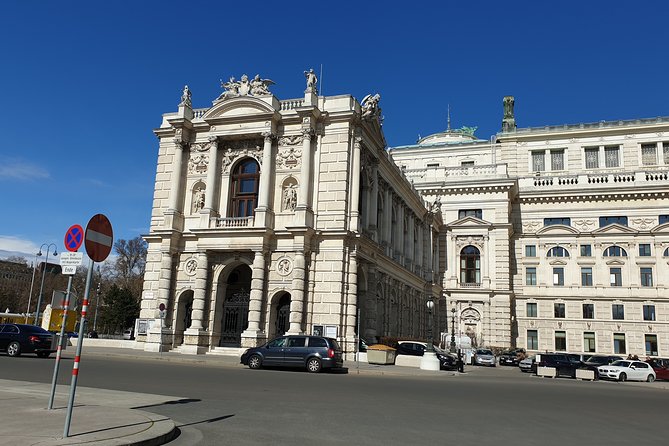
Meet at Minoritenkirche, not at the Hofburg or St. Stephen’s Cathedral. The end point is Stephansplatz, so it is easy to confuse the two if you are checking the route quickly.
Give yourself extra time to reach Minoritenplatz. The meeting point is central and near public transportation, but central Vienna can still require careful navigation if you are coming from another district.
Dress for an outdoor walk and check the forecast. Since poor weather can cancel the experience, flexible plans are useful. A full refund or alternate date is offered if the operator cancels for weather, but that does not help if you have arranged a tightly packed day around the tour.
Finally, come with questions. Mario is specifically described as patient when responding to them, and this subject invites them. Ask about the artists, buildings, court connections, or Italian traces you notice along the route. The more curious you are, the more the walk can move beyond a standard city narration.
Should you book Italian Vienna?
Book this tour if you want Vienna’s center explained through Italian art and cultural influence, rather than through the usual Habsburg-only story. The price is fair for a 2.5-hour guided walk, and Mario Casalone’s friendly, story-driven style appears to be the experience’s strongest feature.
Skip it if you need a detailed palace interior tour, a fully published stop-by-stop route, or a private group. For everyone else, especially repeat visitors and people who enjoy architecture and human stories, Italian Vienna offers a fresh reason to look again at places you may already know.
FAQ
How long does Italian Vienna last?
The tour lasts approximately 2 hours and 30 minutes.
How much does the tour cost?
The listed price is $33.20 per person.
Where does the tour begin?
It begins at Wiener Minoritenkirche, Minoritenplatz 2A, 1010 Vienna, Austria.
Where does the tour end?
The walk ends at Stephansplatz, the square beside St. Stephen’s Cathedral.
Who leads the tour?
The experience is provided by Mario Casalone, also known as MarioViennaGuide.
Is admission to the listed stops included?
The listed stops at Minoritenkirche and the Hofburg show free admission. The information does not describe included entry to the Hofburg apartments.
How large can the group be?
The activity has a maximum of 30 participants.
Is the tour suitable for most people?
The information states that most people can participate. It does not provide specific details about walking distance, stairs, or seating.
Can I cancel for a full refund?
Yes. You can cancel at least 24 hours before the start time for a full refund. Cancellations or changes made less than 24 hours in advance are not accepted for a refund.
Just added in Vienna
- World War II History Vienna Old Town Private Walking Tour★ 4.8 · 9 reviews
- Vienna: Wiener Schnitzel and Strudel Cooking Class★ 4.9 · 126 reviews
- Vienna: Wine Tasting Tour★ 4.8 · 61 reviews
- Vienna: Winery and Wine Tasting Tour with a Wine Expert★ 5.0 · 5 reviews
- Vienna: Wine Tasting E-Bike Tour★ 4.9 · 46 reviews
- Vienna: Wine Tasting at Schönbrunn Palace★ 4.3 · 71 reviews
- Vienna: Unforgettable Private City Tour★ 5.0 · 7 reviews
- Vienna Urban Art Tour: Explore a different side of Vienna!★ 3.8 · 14 reviews
Tours in Vienna, compared.
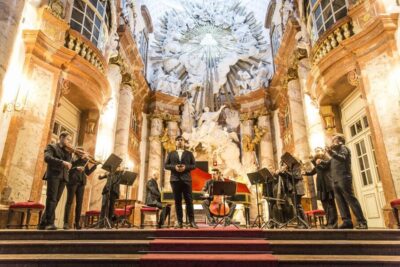
Vivaldi’s Four Seasons Concert in Karlskirche
Read our review →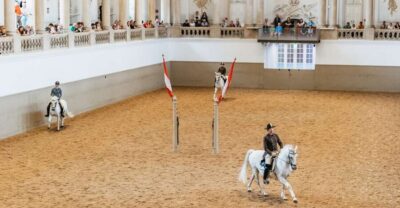
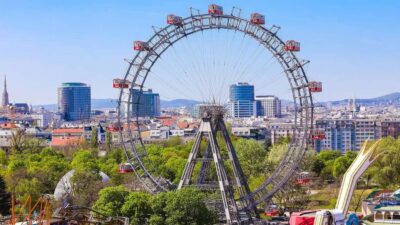
Skip-the-cashier-desk-line Giant Ferris Wheel Ride
Read our review →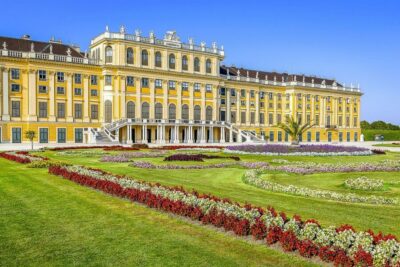
Schönbrunn Palace & Gardens Skip-the-Line Tour
Read our review →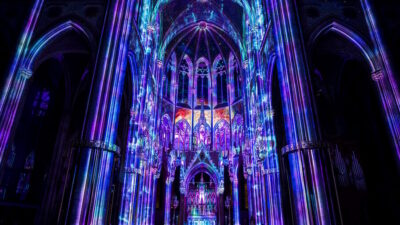
Light of Creation Votive Church Immersive Light Show
Read our review →
Classical Concert in the World-Famous Musikverein
Read our review →