
Reviewed · WACHAU VALLEY & DANUBE CRUISES
From Vienna: Wachau Valley Day Tour with Wine Tasting
The best part of this day trip is how much Austria you see beyond Vienna: vineyard-covered hills, medieval Dürnstein, the Danube, and the great abbey at Melk. Wine is the main thread, but the day also gives you a useful look at village life and the region’s old trade routes. Guides such as Marco, Regan, Camillo, Felipe, and Tim have earned praise for making the wine easy to understand rather than stuffy.
I like the small group of up to eight. You ride in a comfortable van, spend less time waiting, and can ask questions without shouting across a coach. I also like the two substantial tasting stops, with several wines at each, rather than a quick sip at a string of unrelated places. The possible drawback is a full nine-hour schedule. By the final cruise, some people are ready to sit quietly, and the day’s exact order can change with weather, river conditions, and winery opening hours.
Key points to know before you book
- Two proper wine stops: Expect several Austrian whites at wineries near Dürnstein and Spitz, with local apricot products and liqueurs also in the mix.
- A scenic Danube finish: In summer, the boat from Spitz to Melk gives you about an hour or more to see villages, fortresses, vineyards, and Melk Abbey from the water.
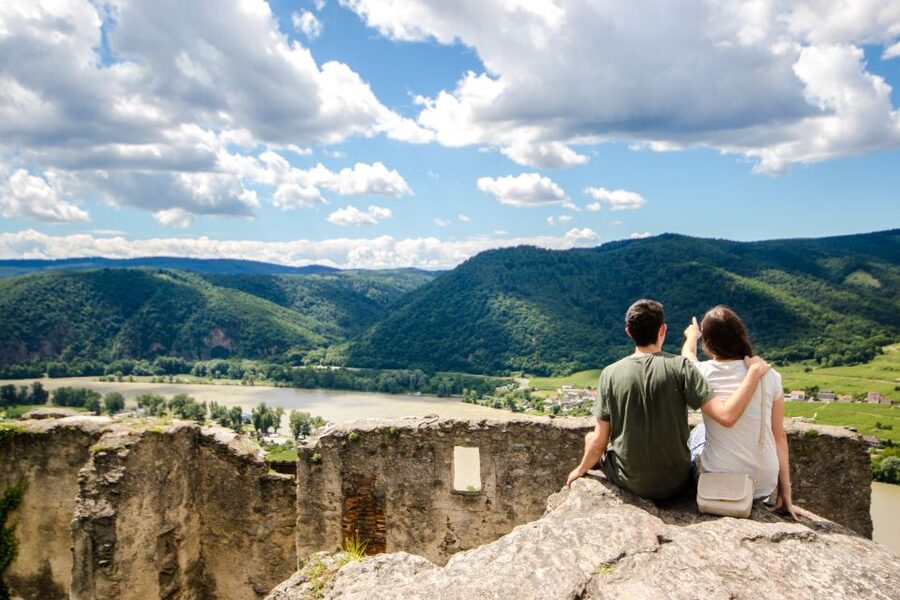
- Dürnstein gives you breathing room: You have about an hour to walk its colorful medieval lanes, browse, or climb toward the castle ruins.
- Melk changes by season: Summer generally features the cruise, while winter departures include a guided visit to Melk Abbey.
- Lunch costs extra: You have about 75 minutes for lunch in or near Weißenkirchen, but food and drinks are not included.
- Weather matters: The tour runs in all weather, and a high river can replace the cruise with a visit to Melk Abbey.
Why this Wachau Valley day trip works from Vienna
Vienna can fill several days with palaces, museums, cafés, and grand concert halls. Still, after a few days in the city, I like having one outing that trades imperial streets for vineyards and small towns. The Wachau Valley is close enough for a day trip, yet it feels like a different Austria.
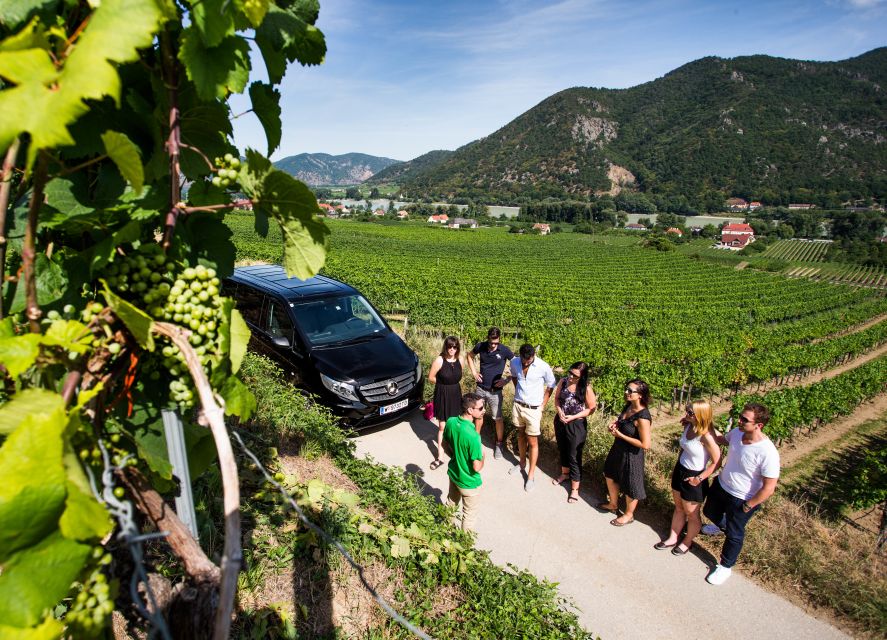
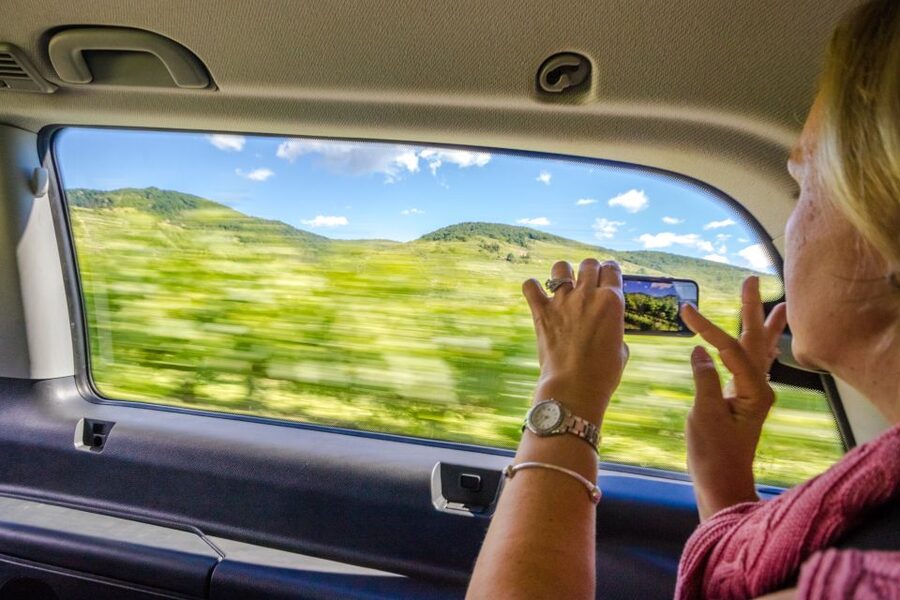
The route takes you through Lower Austria along countryside roads. The van ride is part of the experience, since your guide can point out vineyards, villages, and details about grape growing as you go. The longest drive is roughly an hour at a time, according to the tour description and timing shared by past participants, so you are not trapped on a motorway for most of the day.
This is not a broad sightseeing circuit with ten rushed photo stops. Wine shapes the day. That makes it a good choice if you want to understand Grüner Veltliner, Riesling, and other local whites, even if you do not know much about wine. The tastings are presented in a friendly way, and guides have used blind tasting and simple comparisons to help people notice acidity, fruit, dryness, and the effects of the Wachau’s small growing zones.
You do not need to be a serious wine expert. You do need to be comfortable with several tastings over the course of a long day. Non-drinkers can still enjoy the scenery, food, villages, and boat ride, but wine is not a side activity here.
Other days on the Danube from Vienna:
- Vienna: Skip-the-Line Entrance Ticket to the Danube Tower
★ 4.5 · 2,303 reviews - Danube Valley Day Trip from Vienna
★ 4.0 · 1,576 reviews - Vienna: Wachau Valley, Melk Abbey Tour with Danube Boat Trip
★ 4.5 · 1,413 reviews
Dürnstein: medieval streets, apricots, and castle views
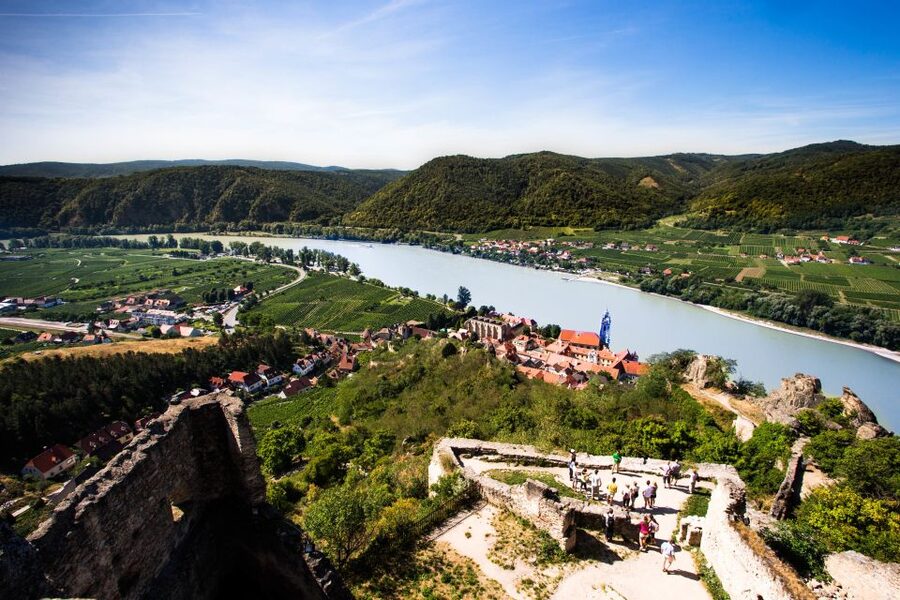
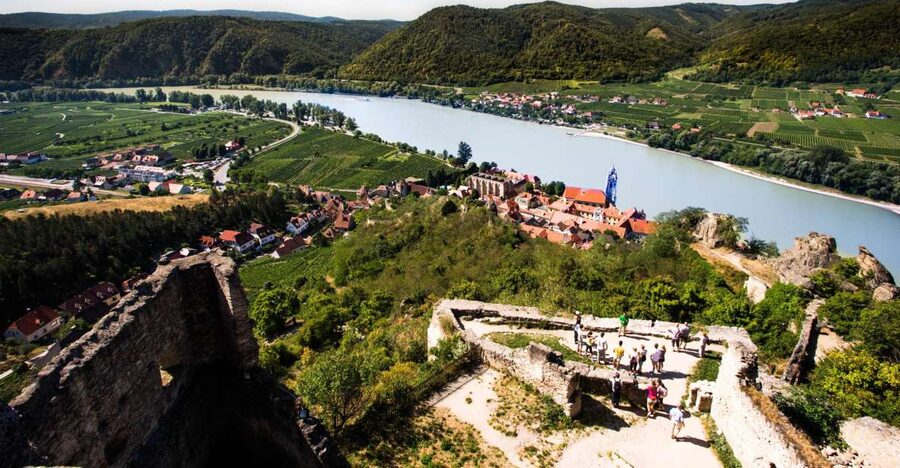
Dürnstein is one of the prettiest stops in the Wachau, with colorful buildings, narrow lanes, and a prominent ruined castle above town. It is also tied to the story of Richard the Lionheart, who was held prisoner in the castle during the 12th century.
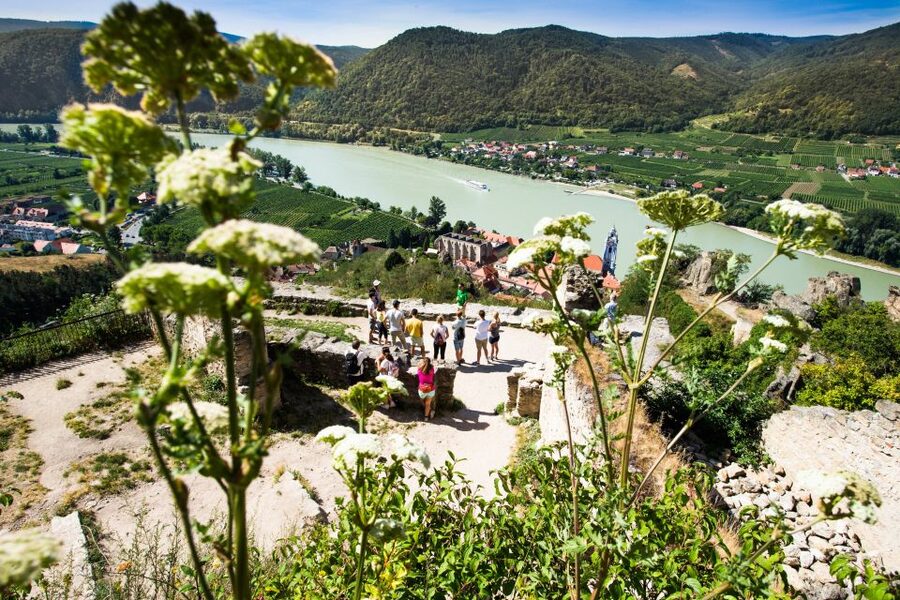
The schedule gives you a wine tasting and about an hour of free time. That split is useful. You can follow your guide through the town’s main points, then wander at your own pace. You might browse small shops, look for apricot jam or liqueur, take photos of the blue-and-white church tower, or start up the path toward the castle ruins.
The castle climb is optional, but it is not trivial if you are trying to fit it into a short stop. One person described hiking toward the ruins and wishing for more time afterward to enjoy a local apricot dumpling. That is a fair warning: Dürnstein rewards slowing down, but this tour has several more appointments waiting.
The first wine stop may be near Dürnstein rather than inside the old town itself. Winery choices can vary, and on some departures the second tasting has taken place at or near the lunch restaurant. That flexibility helps the operator keep the day running, but it means the exact tasting rooms are not guaranteed.
Lunch in Weißenkirchen and the pleasures of a heuriger
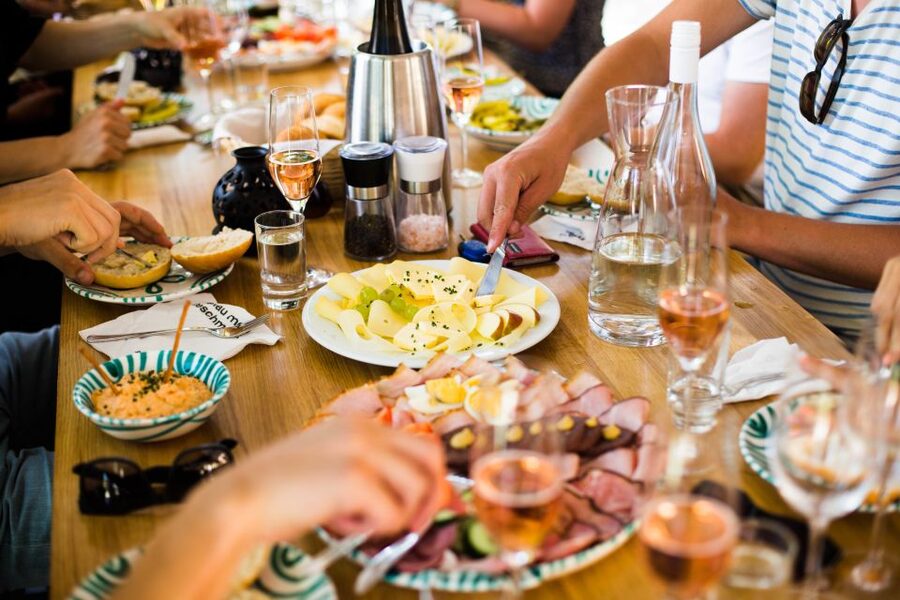
After Dürnstein, the route continues toward Weißenkirchen, another attractive Wachau village. The lunch break lasts about 75 minutes, giving you enough time for a proper meal rather than a hurried sandwich.
Lunch and drinks are not included in the $234 price, so budget for them separately. The meal is arranged at a local Austrian restaurant or wine tavern, and dishes can include regional specialties. One especially praised setting was a traditional meal beneath walnut trees. Another highlight was the chance to try local delicacies connected to the area’s apricot harvest.
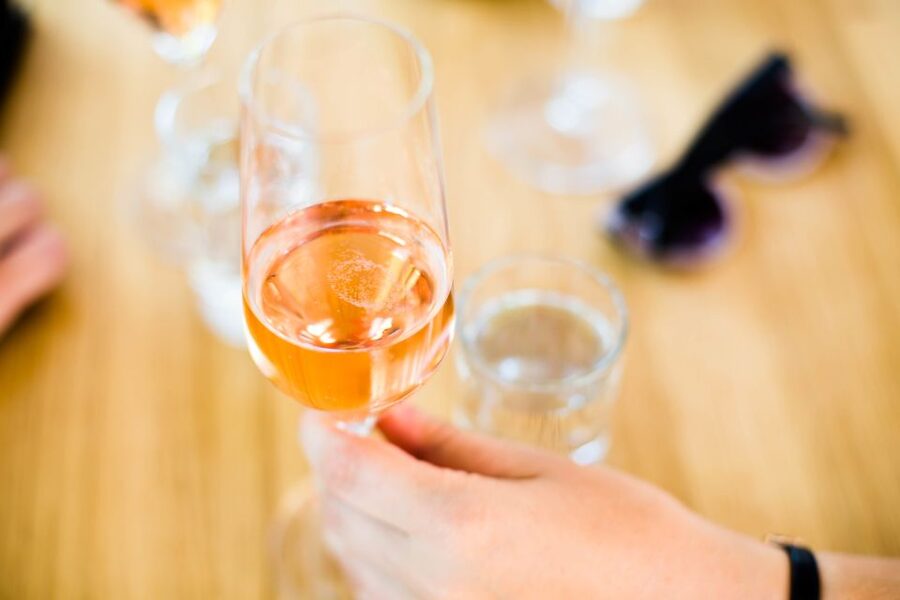
The final tasting is held at a heuriger, the Austrian name for a family-run wine tavern. This matters because the stop feels less like a formal tasting room and more like part of the local wine culture. You taste wines, talk about how they are made, and sample products such as apricot jam and liqueurs.
The tastings are not always run in exactly the same way. At one stop, your guide may lead the introduction and explain the bottles. At another, the family hosting the visit may discuss its wines. Expect an informative, relaxed format, not a polished restaurant tasting with a fixed script.
How the Wachau wine tastings are handled
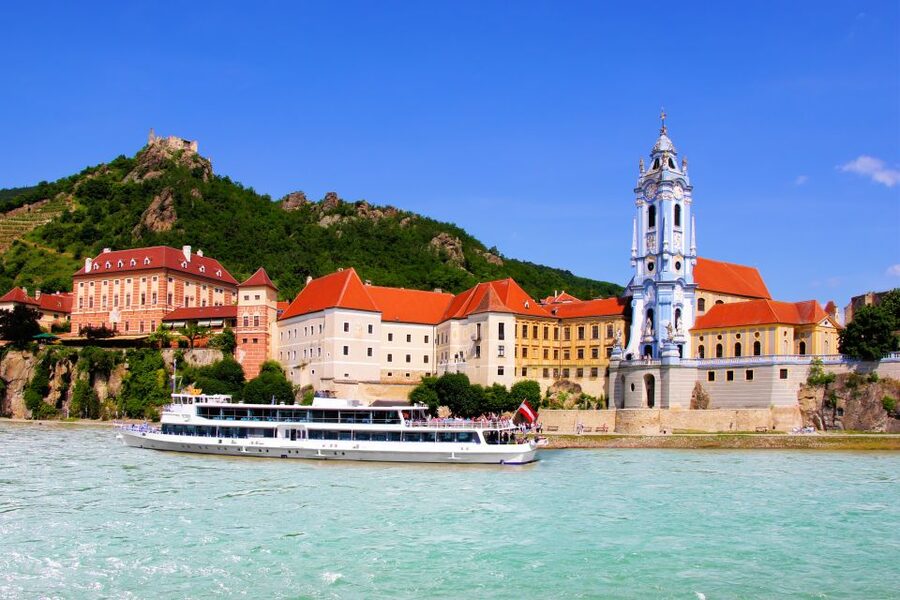
The Wachau is especially associated with white wine. Grüner Veltliner and Riesling are central to the experience, and tastings can also include other whites, including Sauvignon Blanc. If you mainly drink red wine, set your expectations before booking. The region’s strength here is white wine, and the tour focuses on it.
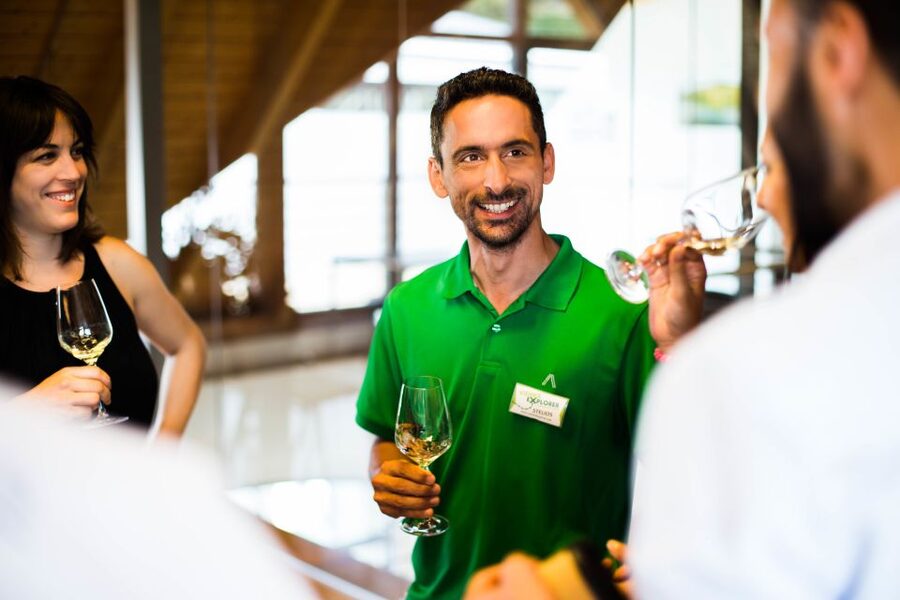
The format is one of the trip’s strongest features. You may taste five or six wines at one winery and several more at the next. That gives you a better basis for comparison than a single token pour at many locations. You can notice how dry and fruity wines differ, ask questions, and decide what styles suit you.
A guide like Marco or Camillo can turn the tasting into a short lesson on microclimates, grape growing, and production methods. Regan has also been praised for combining driving and guiding, while Felipe and Tomas have received strong marks for creating an easygoing group atmosphere. Guide assignments change, of course, so you cannot request a particular person with certainty.
The small group helps here. With no more than eight participants, you can ask why one wine tastes sharper, how the grapes are grown, or what makes Wachau whites different from wines you already know. The best guides adjust the explanation to the group, so beginners do not feel lost and experienced wine drinkers still have room for useful questions.
More wine evenings around Vienna:
- Wachau Valley Wine Tasting Bike Tour from Vienna
★ 5.0 · 829 reviews - Countryside Half Day Wine Tour near Vienna
★ 5.0 · 545 reviews - Wachau Valley Small-Group Tour and Wine Tasting from Vienna
★ 5.0 · 540 reviews - From Vienna: Half-day Countryside Wine Tour with Meal
★ 4.7 · 526 reviews
Spitz to Melk by boat
In the summer version of the tour, you board a Danube boat at Spitz and travel toward Melk. This is the most restful part of the day. After the van rides, walking, lunch, and tastings, you can sit on deck with a drink, watch the riverbanks slide past, and let your guide’s commentary give way to the scenery.
The cruise highlights the valley from a different angle. You see vineyards rising above the river, old villages, fortresses, and the monumental form of Melk Abbey. Audio announcements on the boat point out major sights, which helps you follow the route even when your guide is no longer beside you.
Cruise time is listed as about an hour in the main schedule, though past departures have sometimes spent closer to 90 minutes or two hours on the boat. This may depend on the seasonal sailing and the day’s timing. Bring a light layer, since river air can feel cooler than the valley roads, and remember that the tour runs in poor weather.
High water has occasionally made the cruise impossible. When that happens, the operator may substitute a guided visit to Melk Abbey. That is not a poor backup. In fact, several departures have used the abbey visit as the main cultural finale, and it can be the better option if you prefer architecture to a boat ride.
Melk Abbey and the seasonal trade-off
Melk Abbey is the grandest sight on the route. Its position above the Danube and its large Baroque design make it an impressive final stop, even if you only see it from outside for a short photo stop.
From March 1 to May 3 and October 7 to December 31, the tour includes a guided visit to the abbey. In the summer schedule, the boat cruise generally takes priority, with a photo stop at Melk listed for about 20 minutes. This creates a real choice when you book.
Choose the summer version if your priority is the Danube, open-air scenery, and a relaxing boat ride. Choose a departure that includes the interior visit if Melk’s library, rooms, and religious art matter more to you. The exact plan can also change because of river conditions, so check the details for your date.
One useful point: seeing Melk only from outside can feel incomplete if you have made the long trip specifically for the abbey. If you are mainly interested in wine and the valley, the exterior view is still worthwhile. If the abbey is your main reason for going, select a season with the guided interior tour.
Transport, timing, and what to bring
The meeting point is the Vienna Explorer office. Hotel pickup and drop-off are not included, so plan your way to that office before the morning departure. Return transportation to Vienna is included, and the tour lasts about nine hours.
You ride in a small van rather than a full-size coach. That keeps the group personal and allows the guide to adjust small parts of the day when weather or timing requires it. The trade-off is limited storage. Large bags and luggage are not allowed, so bring only what you need for the day.
Wear shoes suitable for walking on old-town streets and possibly climbing toward the Dürnstein ruins. Pack a rain layer and a water bottle. The tour operates in all weather, and there are opportunities to refill water along the way.
The pace is generally active but not a forced march. You walk in Dürnstein, stand during tastings, spend time at lunch, and sit for the drives and cruise. If you have limited mobility, ask the operator for current details before booking, since the provided information does not describe step-free access or the precise conditions at each stop.
Is $234 a fair price?
At $234 per person, this is not the cheapest way to reach the Wachau Valley. You are paying for return transport from Vienna, a full-day English-speaking guide, a group capped at eight, multiple wine tastings, local food samples, and the seasonal cruise or abbey visit.
The value is strongest if you would otherwise need to arrange several separate pieces: transport to the valley, winery appointments, a boat ticket, and a way back to Vienna. The guide also adds context that you would miss by simply renting a car and stopping for photos. If you are not interested in wine, the price is harder to justify, since much of the program centers on tasting.
Lunch and drinks are extra. The wine samples are included, as are tastings at the wineries and local delicacies. Free cancellation up to 24 hours before departure and a reserve-now, pay-later option also make the booking less rigid, provided those terms still apply to your selected date.
Who should book this day out?
I would choose this tour if you have limited time in Vienna and want one well-organized day in the countryside. It suits couples, small groups, solo visitors, and families with adults who enjoy scenery, history, and food as much as wine.
It is especially good for:
- First-time visitors who want a simple way to reach the Wachau
- Beginners who want an approachable introduction to Austrian wine
- People who prefer small groups to large coaches
- Anyone who wants both a village stop and a Danube cruise
- Visitors choosing between a summer boat ride and a seasonal Melk Abbey visit
I would think twice if you want a slow, unstructured day. The schedule has several moving parts, and you cannot linger indefinitely in Dürnstein or at lunch. I would also reconsider if you mainly want red wine, since the focus is firmly on Wachau whites.
Should you book it?
Book this Wachau Valley day trip if you want a polished introduction to the region without arranging transport, winery visits, and the Danube connection yourself. The strongest reasons are the small van, the two substantial tastings, the free time in Dürnstein, and guides who can explain wine without making it intimidating.
Before paying, check the seasonal plan. A summer cruise and a guided Melk Abbey visit are different experiences, and the tour cannot promise that a high river will not change the schedule. If you accept that flexibility, this is a smart way to trade one day of Vienna’s grand interiors for vineyards, village lanes, Austrian food, and the Danube.
FAQ
Where does the tour start?
The meeting point is the Vienna Explorer office. Hotel pickup and drop-off are not included.
How long does the Wachau Valley tour last?
The tour lasts about nine hours, including transportation from Vienna and the return trip.
How many people are in the group?
The small group is limited to eight participants. A private tour option is also available if booked.
What languages are offered?
The tour is conducted in English with a live English-speaking guide.
Is lunch included?
No. Lunch and drinks are not included. The itinerary allows about 75 minutes for lunch in or near Weißenkirchen.
What wines will I taste?
The tour focuses on local Austrian white wines, including varieties such as Grüner Veltliner and Riesling. Tastings take place at wineries near Dürnstein and Spitz, and the exact wineries may vary.
Does every tour include the Danube cruise?
The summer schedule includes a boat ride from Spitz toward Melk. Winter departures generally include a guided visit to Melk Abbey instead, and high river conditions can also lead to a change in the plan.
More Food & Drink in Vienna
- Vienna: Chocolate Workshop in Chocolate Museum w/ Tasting
★ 4.5 · 1,802 reviews - Vienna for Food Lovers: Cafés, Markets & Austrian Cuisine
★ 5.0 · 1,063 reviews - Vienna: Gerstner KuK Hofzuckerbäcker Baking Show & Tasting
★ 4.8 · 823 reviews - Authentic Vienna Food Tour inc. lunch, street food, 3 drinks
★ 5.0 · 749 reviews
Just added in Vienna
- 3 hour private tour in Vienna by private car★ 4.4 · 6 reviews
- Private Christmas Markets Walking Tour Vienna★ 5.0 · 31 reviews
- Christmas Markets & Shopping in Vienna★ 5.0 · 17 reviews
- Christmas Market Vienna Tour★ 4.0 · 53 reviews
- Vienna: Christmas Markets Tour★ 4.3 · 99 reviews
- The unknown Vienna City- a guided walking tour in 3 hours★ 4.7 · 137 reviews
- Vienna Classical Concert – Strauss in Historic 1837 Hall★ 5.0 · 136 reviews
- Vienna Danube Tower★ 4.0 · 136 reviews
Wachau Valley & Danube Cruises, compared.
Skip-the-Line Entrance Ticket to the Danube Tower
Read our review →
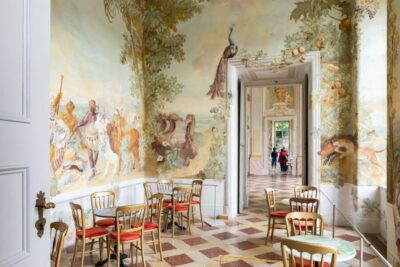
Wachau Valley, Melk Abbey Tour with Danube Boat Trip
Read our review →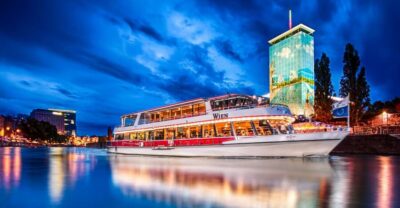
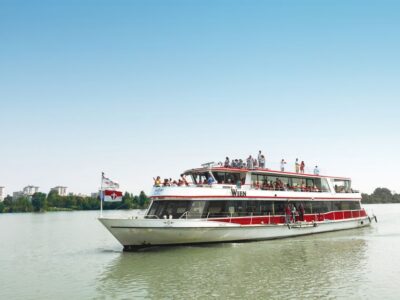
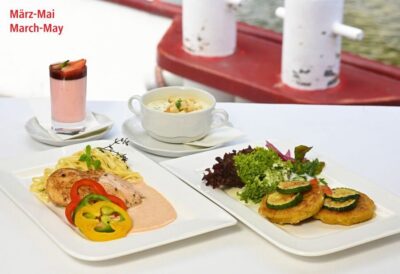
Danube River Cruise w/ optional Viennese Specialties
Read our review →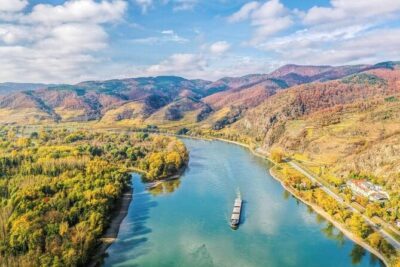
Wachau Valley Wine Tasting Bike Tour from Vienna
Read our review →
Bratislava Day Trip from Vienna With Catamaran Cruise on Danube
Read our review →Browse the lists this tour appears in