Reviewed · TOURS IN VIENNA
Small Group Tour; Central Europe & the Balkans – Vienna to Tirana
The best part of this journey is its sweep: in two weeks, you move from Vienna’s imperial streets to Kosovo’s monasteries and Albania’s mountain strongholds. I like the small-group format, which should make border crossings, old-town walks, and spontaneous coffee stops easier than on a large coach tour. I also like the mix of grand sights and ordinary places, from Budapest Castle to a Serbian wine town and a working Kosovo bazaar.
The main caution is the pace. You cover many countries by road, with several one-hour stops and some long travel days. The price also assumes shared occupancy in three-star hotels, so check the room arrangement and group-size details before paying, especially since the information gives both eight and ten as the maximum group size.
Key points to know before you book
- Fourteen days by private vehicle: The route runs from Vienna to Tirana through Austria, Slovakia, Hungary, Serbia, Bosnia and Herzegovina, Montenegro, Albania, and Kosovo.
- The Balkans take center stage: Sarajevo, Mostar, Kotor, Prizren, Gjakova, Decan, and Kruja provide the strongest cultural and historical stops.
- Breakfast is covered: Thirteen breakfasts, tourist taxes, fuel, road taxes, international car insurance, and listed admissions are included.
- Meals are mostly your responsibility: Lunches, dinners, drinks, snacks, souvenirs, and personal spending are not included.
- Shared three-star accommodation: Prices are based on double, twin, triple, or quadruple occupancy.
- Expect an active road trip: Several visits involve cobbled lanes, hills, uneven ground, or walks to hilltop fortresses.
Vienna to Rust, then across to Bratislava
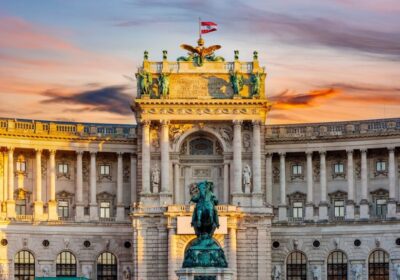
Your tour begins with hotel pickup in Vienna at 11:00 a.m. The Vienna portion is brief because the city is treated as your starting point, not as a full guided visit. If you want the Hofburg, museums, or the Ringstrasse, plan extra time before the tour begins.
Rust is a pleasant first stop. This small Burgenland town is known for its preserved center, colorful houses, flower boxes, and wine culture. The drive offers views of Lake Neusiedl, a UNESCO-listed area, and the surrounding vineyards. You get about two hours here, enough for a walk, a shop selling local crafts, or a meal with regional wine.
I like this opening because it starts gently. Rust gives you a taste of provincial Austria rather than another major capital. Still, two hours is not enough for a serious wine visit, so think of the stop as an introduction rather than a tasting tour.
You then continue toward Bratislava. The first day has only about thirty minutes in the Slovak capital, so you are mainly positioning yourself for the next morning. This is a sensible route, but it means you should not expect meaningful sightseeing in Bratislava on arrival day.
More days out of Vienna:
- Vienna: Vivaldi’s Four Seasons Concert in Karlskirche
★ 4.7 · 14,951 reviews - Vienna: Spanish Riding School Training
★ 3.9 · 9,281 reviews - Vienna: Skip-the-cashier-desk-line Giant Ferris Wheel Ride
★ 4.5 · 7,859 reviews
Bratislava’s old town and Danube views
The second day brings a fuller look at Bratislava. The Old Town Hall, churches, cultural buildings, and former medieval defenses give the center a compact, walkable feel. Michael’s Gate is especially useful for understanding the old city walls because it is the only surviving medieval gate.
Bratislava Castle sits above the Danube and provides the day’s best view. The castle visit is included, unlike many smaller stops where admission is not specifically covered. You also get free time for a traditional coffeehouse, a good chance to slow down after the previous day’s drive.
The schedule allows about an hour at each main stop. That is enough to see the central sights with a guide, but not enough for a museum-heavy visit. If you prefer lingering over architecture or exhibits, use the free café time wisely and accept that you will not see everything.
Győr and the road into Hungary
Győr is a short but worthwhile stop on the way into Hungary. The city’s Baroque center has multicolored buildings, churches, and pedestrian streets. The Town Hall, with its 59-meter tower and green roof, is an easy landmark to spot.
The Cathedral of the Virgin Mary and the Győr Synagogue add more depth than a quick photo stop might suggest. The synagogue’s large gray dome can be seen from a distance, while Baross Gábor Way gives you cafés, shops, bars, and restaurants in a pedestrian setting.
You have roughly three hours in Győr, divided among the center, Town Hall area, and Baross Gábor Way. The schedule gives you a taste of the city, not a full cultural study. Food and drinks are on your own, and the tour specifically points you toward Hungarian specialties and local blueberry beer.
Budapest in a single busy day
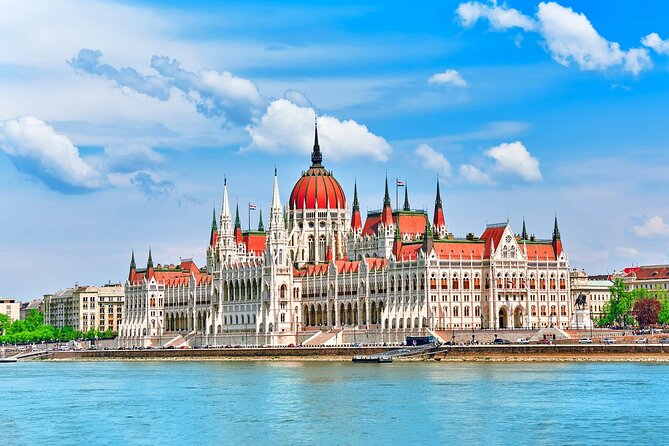
Budapest receives one concentrated day. You pass major sights including Saint Stephen’s Basilica, the Opera, Parliament, Heroes’ Square, and Fisherman’s Bastion. The route also includes Buda Castle, a UNESCO World Heritage Site, with time to cross the bridges and walk the Baroque streets.
This is a good overview for a first visit. You see both sides of the Danube, the traditional Buda district and the more cosmopolitan Pest side, and you get a free evening to experience the city after dark.
The drawback is clear: Budapest deserves more than a few hours. You will not have time for a leisurely museum visit, a thermal bath, and a broad neighborhood walk on this schedule. If Budapest is a major reason for booking, add independent nights before or after the tour.
A different kind of evening in Vienna:
- Vienna: Schönbrunn Palace & Gardens Skip-the-Line Tour
★ 4.7 · 7,739 reviews - Vienna: Light of Creation Votive Church Immersive Light Show
★ 4.8 · 6,779 reviews - Vienna Spanish Riding School Guided Tour
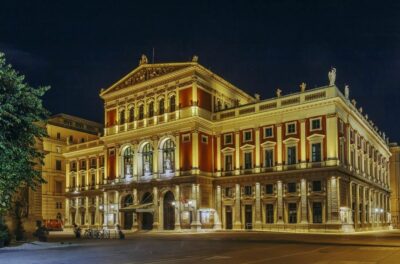
★ 4.7 · 6,765 reviews - Vienna: Classical Concert in the World-Famous Musikverein
★ 4.6 · 6,673 reviews
Subotica and Novi Sad in northern Serbia
Subotica is a colorful introduction to Serbia. Its City Hall, park, fountains, cathedral, and synagogue reflect the town’s Austro-Hungarian past and its mix of cultural influences. The center is compact, and an hour of guided sightseeing followed by free time works well here.
You can use the independent time for coffee or local food. The town is described as relaxed, and that is the point. Subotica is less about headline monuments and more about street scale, decorated facades, and the feel of a former imperial city.
Novi Sad receives a longer visit, about three hours. The pedestrian streets of Zmaj Jovina and Dunavska lead through the historic center, while Petrovaradin Fortress provides the major sight. The fortress is often called the Gibraltar on the Danube and reflects the city’s position between former Austro-Hungarian and Ottoman spheres.
Novi Sad is also a practical overnight stop. You are not simply racing through for a photograph, and the extra time lets you eat, walk, and find your own corner of the city.
Sremski Karlovci and Serbian wine country
The next day takes you to Sremski Karlovci, a small Baroque town tied to Serbian culture, spirituality, and wine production. Its center feels more like a historic town than a modern city, with stories attached to its buildings, streets, and the Four Lions fountain.
The local legend says that drinking from the fountain ensures a return to Karlovci and marriage there. You do not need to take the tale literally to enjoy the stop. The town works best as a slow morning of architecture, wine, and views over the surrounding vineyards.
You have about three hours, including time for regional wine specialties. This is one of the tour’s more personal stops, but remember that tastings and meals are not listed as included. Budget separately for anything you order.
Belgrade, Zvornik, and the road into Bosnia
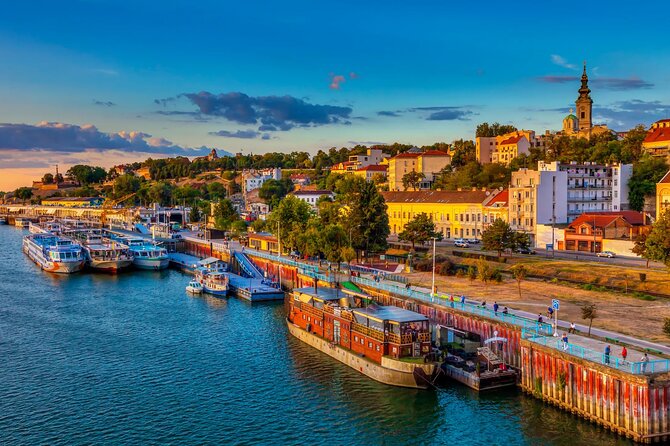
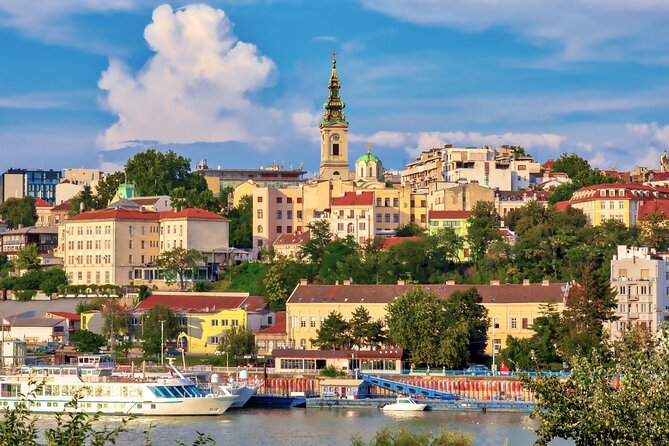
The itinerary then turns toward Belgrade, although the day’s stop is labeled Zvornik. The planned Belgrade visit includes Kalemegdan Park and the fortress above the meeting point of the Sava and Danube rivers. The Pobednik monument, Upper Town, green paths, Knez Mihailova, and Republic Square form a useful first look at the Serbian capital.
Only about an hour is allocated to this section before the drive toward Bosnia and Herzegovina. That is a tight introduction to Belgrade. You can see the city’s key central corridor, but you will not get a full sense of its museums, neighborhoods, or nightlife.
Zvornik sits along the Drina River and provides a transition between Serbia and Bosnia. The route description gives limited detail about the visit, so treat it mainly as a stop on a long road day rather than a major city tour.
Sarajevo and Mostar, where history is close at hand
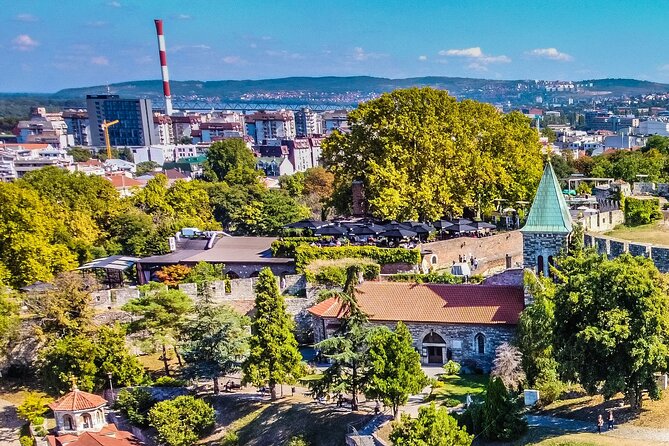
Sarajevo is one of the strongest parts of the route. The walking tour covers the city’s Ottoman and Austro-Hungarian sections, markets, mosques, churches, and synagogues. This mix explains why Sarajevo is often described as a European Jerusalem.
You will also see reminders of the Yugoslav War, including bullet holes and cannon marks. The route includes uneven ground and ruins, so sturdy shoes matter. The Latin Bridge adds another layer of history, tied to the assassination that helped trigger World War I.
The tour gives Sarajevo about three hours across the main visit and Latin Bridge. That is enough for a guided introduction, but not enough for a long museum visit or a slow meal. Sarajevo’s food is part of the pleasure, with meat dishes and desserts worth making time for if the schedule allows.
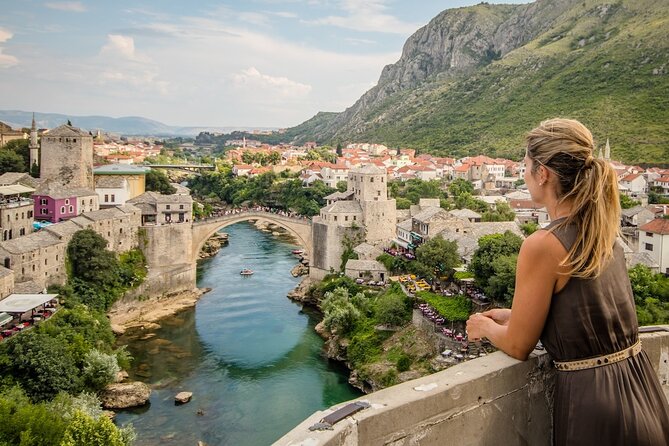
Mostar follows the same day, which makes for a demanding schedule. The Old Bridge, or Stari Most, is the focus. Its Ottoman-era design, the nearby bazaar, mosques, and cobbled lanes show a different side of Bosnia. You can also see reminders of the city’s recent past, including the repeated Don’t Forget message found around town.
Mostar receives about an hour. You can photograph the bridge, walk through the bazaar, and get a feel for the center, but the visit is brief. The combination of Sarajevo and Mostar is valuable, though you should be ready for a full day on the road.
Kotor and Budva on the Montenegrin coast
Kotor offers three hours in a UNESCO-listed old town surrounded by dramatic mountains and the Bay of Kotor area. Its narrow cobbled streets were planned in a confusing pattern to slow invaders, and today that layout makes wandering part of the fun.
The tour includes Saint Luke’s Church and free time to explore. Look for plaques on old buildings that explain their original use and construction dates. Kotor is compact, but the stone streets can be tiring, so sensible footwear is more useful than dress shoes.
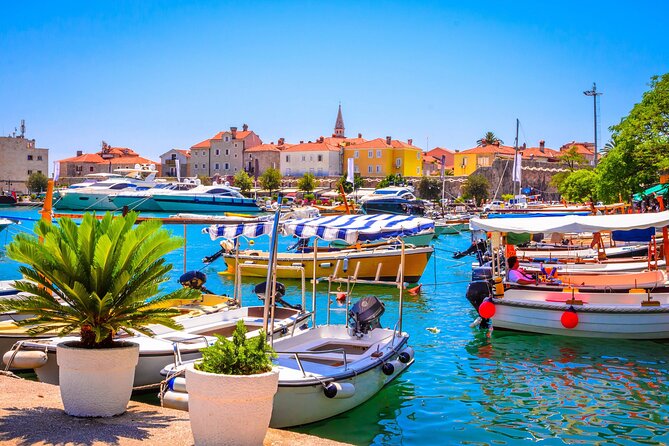
Budva follows the next day. The old town has churches, medieval buildings, and a clear contrast with modern Budva’s offices, malls, restaurants, and bars. Two hours gives you enough time to see the historic center without pretending you have explored the wider resort area.
A short stop near Sveti Stefan follows. The former fishing settlement now functions as an exclusive residential resort, and the island cannot be visited. You can still take a photograph from the coast, but keep expectations modest. This is a viewpoint stop, not a tour of the island.
Shkoder and a taste of northern Albania
After crossing into Albania, you visit Shkoder, one of the country’s oldest cities. Rozafa Castle is the main attraction, with views toward the lake and the rivers that run toward the Adriatic.
The city shows Venetian influence, and the tour also points out Shkoder’s handmade carnival masks. If your visit falls in February, the carnival festival may be taking place. The schedule allows about two hours, enough for the castle and a short look at the city.
The castle involves walking and uneven surfaces. The payoff is the view, but this is not a passive bus stop. Bring water, wear shoes with grip, and expect the day to involve more movement than the time estimates suggest.
Prizren, Kosovo, and the road to Gjakova
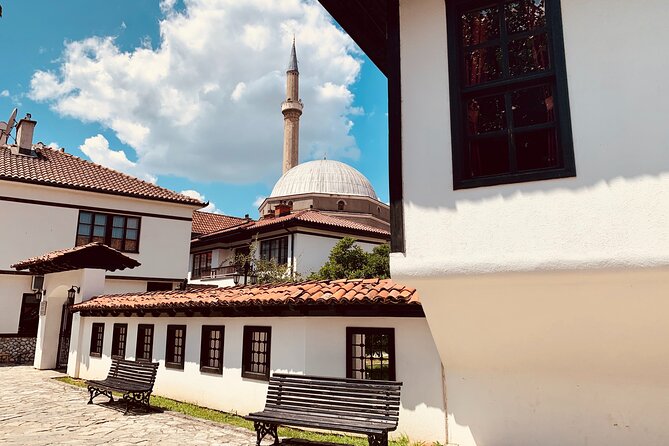
Prizren is the cultural center of the Kosovo portion of the journey. The river, stone bridges, old lanes, religious buildings, and Ottoman influence give the city a strong sense of place. Sinan Pasha Mosque is included, and its patterned interior is one of the clearest architectural highlights.
Kalaja Fortress sits above town and offers a wide view over Prizren. The visit is short, about thirty minutes, but you also get a free afternoon. Use it for a slow walk beside the river, a meal, or a return to the old center.
Prizren is also home to Dokufest, an international short film festival held in August. The tour does not include festival admission, but the timing could add a special cultural layer if your dates coincide.
The next day begins in Gjakova, home to Kosovo’s oldest and largest bazaar. It has been rebuilt after destruction in several wars, including the Kosovo War. You can browse handmade crafts, eat, and see how the bazaar remains part of everyday town life rather than just a preserved monument.
Decan Monastery and Rahovec wine country
The Decan Monastery is one of the most important visits in Kosovo. Orthodox monks still live there, and the monastery is known for its white exterior, frescoes, and organic food production, including cheeses. Its UNESCO status comes from the quality of the frescoes and their picture of fourteenth-century life and Byzantine painting.
The visit lasts about an hour. Dress and behave respectfully at a religious site, and follow the tour leader’s instructions. The monastery’s continued religious use makes it more than a historic shell.
Rahovec adds a wine stop before you return toward Prizren. Grapes have been grown here since Illyrian times, and vineyards sit on hills between about 350 and 520 meters above sea level. The annual wine festival takes place in September, although the tour does not promise festival access or a tasting.
This Kosovo section is a strong reason to choose the route. It goes beyond Pristina and connects city streets, religious sites, craft traditions, and food and wine production.
Kruja and the final drive to Tirana
Kruja is the final major sightseeing stop before Tirana. The town sits on rocky ground about 560 meters above sea level and is tied to Albanian resistance against Ottoman expansion in the fifteenth century.
The Old Bazaar is a highlight for shoppers. Its narrow lanes and wooden buildings offer carpets, jewelry, and handmade souvenirs. Since shopping is not included, bring a separate budget if you want something more substantial than a small keepsake.
Kruja Castle occupies a defensive hilltop position. The tour includes the castle and paths once used by locals to leave without being seen during attacks. You get about an hour at the castle, followed by free time for lunch and shopping.
The final drive to Tirana marks the end of the tour. Hotel drop-off is included in Tirana, but the information does not provide a specific arrival time. Avoid scheduling a flight immediately afterward unless you have confirmed the timing directly.
What the $4,881.23 price really covers
At $4,881.23 per person, this is not a budget tour. The price becomes easier to assess when you look at what is bundled: private transportation, a professional tour leader, hotel pickup in Vienna, drop-off in Tirana, thirteen breakfasts, three-star lodging, tourist taxes, fuel, road taxes, international car insurance, and listed entry fees.
You still pay for every lunch, dinner, drink, snack, souvenir, and personal expense. The price is based on shared double, twin, triple, or quadruple rooms, so a solo guest may need to clarify any supplement before booking.
I see the value in the one-way design. You do not need to arrange transport between eight countries, manage border routes, or piece together accommodation in smaller places such as Rust, Sremski Karlovci, or Decan. The tradeoff is control: the schedule is fixed, and independent time is limited in major cities.
The cancellation rule is strict. The experience is non-refundable and cannot be changed for any reason, so confirm your dates, room arrangement, insurance, and passport requirements before payment. Personal health and travel insurance are your responsibility.
Who should book this road journey?
I would choose this tour if you want a broad first look at Central Europe and the Balkans, prefer a guide and private vehicle, and enjoy moving on rather than settling into one city. It suits people who value cultural variety, old towns, fortresses, religious sites, and local food more than long hotel stays.
It is less suitable if you want deep time in Budapest, Belgrade, Sarajevo, or Tirana. It is also a poor fit if you dislike border crossings, early road departures, uneven ground, or paying separately for most meals.
The small group is a real advantage, but clarify the number before booking. The highlights describe a maximum of eight people, while the additional information states a maximum of ten. That difference matters in a vehicle-based tour.
Should you book it?
Book this journey if the appeal is the route itself: Vienna’s elegance, Serbian wine towns, Sarajevo’s layered past, Kotor’s stone lanes, Kosovo’s monasteries, and Kruja’s mountain history. The strongest moments come from places that are easy to miss when planning alone.
Skip it if you want a relaxed vacation or if one destination matters more than the whole region. At this price, the tour earns its keep through transport, coordination, and access across a complicated route, not through luxury hotels or included dining. Go in expecting a busy, practical road trip, and you will know exactly what you are buying.
FAQ
How long is the tour?
The tour lasts approximately 14 days, beginning in Vienna and ending with drop-off in Tirana.
Where does the tour begin?
The tour begins with hotel pickup in Vienna at 11:00 a.m.
Where does the tour end?
The tour ends in Tirana, Albania, with hotel drop-off included.
Which countries does the route visit?
The route passes through Austria, Slovakia, Hungary, Serbia, Bosnia and Herzegovina, Montenegro, Albania, and Kosovo.
Is transportation included?
Yes. Private transportation, fuel, road taxes, and international car insurance are included.
Are hotels included?
Yes. Accommodation and breakfast are included for all overnight stays, based on shared double, twin, triple, or quadruple occupancy in three-star hotels.
How many breakfasts are included?
Thirteen breakfasts are included.
Are lunch and dinner included?
No. Lunches, dinners, drinks, snacks, souvenirs, and personal spending are not included.
What is the maximum group size?
The information gives two figures. The highlights describe a maximum of eight travelers, while the additional details state a maximum of ten. Confirm the final group size before booking.
Is the tour refundable?
No. The experience is non-refundable and cannot be changed for any reason.
Just added in Vienna
- World War II History Vienna Old Town Private Walking Tour★ 4.8 · 9 reviews
- Vienna: Wiener Schnitzel and Strudel Cooking Class★ 4.9 · 126 reviews
- Vienna: Wine Tasting Tour★ 4.8 · 61 reviews
- Vienna: Winery and Wine Tasting Tour with a Wine Expert★ 5.0 · 5 reviews
- Vienna: Wine Tasting E-Bike Tour★ 4.9 · 46 reviews
- Vienna: Wine Tasting at Schönbrunn Palace★ 4.3 · 71 reviews
- Vienna: Unforgettable Private City Tour★ 5.0 · 7 reviews
- Vienna Urban Art Tour: Explore a different side of Vienna!★ 3.8 · 14 reviews
Tours in Vienna, compared.
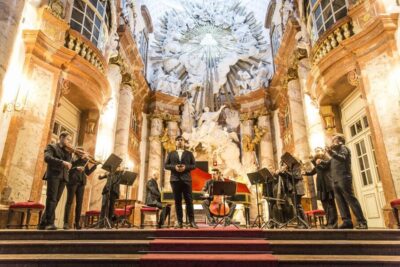
Vivaldi’s Four Seasons Concert in Karlskirche
Read our review →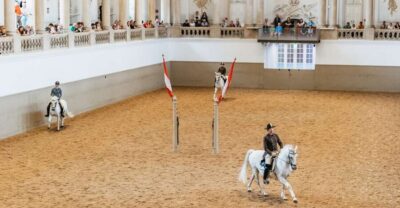
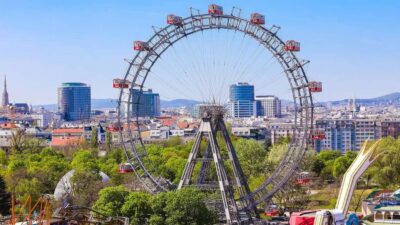
Skip-the-cashier-desk-line Giant Ferris Wheel Ride
Read our review →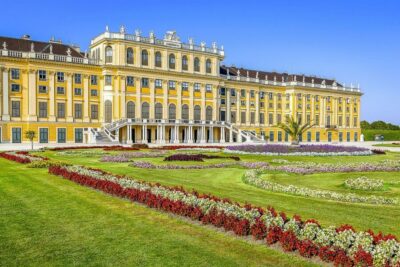
Schönbrunn Palace & Gardens Skip-the-Line Tour
Read our review →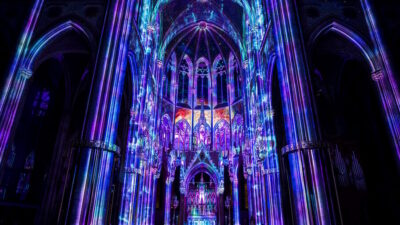
Light of Creation Votive Church Immersive Light Show
Read our review →
Classical Concert in the World-Famous Musikverein
Read our review →