
Reviewed · WALKING TOURS
The unknown Vienna City- a guided walking tour in 3 hours
Vienna’s first district is full of famous sights, but its best stories often hide in narrow lanes and quiet courtyards. This three-hour walk follows lesser-known routes from Stubentor to the Hofburg, mixing medieval architecture, music, church politics, and local monster tales such as the Basilisk.
I like the way the tour links small details to big events. A building connected with Mozart, traces of Vienna’s re-Catholicization, and old legends about Lugeck and Augustine give the city more personality than a simple parade of imperial facades. I also like the small-group limit of 10 people, which leaves room for questions and conversation.
The main consideration is pace. You will be on your feet for three hours, and the tour is not suitable for wheelchair users. Eat before you start, wear comfortable shoes, and be aware that a tour booked at short notice may sometimes be conducted in two languages.
Key points to know before you book
- Start at Stubentor: Meet near the Dr. Karl Lueger monument by the Stubentor subway station.
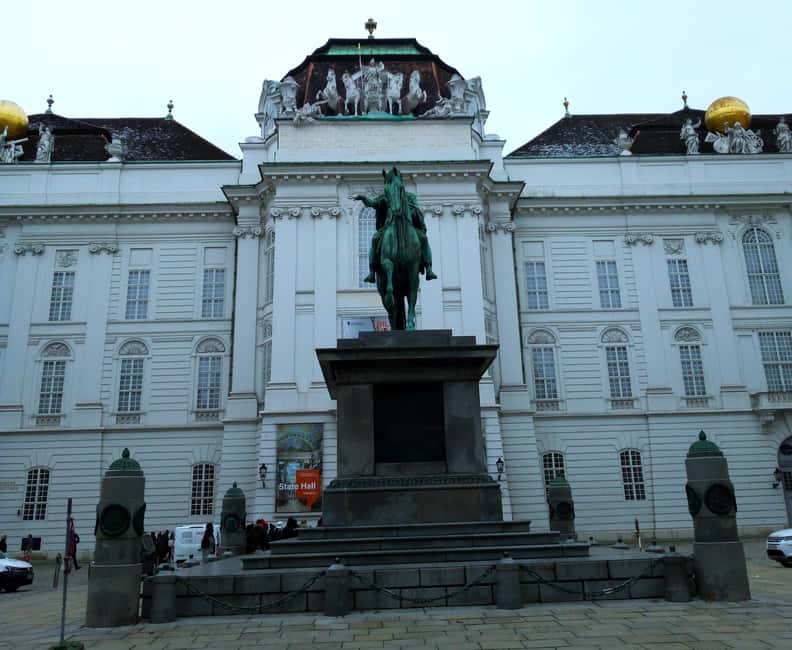
- Finish near the Hofburg: The route ends at In der Burg 1, in the central Hofburg area.
- Expect unusual stories: Legends of Lugeck, Augustine, and the Basilisk are part of the walk.
- Look for music history: The Deutscher Orden Haus and its Mozart connection add a musical thread.
- Small groups help: A maximum of 10 participants makes it easier to ask questions.
- Plan for a full walking tour: Bring good shoes, eat beforehand, and note that wheelchair access is not available.
Why this Vienna walking tour feels different
Many first visits to Vienna follow a familiar line: St. Stephen’s Cathedral, the Hofburg, grand palaces, and the Ringstrasse. Those sights deserve your time, but they can make Vienna seem like a city built only for emperors and concert audiences.
This walk takes a more sideways route. You still get the central sights, but the focus is on the spaces between them: winding lanes, old churches, courtyards, medieval remains, and buildings whose importance is easy to miss if you are hurrying toward the next major monument.
The route covers Vienna’s story from the 13th century to the 21st century. That is a lot of ground for three hours, so you should expect a selective portrait rather than a full survey. The guide connects architecture and local stories to the Ottoman Wars, the Habsburg monarchy, religious change, music, and daily life in the old city.
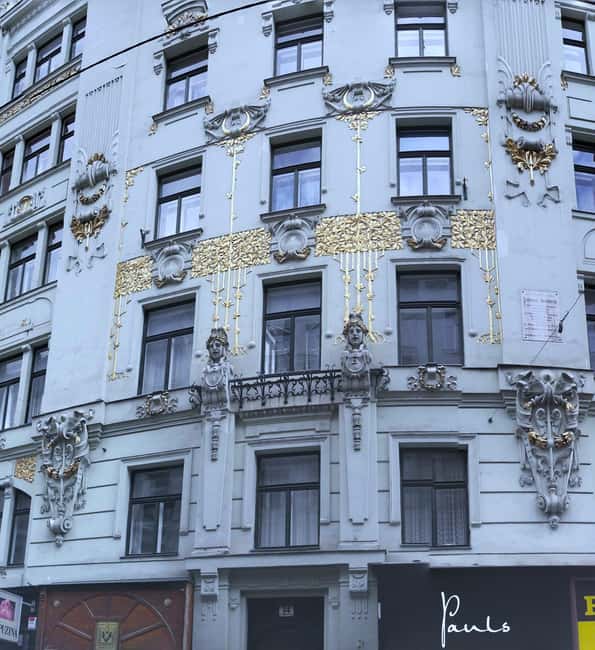
I especially like this format if you have already seen the obvious sights or if you want to understand how the first district is arranged. The route gives you visual clues to the city’s growth, from Gothic and Renaissance buildings to Baroque work, Art Nouveau details, and newer construction close by.
More Walking Tours in Vienna
- Vienna: Guided Walking Tour of City Center Highlights
★ 4.7 · 4,989 reviews - Vienna: Vienna Central Cemetery Guided Walking Tour
★ 4.8 · 3,307 reviews - Vienna: Guided Walking Tour of City Highlights & Hidden Gems
★ 4.9 · 2,180 reviews
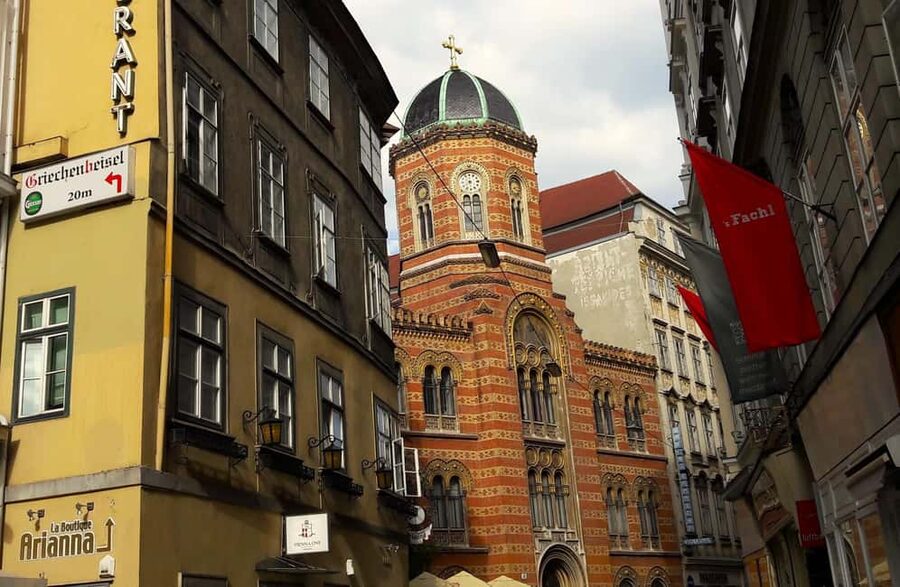
Starting at Stubentor and meeting old Vienna
The meeting point is near the Dr. Karl Lueger monument, close to the Stubentor subway station. This is a practical starting point because you begin in the historic center without spending time on a long transfer from another part of Vienna.
Stubentor also sets the tone for the walk. You are not starting with a grand ceremonial square. Instead, you begin at an edge of the old city and move into streets shaped by many periods of Vienna’s past.
Your guide may be Nicoleta, who is identified with this experience, or another guide from Guide from Vienna, RAXI Tours. The guiding languages are English, Italian, and German. At times, especially when booked close to the date or during busy holiday periods such as Easter or Christmas, the tour may be conducted in two languages. You can ask about the language already booked by contacting the provider before the tour.
That point matters if you want a tightly focused English tour. The supplied booking information says the already-booked languages cannot be displayed directly, so checking ahead is sensible.
Legends of Lugeck, Augustine, and the Basilisk
A major pleasure of this tour is its use of folklore. Vienna is not presented only through dates and dynasties. You also hear stories about monsters, strange events, and the ways local people explained or defeated them.
The Legend of Lugeck, the Legend of Augustine, and the Legend of the Basilisk are all included. The Basilisk story is particularly useful for understanding how medieval tales worked. It is not simply a spooky story added for entertainment. The guide explains the tale’s origins and significance, along with how Vienna’s people were said to have dealt with such creatures.
That combination suits you if you like history with a human voice. A list of rulers can blur together. A story about a monster in the city gives you something memorable to connect with a street or building.
The tour also looks at winding, lesser-known streets. These lanes are important because they show a different Vienna from the broad imperial avenues. You might pass through spaces you would otherwise ignore, then learn why the street bends, what once stood there, or which local story is tied to it.
The route does not promise theatrical performances or staged events. The value comes from the guide’s explanation and the setting itself. If you prefer architecture without much storytelling, this may feel more talk-heavy than a simple sightseeing walk.
Mozart, patrons, and Vienna’s musical past
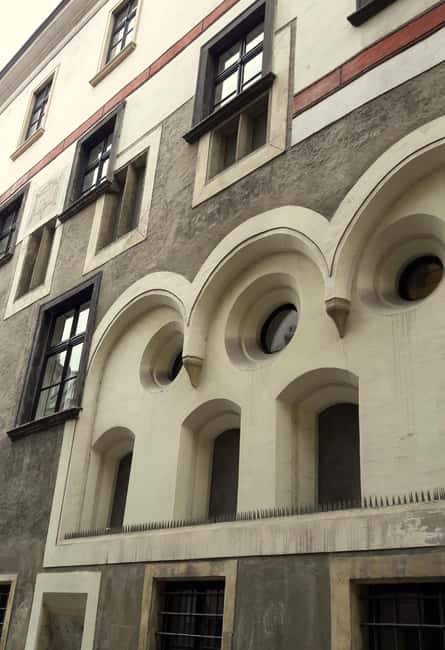
Music is another thread running through the route. One highlighted stop is the Deutscher Orden Haus, associated with Mozart’s concert hall.
That detail gives the tour a useful angle. Vienna’s musical past is often reduced to famous composer names and grand concert venues. Here, you look at the buildings and patrons that helped support musical life. The focus is on the physical city where musicians worked, performed, and found backing.
The walk is described as following the footsteps of musicians and patrons of music and architecture. That wording points to a wider story than Mozart alone. It asks you to notice who built, funded, preserved, and used the city’s important spaces.
You should not book this expecting a concert or an interior tour of every building. The experience is a guided walk through the historic center. Its strength is the connection between a place and the story attached to it.
More walking routes in Vienna:
- Vienna: Viennese Underworld Guided Walking Tour
★ 4.7 · 1,865 reviews - Vienna: World War II Historical Walking Tour
★ 4.8 · 1,772 reviews - Vienna Historic Center Small Group Walking Tour
★ 5.0 · 1,746 reviews - Vienna: Private Walking Tour with a Local Guide
★ 4.6 · 1,420 reviews
Medieval Vienna beside modern buildings
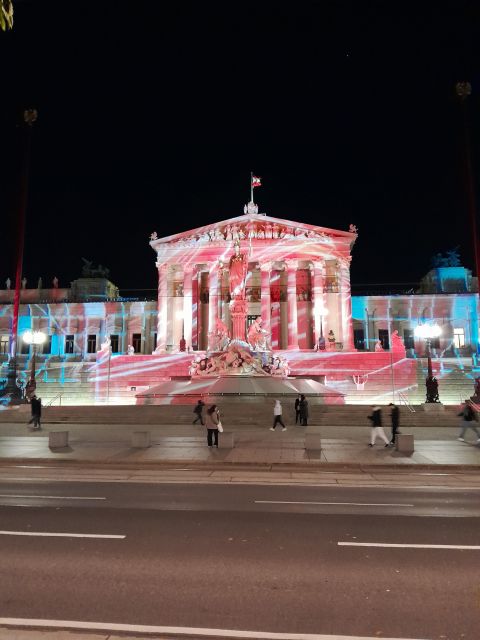
One of the most useful parts of the walk is the chance to see several architectural periods close together. The route covers Gothic, Renaissance, Baroque, Art Nouveau, and modern buildings.
Vienna can look perfectly ordered at first glance, but the older city contains layers. Medieval structures may sit next to much newer facades. A church, courtyard, or narrow street can preserve an older pattern even when the surrounding buildings have changed.
The guide also points out the medieval Hofburg, a less familiar side of the imperial complex. Most people picture the Hofburg through its grand ceremonial spaces and museums. This tour focuses on its older development and the parts of the complex that are easy to pass without understanding.
That is valuable for you because it changes the way you read Vienna. Instead of seeing the Hofburg as one enormous palace, you begin to see a complex that grew over centuries. The route’s endpoint at In der Burg 1 places you in the center of that story.
Tracing Vienna’s re-Catholicization
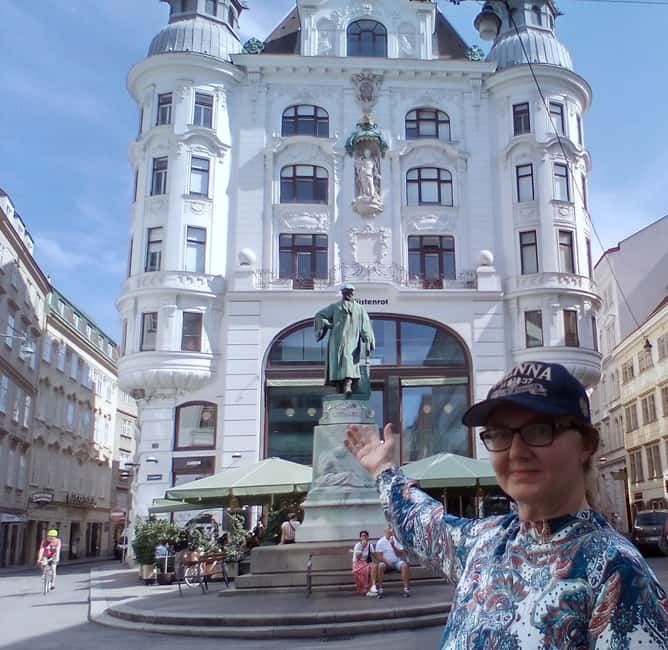
The tour also examines architectural traces of Vienna’s re-Catholicization. This is one of the more specific themes, and it gives the walk a stronger historical spine than a general old-town stroll.
Religious change affected buildings, decoration, institutions, and public life. The guide uses architecture to show how these changes appeared in the city. You will not only hear about church history in the abstract. You will look at physical signs left in streets and buildings.
This part may appeal most if you enjoy political and religious history. It also helps explain why Vienna’s churches and public buildings look the way they do. Architecture becomes evidence, not just decoration.
The tour places these changes alongside the Ottoman Wars and the final years of the Habsburg monarchy. That broad span can be demanding. You will need to listen closely, since three hours does not allow every period to receive equal attention.
Quiet churches, courtyards, and overlooked addresses
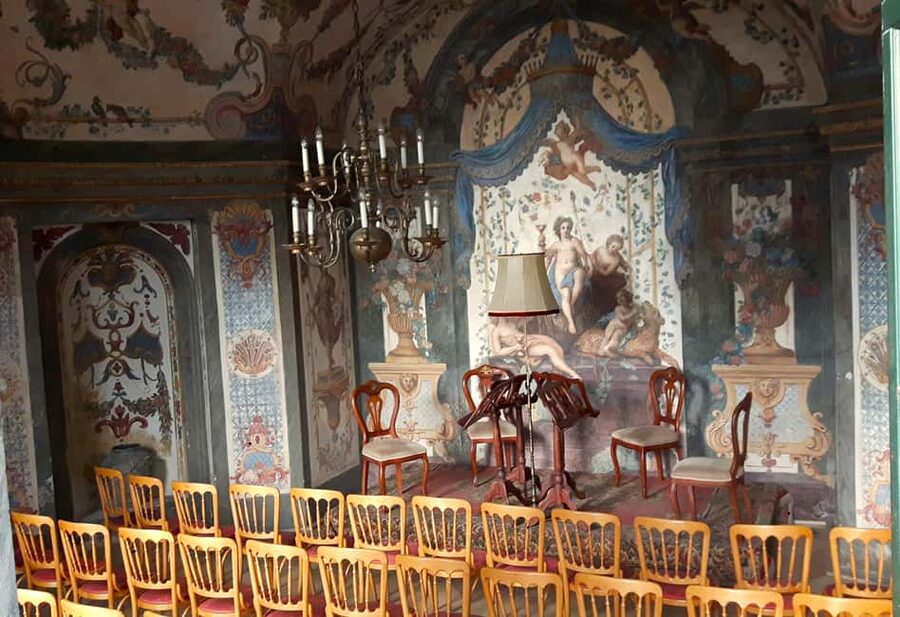
The route is designed to take you through alleyways and courtyards that you might not find alone. It also includes several churches that can seem easy to overlook when you are moving between major attractions.
These places are a good reason to choose a guided walk instead of relying only on a map. A map can show a street name, but it cannot explain why a small courtyard matters or point out the detail that gives a church its place in Vienna’s story.
One stop connected with Mark Twain’s residence adds another unexpected address to the route. It shows how the old center contains more than imperial and religious history. Writers, musicians, patrons, local legends, and political events all occupy the same few streets.
The benefit is discovery without a treasure-hunt gimmick. You are still walking through the first district, but the guide gives you reasons to stop and look.
What the three-hour format means
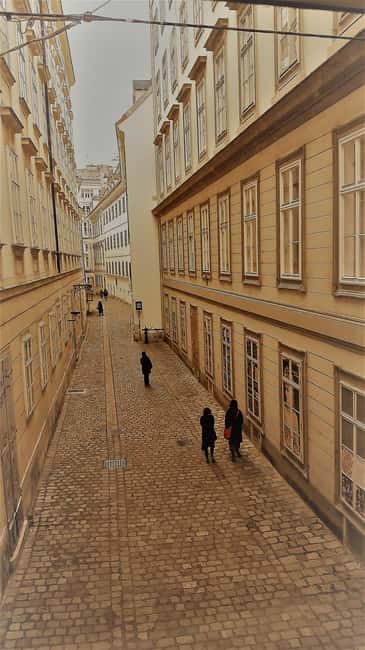
Three hours is long enough to move beyond a quick orientation walk, but short enough to fit into a busy Vienna schedule. You can use it early in your visit to get your bearings, or later to add depth after seeing the main sights.
The route begins at Stubentor and ends in the Hofburg area. You should plan on continuous walking rather than a tour with long seated breaks. Eat before you arrive, as the instructions specifically advise, and wear comfortable shoes.
The group is limited to 10 participants. That is a useful size for narrow lanes and courtyards, where a large crowd would be awkward. It also gives you a better chance to ask about a building, a legend, or a historical point that catches your attention.
The guide’s ability to answer questions is important here. The tour covers a wide range of subjects, and you may want to pause on music, church history, architecture, or local folklore. A question-friendly guide makes the difference between a moving lecture and a conversation about Vienna.
Price and value at $63
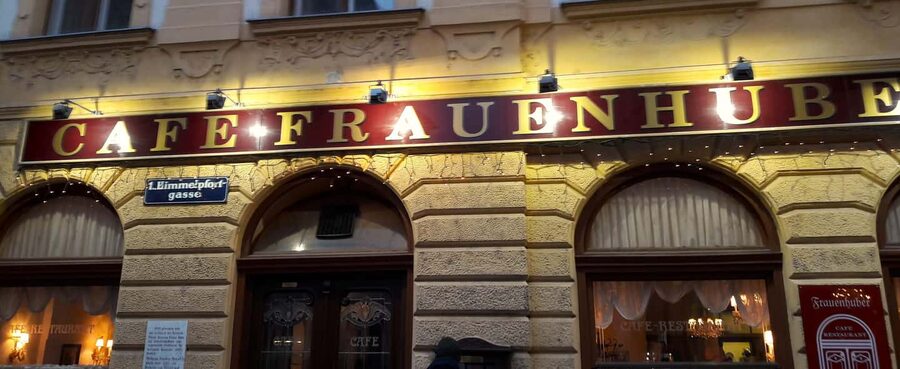
At $63 per person, this is not the cheapest way to walk through central Vienna. The value depends on how much you want from the experience.
For a group of up to 10, the price buys a focused three-hour tour rather than a basic city introduction. You are paying for route planning, interpretation, access to lesser-known streets and courtyards, and the guide’s ability to connect scattered details into a story.
The value is strongest for curious visitors who would otherwise walk past these places without noticing them. It is also appealing if you enjoy small groups and want to ask questions. For a couple or a very small booking, the price can feel reasonable because the experience may become close to a private tour, depending on the group size.
The value is weaker if you mainly want a fast list of Vienna’s top sights, a palace interior visit, or a tour with frequent sitting stops. In that case, a standard city highlights tour may fit better.
The activity allows cancellation up to 24 hours before the start for a full refund, and you can reserve now and pay later. Those terms help if your Vienna schedule is still shifting.
Who should book this walk
I would choose this tour for you if you like:
- Local legends mixed with documented history
- Architecture from several periods
- Small groups and time for questions
- Music history beyond famous concert venues
- Quiet lanes, courtyards, and overlooked churches
- A closer look at the first district
It is also a good match if you have already seen St. Stephen’s Cathedral and the main Hofburg sights and want a less familiar angle on the same area.
I would think twice if you have difficulty walking for three hours, need wheelchair access, or dislike tours built around spoken explanation. The route is not suitable for wheelchair users, and the operator advises comfortable shoes.
If language matters greatly, check before booking. English, Italian, and German are offered, but the tour may occasionally use two languages when several language groups are booked together.
Should you book The Unknown Vienna?
Book it if you want Vienna to feel like a lived-in old city rather than a row of grand monuments. The Basilisk, Augustine, Lugeck, Mozart’s connection with the Deutscher Orden Haus, the medieval Hofburg, and the signs of re-Catholicization give the walk a distinctive focus.
I would especially recommend it for a second day in Vienna, or for a first day if you prefer stories and architecture to shopping and palace interiors. The $63 price makes the most sense when the group remains small and you take advantage of the guide’s time for questions.
Skip it if you want a short, low-effort introduction or a tour centered on entering major museums. For everyone else, this is a useful way to notice the old city’s quieter details and understand how many centuries can fit into a few Vienna blocks.
FAQ
Where does the tour start?
The tour starts near the Dr. Karl Lueger monument by the Stubentor subway station.
Where does the tour finish?
The route finishes at In der Burg 1, in the Hofburg area. The activity information also describes the experience as ending back at the meeting point, so confirm the exact endpoint when booking.
How long is the tour?
The walking tour lasts three hours.
What languages are available?
The live guide may conduct the tour in English, Italian, or German.
How many people can join the tour?
The group is limited to 10 participants.
Is the tour suitable for wheelchair users?
No. The tour is listed as unsuitable for wheelchair users.
Should I eat before the tour?
Yes. The activity information advises you to eat something before starting, and comfortable shoes are recommended.
Can I cancel for a refund?
You can cancel up to 24 hours in advance for a full refund. You can also reserve now and pay later.
Just added in Vienna
- 3 hour private tour in Vienna by private car★ 4.4 · 6 reviews
- Private Christmas Markets Walking Tour Vienna★ 5.0 · 31 reviews
- Christmas Markets & Shopping in Vienna★ 5.0 · 17 reviews
- Christmas Market Vienna Tour★ 4.0 · 53 reviews
- Vienna: Christmas Markets Tour★ 4.3 · 99 reviews
- Vienna Residence Orchestra: Mozart and Strauss Concert★ 4.0 · 137 reviews
- Vienna: Bus Tour with Virtual Reality Experience★ 4.7 · 148 reviews
- Vienna: A Little Night Music – Concert at Capuchin Church★ 4.8 · 145 reviews
Walking Tours, compared.
Guided Walking Tour of City Center Highlights
Read our review →
Guided Walking Tour of City Highlights & Hidden Gems
Read our review →
Vienna Historic Center Small Group Walking Tour
Read our review →
Browse the lists this tour appears in