
Reviewed · HISTORICAL TOURS
Wilhering Abbey: Discover 875 years of history!
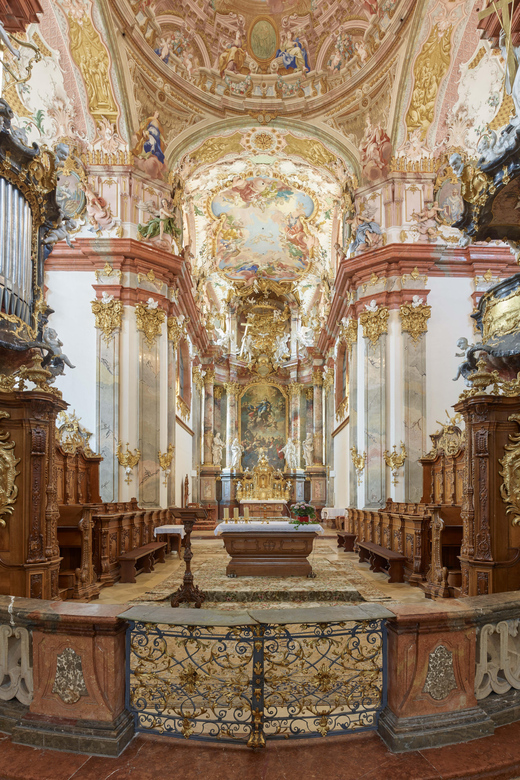
Wilhering Abbey’s best feature is the contrast between its calm Cistercian setting and the dazzling interior of its rococo church. For $7, you get a compact museum visit plus free access to the church, cloister, courtyard, and park, making this a pleasant stop rather than a rushed museum box.
I like the seven themed rooms, which let you choose how much information you want, and the monastery café, where regional cakes, coffee, drinks, and abbey snacks give you a good reason to linger. The main consideration is timing: the museum visit is valid for only 30 minutes after activation, and it can be visited only during posted opening hours.
Key points at a glance
- Seven rooms, seven themes: Learn about Wilhering Abbey, Cistercian spirituality, the motto ora et labora, and notable abbey figures.
- One of Europe’s finest rococo churches: The church is freely accessible with your museum admission.
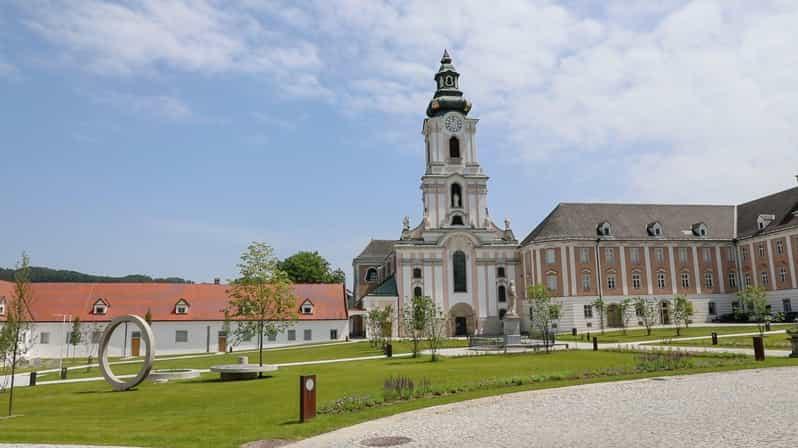
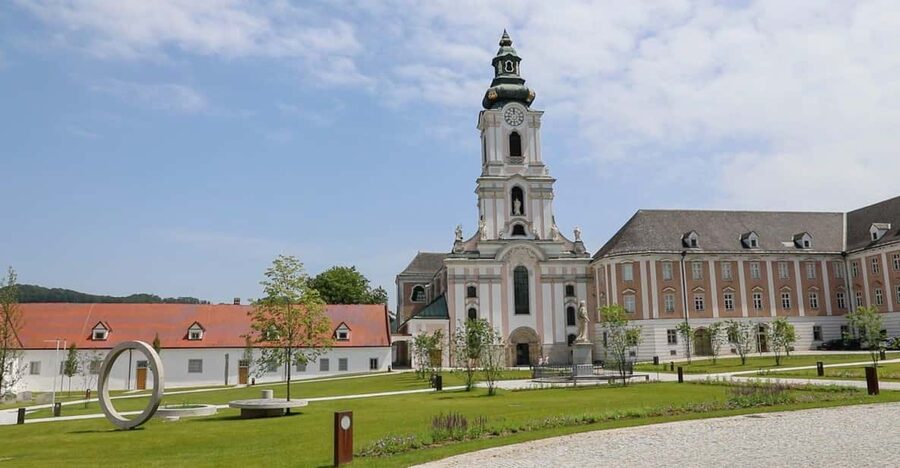
- A calm courtyard stop: The Stiftshof courtyard and abbey park are open for quiet time before or after the museum.
- Café and shop at the gate: Buy regional cakes, coffee, abbey snacks, and products such as wine from leased vineyards near Krems.
- Good value at $7: The price covers the museum, while the church, cloister, courtyard, and park add more time at no extra charge.
- Easy for different ages and mobility needs: The experience is wheelchair accessible, and interactive elements help younger visitors stay engaged.
Why Wilhering Abbey makes a good short stop
Wilhering Abbey gives you several experiences in one small visit. You can look at religious art, learn how a Cistercian abbey works, admire ornate architecture, rest in a courtyard, and stop for coffee. That mix makes it useful for a half-day outing or a planned pause while exploring Upper Austria.
The museum itself takes about 30 minutes. That is short enough for people with limited time, but it also means you should not expect a full-day museum program. I would treat the museum as an introduction, then give yourself extra time for the church, cloister, courtyard, park, café, and shop.
The atmosphere is quiet and reflective. Wilhering is not presented simply as an old building with decorative rooms. The themes connect the abbey’s past with the Cistercian way of life, especially the balance expressed by ora et labora, prayer and work. That gives the visit more substance than a quick look at church decoration.
More to book in Austria
- Vienna: Time Travel and Magic Vienna History Tour
★ 4.6 · 3,879 reviews - Vienna: World War II Historical Walking Tour
★ 4.8 · 1,772 reviews - Vienna Historic Center Small Group Walking Tour
★ 5.0 · 1,746 reviews
Start at the monastery gate
Your visit begins at the monastery gate, where you find the museum entrance and the monastery café. If you are unsure where to start, the café staff can direct you to the museum. This is practical because the gate functions as the main arrival point, visitor contact area, café, and access route to other parts of the complex.
The gate is located in the former farm area of the abbey. That detail helps you understand the site as a working religious community, not only as a church preserved for sightseeing. The former farm now holds the gate, café, shop, Benedict Hall, and museum.
I would take a moment here to get your bearings before entering the exhibition. You can decide whether to begin with the museum or first look into the church and courtyard. Since the museum has a 30-minute validity period from first activation, it makes sense to activate it when you are ready to start rather than too early.
Seven rooms that connect abbey life and spirituality
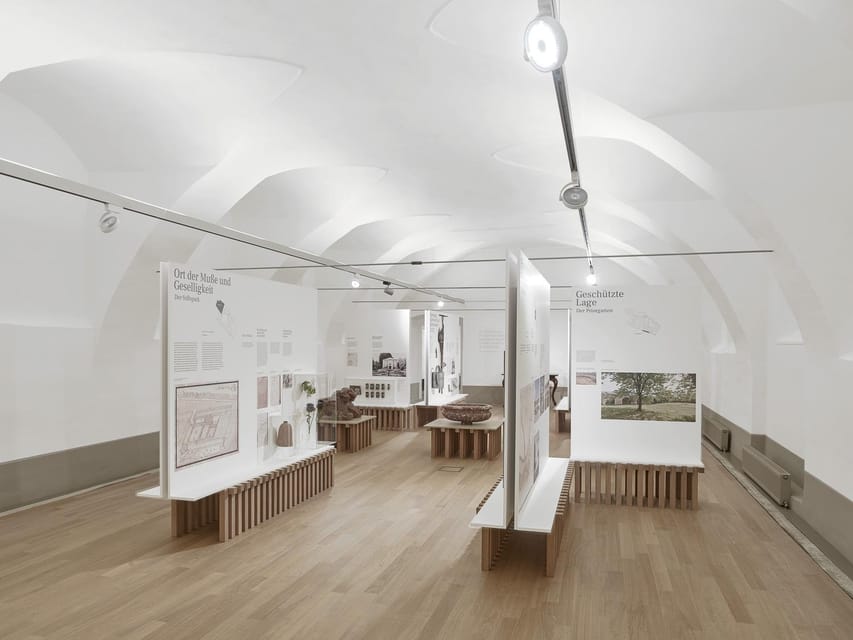
The museum is arranged around seven exhibition rooms and seven themes. Each room can be understood on its own, but the subjects gradually connect. You move from the abbey and its past toward the spirituality of the Cistercians, the ora et labora principle, and important personalities associated with Wilhering.
This layout works well for different kinds of visitors. If you enjoy reading labels and following a subject closely, you can spend time with individual topics. If you prefer a quick overview, each room offers basic information before giving you the option to explore further.
That two-level approach is one of the museum’s smartest features. You are not forced to read every panel, yet you can go beyond the basic story if a particular person, religious idea, or part of the abbey’s development catches your attention.
The design also considers younger visitors. Interactive features add movement and participation to what could otherwise be a text-heavy museum. I would not expect a large hands-on children’s center, but these touches can make the 30-minute visit easier for families.
Because the museum focuses on the abbey and the Cistercian tradition, the experience has a clear theme. You are not getting a random collection of objects. Instead, the rooms explain how the institution, its beliefs, and its people fit together.
The rococo church is the visual high point
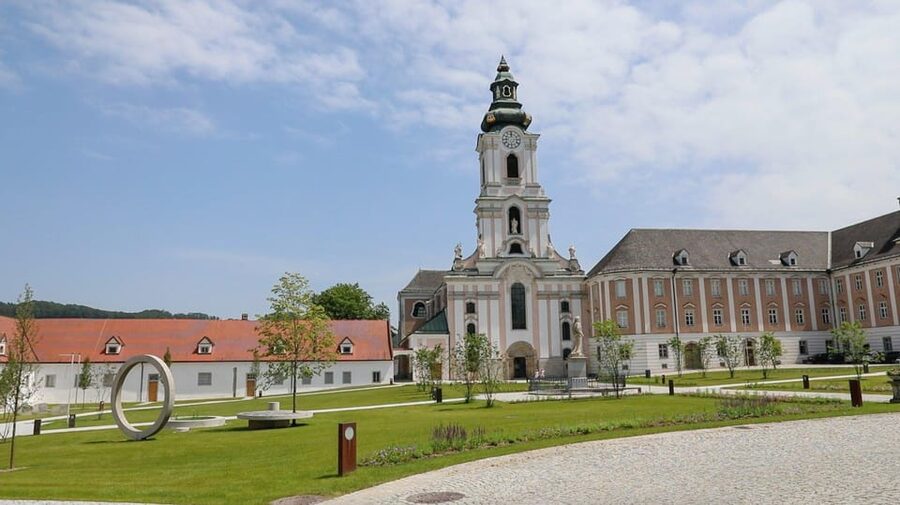
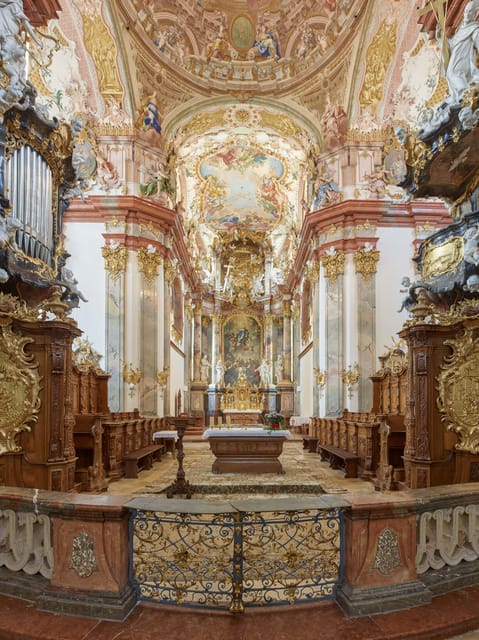
The collegiate church is freely accessible, and for many people it will be the most memorable part of the visit. Its interior is described as one of Europe’s finest rococo church interiors, so this is the place to slow down and look carefully.
Rococo churches can be visually overwhelming. Curving forms, ornament, color, and decorative detail compete for your attention. The best way to see Wilhering’s interior is to give your eyes time to adjust. Start with the overall space, then look at smaller details rather than trying to take everything in at once.
You do not need to rush into the church immediately after the museum. A useful order is museum first, church second. The museum gives you a better sense of the abbey’s religious setting, and the church then supplies the visual experience.
The church is also a good reason to visit even if you are not especially interested in museum displays. Someone who prefers architecture may spend more time here than in the seven rooms. Someone interested in Cistercian life may find that the church gives the museum themes a stronger physical setting.
Keep in mind that the church is part of an active religious complex. The information provided does not promise a guided tour or a scheduled church service experience, so you should approach it as a place for quiet viewing and reflection.
A different kind of evening in Austria:
- Vienna: Vivaldi’s Four Seasons Concert in Karlskirche
★ 4.7 · 14,951 reviews - Vienna: Spanish Riding School Training
★ 3.9 · 9,281 reviews - Vienna: Skip-the-cashier-desk-line Giant Ferris Wheel Ride
★ 4.5 · 7,859 reviews - Vienna: Schönbrunn Palace & Gardens Skip-the-Line Tour
★ 4.7 · 7,739 reviews
Cloister, courtyard, and park add breathing room
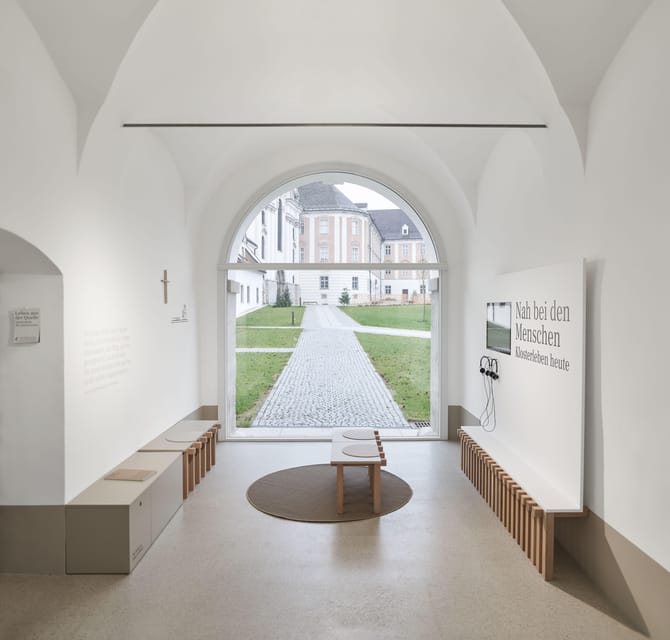
The cloister, abbey courtyard, and park are freely accessible. This matters because the $7 admission does not end when you leave the final exhibition room. You can use the open areas to slow down, sit with what you have seen, or simply enjoy the setting.
The cloister offers a more enclosed and contemplative space. It is a natural place to pause after the church, especially if the ornate interior has given you a lot to process. The courtyard, known as the Stiftshof, feels more social and is where you can combine sightseeing with a café stop.
The park gives you another change of pace. The available information does not specify its size, walking routes, or particular plants, so I would not plan a major park excursion around it. Instead, think of it as an open part of the abbey grounds where you can rest before moving on.
This free access is important when judging the value of the experience. A 30-minute museum visit by itself might feel brief. Add the church, cloister, courtyard, and park, and the visit becomes much more flexible.
Coffee and cake in the Stiftshof courtyard
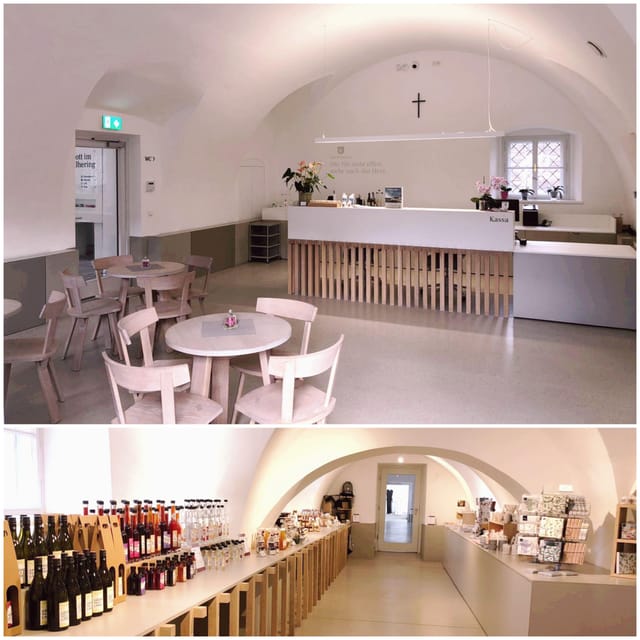
The abbey café serves self-service cakes, coffee, drinks, and abbey snacks. The food comes primarily from regional suppliers, which fits the setting better than a generic tourist café would.
You should expect a simple self-service stop, not a formal restaurant meal. That is a plus if you want a quick coffee or a sweet break without committing to a long lunch. It also gives you the chance to sit in the beautiful Stiftshof courtyard, one of the most pleasant ways to extend a short museum visit.
I especially like this part of the experience because it gives the abbey a sense of hospitality. The gate is described as a place of arrival, welcome, and encounter. The café supports that role by giving you somewhere to settle in instead of sending you straight back to the road.
The café is also useful if one person in your group wants to see the museum while another prefers to wait with coffee. Staff there can help with the museum entrance, so it is both a refreshment stop and an information point.
The monastery shop keeps the visit local
The monastery store sells products connected with the abbey and its wider agricultural and religious network. One example is wine from leased vineyards near Krems.
That does not mean every item is made directly inside Wilhering Abbey. The vineyard arrangement is a useful reminder that monasteries have often supported themselves through land, farming, and trade. The shop gives you a small way to take that side of abbey life home.
I would not make the store the main reason to visit, but it is worth a look after the museum. It can also help you spend a few extra minutes at the gate while deciding whether to stop for coffee.
Is $7 a fair price?
At $7 per person, the admission is easy to justify if you plan to see more than the museum rooms. The museum itself lasts 30 minutes, but your ticket also includes access to the collegiate church, cloister, courtyard, and park.
The value is strongest for visitors who enjoy combining indoor and outdoor sights. You can read a little, admire the rococo church, walk through the cloister, pause in the courtyard, and have coffee. The price becomes less compelling only if you intend to rush through the museum and leave immediately.
There is no guide name or scheduled guided format provided, so you should expect a self-guided visit. That suits independent visitors who like setting their own pace. It is less ideal if you want a personal storyteller leading you from room to room.
The museum’s two levels of information help balance that lack of a guide. You get basic orientation in each room, then the option to spend more time on subjects that interest you.
Practical timing and access
The museum is valid for 30 minutes from first activation. Plan your visit around the published opening hours at the abbey’s official website, because the museum is available only when it is open.
Since the church, cloister, courtyard, and park are freely accessible, you can use the museum’s 30 minutes as the fixed part of the visit. Then add as much time as you like for the other areas, within the site’s operating arrangements.
The experience is wheelchair accessible. That is helpful for visitors who want a short cultural stop without giving up access to the main museum experience. The available information does not describe specific ramps, restroom arrangements, or surface conditions, so contact the abbey directly if you need precise access details.
Free cancellation up to 24 hours before the visit and reserve-now, pay-later booking make the experience fairly easy to fit into a changeable schedule. These policies matter most if you are building a day around several Upper Austria stops.
Who will enjoy Wilhering Abbey most?
I would recommend Wilhering Abbey to you if you like historic religious buildings, decorative church interiors, quiet courtyards, and small museums with a clear theme. It also suits families who appreciate short visits and interactive touches rather than long rooms of dense text.
It is a good choice for a pause between larger destinations. The 30-minute museum format will not take over your day, while the café and open grounds give you the option to stay longer.
You may want to skip it if you want a large museum, a detailed guided tour, or a packed schedule of activities. The strength here is calm exploration, not nonstop entertainment.
The strongest appeal is the combination of an impressive church and a modest, focused museum. You get a visual highlight, some context about Cistercian life, and a comfortable place to rest. The friendly service at the café and gate also matters, especially if you need help finding the entrance or planning your visit.
Should you book Wilhering Abbey?
Book it if you are already exploring Upper Austria and want a short cultural stop with more variety than the price suggests. The $7 admission covers the museum and opens the door to a church, cloister, courtyard, and park, while the café makes it easy to turn the visit into a relaxed break.
I would be especially keen to visit for the rococo church, then use the museum to understand the abbey’s Cistercian background. Just check opening hours first, activate the museum when you are ready, and leave enough time for the courtyard and café. If you prefer grand scale or a formal guide, this may feel too compact. For a quiet, well-priced visit with strong architecture, it is a sensible choice.
FAQ
Where is Wilhering Abbey?
Wilhering Abbey is in Upper Austria, Austria.
How much does the experience cost?
Admission costs $7 per person.
How long is the museum visit?
The museum experience is valid for 30 minutes from first activation.
What does the admission include?
Admission includes the Museum of Wilhering Abbey. The collegiate church, cloister, abbey courtyard, and abbey park are freely accessible.
Where do I enter the museum?
The museum entrance is in the monastery gate or the monastery café. Staff in the café can help you.
What is covered in the museum?
The museum has seven exhibition rooms and seven themes covering Wilhering Abbey, its history, Cistercian spirituality, the motto ora et labora, and important abbey personalities.
Is the visit suitable for children?
The museum includes interactive features intended to make the visit more engaging for younger visitors.
Is Wilhering Abbey wheelchair accessible?
Yes, the experience is wheelchair accessible.
Can I visit the café without taking a full guided tour?
The abbey café is a self-service café offering cakes, coffee, drinks, and abbey snacks. No guided tour is specified.
When can I visit the museum?
The museum can be visited only during its opening hours. Check the official Wilhering Abbey website for current times.
Just added in Austria
- Zurich: Liechtenstein, Austria and Germany Private Day Tour★ 5.0 · 6 reviews
- Zell am See: Schmittenhöhe Tandem Paragliding Flight★ 4.9 · 82 reviews
- Zell am See: Paragliding Tandem Flight★ 5.0 · 31 reviews
- Zurich: Private Liechtenstein, Austria, and Germany Day Trip★ 5.0 · 16 reviews
- From Krems: Wachau Valley River Cruise on the Danube★ 4.6 · 95 reviews
- Vienna: UNESCO Schönbrunn Palace Guided Tour with Entry★ 4.5 · 94 reviews
- World War II History Vienna Old Town Private Walking Tour★ 4.8 · 9 reviews
- Villach/Ossiachersee: Paragliding “Action” Tandemflug★ 5.0 · 4 reviews
Historical Tours, compared.
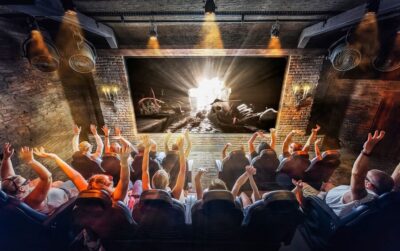

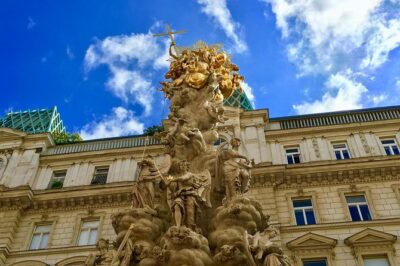
Vienna Historic Center Small Group Walking Tour
Read our review →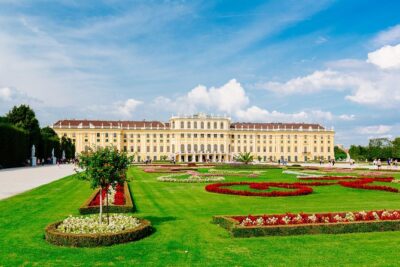
Skip-the-Line Schonbrunn Palace Guided Tour and Vienna Historical City Tour
Read our review →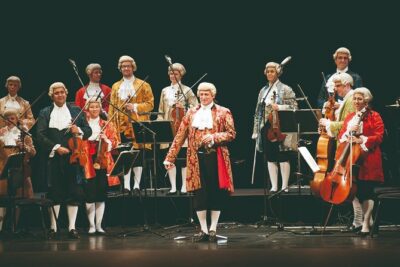
Vienna Mozart Concert in Historical Costumes at the Musikverein
Read our review →
Browse the lists this tour appears in