Reviewed · TOURS IN VIENNA
Vienna: ‘Armenia In The Heart Of Austria’ Tour
Vienna’s Mekhitarist Monastery offers something most city tours miss: a close look at Armenian culture in the heart of Austria. In two hours, you move from Maria Schutz Church to a remarkable library and museum, then finish with Mechitharine liqueur.
I especially like the personal welcome from Father Vahan and the chance to see treasures rarely covered on standard Vienna itineraries. I also like the small group size, limited to 10 people, which gives you room to ask questions. The main consideration is that the experience is quite specialized, so visitors mainly seeking grand imperial Vienna may prefer a broader city tour.
Key points
- Maria Schutz Church: See the 1874 church interior, including altar works tied to Armenian devotion and Austrian architecture.
- Mekhitarist Library: View a collection with more than 2,800 Armenian manuscripts and over 170,000 Armenian publications.
- Art and museum pieces: Look for three paintings by the Armenian artist Aivazovsky, along with coins, ceramics, carpets, and other objects.
- Historic chapel and refectory: Visit the Loretto-Chapel and see the monumental painting The Feeding of the Five Thousand.
- Mechitharine tasting: End with a sample of the monastery’s distinctive liqueur and an explanation of its history.
- Small-group format: With no more than 10 participants, the tour suits curious visitors who want time for questions.
Why this small Armenian corner matters in Vienna
Vienna is often presented through palaces, concert halls, coffeehouses, and imperial avenues. This tour gives you another view of the city, centered on the Mekhitarist Congregation and its Armenian religious and cultural work.
The congregation’s presence in Vienna reaches back to earlier centuries, and the tour begins with that story. A learned monk introduces the congregation and explains how this community preserved Armenian language, faith, books, art, and scholarship far from Armenia.
That setting gives the visit more purpose than a quick church stop. You are not simply looking at old objects. You are seeing how a small religious community built a place for worship, study, publishing, collecting, and hospitality.
I would choose this experience if you want to add something personal and less familiar to a Vienna itinerary. It is also a strong choice if you have Armenian family ties or an interest in Christian traditions, manuscript culture, and the connections between Central Europe and the Caucasus.
More days out of Vienna:
- Vienna: Vivaldi’s Four Seasons Concert in Karlskirche
★ 4.7 · 14,951 reviews - Vienna: Spanish Riding School Training
★ 3.9 · 9,281 reviews - Vienna: Skip-the-cashier-desk-line Giant Ferris Wheel Ride
★ 4.5 · 7,859 reviews
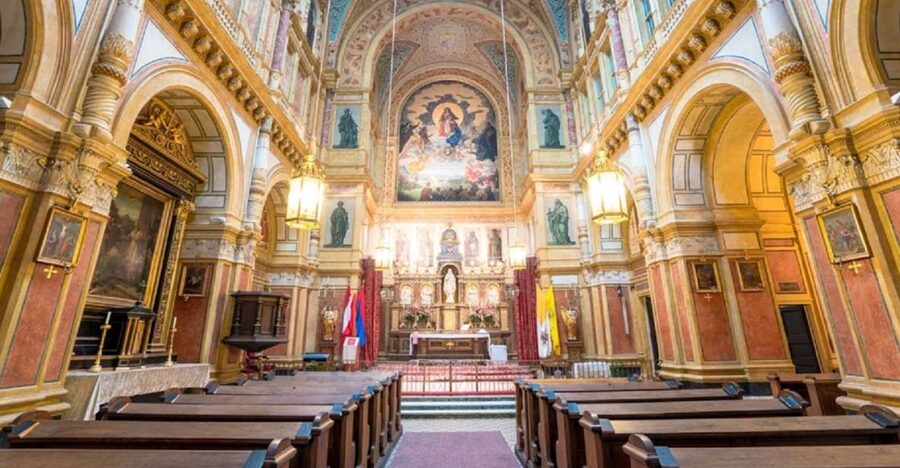
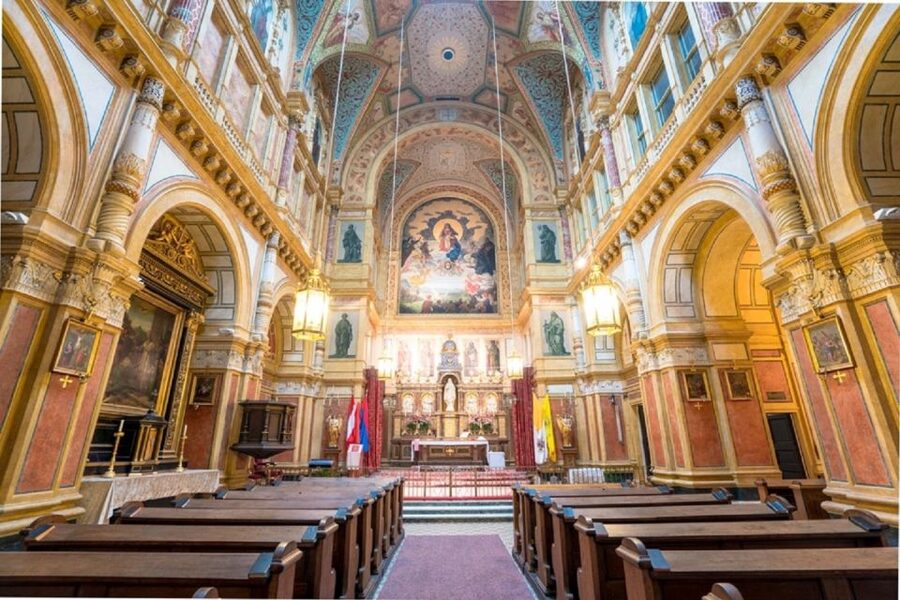
Entering Maria Schutz Church, built in 1874
The tour begins at the main entrance of the Mekhitarist Monastery, where you meet your guide. The first major stop is Maria Schutz Church, built in 1874 in place of an older Capuchin church.
The church interior provides the visual opening to the visit. Your guide explains its religious art and the Armenian links behind it, helping you understand details that could easily pass unnoticed if you entered alone.
One important altar painting shows Saint Mary protecting Armenia. Camillo Sitte painted the work, and it connects the church’s Austrian setting with Armenian devotion. The subject is especially meaningful here because the monastery served as a home for Armenian religious and cultural life.
Another notable altar piece is dedicated to Saint Gregory the Illuminator. The design is associated with Theophil von Hansen, the architect of the Austrian Houses of Parliament in Vienna. That connection gives the church a useful architectural link to the city you are already exploring.
You should allow yourself time to look upward and across the interior rather than treating the church as a passageway. The tour is guided, so the value comes from hearing why particular paintings and designs matter.
The Loretto-Chapel and a picture rescued from 1683
From the church, the route continues to the Loretto-Chapel. Its focal point is the Baroque image Mary with the Rose.
The painting has a dramatic story. It survived the Turkish siege of Vienna in 1683 intact, a detail that adds weight to what might otherwise seem like a small devotional image. Your guide places the picture within the monastery’s wider story of preservation and survival.
This part of the visit is quieter than the main church, and that change in scale is welcome. You get a chance to focus on one object rather than taking in a whole room of paintings and furnishings at once.
The chapel may appeal most to people who enjoy religious art and the stories attached to it. If you prefer only major architectural sights, this stop may feel more specialized. I found its value comes from the explanation around the painting, not from size or spectacle.
The refectory and The Feeding of the Five Thousand
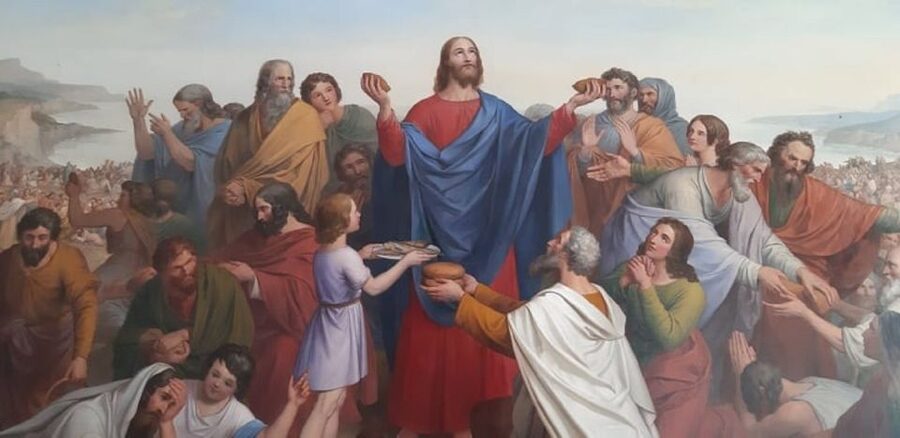
The tour then passes through the refectory, the monastery dining room. Its most striking feature is a monumental painting by Ludwig Ferdinand Schnorr von Carolsfeld, The Feeding of the Five Thousand.
A refectory is a working part of monastic life, so this stop adds a practical sense of how the community functioned. The painting also changes the mood of the itinerary. After the church and chapel, you see a large-scale biblical scene in a room designed for communal meals.
The size of the painting matters. It gives the refectory a strong visual focus, and your guide can explain how art, worship, and daily life met within the monastery.
This is one reason the tour works best with a guide who can provide context. On your own, you might see a large religious canvas and move on. Here, you learn why it is in that room and how it fits the building’s purpose.
A different kind of evening in Vienna:
- Vienna: Schönbrunn Palace & Gardens Skip-the-Line Tour
★ 4.7 · 7,739 reviews - Vienna: Light of Creation Votive Church Immersive Light Show
★ 4.8 · 6,779 reviews - Vienna Spanish Riding School Guided Tour
★ 4.7 · 6,765 reviews - Vienna: Classical Concert in the World-Famous Musikverein
★ 4.6 · 6,673 reviews
A library with more than 2,800 Armenian manuscripts
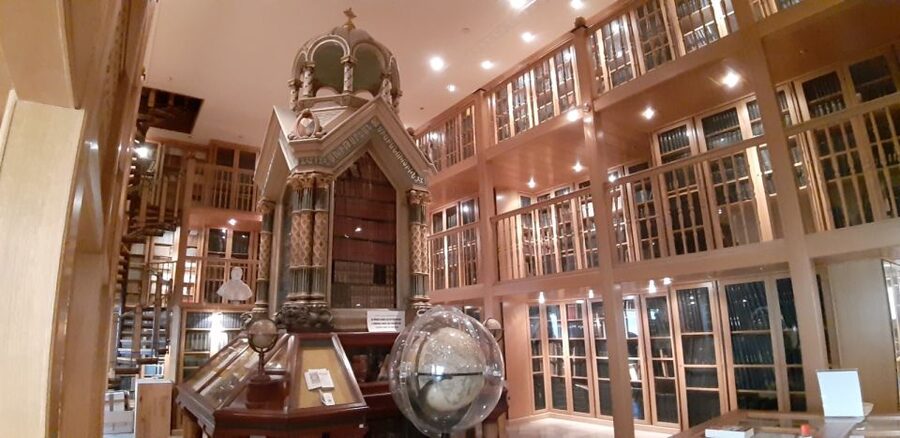
The Mekhitarist Library is the intellectual center of the visit. Its collection includes more than 2,800 Armenian manuscripts and over 170,000 volumes of ancient and modern Armenian publications.
Those numbers are impressive, but the real value is what they reveal about the Mekhitarists. A religious community maintained a major store of Armenian writing in Vienna, preserving texts and making them part of a broader European setting.
The library also holds the largest collection of Armenian newspapers and magazines in the Western world. That makes the collection useful not only for religious study, but also for language, journalism, cultural memory, and Armenian life across different periods.
You should not expect a general book museum where every item is displayed for casual browsing. This is a focused collection, and the guide’s explanations are central. If you do not read Armenian, you will still gain a sense of scale and purpose, but the experience will be most rewarding when you ask questions about the manuscripts, publications, and the work of preserving them.
For me, this is the tour’s strongest section. The library makes the visit feel like a meeting with a living tradition rather than a simple look at decorative interiors.
The museum’s coins, ceramics, carpets, and paintings
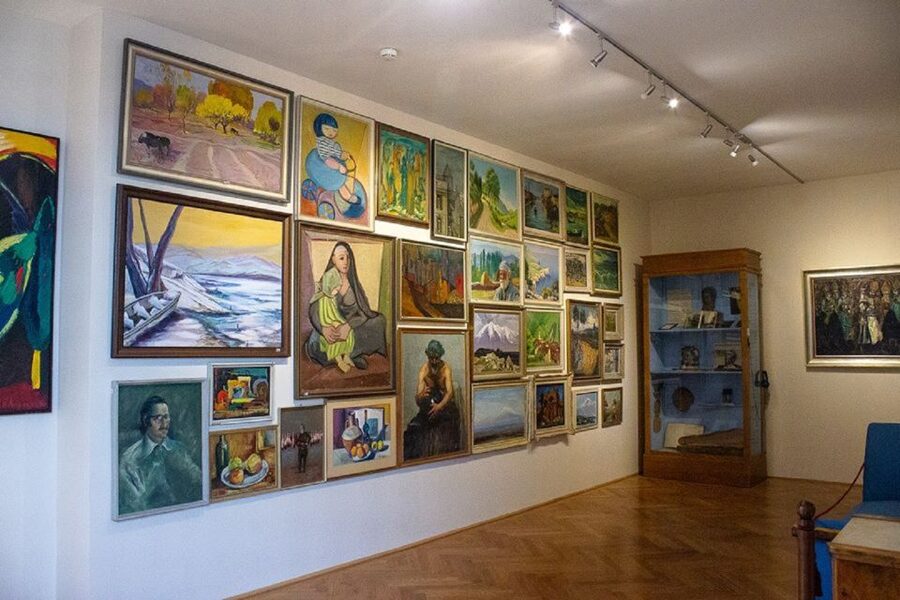
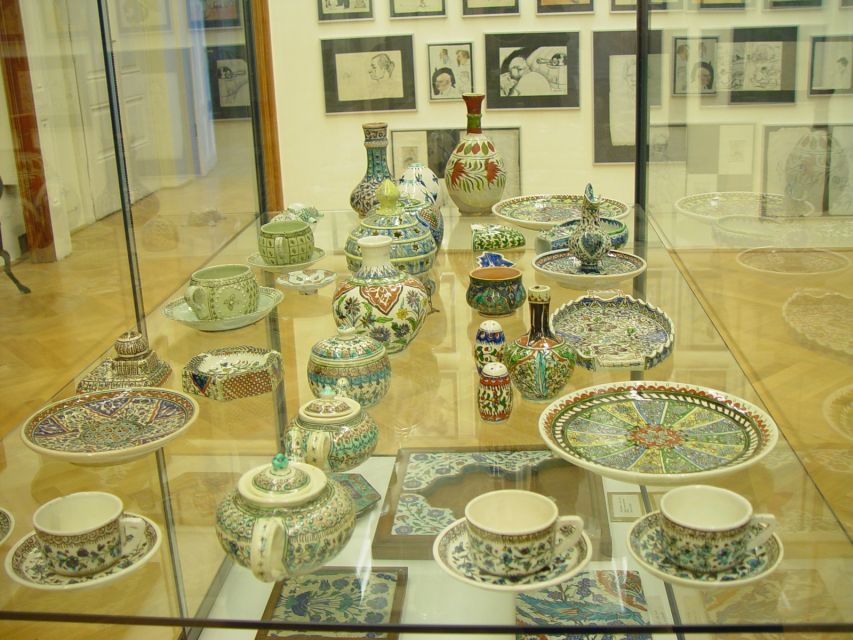
The monastery museum broadens the visit beyond books. Its collections include Armenian coins, ceramics, carpets, and other objects, mainly of Armenian production.
The numismatic collection is particularly large, with around 10,000 Armenian coins and 20,000 coins from other countries. You do not need to be a coin collector to appreciate what this shows. Money carries language, symbols, rulers, trade connections, and changing ideas of national identity.
The museum also contains paintings by Armenian artists, including three works by Ivan Aivazovsky. Aivazovsky is known for his seascapes, and his presence gives the art collection a clear point of interest even for visitors who do not know much about Armenian painting.
The variety is useful. You move from manuscripts to coins, then to decorative objects and paintings. That range helps explain Armenian culture through more than one lens.
At the same time, this is not a huge public museum with a full day of galleries. The collection is part of a monastery visit, and the displays are best understood with the guide’s commentary. I would not book this tour solely for Aivazovsky, since the exact works on view and the amount of time available are not specified. Think of the paintings as one rewarding part of a larger collection.
Father Vahan and the value of a personal guide
Father Vahan has guided visitors through this experience, and the tour description identifies the guide as a learned monk. That matters because the visit combines religious practice, Armenian culture, Austrian history, art, and library collections.
A monk can explain the monastery from inside its own tradition, rather than presenting it as a detached museum. That does not mean the tour is only for religious visitors. The content also suits anyone interested in books, art, migration, cultural survival, or Vienna’s less familiar institutions.
The available language choices are Armenian, English, and German. If you need a particular language, check the available departure before booking. The small group limit of 10 is another practical advantage. You can hear the guide more easily and ask about a painting, manuscript, or object without holding up a large crowd.
The personal tone is part of the experience. A German-Armenian couple described feeling welcomed and learning about both Armenian history and Armenian life in Vienna. That kind of warmth may appeal to you, but it also means this is not a fast, impersonal sightseeing circuit.
Finishing with Mechitharine liqueur
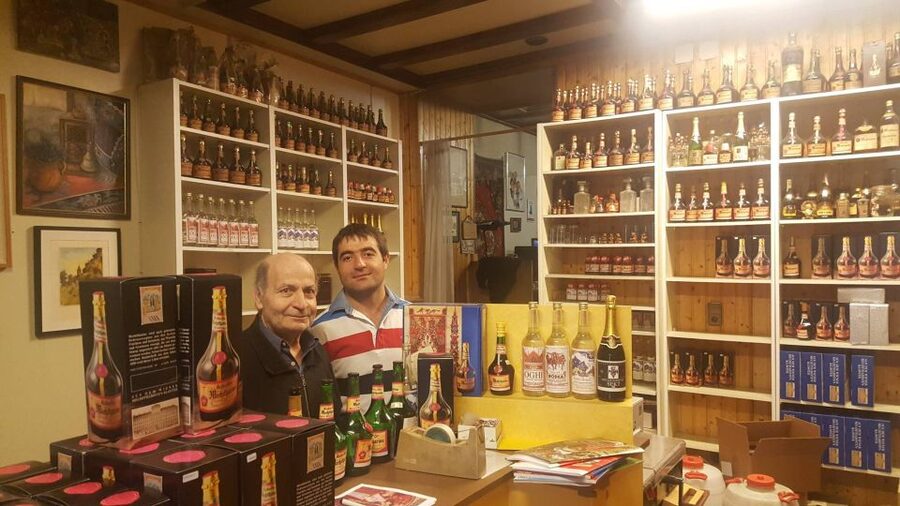
The tour ends with a tasting of Mechitharine liqueur. The guide explains its distinctive taste, history, families, and business before you sample it.
This is a good ending because it shifts the experience from visual objects to something you can taste. It also gives you one more way to understand the monastery’s identity. The liqueur is not presented as a random drink added to a tour. It has a history connected to the community and its work.
I would treat the tasting as a small cultural finale, not as a bar visit. The experience includes the liqueur tasting, but the information provided does not specify the amount served or whether bottles are available for purchase. If you do not drink alcohol, keep in mind that the tasting is part of the stated program.
Is $84 a fair price for two hours?
At $84 per person, this is not the cheapest two-hour activity in Vienna. The value depends on what you want from your sightseeing.
You are paying for entrance fees, a live guide, a small group capped at 10, access to a monastery church, library, museum, and a liqueur tasting. You also receive interpretation that would be difficult to reproduce on your own, especially in the library and museum.
The price makes more sense if you care about Armenian culture, religious art, rare books, or unusual Vienna experiences. It is less compelling if you want maximum sightseeing volume. In two hours, you will visit several rooms and collections, but you will not cover a long list of famous Viennese landmarks.
I see this as a specialist experience with a fair value for the right audience. It replaces a generic attraction with access to a focused collection and a guide who can explain its meaning.
Timing, group size, and who should book
The tour lasts two hours, and starting times depend on availability. Since the route includes a church, chapel, refectory, library, museum, and tasting, the time is well structured rather than leisurely.
I would book it early in your Vienna stay if Armenian culture is a major interest. If it is an optional extra, place it on a day when you want a quieter indoor activity and have time to listen.
This tour suits:
- People interested in Armenian history and culture
- Visitors who enjoy religious art and historic churches
- Book lovers and anyone curious about manuscripts
- Art enthusiasts interested in Aivazovsky and Austrian artists
- Visitors who prefer small groups and direct conversation
- Couples or families looking for something outside Vienna’s usual highlights
It may not suit you if you want an active walking tour, a broad introduction to Vienna, or a long museum visit with lots of independent browsing. The experience is concentrated and guided.
Free cancellation is available up to 24 hours before the tour for a full refund, and you can reserve now and pay later. These terms are useful if your Vienna plans are still changing.
Should you book the Armenia in the Heart of Austria tour?
Book it if you want to see a side of Vienna that most first-time itineraries leave out. The church art, the enormous Armenian library, the museum objects, and the Mechitharine tasting create a varied two-hour visit.
I would be especially quick to recommend it to anyone with Armenian family connections or an interest in how a small community preserved its culture abroad. Father Vahan’s personal welcome, when he is your guide, can make the experience feel more like an introduction to a community than a standard paid attraction.
Skip it if your schedule is tight and you only want Vienna’s headline sights. For everyone else, the $84 price is justified by the unusual access, small group, and depth of explanation. You leave with more than photographs of a church. You gain a clearer sense of how Armenian faith, books, art, and hospitality have found a home in Vienna.
FAQ
Where does the tour begin?
You meet in front of the main entrance of the Mekhitarist Monastery in Vienna.
How long does the tour last?
The tour lasts two hours.
What languages are available?
The tour is available in Armenian, English, and German.
How large is the group?
The group is limited to 10 participants.
Is a guide included?
Yes. Guide service is included, with a live guide leading the visit.
What church will I visit?
You will visit Maria Schutz Church, built in 1874 to replace an older Capuchin church.
What can I see in the library?
The library contains more than 2,800 Armenian manuscripts and over 170,000 volumes of ancient and modern Armenian publications. It also has a large collection of Armenian newspapers and magazines.
Is a liqueur tasting included?
Yes. The tour ends with a Mechitharine liqueur tasting and an explanation of its history, taste, families, and business.
Can I cancel the booking?
You can cancel up to 24 hours in advance for a full refund. You can also reserve now and pay later.
Just added in Vienna
- World War II History Vienna Old Town Private Walking Tour★ 4.8 · 9 reviews
- Vienna: Wiener Schnitzel and Strudel Cooking Class★ 4.9 · 126 reviews
- Vienna: Wine Tasting Tour★ 4.8 · 61 reviews
- Vienna: Winery and Wine Tasting Tour with a Wine Expert★ 5.0 · 5 reviews
- Vienna: Wine Tasting E-Bike Tour★ 4.9 · 46 reviews
- Vienna: Wine Tasting at Schönbrunn Palace★ 4.3 · 71 reviews
- Vienna: Unforgettable Private City Tour★ 5.0 · 7 reviews
- Vienna Urban Art Tour: Explore a different side of Vienna!★ 3.8 · 14 reviews
Tours in Vienna, compared.
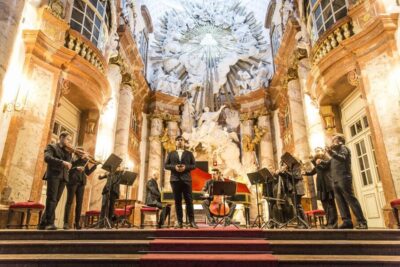
Vivaldi’s Four Seasons Concert in Karlskirche
Read our review →
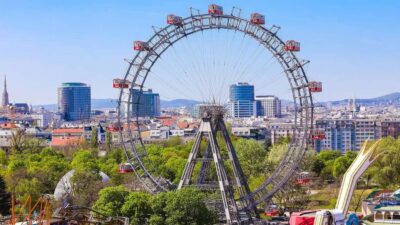
Skip-the-cashier-desk-line Giant Ferris Wheel Ride
Read our review →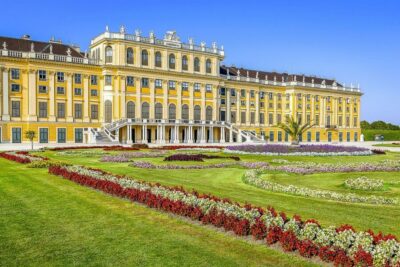
Schönbrunn Palace & Gardens Skip-the-Line Tour
Read our review →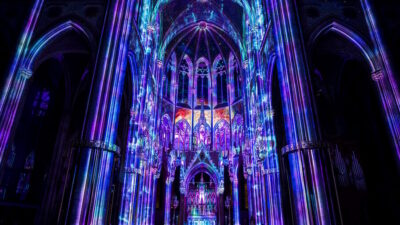
Light of Creation Votive Church Immersive Light Show
Read our review →
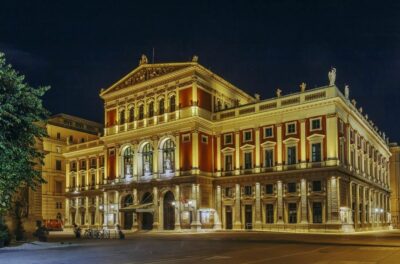
Classical Concert in the World-Famous Musikverein
Read our review →