
Reviewed · TOURS IN VIENNA
Vienna: Culinary Experience at Restaurant Stefanie
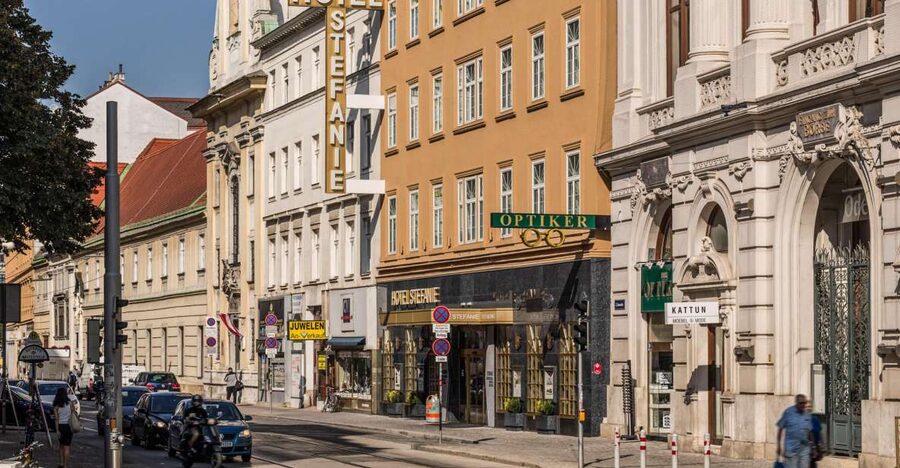
Vienna’s culinary story arrives at your table in seven generous tastes at Restaurant Stefanie, inside the city’s oldest hotel. You’ll sample dishes linked to the former Austrian monarchy, including veal goulash, schnitzel, boiled beef, apple strudel, and shredded pancakes, with beer, wine, and coffee included.
I like the way this meal gives you a broad introduction to Austrian cooking without sending you from one restaurant to another. I also like the calm hotel setting, friendly English-speaking service, and the small booklet or gift offered at the end. The main catch is that this is not a guided food tour. Explanations about the dishes and their history can be brief, so come for the meal first and the culinary lesson second.
Key points at a glance
- Seven Austrian specialties: Taste savory classics and several desserts in one set meal.
- Historic setting: Restaurant Stefanie is inside Hotel Stefanie, described as Vienna’s oldest hotel.
- Three drinks included: Your meal comes with beer, wine, and coffee. Extra drinks cost more.
- Generous portions: This is a tasting menu in name, but many diners find it substantial enough for a full dinner.
- Useful cultural context: The meal introduces links between food and Imperial Vienna, with a booklet available to take home.
- Easy central meeting point: The restaurant is at Taborstrasse 12 in Vienna’s 2nd district and is wheelchair accessible.
A taste of Imperial Vienna in seven parts
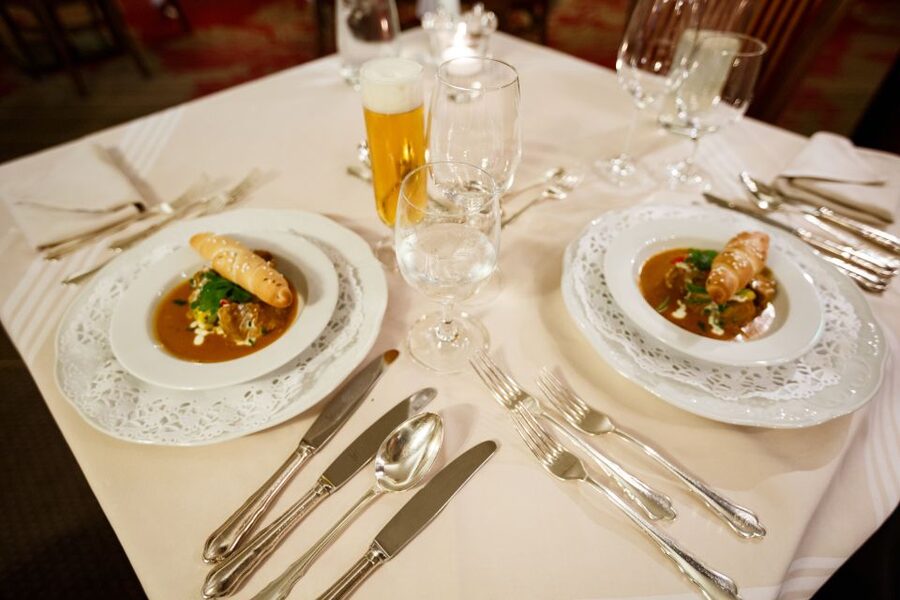
The meal is designed as a culinary trip through the former crown lands of the Austrian monarchy. That sounds grand, but the food itself is familiar, hearty, and practical: soup, beef, potatoes, pastry, fruit, and sauces with enough character to keep each course distinct.
You are not simply served one large Viennese schnitzel and sent on your way. Instead, you get smaller portions of several traditional dishes. The exact pacing may feel more like a five-course meal than seven separate plates, since some courses combine several specialties. Either way, you should arrive hungry.
The format works well if you are visiting Vienna for a short stay and want a single evening devoted to local food. It also suits you if Austrian dishes are new to you and you would rather sample several at once than guess your way through a menu.
More to book in Vienna
- Vienna: 3-Course Evening Dinner Cruise
★ 3.9 · 1,655 reviews - Exclusive Evening at Schönbrunn Palace: After-Hours Audiotour, Dinner, Concert
★ 4.0 · 930 reviews - Vienna: Schönbrunn Palace Evening Tour, Dinner and Concert
★ 4.3 · 755 reviews
Starting with goulash, soup, and old Vienna flavors
The savory portion begins with veal goulash and pretzel sticks. Goulash is strongly associated with Hungary, which makes it a good opening for the meal’s larger question: how much of what we call Viennese food came from elsewhere in the old monarchy?
You may also be asked to consider whether Hungarian goulash actually originated in Vienna. The answer is less important here than the shared culinary history. Vienna’s cooking developed through contact with the many lands once ruled by the Habsburgs, and goulash is a tasty example of that exchange.
Next comes beef soup with sliced pancakes and Kaiserschöberl, an unsweetened sponge cake. The sliced pancakes, known as Frittaten in Austrian cooking, are thin strips served in broth. They add a soft, almost noodle-like texture. The Kaiserschöberl gives the soup a different bite and makes the course more than a standard clear broth.
This is the sort of food detail I appreciate because it shows how Austrian cooking can be both plain and carefully constructed. Nothing depends on fiery spice or theatrical presentation. The interest comes from texture, stock, pastry, and the use of familiar ingredients in a particular way.
Schnitzel and the Radetzky connection
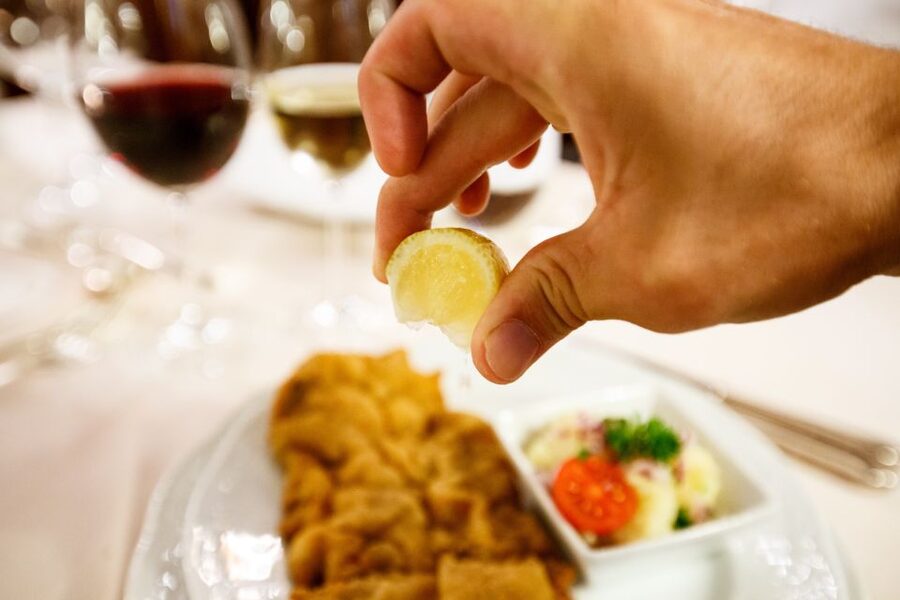
The Viennese schnitzel is the meal’s best-known dish. It is served with potato salad, a classic pairing that cuts through the richness of the breaded veal.
The culinary story here links Viennese schnitzel with Field Marshal Radetzky. The meal raises the question of how the dish became part of Vienna’s identity and how much of its story is fact, legend, or later retelling. If you enjoy food with a side of history, this is one of the more interesting points in the evening.
Do not expect a giant restaurant schnitzel that covers the whole plate. The portions are set for tasting, but the total amount of food is generous. You can focus on the crisp coating, tender meat, and cool potato salad without having to commit your entire dinner to one dish.
The schnitzel is also a useful test of what you want from this experience. If you already know Vienna’s classic foods well, the dish itself may not surprise you. The value comes from tasting it alongside the other specialties and hearing, when available, how it fits into the city’s food traditions.
Boiled beef with two contrasting sauces
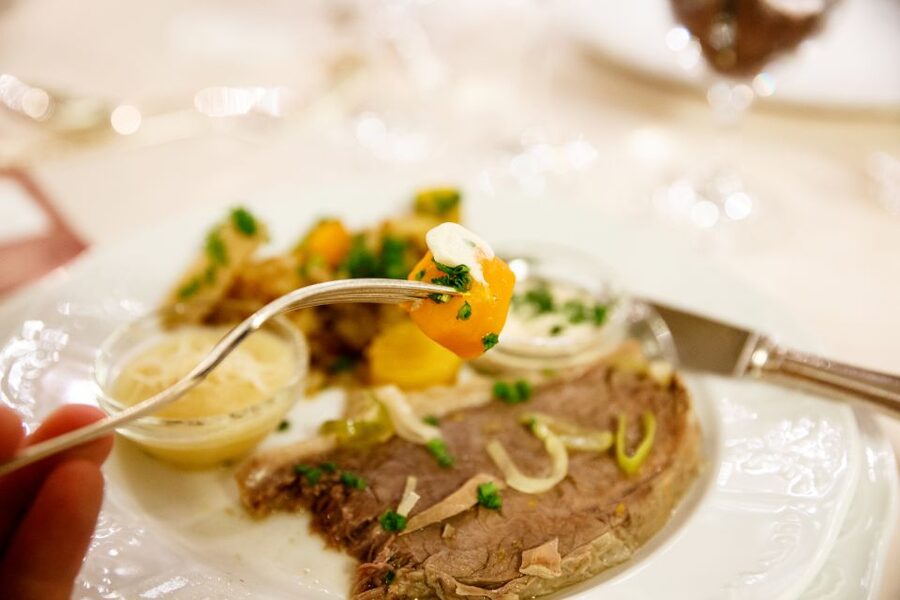
The boiled filet of beef is served with chive sauce and apple horseradish sauce. This course gives the meal a different feel from the schnitzel. Instead of crisp breading, you get tender beef with sauces that move between creamy, fresh, sweet, and sharp.
The chive sauce is a particular highlight for many diners, and I can see why. It is a classic Austrian combination that makes a relatively simple preparation feel complete. The apple horseradish brings a sweet heat that keeps the beef from becoming heavy.
The presentation can include vegetables and potato-based accompaniments. One earlier menu description refers to small potato and bacon stacks, though you should not count on every detail appearing exactly the same way at every sitting.
The course also introduces another bit of culinary debate: is the top round really the best piece of beef? That question gives the meal a friendly, old-fashioned tone. You are not attending a formal lecture, but the food invites you to think about cuts, sauces, and what makes a dish traditional.
A different kind of evening in Vienna:
- Vienna: Vivaldi’s Four Seasons Concert in Karlskirche
★ 4.7 · 14,951 reviews - Vienna: Spanish Riding School Training
★ 3.9 · 9,281 reviews - Vienna: Skip-the-cashier-desk-line Giant Ferris Wheel Ride
★ 4.5 · 7,859 reviews - Vienna: Schönbrunn Palace & Gardens Skip-the-Line Tour
★ 4.7 · 7,739 reviews
Dessert is more than an afterthought
The dessert selection is one of the strongest parts of the meal. It can include plum jam turnovers, apple strudel, and shredded pancakes, known as Kaiserschmarren. Some descriptions also mention a small potato-based dessert, fruit, cream, and soft biscuit-like sweets.
Apple strudel needs little explanation, but tasting it in this setting gives you a chance to compare the Viennese version with the pastry you may have encountered elsewhere. The plum jam turnovers bring a concentrated fruit flavor, while the shredded pancake is softer, warmer, and more filling.
Kaiserschmarren has its own naming story. The meal asks where the dish got its name, adding a small piece of Imperial-era folklore to dessert. It is made from a thick pancake torn into pieces rather than served whole, usually with sweetness added after cooking.
You may want to pace yourself earlier. The dessert plate looks like a final tasting course, but after soup, schnitzel, beef, bread, and sides, it can be difficult to finish everything. Several diners find the overall menu too plentiful rather than too sparse. That is a pleasant problem, but it is still a problem if you prefer a light dinner.
The drinks included with your meal
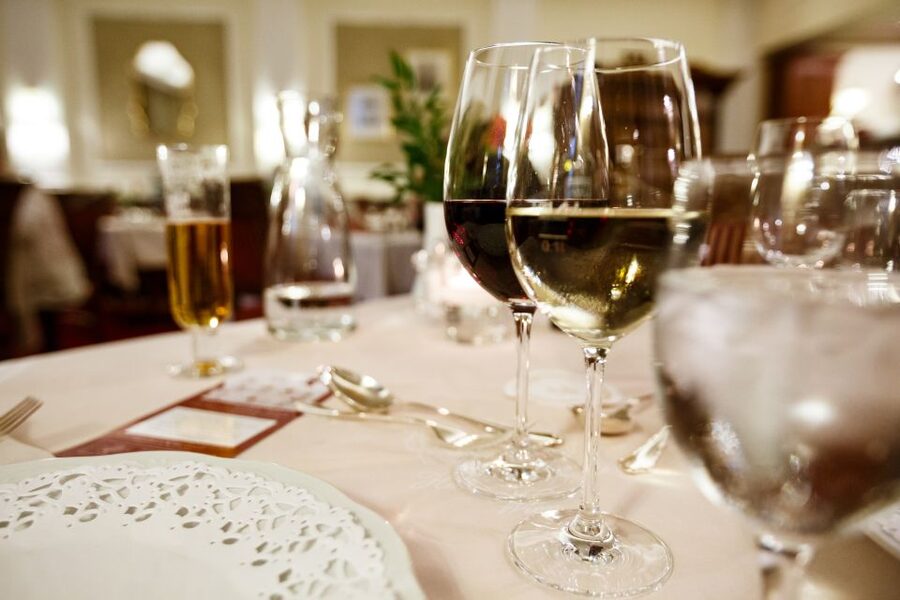
The stated package includes three drinks: beer, wine, and coffee. These are meant to accompany the meal rather than arrive as a separate bar experience.
A small beer works naturally with schnitzel and goulash. Wine gives you another pairing for the beef and sauces, and coffee fits the pastry course. The drinks help make the $88 price easier to assess, especially if you would otherwise order them separately.
The package does not include additional drinks or extras. Bottled water may cost extra, so ask about tap water if you do not want to add another charge. If you do not drink alcohol, substitutions with juice or soft drinks have been made for diners in the past, but it is sensible to confirm your options when you arrive rather than assume.
One useful detail is the pace. The meal is designed to last about two hours, though earlier versions of the experience have taken longer. You should not book it immediately before a concert, train, or other fixed appointment. A relaxed dinner is part of the appeal.
A hotel dining room, not a food crawl
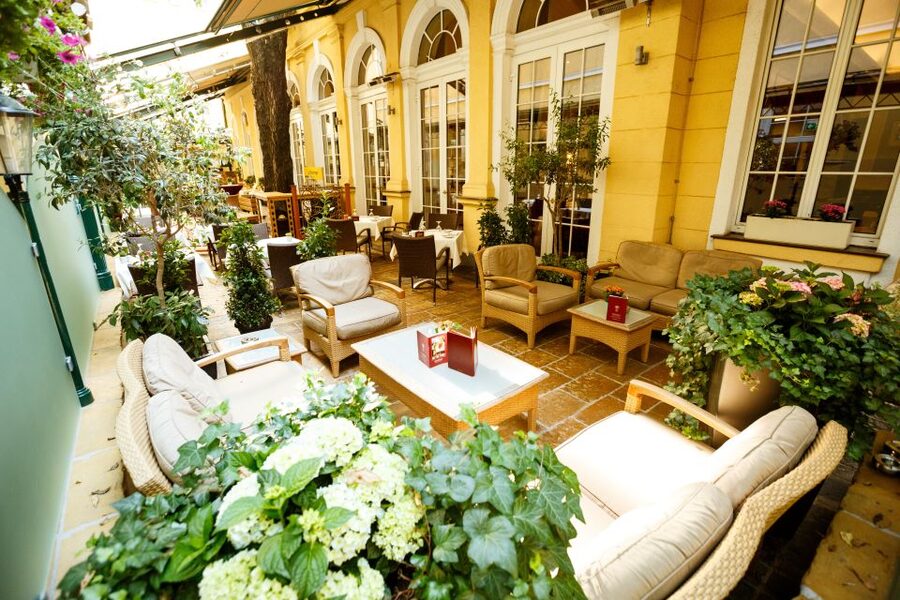
Hotel Stefanie gives the evening a formal setting. The restaurant is elegant and quiet, with service that is generally attentive and friendly. Staff members speak English, and the atmosphere works especially well for couples, solo diners, families celebrating a special evening, and older visitors who prefer a seated meal.
You receive a private table rather than moving through several venues. That makes the experience comfortable in poor weather and easier for anyone who does not want a long walking route. It also means you will not see market stalls, kitchens, or neighborhood shops. If you want the energy of a food market, this is not the right format.
The setting can feel more polished than casual. Some people enjoy the traditional hotel atmosphere; others may find it a little formal or less lively than a modern Viennese restaurant. One diner noted the lack of music, which may matter if you expect entertainment during dinner.
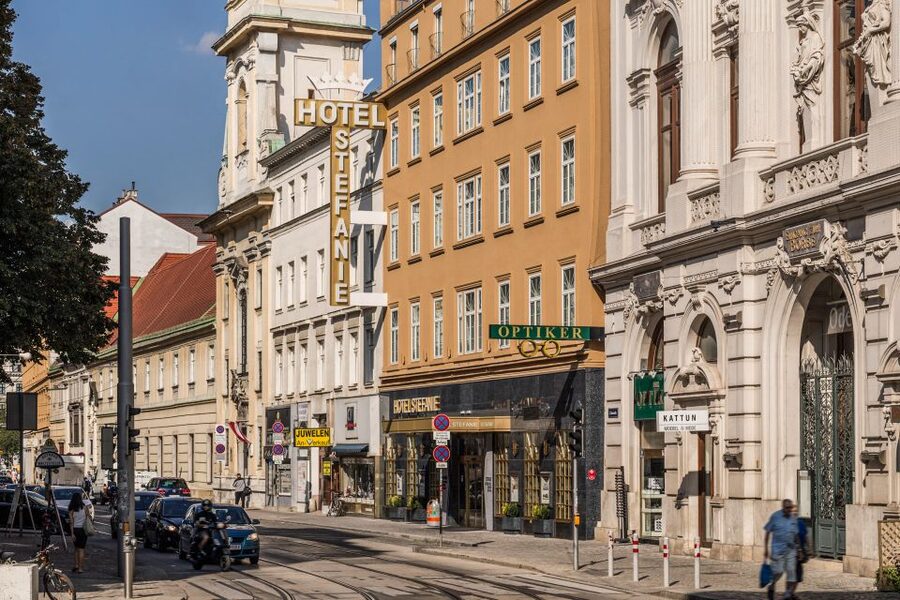
The location is Taborstrasse 12 in Vienna’s 2nd district. You should go to Restaurant Stefanie inside the hotel, not search for a separate food-tour meeting point. This detail matters because the experience is easy to misunderstand from its food-history theme. There is no walking guide leading you through Vienna.
How much explanation will you get?
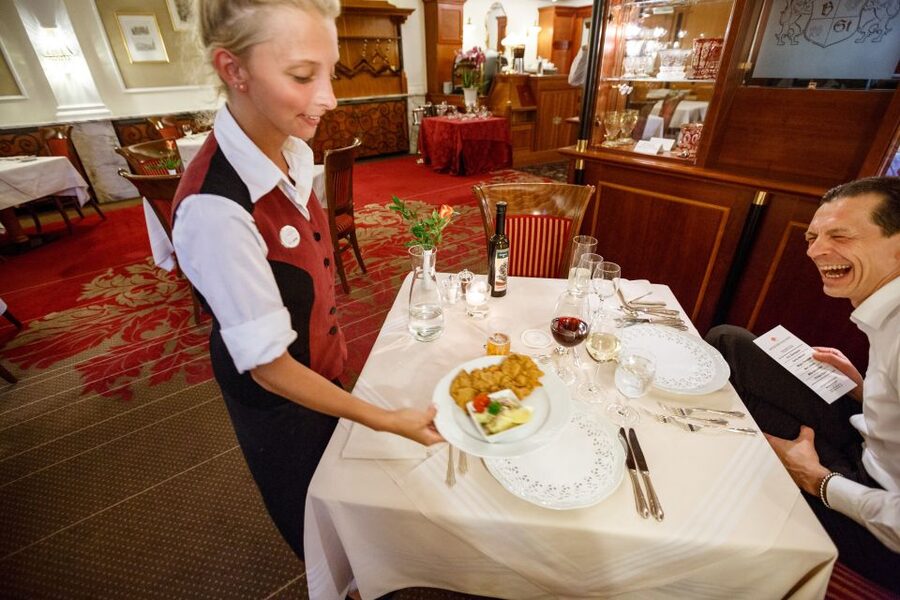
The amount of food information can vary. Some diners have had each course explained, including its history. Others have received little more than a basic description of what was on the plate.
You might hear about Radetzky and schnitzel, the connection between Hungarian goulash and Vienna, the origins of Kaiserschmarren, and the question of the best beef cut. But you should not book this expecting a full lecture or a named culinary guide.
The booklet provided at the end helps fill that gap. It gives you more detailed information about the origins and importance of the foods served, and it is a useful souvenir rather than a disposable menu. A small gift has also been offered, although it has not always reached every table.
My advice is to treat the written material as the history component and the meal as the main event. If your waiter explains each course, enjoy the extra context. If not, you will still get a solid sampling of Austrian dishes, but not a full food-history seminar.
Value at $88 per person
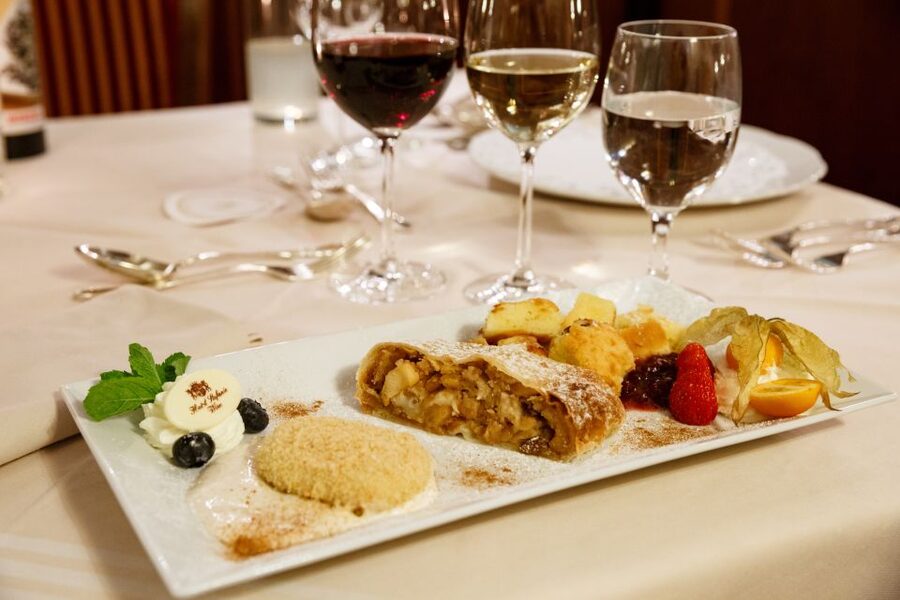
At $88, this is not a cheap meal. You are paying for a set culinary experience in a historic hotel, not just for individual plates of schnitzel and strudel.
The price includes seven specialties and three drinks, which changes the calculation. You would need to compare it with the cost of a multi-course dinner, beer, wine, coffee, and the convenience of trying several national dishes in one sitting. For a first visit to Vienna, that can be good value, especially if you would otherwise order several unfamiliar dishes separately.
The generous portions also matter. This is not a token tasting where you leave hungry and need another dinner afterward. In fact, you may struggle to finish the menu. Solo diners can enjoy the format, since they do not need to negotiate a large shared order with a group.
The value is weaker if you want a short, inexpensive lunch, a highly interactive guide, or the freedom to choose every dish. It is also less appealing if you do not drink and cannot use the included beer and wine, although substitutions may be possible.
Who should book this experience?
I would recommend it to first-time visitors who want a structured introduction to Austrian cooking. It is particularly useful on the first or second night in Vienna, when you are still learning the difference between the city’s most famous dishes.
It also suits solo diners. The polished setting and attentive service make it easier to enjoy a long meal alone, and the set menu removes the pressure of choosing from an unfamiliar list. Couples and families can use it as a special evening, especially around Christmas or another celebration.
Food-focused visitors who already know Vienna may find the dishes familiar, but the range still gives you a chance to compare several classics in one sitting. People with strict dietary restrictions should check before booking, since the menu is fixed and heavily centered on meat, soup, pastry, and dairy-based accompaniments.
The experience is wheelchair accessible, and assistance dogs are allowed, but other pets are not. Cancellation is free up to 24 hours in advance, and you can reserve now and pay later, useful if your Vienna schedule is still changing.
Should you book Restaurant Stefanie?
Book it if you want a comfortable, filling introduction to Austrian food with beer, wine, coffee, and a historic hotel setting. The food, service, atmosphere, and dessert selection are the strongest reasons to go.
Skip it if your priority is an active walking tour, a market setting, detailed commentary at every course, or a menu built around personal choice. For the best experience, arrive hungry, ask about water and nonalcoholic substitutions, and leave plenty of time for the full meal.
FAQ
Where does the culinary experience take place?
It takes place at Restaurant Stefanie inside Hotel Stefanie, at Taborstrasse 12, 1020 Vienna, Austria.
How long does the meal last?
The stated duration is two hours. Earlier dining experiences have sometimes lasted longer, so avoid scheduling a tight appointment afterward.
How many Austrian specialties are served?
The experience includes seven specialties. They are served across several courses, with the meal sometimes described as a five-course or tapas-style dinner.
What food is included?
The menu includes veal goulash with pretzel sticks, beef soup with sliced pancakes and Kaiserschöberl, Viennese schnitzel with potato salad, boiled filet of beef with chive sauce and apple horseradish sauce, plum jam turnovers, apple strudel, and shredded pancakes.
Which drinks are included?
Three drinks are included: beer, wine, and coffee. Additional drinks and extras are not included.
Is this a guided food tour?
No. You dine at the restaurant rather than walking around Vienna with a guide. Course explanations may be provided, and a booklet with more information about the dishes may be given at the end.
Is the experience wheelchair accessible?
Yes, the activity is wheelchair accessible. Pets are not allowed, but assistance dogs are permitted.
Just added in Vienna
- 3 hour private tour in Vienna by private car★ 4.4 · 6 reviews
- Private Christmas Markets Walking Tour Vienna★ 5.0 · 31 reviews
- Christmas Markets & Shopping in Vienna★ 5.0 · 17 reviews
- Christmas Market Vienna Tour★ 4.0 · 53 reviews
- Vienna: Christmas Markets Tour★ 4.3 · 99 reviews
- Vienna: A Little Night Music – Concert at Capuchin Church★ 4.8 · 145 reviews
- Vienna: Naschmarkt Guided Food Tour★ 4.4 · 140 reviews
- From Vienna: Prague Small-Group Guided Day Tour★ 4.7 · 141 reviews
Tours in Vienna, compared.
Vivaldi’s Four Seasons Concert in Karlskirche
Read our review →
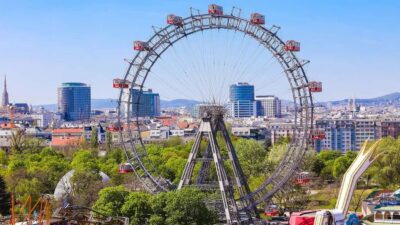
Skip-the-cashier-desk-line Giant Ferris Wheel Ride
Read our review →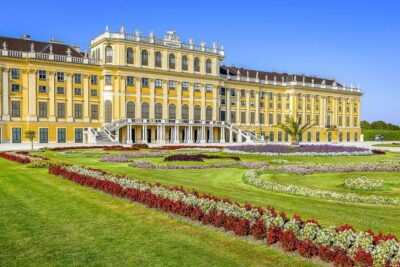
Schönbrunn Palace & Gardens Skip-the-Line Tour
Read our review →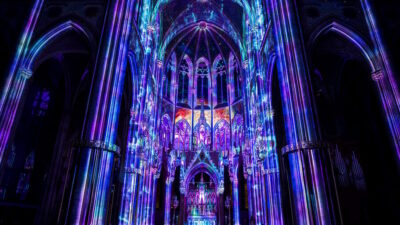
Light of Creation Votive Church Immersive Light Show
Read our review →
Classical Concert in the World-Famous Musikverein
Read our review →
Skip-the-Line Sisi Museum, Hofburg and Gardens Tour
Read our review →Browse the lists this tour appears in