
Reviewed · WACHAU VALLEY & DANUBE CRUISES
Vienna: 3.5-Hour Grand Danube River Cruise
Vienna’s grand Danube cruise is really three city tours in one: green Vienna around the Prater, modern Vienna along the Danube plateau, and historic central Vienna from the canal. The ship gives you a calm seat for seeing parts of the city that are spread out and awkward to connect on foot.
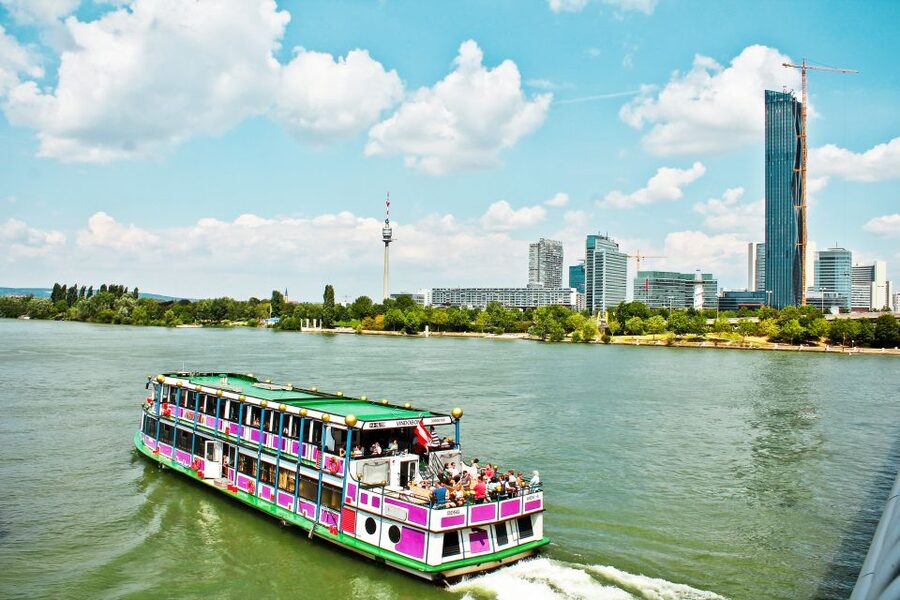
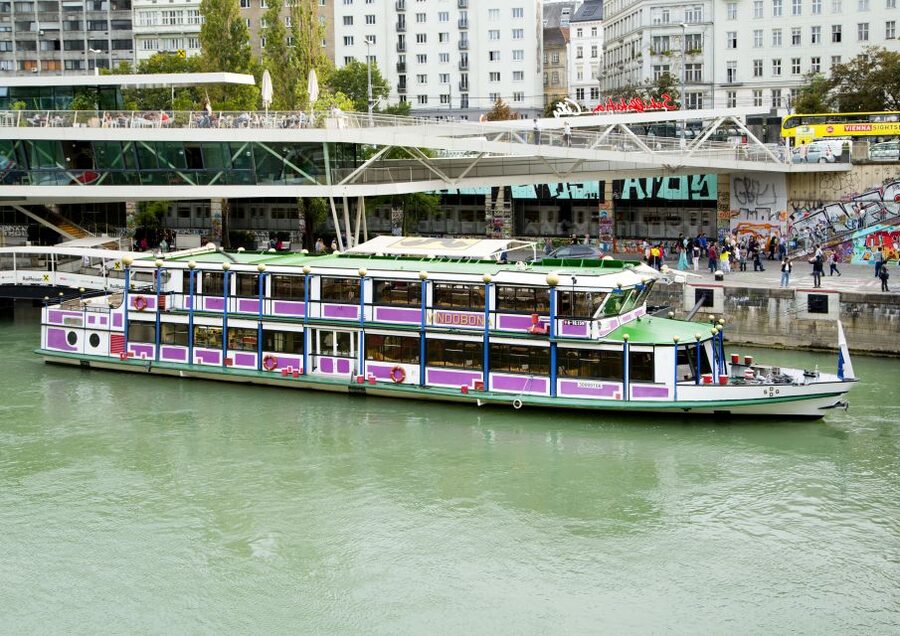
I like the relaxed pace and the chance to pass through two lock systems, a mechanical show that many city tours skip. I also like the choice of ships, especially the Hundertwasser-designed MS Vindobona, whose colorful exterior is an attraction in its own right. The drawback is clear: parts of the route offer ordinary urban views, and commentary can be sparse, especially if you sit outside.
Key points to know before boarding
- Three views of Vienna: The route links green Prater scenery, modern Danube architecture, and the historic Danube Canal.
- A 3.5-hour outing: This is a substantial half-day activity, not a quick sightseeing loop.
- Two lock systems: Passing through the locks is one of the cruise’s most unusual and memorable parts.
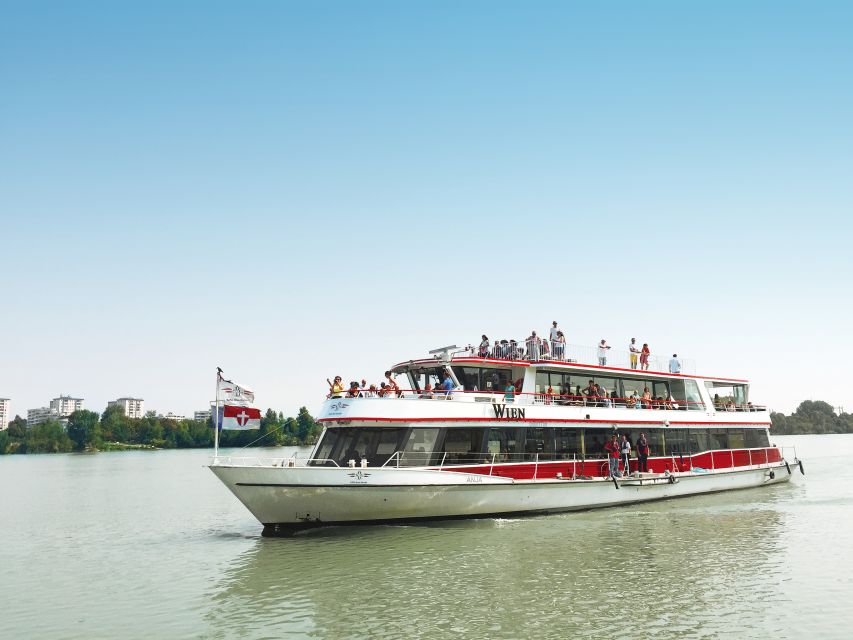
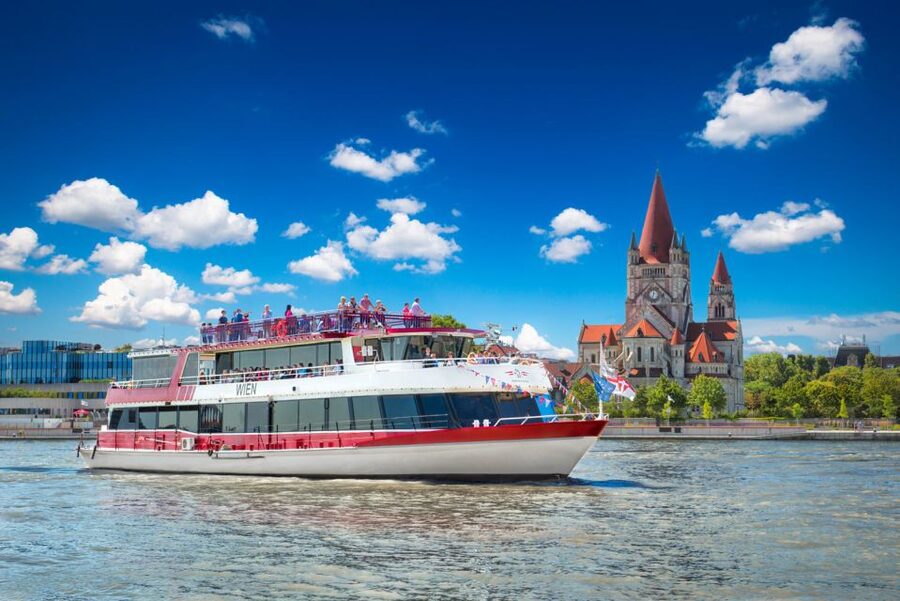
- Two distinctive ships: You may sail on the MS Wien or the Hundertwasser-designed MS Vindobona.
- Food is available onboard: The cruise price covers the boat trip only, while Viennese food and drinks can be purchased onboard.
- Easy central departure: You board at the DDSG Blue Danube ticket office at Schiffstation Wien / City near Schwedenplatz and return there.
What the Grand Danube Tour actually shows you
This cruise works best when you understand its scale. You are not sailing through the most famous central sights of Vienna, such as Schönbrunn Palace or St. Stephen’s Cathedral. Instead, you are seeing the city from its working waterways and outer districts, with a mixture of trees, infrastructure, apartment towers, river facilities, and canal-side buildings.
That change of angle is the point. From a ship, Vienna feels less like a collection of palaces and more like a living city shaped by the Danube. You see how the river connects recreation areas, modern development, transport routes, and the historic center.
The cruise begins and ends at Schwedenplatz, a handy location in central Vienna. That makes it easy to fit the boat into a day of sightseeing, although the 3.5-hour duration means you should treat it as a main activity rather than something to squeeze between two short museum visits.
Other days on the Danube from Vienna:
- Vienna: Skip-the-Line Entrance Ticket to the Danube Tower
★ 4.5 · 2,303 reviews - Danube Valley Day Trip from Vienna
★ 4.0 · 1,576 reviews - Vienna: Wachau Valley, Melk Abbey Tour with Danube Boat Trip
★ 4.5 · 1,413 reviews
Schwedenplatz, Urania, and the start of the ride
After boarding, the ship passes the Urania observatory. This early stretch gives you a quick change from central Vienna to the river environment. The Urania building also helps you get your bearings, since the cruise starts close to the center but soon moves into areas that feel less tourist-oriented.
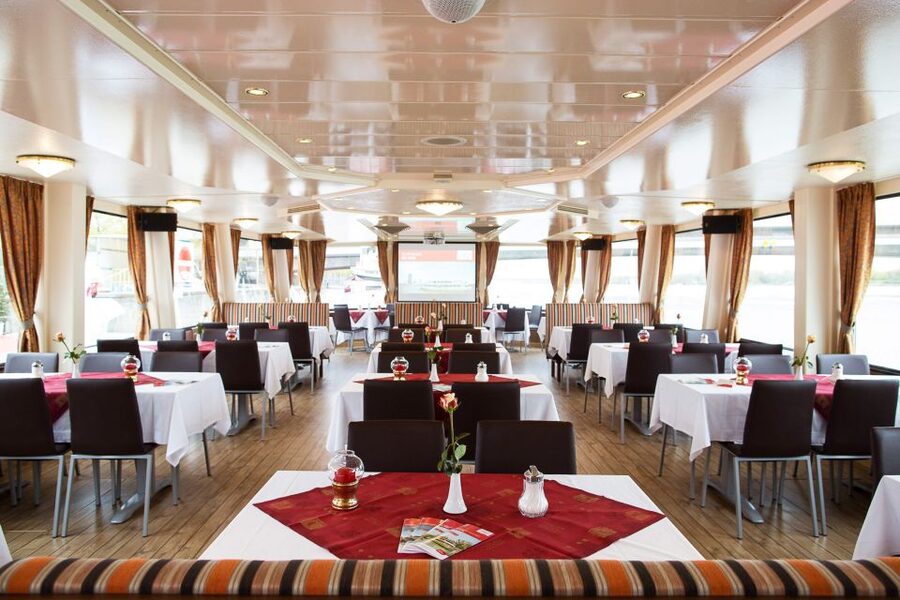
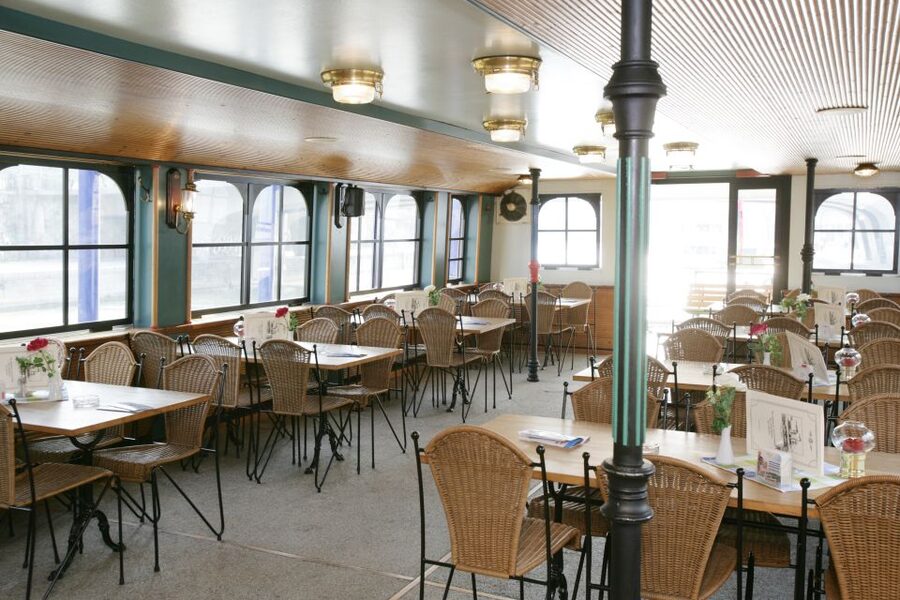
The boats have indoor seating, restaurant areas, and places where you can step out for photographs. On a warm, sunny day, an outdoor seat gives you the best sense of movement and fresh air. On a cool or rainy day, the heated interior can make the cruise far more comfortable.
The ship is large enough to let you move around and find different viewing angles. That matters because the best side of the boat can change as the route bends, and a fixed seat may leave you looking at a riverbank rather than the main view.
Green Vienna through the Prater area
The first major character of the trip is the green Vienna route. The boat heads toward the Prater area and its woods, showing a softer side of the capital. This is a useful contrast to Vienna’s grand center, where your attention is usually pulled toward imperial buildings, museums, and formal streets.
The Prater is often associated with its amusement park, but the wider area also has extensive greenery. From the water, you see the city’s recreational side and the broad open spaces around the river. It is a pleasant section for simply sitting back, particularly if you have already spent several days walking paved streets.
Do not expect a constant parade of famous monuments here. The appeal is the change of pace and the view of Vienna as a city with room to breathe. If you want nonstop sightseeing commentary, this part may feel quiet. If you want an easy afternoon with trees, water, and fewer crowds, it is a strong section of the route.
The Freudenau lock and Marina Wien
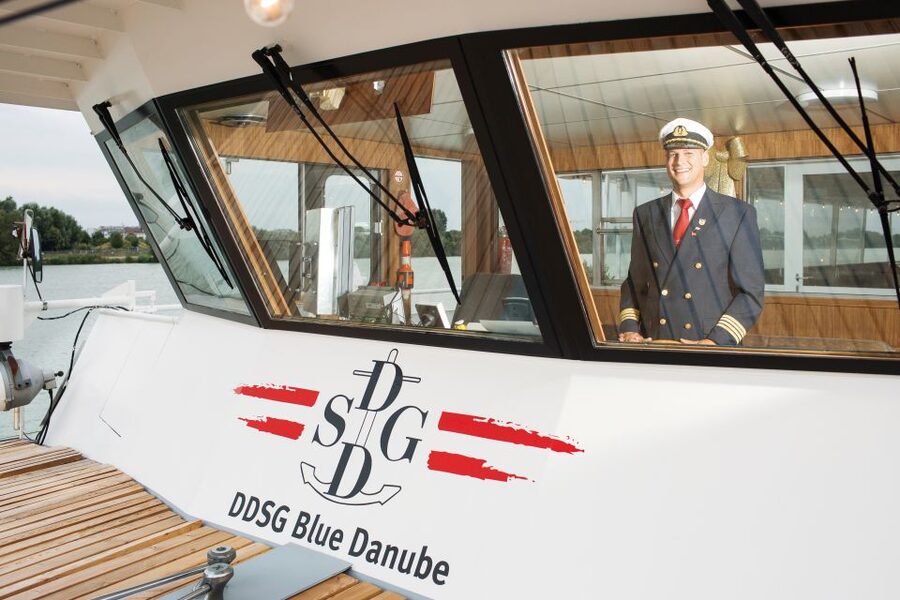
Downstream from the Freudenau lock, the ship docks at Marina Wien. The lock is one of the cruise’s main practical attractions. You see the ship wait, enter the lock area, and adjust to a new water level before continuing.
This process takes time, and it is one reason the journey lasts 3.5 hours. Some passengers may find the waiting slow, especially if they expected a fast sightseeing cruise. I think the lock is worth watching because it explains how the river functions as a transport route rather than just a pretty backdrop.
Marina Wien marks a transition in the trip. From here, the cruise follows the shores of Danube Island. The island is an important recreational part of Vienna, but from the boat you mainly experience its long river frontage and open setting rather than a list of individual attractions.
A different kind of evening in Vienna:
- Vienna: Vivaldi’s Four Seasons Concert in Karlskirche
★ 4.7 · 14,951 reviews - Vienna: Spanish Riding School Training
★ 3.9 · 9,281 reviews - Vienna: Skip-the-cashier-desk-line Giant Ferris Wheel Ride
★ 4.5 · 7,859 reviews - Vienna: Schönbrunn Palace & Gardens Skip-the-Line Tour
★ 4.7 · 7,739 reviews
Danube Island, the grain silo hotel, and the stadium
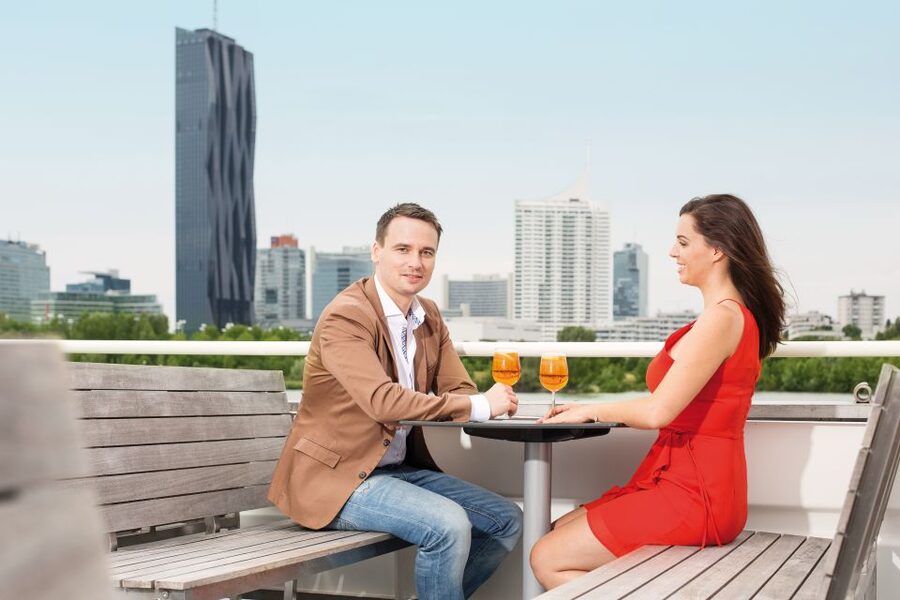
The route then passes a former grain silo that has been converted into a hotel, along with a stadium. These sights are less polished than Vienna’s historic center, but that is exactly why they are useful. You get a glimpse of how old industrial structures and large public facilities fit into the modern city.
This section is best understood as urban observation. You are not stopping to tour the hotel, stadium, or island. You are seeing them from the water while the ship continues toward the Reichsbrücke station.
The cruise can feel less visually packed here. Some stretches show riverbanks, infrastructure, or broad city views rather than individual landmarks. I would bring realistic expectations: this is a panoramic city ride, not a sightseeing bus that pauses beside a famous building every few minutes.
Reichsbrücke and modern Vienna’s skyline
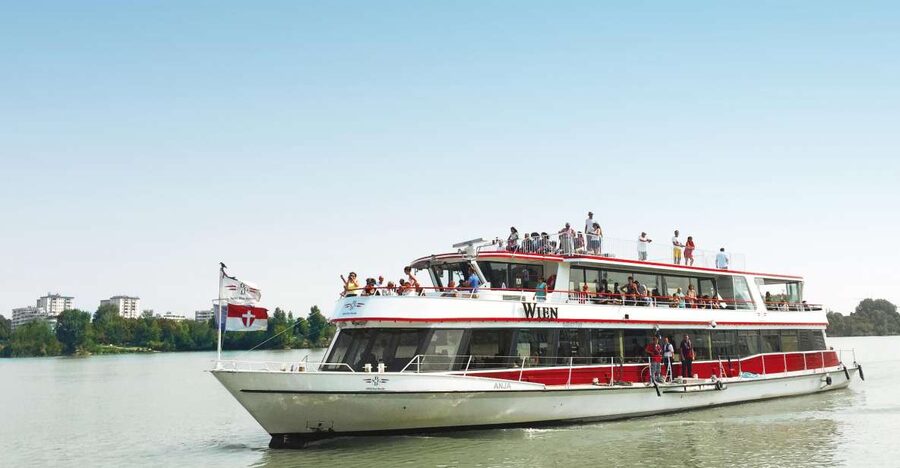
At Reichsbrücke, the cruise enters its modern Vienna chapter. The Danube plateau skyline comes into view, along with the Danube Tower and Millennium Tower. These landmarks give the route a very different look from the wooded Prater section.
The Danube Tower is especially easy to recognize as a tall marker on the skyline. The surrounding modern buildings show Vienna’s newer face, one shaped by high-rise development and wide river corridors rather than imperial boulevards.
This part will appeal most if you enjoy architecture, city planning, and unusual views of familiar urban forms. You can also take photographs without the obstruction of street traffic. The downside is that the skyline is viewed at a distance, so you should not expect close-up architectural detail.
Through the Nussdorf lock system
The Nussdorf lock system provides the second major engineering feature of the trip. The ship works its way through the lock before entering the Danube Canal. For many people, this is the highlight because it turns a passive cruise into a small working-waterway experience.
The passage can be slow. The ship may wait near bridges while an opening is arranged, and the timing is not designed for speed. That delay is part of the operation, not a flaw unique to this boat, but you should know that a noticeable portion of the afternoon may be spent waiting or moving carefully through restricted sections.
I recommend watching from outside when conditions allow, then returning indoors if you want a drink or a more comfortable seat. The lock is easier to understand when you can see the walls, water level, and ship position directly.
Historic Vienna along the Danube Canal
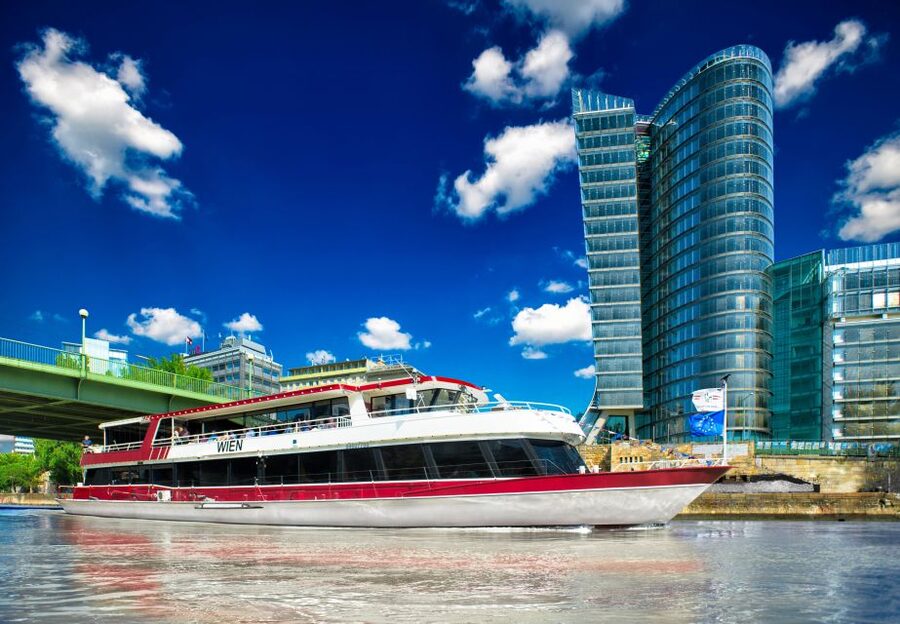
Once inside the Danube Canal, the scenery becomes more central and architectural. The boat passes the Hundertwasser District Heating Plant in Spittelau, an imaginative building with irregular forms and bold decoration. It is a particularly good match for the MS Vindobona, which was also designed with Friedensreich Hundertwasser’s distinctive artistic approach.
The route continues past the Roßau Barracks, Ringturm, and the Urania observatory. These sights help connect the river journey with the central city you may have explored on foot. From the water, you see familiar urban districts from a lower, less formal angle.
The canal section is not a substitute for a walking tour of Vienna’s old center. You will not stop to enter the buildings, and the commentary may not explain every sight in detail. Still, it gives you a useful visual overview and lets you rest while the city passes by.
Commentary, atmosphere, and what happens onboard
German and English service is available, but the amount of spoken explanation can vary. If you sit outside, you may hear less, and some passengers find that the announcements are intermittent rather than a continuous guided narration.
That makes this cruise better for relaxed sightseeing than for detailed historical instruction. I would not book it as your only introduction to Vienna. Pair it with a walking tour or museum visit if you want the background behind every district and building.
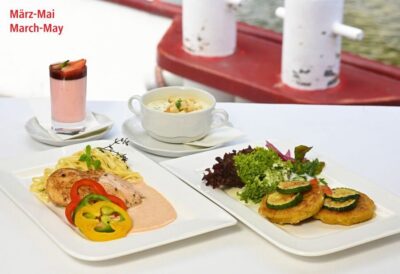
The onboard mood is informal. You can order food and drinks, including Viennese dishes, and pay by card on the boat. The restaurant areas provide a warmer, more comfortable setting when the weather turns cool, while outdoor areas are better for photographs.
Food and drinks are not included in the $51 price, so budget for them separately. The onboard offerings can add to the experience, especially if you reserve a table and treat the cruise as a long lunch or afternoon break. If you only want the views, you can simply take the boat ride and skip the meal.
Is $51 a fair price?
At $51 per person, this is not the cheapest way to see Vienna. You are paying for 3.5 hours on the water, staff service, indoor and outdoor seating, and the chance to experience two lock systems. The price makes more sense if you value a slow half-day outing and would otherwise spend money on a meal or another paid attraction.
The cruise offers less value if you want a dense list of famous sights. Much of the route shows greenery, bridges, river facilities, modern buildings, and stretches of water. There are no included meals, and commentary is not always detailed enough to replace a proper guided city tour.
I consider it reasonable value for a first or second visit when you want a break from walking. It is also a good choice for families, older visitors, and anyone who enjoys boats more than crowded streets. People with only one day in Vienna may prefer a more concentrated city tour.
Timing, comfort, and practical advice
The cruise starts and ends at the Schiffstation Wien / City station near Schwedenplatz. Check the available starting times before booking, since the schedule determines how easily the ride fits with other plans.
Allow the full 3.5 hours. The lock passages, bridge waits, and canal navigation are part of the experience, so this is not an activity where you can count on finishing early.
The cruise is wheelchair accessible. The host or greeter service is available in German and English. Free cancellation is available up to 24 hours before departure, and a reserve-now, pay-later option can help if your schedule is still changing.
For the best experience, I would do three things:
- Arrive ready to use both indoor and outdoor areas.
- Keep your camera available for the locks, Hundertwasser buildings, and modern skyline.
- Decide in advance if you want a meal onboard, since food and drinks cost extra.
Who should book this Danube cruise?
I would recommend it to you if you want a restful view of Vienna beyond the palace district. It works particularly well after several days of museums and walking, when three hours seated beside the water sounds better than another busy attraction.
The cruise also suits anyone interested in city infrastructure. The locks, Danube Island, converted grain silo, stadium, and modern towers show parts of Vienna that ordinary central sightseeing often misses.
I would be more cautious if you need constant commentary or close views of major monuments. The route is broad and varied, but some sections are visually quiet. You should also avoid booking it with the expectation of a classical music performance. The supplied information does not include live music or a scheduled Mozart, Strauss, or Haydn program.
Should you book the Grand Danube River Cruise?
Book it if you want a calm half-day on the water, enjoy seeing a city from an unusual angle, and like the idea of passing through locks. The green Prater route, modern skyline, Hundertwasser architecture, and Danube Canal give the ride enough variety to hold your attention.
Skip it if your Vienna schedule is very short or you want a tightly narrated tour of famous landmarks. At $51, the strongest value comes from the full combination of river views, engineering, comfortable seating, and onboard dining, not from a nonstop list of attractions.
FAQ
How long is the Vienna Grand Danube River Cruise?
The cruise lasts 3.5 hours.
Where does the cruise start?
It starts at the DDSG Blue Danube ticket office at the Schiffstation Wien / City ship station near Schwedenplatz.
Where does the cruise finish?
The activity ends back at the meeting point at Schwedenplatz.
Which ships operate the cruise?
The cruise operates on the MS Wien or the MS Vindobona.
What is special about the MS Vindobona?
The MS Vindobona was designed by artist Friedensreich Hundertwasser and is known for its distinctive colorful appearance.
What parts of Vienna does the cruise show?
The route includes the Danube, the Danube Canal, the Prater area, Danube Island, modern Vienna’s skyline, the Danube Tower, Millennium Tower, and several central canal-side sights.
Does the cruise pass through locks?
Yes. The route includes the Freudenau lock and the Nussdorf lock system.
Are food and drinks included?
No. Food and drinks are not included in the cruise price, but they are available for purchase onboard.
Is the cruise available in English?
Yes. German and English host or greeter service is available.
Is the cruise wheelchair accessible?
Yes. The activity is wheelchair accessible.
Just added in Vienna
- 3 hour private tour in Vienna by private car★ 4.4 · 6 reviews
- Private Christmas Markets Walking Tour Vienna★ 5.0 · 31 reviews
- Christmas Markets & Shopping in Vienna★ 5.0 · 17 reviews
- Christmas Market Vienna Tour★ 4.0 · 53 reviews
- Vienna: Christmas Markets Tour★ 4.3 · 99 reviews
- Vienna Residence Orchestra: Mozart and Strauss Concert★ 4.0 · 137 reviews
- Vienna: Bus Tour with Virtual Reality Experience★ 4.7 · 148 reviews
- Vienna: A Little Night Music – Concert at Capuchin Church★ 4.8 · 145 reviews
Wachau Valley & Danube Cruises, compared.
Skip-the-Line Entrance Ticket to the Danube Tower
Read our review →
Wachau Valley, Melk Abbey Tour with Danube Boat Trip
Read our review →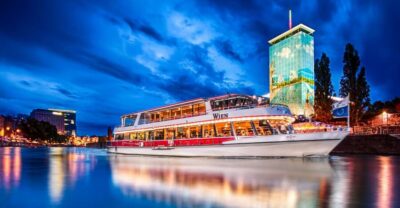
Danube River Cruise w/ optional Viennese Specialties
Read our review →
Wachau Valley Wine Tasting Bike Tour from Vienna
Read our review →
Bratislava Day Trip from Vienna With Catamaran Cruise on Danube
Read our review →
Wachau Valley Small-Group Tour and Wine Tasting from Vienna
Read our review →Browse the lists this tour appears in