
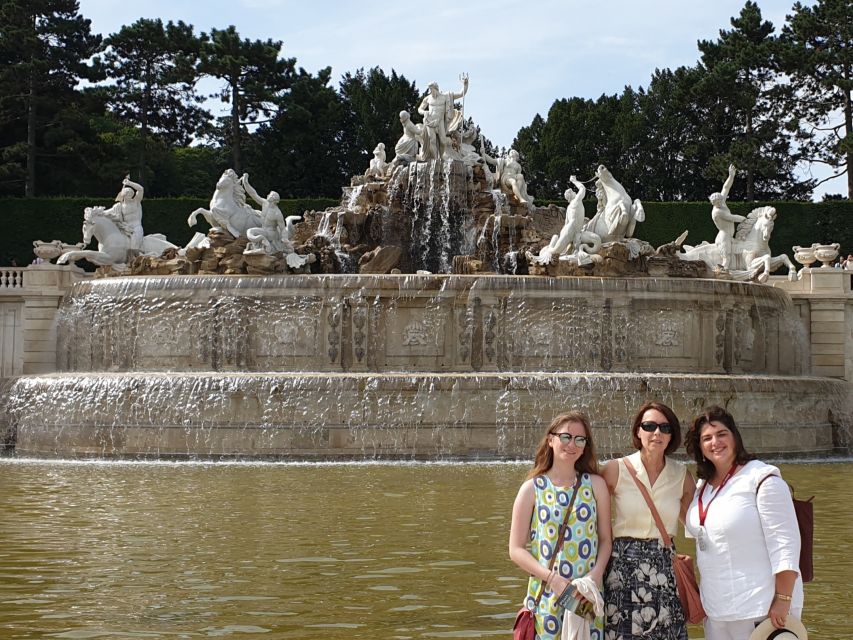
Reviewed · SCHONBRUNN PALACE TOURS
Schönbrunn Palace & Gardens Tour
Schönbrunn Palace was built to rival Versailles, but its most revealing rooms are not always the grandest ones. The Porcelain Room, once Maria Theresa’s office, and the wonderfully strange Millions Room show how the Habsburg court used decoration to project power, taste, and money. Your guide also connects the palace to Maria Theresa, Franz Joseph, and Sisi, giving the rooms a human edge.
I especially like the 30-minute garden walk before the palace visit, since it helps you understand how the palace was meant to be seen. I also like the historian-led format. Guides such as Katharina have met visitors in central Vienna, traveled with them to Schönbrunn, and kept explanations moving even through crowded rooms. The main drawback is price: at $176 per person, the palace and park entrance fee is extra, so you are paying for guidance rather than a bundled admission ticket.
Key points to know before booking
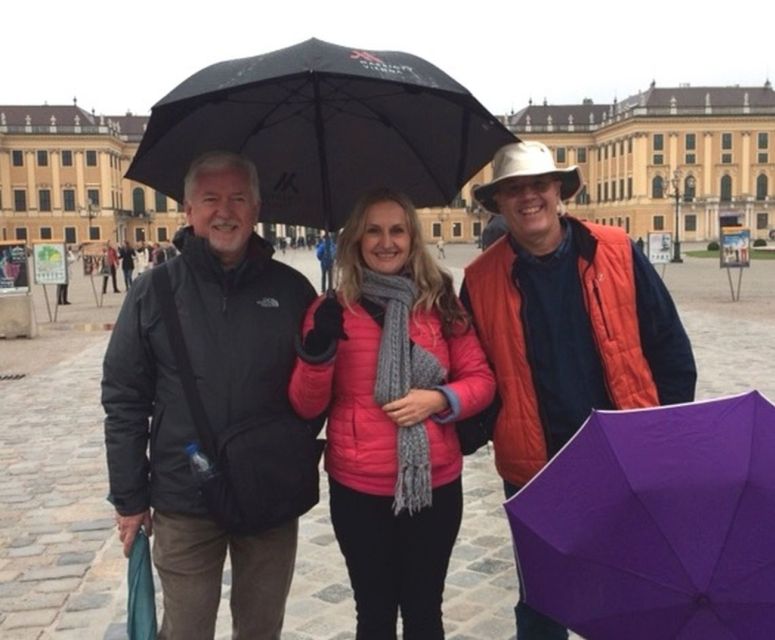
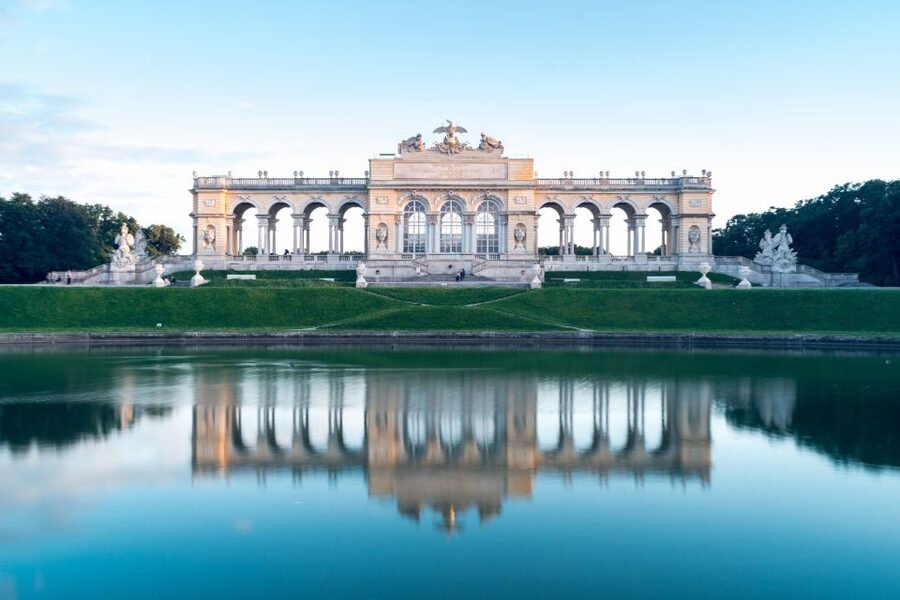
- The Gloriette gives the tour its best wide view: The hilltop triumphal arch looks back toward Schönbrunn and across Vienna’s wooded outskirts.
- Maria Theresa’s Porcelain Room is a personal highlight: It was her office, not simply another ceremonial chamber.
- The Millions Room is unusually intimate and exotic: Indo-Persian miniatures, Rococo frames, and carved rosewood create one of the palace’s most distinctive interiors.
- Sisi’s private escape route adds character: A spiral staircase connected her official rooms with a private entry toward the gardens.
- The guide is the main value: Historians, professors, doctoral students, journalists, art critics, and authors lead the experience.
- Entrance admission is not included: Your guide helps you buy the required palace and park tickets.
Why Schönbrunn makes a good guided visit
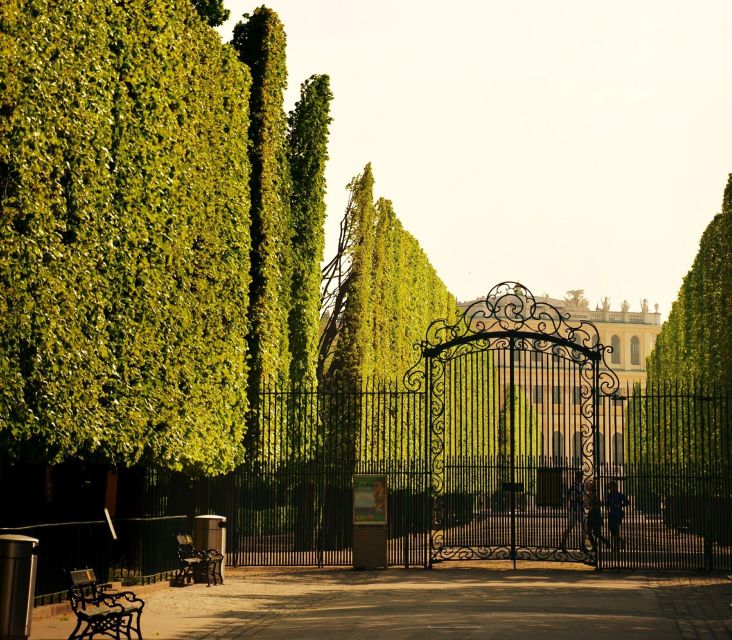
Schönbrunn is not a small palace where you can glance at a few rooms and move on. It was the Habsburg summer residence, a center of court life, and a place where ceremonial rooms, private apartments, gardens, and political stories all meet.
I find the palace easier to understand with a guide because the decoration can otherwise blur into a long parade of gilded walls and formal furniture. A historian can tell you why one room mattered, who used it, and how the Habsburg family’s public image differed from private life.
The experience lasts 150 minutes. About 30 minutes are devoted to the gardens, followed by roughly two hours inside the palace. That division gives you enough time for both the grand setting and the rooms, though it leaves little spare time for wandering at your own pace.
The advertised highlights also include Vienna’s Jewish Quarter and stories from the period of the Jewish ghetto. The detailed schedule provided for this experience focuses on Schönbrunn, so if the Jewish Quarter is important to you, confirm how that part fits into your selected option before booking. It may relate to a particular departure or private-tour arrangement rather than the standard palace visit.
More palace visits in Vienna:
- Vienna: Schönbrunn Palace & Gardens Skip-the-Line Tour
★ 4.7 · 7,739 reviews - Vienna: Skip-the-Line Schönbrunn Palace & Gardens Tour
★ 4.8 · 5,411 reviews - Vienna: Bus & Schönbrunn Palace Skip-the-Line Guided Tour
★ 4.3 · 2,802 reviews
Meeting your guide at the Arrival Centre
The usual meeting point is the Schönbrunn Arrival Centre at Schönbrunner Schloßstrasse 50. Look for the guide in front of the Group Centre Building, directly across from the palace’s main entrance.
That location matters because Schönbrunn attracts large crowds, and the palace complex can feel confusing at first. Give yourself enough time to reach the Arrival Centre, especially if you are coming by public transport or using a central pickup arrangement.
A private tour can include pickup from a central hotel, holiday flat, or another meeting point. In that case, your guide accompanies you to Schönbrunn by Vienna’s metro. This is useful if you prefer not to figure out the route yourself, but it is not a private vehicle transfer.
The tour is offered in English. You can choose between a private experience and a small group, depending on the option available when you book. A private tour costs more in many cases, but it gives you more room for questions and a better chance to control the pace.
Walking the formal gardens for 30 minutes
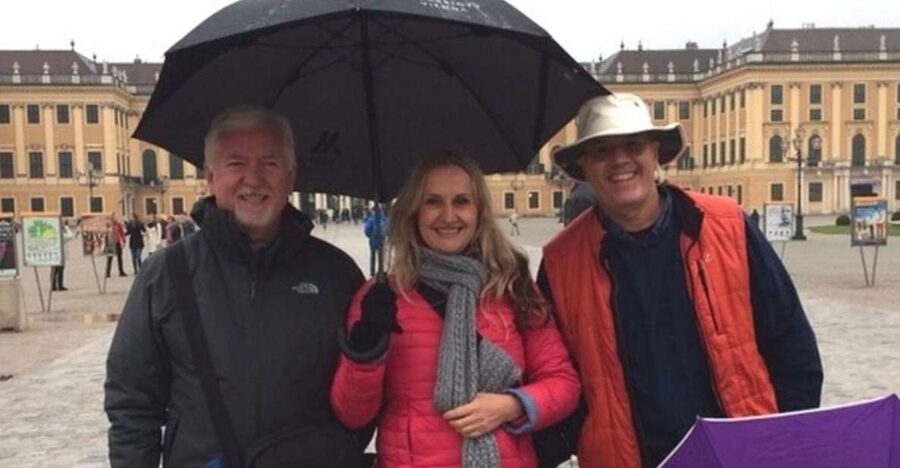
The tour begins outdoors, among Schönbrunn’s formal gardens. Their design follows a Baroque idea of joining nature and architecture into one planned royal setting. Paths, clipped greenery, statues, open views, and the palace itself were meant to work together rather than appear as separate sights.
I like starting here because the palace can seem overwhelming when you enter it cold. From the gardens, you can see how the residence was designed as a statement of rank. The long approach and carefully ordered views made the imperial household appear larger than life.
Your guide explains Maria Theresa’s reign and the military successes that helped make her period a high point of Habsburg power. These details give the grounds a political purpose. Schönbrunn was not only a pleasant summer retreat. It helped display the strength and order of the monarchy.
The park opened to the public in 1779. That decision was a clever public gesture from Maria Theresa. Allowing ordinary people into part of the imperial setting made the court seem more open and generous, even as the palace remained the center of elite power.
The Gloriette and the view toward Vienna
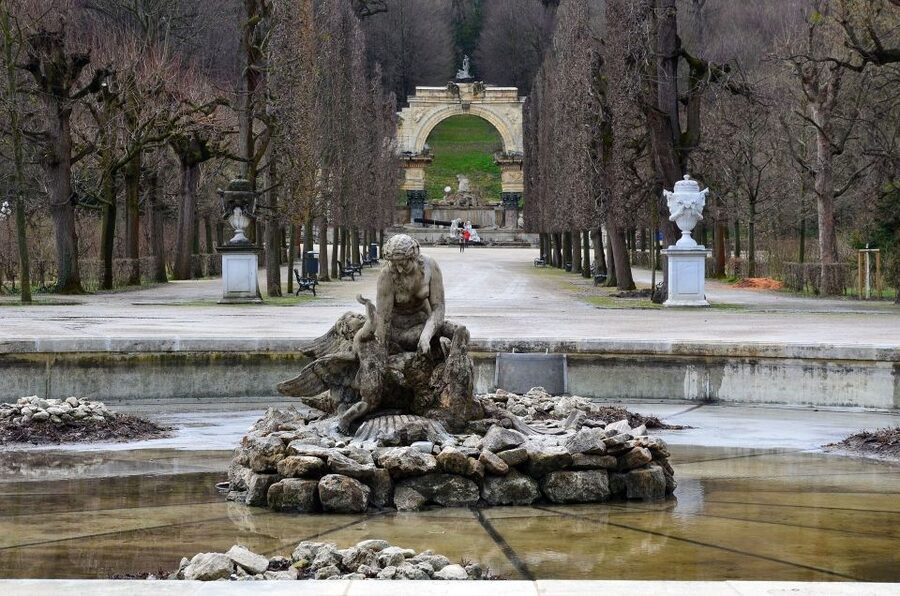
The garden walk leads toward the Gloriette, the large triumphal arch on the hill above the palace. It was built to celebrate military victories and now provides one of the clearest views across Schönbrunn toward Vienna’s wooded surroundings.
The uphill route is worth noting. The Gloriette sits on a rise, so the garden section is not entirely flat. The tour gives you about 30 minutes outside, which means the guide needs to keep the group moving rather than pause at every statue or viewpoint.
I would treat this portion as an introduction, not a full garden visit. Schönbrunn has far more grounds than can be covered in half an hour. If you want a long stroll through the park, time for photographs, or a separate look at garden features, plan additional time after the guided tour.
The view also helps explain the palace’s scale. From above, the formal layout becomes easier to read, and the palace appears as the central piece of a carefully arranged royal setting.
A different kind of evening in Vienna:
- Vienna: Vivaldi’s Four Seasons Concert in Karlskirche
★ 4.7 · 14,951 reviews - Vienna: Spanish Riding School Training
★ 3.9 · 9,281 reviews - Vienna: Skip-the-cashier-desk-line Giant Ferris Wheel Ride
★ 4.5 · 7,859 reviews - Vienna: Light of Creation Votive Church Immersive Light Show
★ 4.8 · 6,779 reviews
Maria Theresa and the Porcelain Room
Inside, the tour turns from public power to court routine. Maria Theresa had 16 children, and Schönbrunn became the center of imperial policy and family life under her direction. That combination of government, ceremony, and domestic pressure gives the palace more interest than a simple display of luxury.
The Porcelain Room is one of the most useful stops for understanding Maria Theresa herself. It served as her office, so it was a working space within a palace known for ceremonies and display. The room shows that even the most powerful ruler still needed a place to conduct daily business.
The name points to the decorative style you can expect, but the important detail is its function. You are not just looking at pretty surfaces. You are standing in a room connected to the practical work of governing an empire and managing a huge royal household.
A guide is particularly useful here because the room might otherwise seem small beside the larger state apartments. Ask how the office fit into Maria Theresa’s routine if your group has time for questions. The tour’s historian-led format is designed for those links between objects, rooms, and people.
Franz Joseph and Elisabeth’s apartments
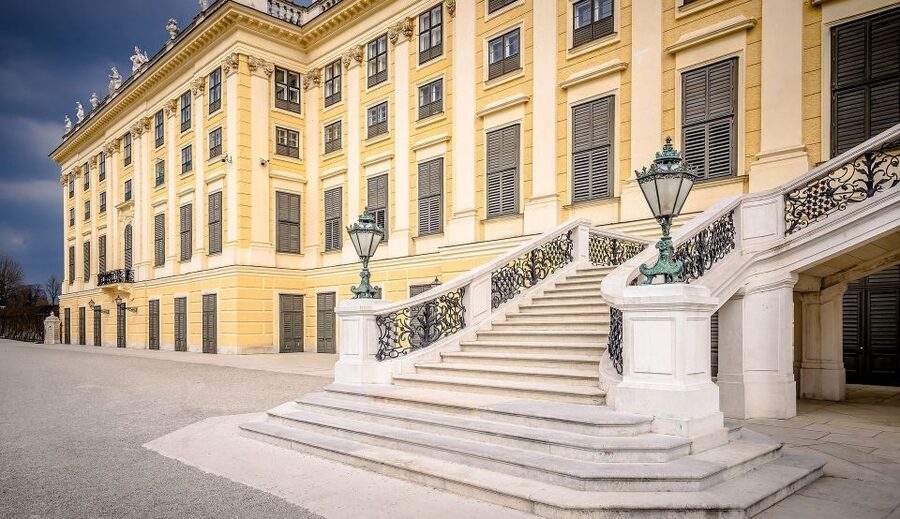
The next generation left its mark on Schönbrunn through the rooms of Emperor Franz Joseph and his wife, Elisabeth, known as Sisi. They married in 1854, but their lives at court were shaped by duty, ceremony, and distance.
Sisi disliked the rituals of court life and the ornate surroundings of the palace. That tension gives the apartments a more personal story. The rooms are lavish, but the person who lived among them did not simply enjoy the setting.
The tour explains how the couple was pulled apart by the demands of the state. Franz Joseph represented the machinery of monarchy, while Sisi resisted many of its formal expectations. Looking at their apartments with that contrast in mind makes the palace feel less like a row of decorated interiors and more like a place where people struggled with their roles.
Sisi also commissioned a spiral staircase from her official rooms to a private entry leading toward the gardens. The detail is memorable because it turns a grand residence into something surprisingly relatable. Even an empress wanted a quick way out.
You will see several lavish rooms in this section. Their beauty is part of the point, but so is the pressure they represent. Sisi’s private escape route helps you picture someone trying to get away from the very splendor visitors come to admire.
The Rococo Millions Room
The Millions Room is the most distinctive interior on this tour. Its name refers to its enormous cost, and the room earns that reputation through an unusual mixture of materials and styles.
Antique Indo-Persian miniatures sit in Rococo frames. Carved rosewood from the Antilles covers parts of the walls. These elements combine Oriental and European decorative ideas in a way that feels more personal and visually unusual than a standard ceremonial room.
The room also says something about imperial wealth. Imported materials, rare objects, skilled craftsmanship, and elaborate framing all came together at great expense. The result is not simply a display of one national style. It reflects the far-reaching trade and cultural contacts that fed the Habsburg court.
I would pay close attention to the contrast between the small miniatures and the rich surrounding woodwork. That pairing gives the Millions Room its character. It is lavish, but it is also intimate, almost like a highly expensive cabinet of curiosities set inside a royal palace.
This is one of the places where a guide adds real value. Without context, you might notice the room’s price and decoration but miss why its combination of Indo-Persian imagery, Rococo ornament, and imported rosewood is so unusual.
What the guide adds to a crowded palace
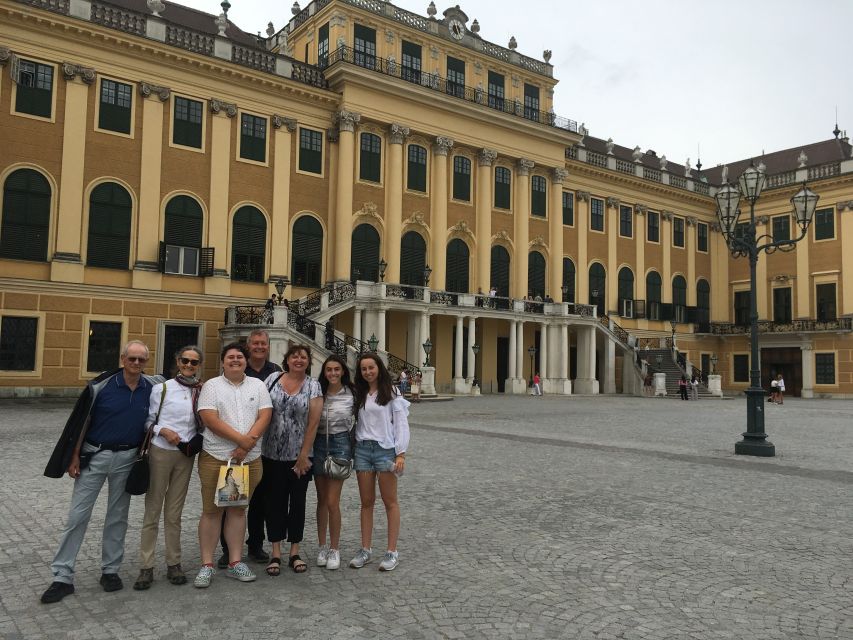
Schönbrunn can be busy, and the interior route may involve moving through rooms with other groups. A good guide cannot remove the crowds, but can help you use your time well.
Katharina, also spelled Katarina in the available booking information, is specifically associated with several strong experiences. She has met visitors in central Vienna, accompanied them to the palace, explained Habsburg and Viennese history room by room, and found small corners where the group could stop without blocking traffic.
That kind of practical guidance matters more than a long stream of dates. The best moments come when an explanation fits the room in front of you. The guide can also keep the tour moving, which is useful when you have only two hours inside.
The providers describe the guides as professors, doctoral students, historians, journalists, art critics, and published authors. That suggests an academic approach, but you should still expect the exact style to vary by guide. Katharina’s approach, based on the information available, includes anecdotes and time for questions.
Is $176 per person good value?
At $176 per person, this is a premium tour. The price does not include admission to Schönbrunn Palace and Park, although your guide helps you purchase the required tickets.
That means you should compare the cost with what you actually want. If you only need entry and a quick look around, this tour is expensive. If you want a historian to explain the rooms, connect Maria Theresa with Sisi and Franz Joseph, guide you through the gardens, and help you manage the palace visit, the price is easier to justify.
The private or small-group format also affects the value. A private booking gives you a more personal experience and more space for questions. A small group may offer a better balance between expert guidance and cost, depending on the option you select.
The tour is especially useful for first-time visitors who want the palace to make sense rather than simply collect photographs. It is less suitable for someone who prefers long, independent exploration or wants to spend most of the day in the gardens.
Timing, transport, and practical details
The total duration is 150 minutes, with starting times depending on availability. The standard finish is at the Group Center Schönbrunn, close to the meeting area.
If you choose the pickup option, the guide meets you at a central hotel, holiday flat, or another agreed location and travels with you to the palace on Vienna’s metro. That can take the stress out of the first journey, but remember that this is an accompanied public-transport transfer, not a private car service.
The guide helps you buy the palace and park tickets, but the entrance cost remains separate. Build that extra expense into your budget before comparing this experience with a self-guided visit.
You can cancel up to 24 hours before the tour for a full refund, and the reserve-now, pay-later option keeps your plans flexible. Those policies are useful if your Vienna schedule is still changing.
Who should book this Schönbrunn tour?
I would choose this tour if you care about the people behind the rooms. Maria Theresa’s office, Sisi’s private staircase, and the Millions Room all reward explanation, and the garden walk gives the palace a clear setting before you enter.
It also suits you if you want a guided first visit with a manageable time frame. Two and a half hours is long enough for the main story without taking an entire day.
Families, couples, and solo visitors who enjoy questions and anecdotes should consider the private or small-group option. The tour may be less appealing if you already know Habsburg history well, want a slow independent visit, or are mainly interested in the gardens.
Should you book it?
Book this tour if the guide is the main reason you visit Schönbrunn. The palace admission is extra, and $176 per person is not a bargain entry ticket. It is payment for historical context, help with the route, and a more focused visit.
I would give it the strongest recommendation to first-time visitors who want to understand the difference between Maria Theresa’s political court, Franz Joseph’s official world, and Sisi’s wish to escape both. Just confirm whether the Jewish Quarter portion applies to your chosen option, since the detailed palace schedule centers on Schönbrunn.
FAQ
How long does the Schönbrunn Palace and Gardens Tour last?
The tour lasts 150 minutes, or two and a half hours. About 30 minutes are spent in the gardens and about two hours on the guided palace visit.
What is included in the tour?
A live English-speaking guide and the guided tour are included. The guides may be historians, professors, doctoral students, journalists, art critics, or published authors.
Is the Schönbrunn entrance fee included?
No. The palace and park entrance fee is not included. Your guide helps you purchase the required tickets.
Where do I meet the guide?
Meet at the Schönbrunn Arrival Centre at Schönbrunner Schloßstrasse 50. The guide waits in front of the Group Centre Building across from the palace’s main entrance.
Is hotel pickup available?
Pickup is available with the private tour option from a central hotel, holiday flat, or another meeting point. You then travel with your guide to Schönbrunn by Vienna’s metro.
Is the tour private or shared?
Private and small-group options are available. The exact format depends on the option you select.
What language is the tour conducted in?
The tour is conducted in English.
Can I cancel the booking?
Yes. You can cancel up to 24 hours in advance for a full refund. A reserve-now, pay-later option is also available.
Just added in Vienna
- World War II History Vienna Old Town Private Walking Tour★ 4.8 · 9 reviews
- Vienna: Wiener Schnitzel and Strudel Cooking Class★ 4.9 · 126 reviews
- Vienna: Wine Tasting Tour★ 4.8 · 61 reviews
- Vienna: Winery and Wine Tasting Tour with a Wine Expert★ 5.0 · 5 reviews
- Vienna: Wine Tasting E-Bike Tour★ 4.9 · 46 reviews
- Vienna: Wine Tasting at Schönbrunn Palace★ 4.3 · 71 reviews
- Vienna: Unforgettable Private City Tour★ 5.0 · 7 reviews
- Vienna Urban Art Tour: Explore a different side of Vienna!★ 3.8 · 14 reviews
Schonbrunn Palace Tours, compared.
Schönbrunn Palace & Gardens Skip-the-Line Tour
Read our review →
Bus & Schönbrunn Palace Skip-the-Line Guided Tour
Read our review →
Panorama Train Tickets to explore Schönbrunn Palace
Read our review →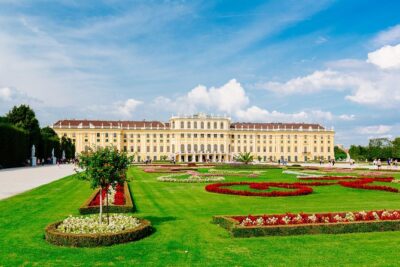
Skip-the-Line Schonbrunn Palace Guided Tour and Vienna Historical City Tour
Read our review →
Exclusive Evening at Schönbrunn Palace: After-Hours Audiotour, Dinner, Concert
Read our review →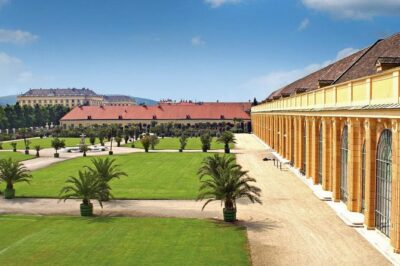
Schönbrunn Palace Evening Tour, Dinner and Concert
Read our review →Browse the lists this tour appears in