Reviewed · TOURS IN VIENNA
Digital puzzle tour with Marcus Aurelius’ order
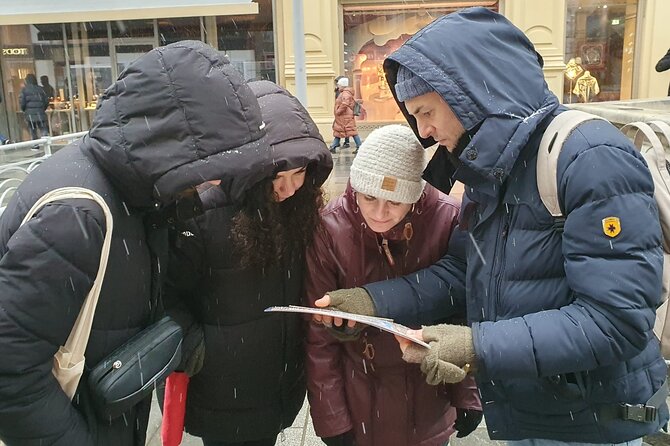
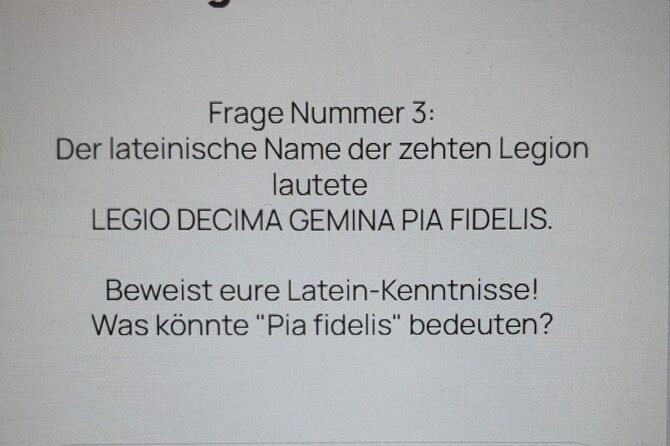
The clever idea here is that Vienna becomes the game board. You follow an order from Marcus Aurelius through the old Roman camp of Vindobona, solving numeric codes, reading clues on buildings, and entering Latin passwords to reach the next location. It gives you a reason to look closely at streets and details you might otherwise pass.
I like the well-judged puzzle level, which is designed for adults without requiring specialist knowledge. I also like the freedom: your group can start when it suits you, move at its own pace, and stop to look around. The main drawback is that this is entirely outdoors, with no guide, seats, or shelter, and some stairs along the way.
Key points at a glance
- A Roman mission in modern Vienna: Follow Marcus Aurelius’s orders through the former Vindobona legionary camp.
- Puzzles with historical substance: Crack codes, find building clues, and use Latin passwords while learning about Roman life.
- Private group format: One booking covers up to 15 people, so you can work together without strangers joining in.
- Flexible self-guided timing: Use the digital link and password whenever you choose during the listed operating period.
- About two hours on foot: Expect public sidewalks, outdoor stops, stairs, and no seating.
- Strong value for a small group: At $52.04 per group, the cost can be modest when shared among several people.
Starting at Herrengasse 16 in Roman Vienna
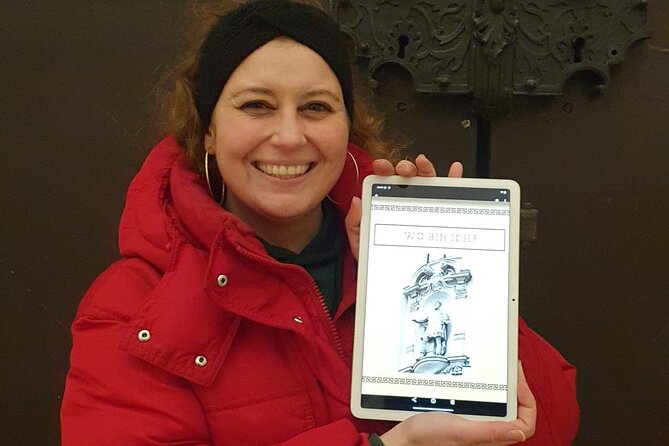
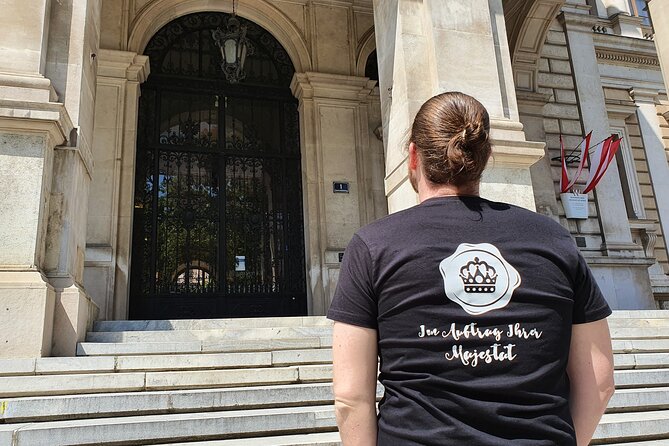
Your mission begins at Herrengasse 16, in Vienna’s 1010 district. This is not a coach tour or a museum visit. You meet your own group at the starting point, open the link supplied with your booking, enter the password shown on your ticket, and let the digital game guide you from there.
The route takes you through the former Roman legionary camp of Vindobona. Modern Vienna has grown over the old settlement, so the Roman story is woven into present-day squares, lanes, and buildings rather than presented in one enclosed archaeological site.
That arrangement is important. You are not simply being shown a series of objects. You are asked to locate the next place yourself, then use what you see there to solve the next task. The city walk therefore rewards attention. A clue may be tied to a building, a street detail, or a piece of information about the Roman settlement period.
You should arrive ready to begin, with the link and password available on your phone. Internet access is required. The digital format is simple in concept, but your group will get more from it if one person keeps the phone easy to read while others scan the surroundings and discuss possible answers.
More days out of Vienna:
- Vienna: Vivaldi’s Four Seasons Concert in Karlskirche
★ 4.7 · 14,951 reviews - Vienna: Spanish Riding School Training
★ 3.9 · 9,281 reviews - Vienna: Skip-the-cashier-desk-line Giant Ferris Wheel Ride
★ 4.5 · 7,859 reviews
Marcus Aurelius gives you the assignment
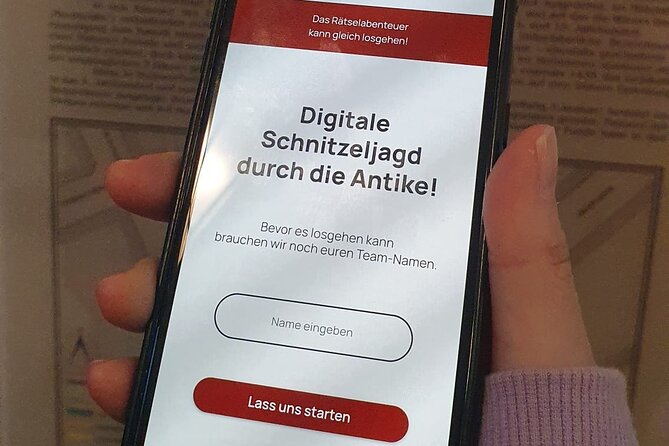
The story places you in the service of Marcus Aurelius. His order provides the thread connecting the puzzles, so the tour has more shape than a collection of unrelated trivia questions.
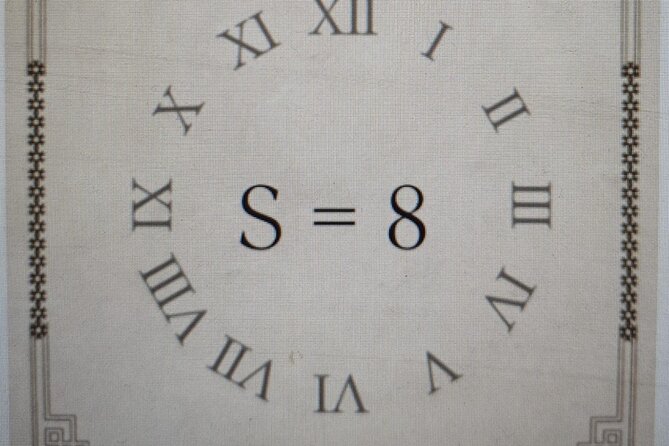
You move from one location to the next only after solving the current challenge. The experience uses ancient puzzles, Roman numeric codes, building clues, and Latin passwords. You do not need to know Latin or arrive with a background in Roman history. The information presented along the way supplies the material needed to keep going.
I like this balance. A puzzle that is too easy becomes a checklist, while one that demands specialist knowledge quickly turns into a research task on your phone. Here, the stated difficulty is aimed at adults, and the puzzles are described as neither too hard nor too easy. That makes it suitable for a mixed group, including people who know a little about Vienna and people meeting its Roman past for the first time.
The game also makes historical facts easier to remember. Instead of reading a long explanation and then walking on, you use a detail to solve a problem. That small act of figuring something out gives the information a practical purpose.
What you see between the puzzle stops
The route passes through squares and narrow streets where traces of the Roman settlement period can still be found. The available information does not name every stop in advance, so you should not expect a fixed museum-style checklist. The attraction is the movement from clue to clue and the changing view of old Vienna along the way.
At one stop, you might be looking for a clue on a building. At another, you may need to apply a Roman number system or identify the correct location from information in the digital instructions. The exact sequence is part of the game, and the app or webpage directs you after each solution.
This format changes how you walk through the center. You are encouraged to examine façades, notice small details, and connect today’s street pattern with a settlement that once served Roman military purposes. The historical content is not an extra paragraph tacked onto a walking route. It is built into the tasks.
That said, this is not a full archaeological tour. If your main goal is an expert explanation of Vindobona, a conventional guided walk or museum visit may give you more context. This experience is better for learning in short pieces while moving and solving.
Why the self-guided format works
The tour lasts about two hours, but you are not tied to a guide’s pace. The listed operating hours run from midnight to 11:30 p.m., Monday through Sunday, during the stated period from September 1, 2024, to June 17, 2026. In practical terms, you have a broad window for choosing a start time.
I like that flexibility for a private group. You can fit the activity around other plans instead of building your day around a scheduled departure. You can also pause briefly if your group needs to discuss a puzzle or take a closer look at a location.
The tradeoff is the absence of a person who can step in at once. A guide could explain a confusing clue, answer questions about Roman Vienna, or adjust the route to the interests of the group. Here, the digital experience must do that work. The upside is privacy and independence. The downside is that your group must manage the phone, the answers, the walking pace, and any confusion together.
This makes the experience especially suitable for friends, couples, families with older children, and small private groups who enjoy solving problems together. It is less suitable if you prefer to sit back while someone else handles the route and interpretation.
A different kind of evening in Vienna:
- Vienna: Schönbrunn Palace & Gardens Skip-the-Line Tour
★ 4.7 · 7,739 reviews - Vienna: Light of Creation Votive Church Immersive Light Show
★ 4.8 · 6,779 reviews - Vienna Spanish Riding School Guided Tour
★ 4.7 · 6,765 reviews - Vienna: Classical Concert in the World-Famous Musikverein
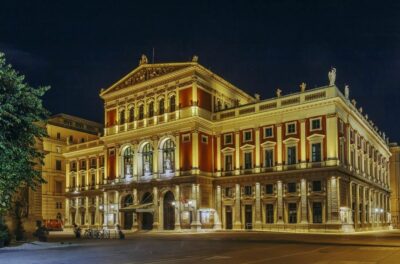
★ 4.6 · 6,673 reviews
A private group at a sensible price
The price is $52.04 per group of up to 15 people. That is not a per-person charge. If 10 people join, the cost works out to about $5.20 each. Even a smaller group of four pays roughly $13 per person, which is fair for a two-hour private activity in central Vienna.
The value depends on what you want from a city tour. You are paying for a structured game, a historical theme, and the freedom to complete it privately. You are not paying for a live guide, admission to a museum, food, transport, or an indoor attraction.
For a group that already likes escape rooms, scavenger hunts, or city puzzles, the price is appealing. The Roman setting gives the game a clear purpose, and the cost becomes especially attractive when divided among a larger party.
Solo visitors or couples should think a little more carefully. The fixed group price is still manageable for two people, but the experience is built around cooperation. The more people you bring, the more useful the group price becomes, provided everyone is willing to take part rather than leaving one person to operate the phone and solve every clue.
Outdoor walking, stairs, and the weather question
Every part of the activity takes place outside. You move between locations on public sidewalks, and there are no seating options along the route. Wear comfortable shoes and clothing that can handle the weather. This is not a small detail: rain, heat, cold, or slippery streets can change how enjoyable a two-hour puzzle walk feels.
The route is described as generally barrier-free because it uses public sidewalks, but there are stairs to climb. That means the experience may work for many people, but it should not be treated as fully step-free. Anyone in your group who needs a completely level route should check the conditions before booking.
Service animals are allowed. The tour is near public transportation, which helps with reaching the start in central Vienna. The starting and ending point is the same, at Herrengasse 16, so you do not need to arrange a return transfer from a separate finish.
Because there are no chairs or indoor breaks, plan your timing sensibly. The flexible start makes it easier to avoid the worst part of a hot day or to choose a period with better weather. You can also treat the route as a calm city walk rather than racing from answer to answer.
How the puzzles shape the experience
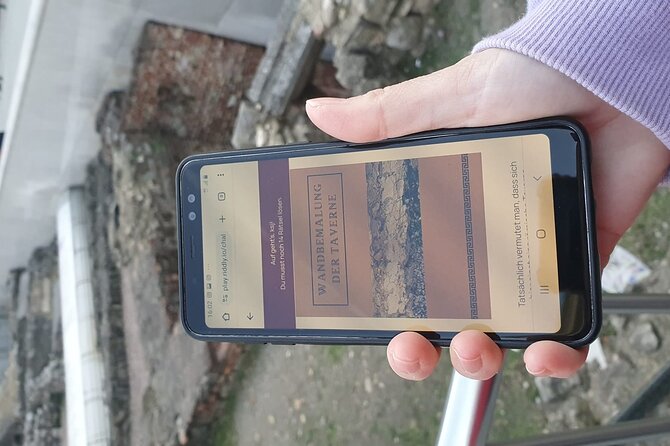
The strongest feature is the connection between movement and problem-solving. You do not receive all the information at the beginning. Each answer points you toward the next place, so the route unfolds as your group makes progress.
Roman numeric codes add a period-specific touch. Building clues pull your attention toward the city around you. Latin passwords reinforce the setting without demanding that you already speak the language. These tasks are not just digital buttons to press. They send you back to the physical streets for evidence.
I appreciate that the activity welcomes newcomers. You can enjoy the subject without knowing the names of Roman emperors, the layout of Vindobona, or the conventions of ancient numbering. At the same time, people with some knowledge of Vienna may still find new details because the information is tied to places they might normally pass without a second look.
The puzzle level is aimed at adults, so you should expect more than a child’s treasure hunt. Children can come along, but younger participants may need help reading, interpreting, or staying focused during the walking sections. Older children who enjoy codes and history could add energy to the group.
What the historical content adds
A standard city stroll can leave you with a blur of impressive buildings. This tour gives you a task at each point, and that task encourages you to ask why the location matters.
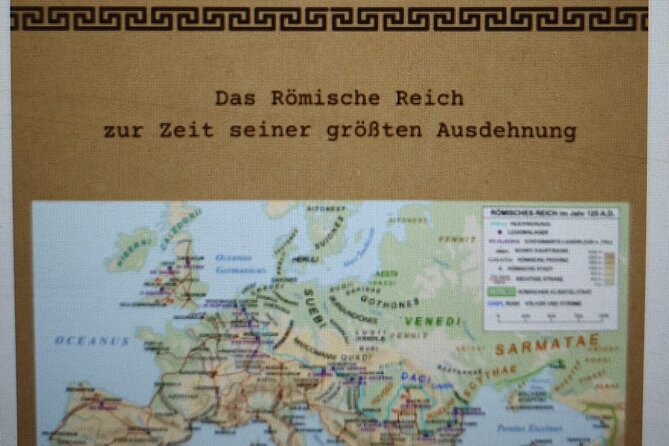
The Roman camp of Vindobona is the central subject. You are shown how traces of the settlement period fit into the current city, and you receive information about life in the former camp. The activity does not claim to replace a full history lesson. Instead, it gives you a series of short connections between modern Vienna and its Roman past.
That approach suits people who learn by doing. You may remember a fact because it helped you solve a code, identify a clue, or enter the correct password. The setting also keeps the history grounded. You are not imagining a distant site from a book. You are standing in present-day Vienna while the game asks you to see older layers beneath it.
The historical material is also the reason this activity feels different from a generic city scavenger hunt. The theme is not decoration. It affects the clues, the language, and the places you are sent to find.
Practical setup before you start
You need three things: the digital link, the password shown on your ticket after booking, and a smartphone with internet access. Confirmation is provided at booking, and the activity is private for your group only.
Before arriving, make sure the phone has enough battery for roughly two hours of outdoor use. That is sensible preparation for any phone-led walk, even though no special equipment is listed. Keep the ticket information accessible so you are not searching through messages at the starting point.
The tour can be booked at any time within the listed operating period. Since there is no live guide, your group should agree on who will read the instructions and who will help check the surroundings. Shared decision-making is part of the fun, and it prevents the activity from becoming one person’s solo phone task.
Free cancellation is available if you cancel at least 24 hours before the scheduled start time. Cancellations made inside that window are not refunded, and changes are not accepted within 24 hours. The cut-off uses Vienna local time, so check the timing carefully if you are booking from another time zone.
Who should choose this Roman puzzle walk
I would point history-curious groups toward this experience, especially if they prefer an active game to a formal lecture. It suits adults who like solving clues, couples who want a shared challenge, and families whose children can manage a two-hour outdoor walk.
It is also a good choice for repeat visitors to Vienna. The route can give familiar streets a new focus, particularly if you have already seen the major sights and want an activity built around smaller details.
You should think twice if you want an indoor attraction, a seated experience, or detailed commentary from a specialist guide. The route includes stairs, stays outside, and depends on your group working through the digital instructions. Bad weather could also make the outing less comfortable.
Should you book it?
Book this tour if you want a reasonably priced, private way to explore Roman Vienna while keeping your brain involved. The best reasons are the adult-level puzzles, the historical information tied to real locations, and the freedom to start and finish with your own group.
Skip it if you dislike phone-based activities or prefer a live guide to explain every stop. For everyone else, the combination of Marcus Aurelius’s mission, Vindobona’s Roman setting, and a two-hour walk makes this a practical addition to a Vienna itinerary, especially when several people can share the fixed group price.
FAQ
Where does the digital puzzle tour start?
The tour starts at Herrengasse 16, 1010 Vienna, Austria.
Where does the tour finish?
The activity ends back at the starting point at Herrengasse 16.
How long does the tour take?
The tour takes approximately two hours.
How many people can join one booking?
One private group can include up to 15 people.
What do I need to take part?
You need a smartphone with internet access, plus the link and password shown on your ticket after booking. Weatherproof clothing is recommended because the activity takes place outdoors.
Is prior knowledge of Roman history required?
No. The tour is designed so you can take part without prior knowledge.
Is the route accessible?
The tour is generally barrier-free because it uses public sidewalks, but there are stairs to climb. There are no seating options during the outdoor route, and service animals are allowed.
Just added in Vienna
- World War II History Vienna Old Town Private Walking Tour★ 4.8 · 9 reviews
- Vienna: Wiener Schnitzel and Strudel Cooking Class★ 4.9 · 126 reviews
- Vienna: Wine Tasting Tour★ 4.8 · 61 reviews
- Vienna: Winery and Wine Tasting Tour with a Wine Expert★ 5.0 · 5 reviews
- Vienna: Wine Tasting E-Bike Tour★ 4.9 · 46 reviews
- Vienna: Wine Tasting at Schönbrunn Palace★ 4.3 · 71 reviews
- Vienna Urban Art Tour: Explore a different side of Vienna!★ 3.8 · 14 reviews
- Vienna: Unforgettable Private City Tour★ 5.0 · 7 reviews
Tours in Vienna, compared.
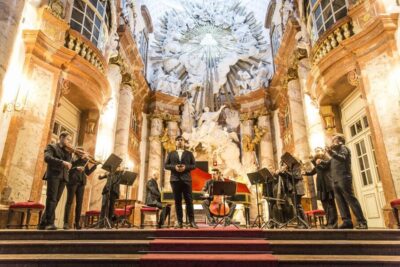
Vivaldi’s Four Seasons Concert in Karlskirche
Read our review →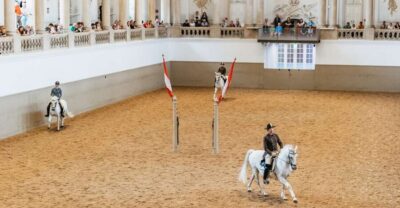
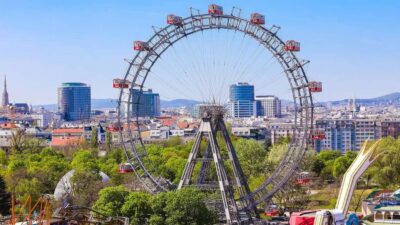
Skip-the-cashier-desk-line Giant Ferris Wheel Ride
Read our review →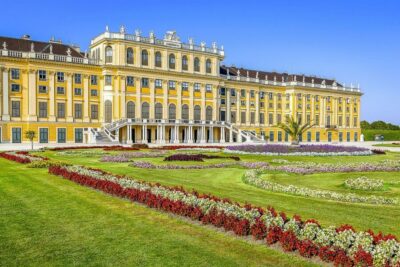
Schönbrunn Palace & Gardens Skip-the-Line Tour
Read our review →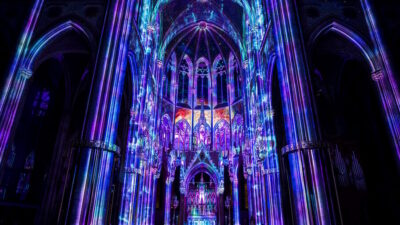
Light of Creation Votive Church Immersive Light Show
Read our review →
Classical Concert in the World-Famous Musikverein
Read our review →