Reviewed · TOURS IN VIENNA
Small Group Tour; Europe &The Balkans – Vienna to Dubrovnik/Split
The real appeal here is the overland route. In 10 days, you move from imperial Vienna through Slovakia, Hungary, Serbia, Bosnia and Herzegovina, and into Croatia, with time in both famous capitals and smaller towns. I especially like the small maximum group of 10 and the chance to see places such as Subotica, Sremski Karlovci, and Mostar without arranging a complicated chain of buses and border crossings yourself.
I also like that breakfast, 3-star hotels, fuel, road taxes, tourist taxes, entry tickets, and hotel transfers are included. The main concern is important: the description contains conflicting information, including a separate two-day Lake Koman and Shala River adventure from Tirana. Before paying, confirm that you are booking the Vienna to Dubrovnik or Split itinerary, not the Albania excursion.
Key points at a glance
- A genuine cross-border route: Vienna, Bratislava, Győr, Budapest, Serbia, Bosnia and Herzegovina, and Croatia all fit into one journey.
- Small group travel: The maximum is 10 people, a useful size for border crossings, city walks, and a comfortable vehicle.
- Strong city variety: You get grand capitals, wine towns, old fortresses, Ottoman-era streets, and Adriatic-bound roads.
- Hotels and transport are covered: Nine breakfasts, 3-star accommodation, fuel, road taxes, tourist taxes, and hotel transfers are included.
- The pace is brisk: Several stops last only 30 minutes to two hours, so this suits you if you prefer sampling many places over settling into one.
- Check the wording before booking: The Lake Koman and Shala River material does not match the Vienna to Croatia route.
A route built around variety, not long stays
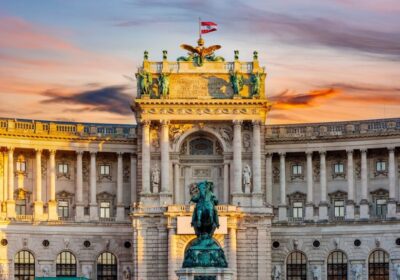
This is a long-distance sightseeing trip with a clear purpose: connect Central Europe with the western Balkans in one organized run. You start in Vienna at 11:00 a.m. and finish at the Croatian border, where a local driver takes you to your hotel in either Dubrovnik or Split.
That final arrangement matters. This is not a round trip returning to Vienna, and the tour ends in a different country from where it begins. If your next plans are in coastal Croatia, the one-way design saves you from retracing your route.
The tradeoff is speed. You will see a lot, but you will not have the leisurely feel of a stay-put vacation. A one-hour visit in Bratislava, Győr, or Belgrade gives you a useful introduction, not a full study of the city. Pack light, keep your daily essentials handy, and expect regular time in the vehicle.
The maximum group size of 10 is one of the strongest practical features. A small group can load faster, fit into a smaller vehicle, and move through city streets more easily than a large coach group. It also gives you a better chance to ask questions and get help with the day’s plans.
More days out of Vienna:
- Vienna: Vivaldi’s Four Seasons Concert in Karlskirche
★ 4.7 · 14,951 reviews - Vienna: Spanish Riding School Training
★ 3.9 · 9,281 reviews - Vienna: Skip-the-cashier-desk-line Giant Ferris Wheel Ride
★ 4.5 · 7,859 reviews
Day 1: Lake Neusiedl, Rust, and the road to Bratislava
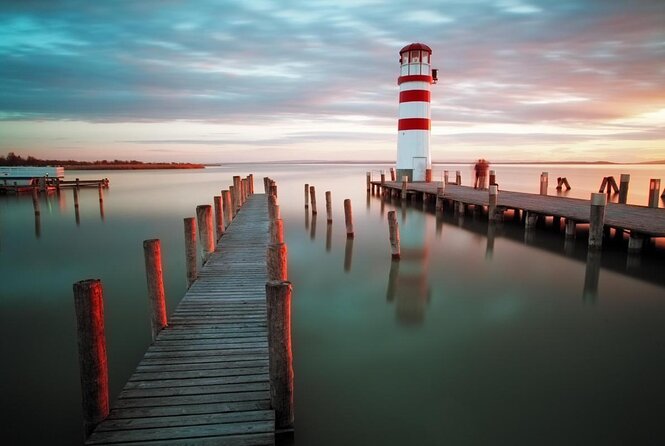
The first day leaves Vienna for Burgenland, an Austrian wine region near Lake Neusiedl. The drive through rolling vineyards provides a softer opening than a major city sightseeing day, and the lake is part of a UNESCO World Heritage setting.
You have about an hour for the lake area. Admission is free, and the value here is the view rather than a formal attraction. This is a good first pause after pickup, especially if you have already spent time in Vienna and want a change of pace.
Next comes Rust, a small town with a preserved historic center, colorful houses, flower boxes, and traditional Austrian architecture. The planned visit lasts about two hours. You can walk the old streets, browse small shops selling wood and natural-material decorations, and find free time for a meal or wine tasting near the vineyards.
Rust is a pleasant contrast to Vienna. It feels local and compact, but the short schedule means you may need to choose between shopping, lunch, and a longer look at the town. Wine purchases and meals are your responsibility, so budget extra if you want to sample the area.
The day ends with the drive toward Bratislava. The listed transfer time is only 30 minutes for that segment, although the full day includes road time and border formalities. Ask your tour leader about the evening hotel location and dinner plans.
Day 2: Bratislava from Michael’s Gate to the castle
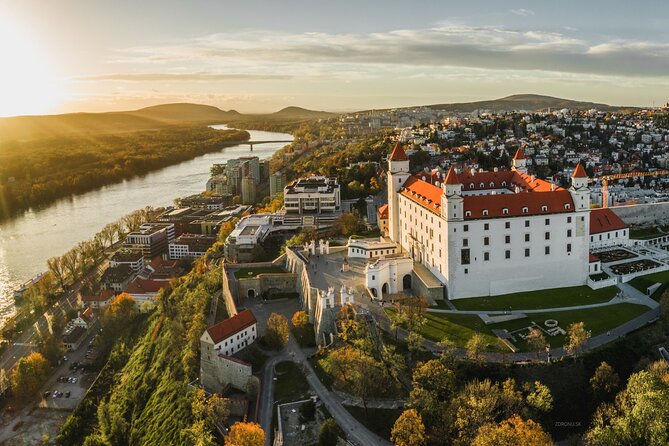
Bratislava is compact enough to explore on foot, and the itinerary sensibly groups the main sights together. You begin in the Old Town, with about an hour for streets, churches, cultural institutions, and the medieval Old Town Hall area.
Michael’s Gate is a short 30-minute stop. It is the only preserved gate from Bratislava’s medieval fortifications, making it one of the city’s clearest links to its older defensive walls. The visit is brief, so treat it as a focused landmark stop rather than a museum visit.
The walk up to Bratislava Castle takes about an hour. The castle sits above the Danube, and the high position gives you a strong city view. Admission to the castle is included, which is useful because the tour already covers the main entry fee.
You then get an hour of free time for Bratislava’s café culture. This is a welcome pause after a morning on foot. Use it for coffee, a snack, or a short independent wander rather than trying to squeeze in another major sight.
The drawback is the limited depth. Bratislava rewards unhurried wandering, and this schedule gives you only a taste. Still, as part of a multi-country trip, it is a sensible introduction.
Day 3: Győr’s Baroque center and café streets
The route continues into Hungary with a stop in Győr, known as the City of Rivers. You have about an hour to walk among colorful homes, churches, and Baroque buildings.
The Town Hall area includes the 59-meter tower, a landmark with a green roof dating from the late 19th century. The Cathedral of the Virgin Mary and the Győr Synagogue add religious and architectural variety. The synagogue’s large gray dome is especially easy to spot from a distance.
The final hour is set aside for Baross Gábor Way, a pedestrian street lined with cafés, shops, bars, and restaurants. You can try Hungarian food and, according to the itinerary, the local blueberry beer.
Győr is a smart inclusion because it breaks up the drive between Bratislava and Budapest. It is also the sort of place you could miss if you traveled only between national capitals. Do not expect extensive museum time, though. This is primarily a walking and food stop.
A different kind of evening in Vienna:
- Vienna: Schönbrunn Palace & Gardens Skip-the-Line Tour
★ 4.7 · 7,739 reviews - Vienna: Light of Creation Votive Church Immersive Light Show
★ 4.8 · 6,779 reviews - Vienna Spanish Riding School Guided Tour
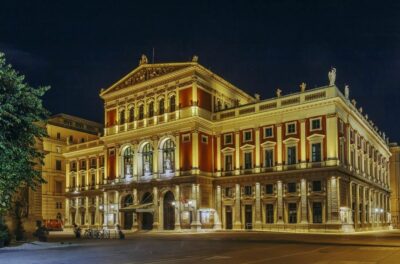
★ 4.7 · 6,765 reviews - Vienna: Classical Concert in the World-Famous Musikverein
★ 4.6 · 6,673 reviews
Day 4: Budapest landmarks and a free evening
Budapest receives the most substantial city treatment so far. The morning includes Saint Stephen’s Basilica, the Opera, Parliament, Heroes’ Square, boulevards, bridges, and Fisherman’s Bastion.
The itinerary presents both sides of the Danube: Buda, with its hills and castle district, and Pest, with its grand boulevards and civic buildings. That split is central to understanding Budapest. You get the broad visual story, even if the schedule cannot cover every interior.
Buda Castle is an included-entry stop lasting about an hour. Its elevated setting and connection to the city’s long political history make it one of the day’s strongest moments. The route also includes Fisherman’s Bastion, where you can take in views across the river.
The evening is free. This is one of the best design choices in the whole trip. Budapest is much more enjoyable when you can choose your own dinner, take an evening walk, or simply rest after several busy days.
Meals and drinks are not included, so use the free evening to plan your own spending. Budapest can be as inexpensive or as lavish as you choose, but the tour price does not cover dinner.
Days 5 and 6: Subotica, Novi Sad, and northern Serbia
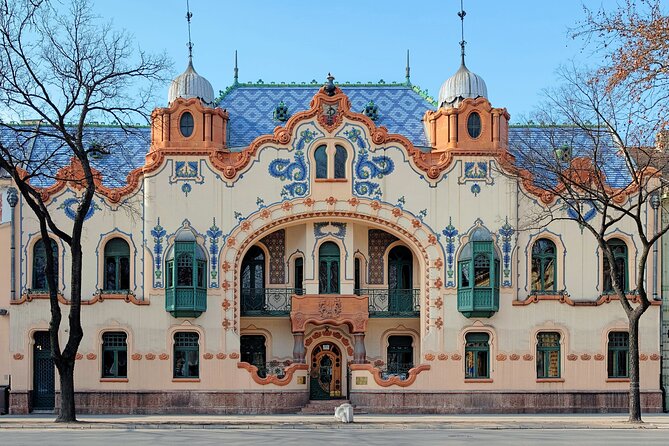
Subotica introduces a different architectural mood. Its decorated buildings and multicultural background reflect the city’s former importance within the Austro-Hungarian world.
The central City Hall is surrounded by a park, fountains, and a broad square. You also visit the Cathedral of St. Teresa of Avila and the Subotica Synagogue, though the synagogue admission is not included. Allow for a small extra charge if you want to enter.
A free hour lets you sit with a coffee or explore the surrounding streets. Subotica is a good place to slow down slightly, sample local food, and notice details in the buildings rather than rushing from one major monument to another.
The next day belongs to Novi Sad, Serbia’s cultural capital. You have about three hours, enough for a more satisfying walk than some of the earlier stops. The route includes the pedestrian streets of Zmaj Jovina and Dunavska, along with Petrovaradin Fortress, often called the Gibraltar on the Danube.
Novi Sad’s position between the old Austro-Hungarian and Ottoman worlds gives the town an appealing mix of influences. You also spend the night here, which helps break up the route and avoids making every day a simple pass-through.
Day 7: Sremski Karlovci and Serbian wine country
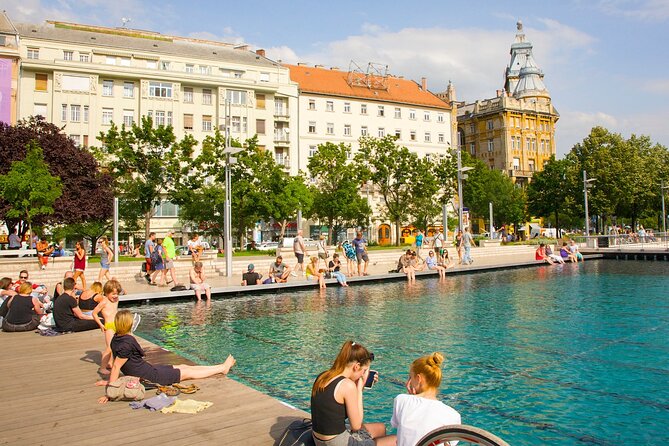
Sremski Karlovci is one of the most characterful stops on the journey. Its Baroque center feels compact and carefully preserved, with streets and buildings tied to Serbia’s cultural and religious past.
The visit lasts about three hours, including free time for regional wine tasting. This is a better setting for lingering than the shorter city stops, and the surrounding vineyards give the day a clear local focus.
The Four Lions fountain comes with a local legend: drink from it and you will return to Karlovci, perhaps to marry there. You do not need to take the story literally to enjoy the moment. It is the kind of small piece of folklore that makes a short visit more memorable.
Wine tasting is not listed as an included cost, so plan to pay separately. The same applies to lunch and other drinks throughout the trip.
Day 8: Belgrade and a pause in Zvornik
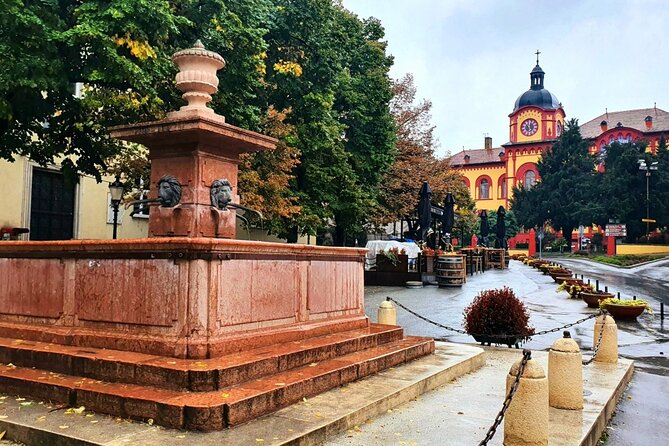
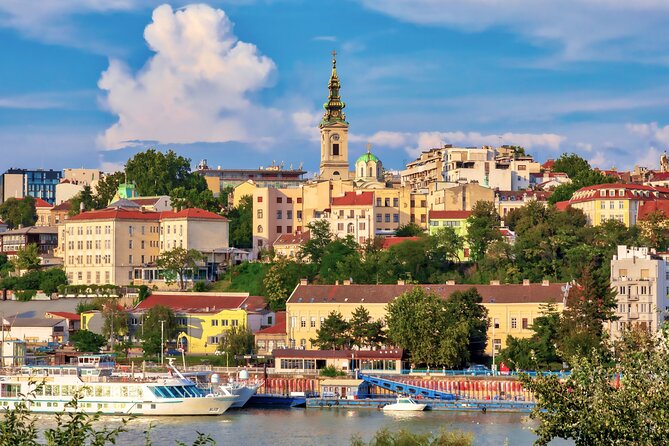
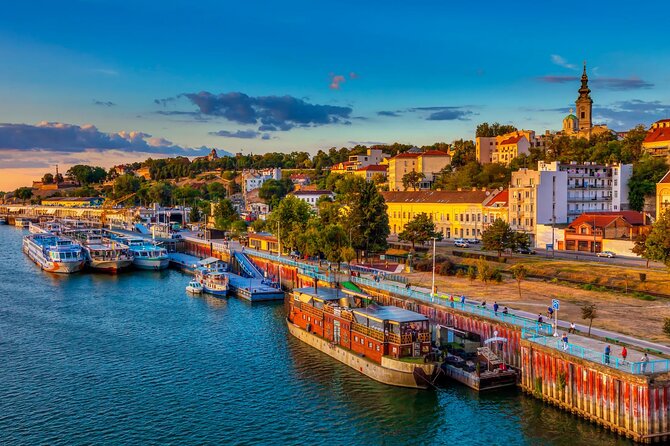
Belgrade begins at the fortress and Kalemegdan Park, positioned where the Sava and Danube meet. The views are the main reward, and the park offers a green break from the city streets.
You continue along Knez Mihailova to Republic Square, a useful central route for seeing how Belgrade’s public life is organized. The listed visit lasts about an hour, so expect highlights rather than a full city tour.
After Belgrade, the route heads toward Bosnia and Herzegovina, stopping in Zvornik for about an hour. Its setting beside the Drina River gives you a quieter interlude after the capital. You can have lunch, try local dishes, or walk through the town before continuing.
This is a long travel day. The short Belgrade visit may feel too brief if you want museums or a deeper look at the fortress, but the stop in Zvornik breaks the journey into manageable sections.
Day 9: Sarajevo and Mostar’s Old Bridge
Sarajevo brings the trip’s strongest historical and cultural contrast. The walking route covers Ottoman and Austro-Hungarian areas, markets, mosques, churches, and synagogues. You also see reminders of the Yugoslav War, including bullet holes and cannon marks.
The terrain is uneven in places. Good walking shoes are essential, and the tour’s moderate fitness requirement should be taken seriously. Sarajevo is not just a photo stop, so give the guide your full attention during the discussions of the city’s origins, the medieval Bosnian kingdom, and its modern past.
At Latin Bridge, you learn how the assassination associated with the outbreak of World War I took place nearby. The bridge itself is modest, but its historical importance gives the stop weight.
The route then continues to Mostar. The Old Bridge, or Stari Most, is the central sight, with its UNESCO designation and 16th-century Islamic architectural style. Two hours in the old bridge area allow time for the Old Bazaar, mosques, Turkish-style shops, cobbled lanes, and the many reminders to not forget the city’s wartime destruction.
Mostar can be crowded and uneven underfoot, so watch your footing and keep your schedule in mind. This is one of the tour’s most rewarding stops, but it deserves more than a quick photograph.
Day 10: Crossing into Croatia
The final day is mainly a transfer. Your tour leader takes you to the Croatian border, and a local driver continues to your hotel in Dubrovnik or Split.
This handoff is practical, but confirm your exact destination before departure. Dubrovnik and Split are not interchangeable, and the transfer arrangement differs according to where you are staying.
The tour does not include lunches, dinners, drinks, snacks, souvenirs, or personal spending. Nine breakfasts are included, along with 3-star accommodation, road and tourist taxes, fuel, international car insurance, and listed entry tickets.
At $3,450.94 per person, the value depends on how much you value convenience. The price is high for a 10-day trip, but it covers cross-border transport, a professional tour leader, hotels, breakfast, and several entry fees. Compare it with the cost and effort of arranging nine hotel nights, private transfers, fuel, insurance, and border logistics yourself.
Room pricing is based on double, twin, triple, or quadruple occupancy. Solo guests should confirm any single-room supplement before booking.
Who should book this journey?
I would choose this tour if you want to cover a large part of Central Europe and the Balkans without driving yourself. It suits you if you enjoy walking tours, changing scenery, historical context, and small-group travel more than extended time at a resort or a single city.
I would not choose it if you want slow mornings, long museum visits, or complete control over meal and hotel choices. The schedule is active, some days involve substantial road time, and the 3-star hotels are practical rather than luxurious.
Also, resolve the Albania wording before booking. The Lake Koman, Shala River, kayaking, Tirana pickup, and local bed and breakfast details describe a different experience from the Vienna to Croatia route. The cancellation policy is strict because the booking is non-refundable, though poor weather or failure to reach the minimum group size can lead to a new date or full refund.
FAQ
Where does the tour start?
The tour starts in Vienna, Austria, with hotel pickup scheduled for 11:00 a.m.
Where does the tour end?
The tour ends after your tour leader takes you to the Croatian border. A local driver then takes you to your hotel in Dubrovnik or Split.
How long is the tour?
The planned duration is approximately 10 days.
What countries does the route visit?
The route includes Austria, Slovakia, Hungary, Serbia, Bosnia and Herzegovina, and Croatia.
What accommodation is included?
Nine overnight stays in 3-star hotels are included, with pricing based on double, twin, triple, or quadruple room occupancy.
Are meals included?
Breakfast is included for all nine overnights. Lunches, dinners, drinks, snacks, and personal spending are not included.
How large is the group?
The tour has a maximum of 10 travelers.
Is the tour refundable?
The experience is non-refundable and cannot normally be changed. If poor weather causes cancellation, or the minimum group size is not reached, you can be offered another date or experience, or a full refund.
Just added in Vienna
- World War II History Vienna Old Town Private Walking Tour★ 4.8 · 9 reviews
- Vienna: Wiener Schnitzel and Strudel Cooking Class★ 4.9 · 126 reviews
- Vienna: Wine Tasting Tour★ 4.8 · 61 reviews
- Vienna: Winery and Wine Tasting Tour with a Wine Expert★ 5.0 · 5 reviews
- Vienna: Wine Tasting E-Bike Tour★ 4.9 · 46 reviews
- Vienna: Wine Tasting at Schönbrunn Palace★ 4.3 · 71 reviews
- Vienna: Unforgettable Private City Tour★ 5.0 · 7 reviews
- Vienna Urban Art Tour: Explore a different side of Vienna!★ 3.8 · 14 reviews
Tours in Vienna, compared.
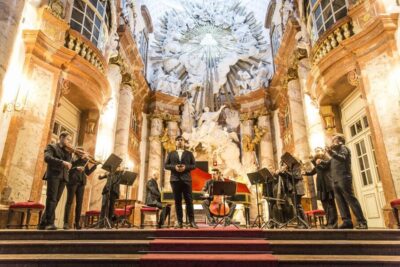
Vivaldi’s Four Seasons Concert in Karlskirche
Read our review →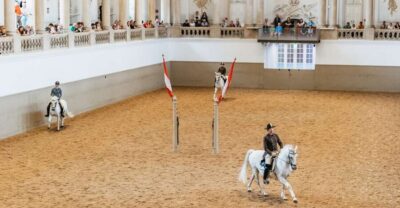
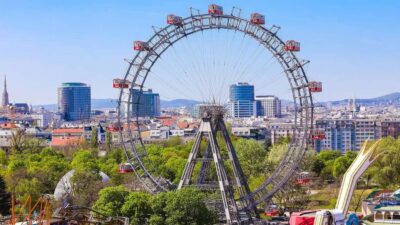
Skip-the-cashier-desk-line Giant Ferris Wheel Ride
Read our review →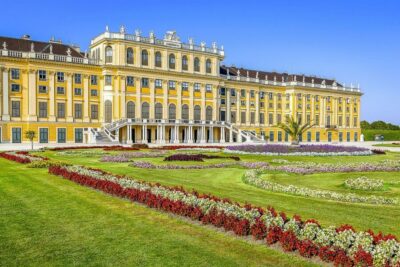
Schönbrunn Palace & Gardens Skip-the-Line Tour
Read our review →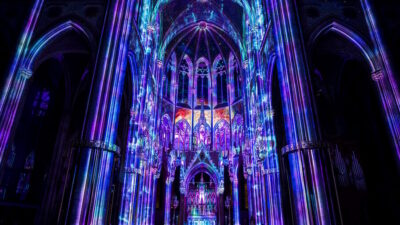
Light of Creation Votive Church Immersive Light Show
Read our review →
Classical Concert in the World-Famous Musikverein
Read our review →