
Reviewed · SCHONBRUNN PALACE TOURS
Vienna: Schönbrunn Palace and City Center Guided Tour
Schönbrunn Palace is the star here, with its grand rooms, royal furniture, and stories of the Habsburg family brought to life by a certified guide. I like that the tour then moves into central Vienna, so you get both the imperial summer residence and the city’s main sights in one compact outing.
I also like the small group of no more than 10 and the separate entrance for the palace visit, which can save time. The main catch is cost: the $81 tour price does not include the €25 palace ticket or €2.40 metro fare, and you must arrive on time because latecomers cannot join or receive a refund.
Key points to know before booking
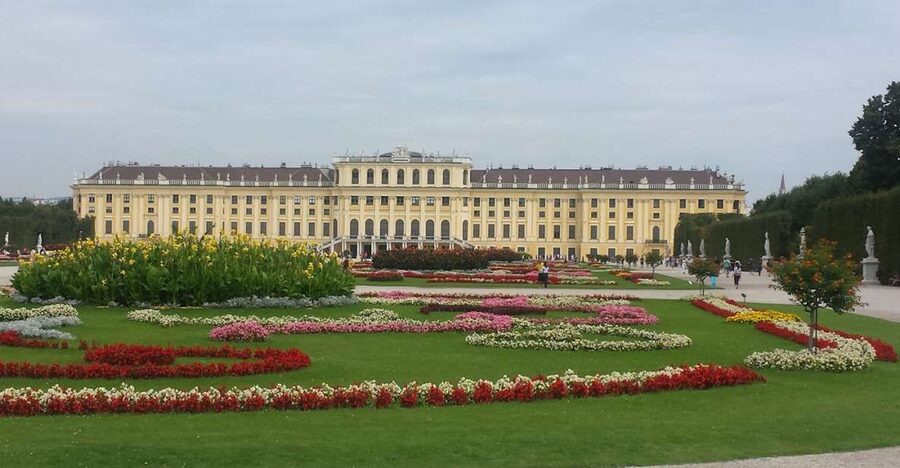
- Schönbrunn comes first: Explore the Habsburg summer residence with a certified guide.
- A separate entrance helps: The tour includes skip-the-line access, but the €25 palace admission is extra and cash only.
- Central Vienna follows: Ride the metro for about 15 minutes, then walk past the Opera House, Hofburg, Graben, and St. Stephen’s Cathedral.
- Small group format: The group is limited to 10 people, making it easier to ask questions.
- Guide quality matters: Cheryl Tham is specifically praised for clear explanations of Austrian history and architectural styles.
- Plan for walking: Wear comfortable shoes, carry water, and bring rain gear.
Why Schönbrunn makes a strong starting point
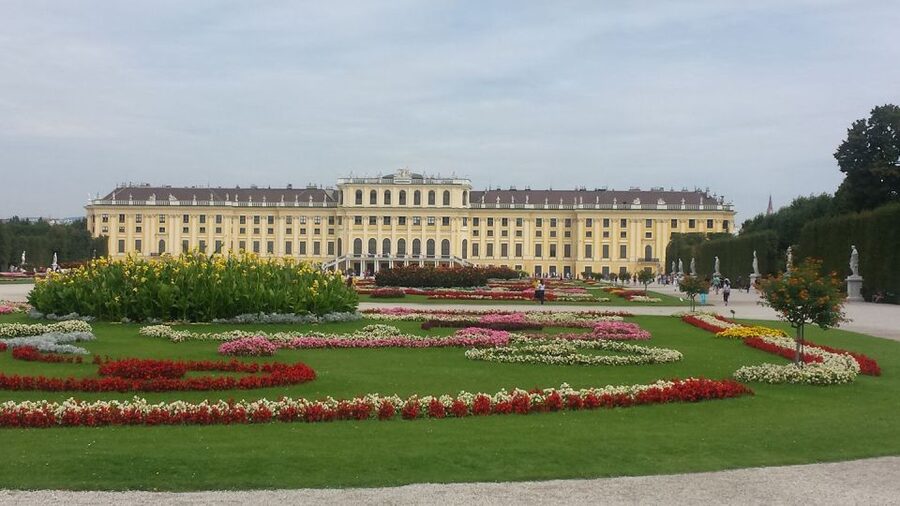
I like the order of this tour. Schönbrunn sits outside central Vienna, and many first-time visitors see it on a separate half-day trip. Here, you begin at the palace and then continue into the historic center, giving you a useful introduction to Vienna’s imperial story in one three-hour block.
The palace was the Habsburg royal family’s summer residence. You move through rooms decorated with furniture, art, and formal interiors connected to emperors, princes, and princesses. The setting gives you a clear sense of how the ruling family presented itself, entertained, and lived.
The value of a guide is especially clear inside a palace. Rooms can blur together when you visit on your own. A good explanation gives the furniture and decorations a purpose, and it helps you connect Schönbrunn with the wider story of Vienna. Guide Cheryl Tham is singled out for explaining Austrian history and for pointing out differences between architectural styles.
The tour uses a separate entrance to skip the line. That does not mean the palace ticket is included. You pay €25 per person for entry, in cash, so bring the correct amount or enough euros. This extra charge is important when you compare the total price with other palace tours.
More palace visits in Austria:
- Vienna: Schönbrunn Palace & Gardens Skip-the-Line Tour
★ 4.7 · 7,739 reviews - Vienna: Skip-the-Line Schönbrunn Palace & Gardens Tour
★ 4.8 · 5,411 reviews - Vienna: Bus & Schönbrunn Palace Skip-the-Line Guided Tour
★ 4.3 · 2,802 reviews
Meeting at the palace main gate
The meeting point is in front of the main gate entrance to Schönbrunn Palace, beside the guard house. Arrive 10 minutes early. This is not a casual suggestion: late arrivals cannot join the group and do not receive a refund.
Take a moment to identify the guard house before the starting time. Schönbrunn is a large complex, and a few extra minutes can disappear quickly if you arrive at the wrong side of the grounds. Your final confirmation email may provide a different meeting point, so check it before setting out.
The tour is offered in English or Chinese. If you need one language in particular, confirm availability when selecting your time. The group size is limited to 10, which should make the guide’s explanation easier to follow than a large coach tour.
Inside Schönbrunn Palace
The palace portion is the most substantial part of the experience. You tour the rooms associated with the Habsburg family and learn about the people who used this summer residence. The appeal is not simply the decoration. It is the connection between the rooms and the royal household that occupied them.
Expect a tour built around interiors, furniture, art, and royal stories. The information supplied for this experience does not promise access to every part of the grounds or special areas, so you should think of it primarily as a guided palace visit rather than a full Schönbrunn estate tour.
I would choose this format if you want context instead of wandering from room to room with an audio guide. The palace is impressive on its own, but the guide’s role is to explain what you are seeing and place it within Vienna’s political and cultural past.
The palace ticket costs €25 and must be paid in cash. Since it is not part of the advertised $81 price, your true outlay is the tour fee plus the admission charge. That makes the experience less of a budget choice, but the separate entrance and live explanation may justify the difference for you.
The 15-minute metro ride into the center
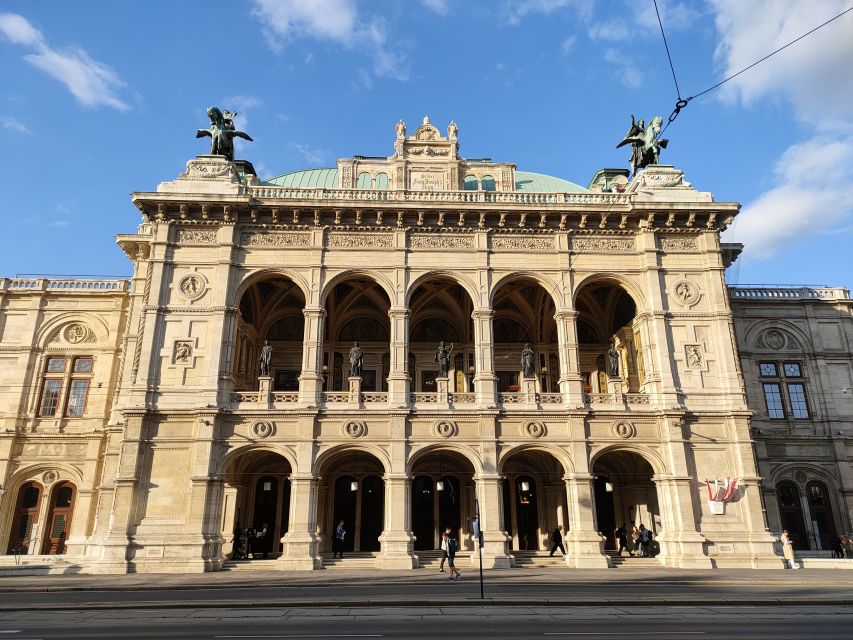
After Schönbrunn, the group takes the subway toward central Vienna. The ride takes about 15 minutes, and the public transport fare is not included. The listed cost is €2.40 per person.
This short transfer is useful because it links two different parts of Vienna without asking you to arrange a second outing. You leave the palace district and arrive in the city center ready for a walking tour of the main imperial sights.
The metro ride also affects the pace. Three hours is enough for an overview, but not for a slow visit at every stop. You should expect an efficient introduction rather than a long palace visit followed by extended time inside each city landmark.
More to book in Austria
- Vienna Spanish Riding School Guided Tour
★ 4.7 · 6,765 reviews - Vienna: Guided Walking Tour of City Center Highlights
★ 4.7 · 4,989 reviews - Vienna: Vienna Central Cemetery Guided Walking Tour
★ 4.8 · 3,307 reviews - Vienna: Tickets for Mozarthaus Vienna with Audio Guide
★ 4.2 · 2,344 reviews
The Opera House and Albertina Square
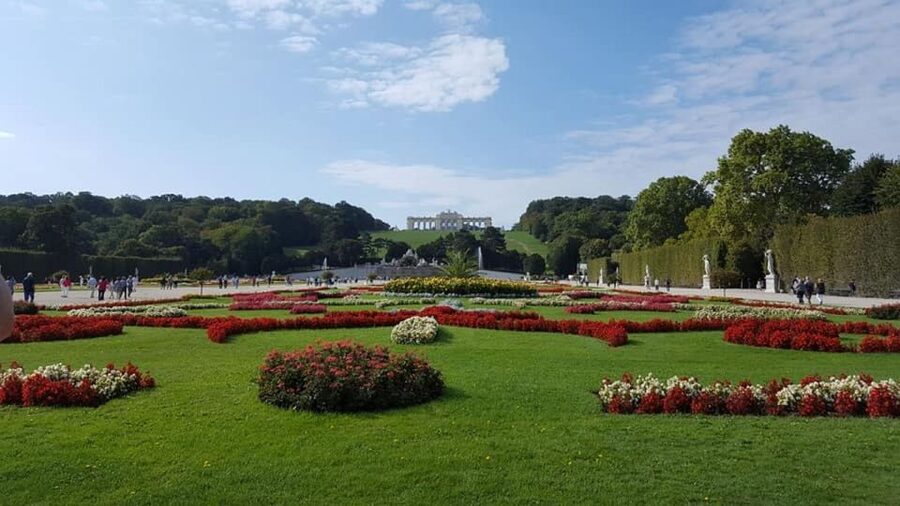
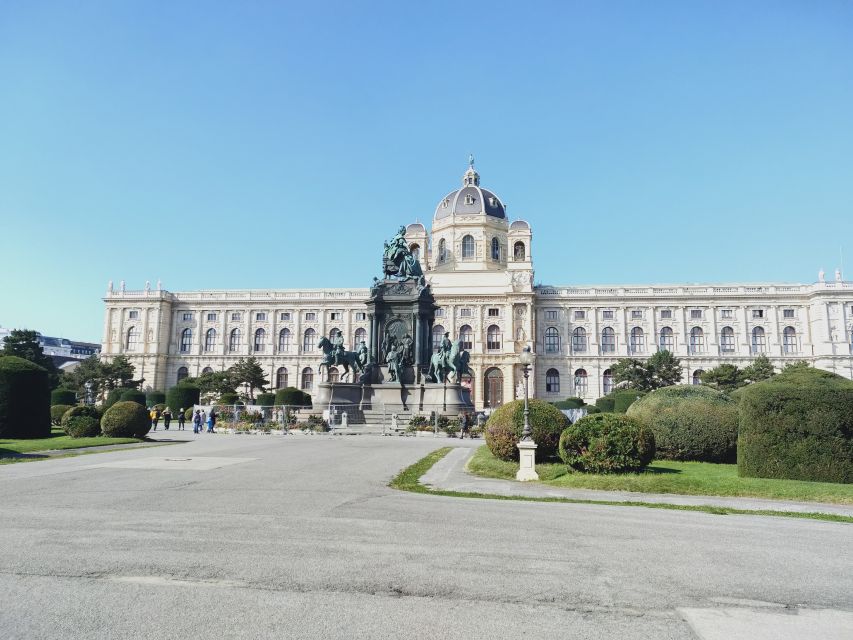
The central walk includes the Opera House exterior and Albertina Square. The Opera House is a key stop for understanding Vienna’s public image as a major center of classical music and imperial culture, but this tour views it from outside. Do not expect an interior visit or performance access.
Albertina Square adds another grand urban setting to the route. The stop works well as part of a broader orientation walk, especially if this is your first day in Vienna. You can see how monumental buildings, formal squares, and palace districts fit together without spending time on a separate museum visit.
The guide’s explanations are likely to be most useful here when they connect architectural details with the city’s past. Cheryl Tham is praised for explaining architectural styles, so this section should appeal to you if you enjoy noticing why buildings look different rather than simply collecting photographs.
Hofburg Imperial Palace and Hero Square
The walk continues to the Hofburg Imperial Palace, Vienna’s main imperial residence. This contrasts nicely with Schönbrunn. Schönbrunn presents the Habsburg summer residence, while the Hofburg represents the central seat of imperial life in the city.
You pass through Hero Square, another important part of the imperial center. The stop helps you understand the scale of the Habsburg presence in Vienna. You are not simply looking at one palace building. You are moving through a series of spaces tied to government, ceremony, and royal power.
The tour includes sightseeing, guided commentary, and photo stops. Some locations are passed from the outside rather than entered. That keeps the route moving, but it also means you should not book this experience expecting full interior visits to the Hofburg or other city-center buildings.
Michaela Square and Graben
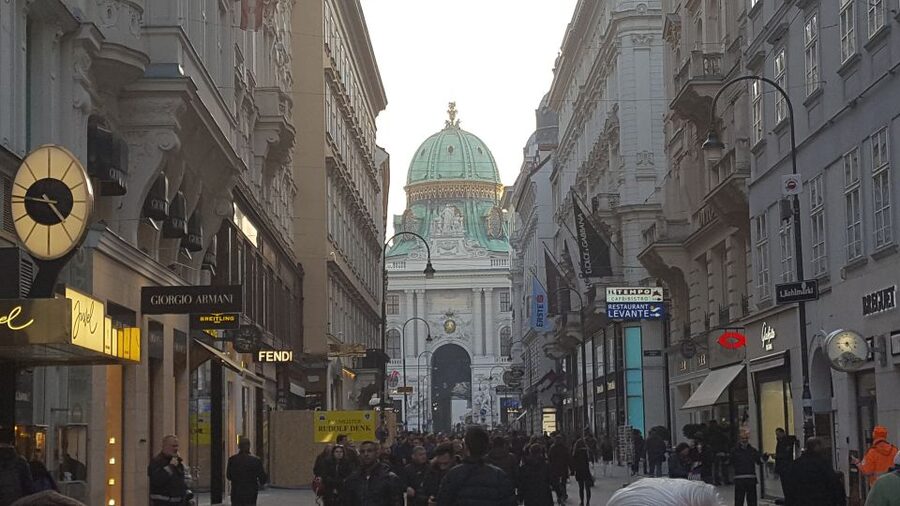
Michaela Square is another part of the Hofburg area, and it gives you a close view of Vienna’s grand central architecture. The route then continues along Graben, one of the city’s best-known streets and part of what is described as the Golden Triangle.
Graben changes the mood of the tour. After palaces and imperial squares, you move into a major central street with shops, historic façades, and everyday city movement. I like this shift because it keeps the experience from becoming only a royal-palace lesson.
You will have a chance to see how Vienna’s formal imperial center connects with its commercial heart. The guide can help you read the street as more than a route between attractions, while you get the kind of orientation that is useful for exploring on your own later.
St. Stephen’s Cathedral as the final landmark
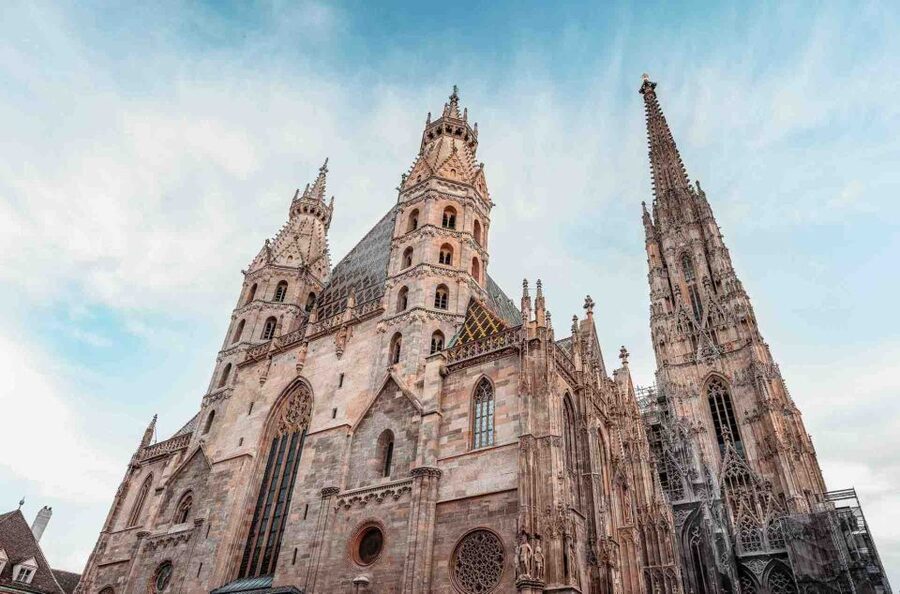
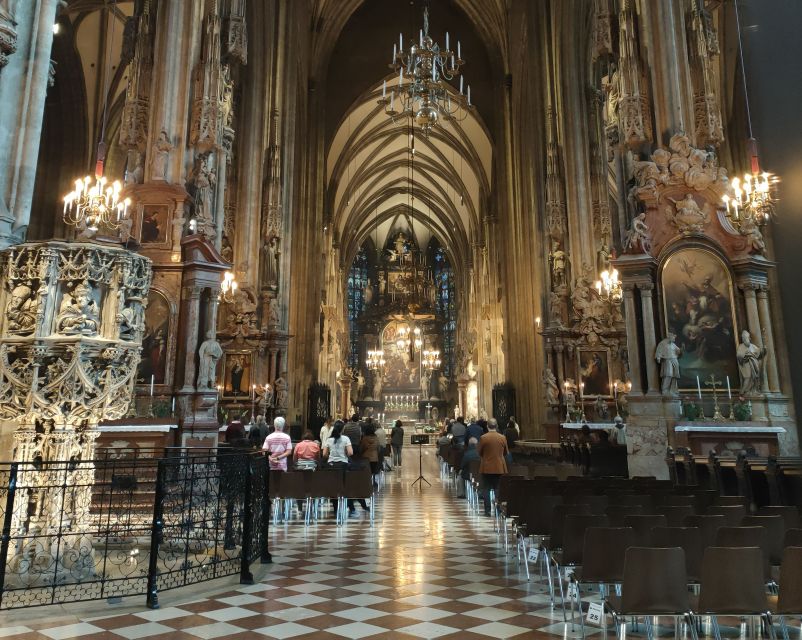
St. Stephen’s Cathedral is the final listed city-center landmark. The cathedral anchors the historic heart of Vienna and gives the walk a strong closing point.
The activity describes this as a guided sightseeing visit and photo stop, so you should confirm with the guide whether the schedule allows an interior visit. The supplied details do not promise entry. Treat the cathedral as a major exterior stop unless your tour confirmation says otherwise.
Even from outside, it is an important place to include in a first look at Vienna. You finish with a clear sense of the city center’s main axis, from the Opera House and Albertina Square through the Hofburg district, Graben, and the cathedral.
What the three-hour schedule really means
Three hours sounds generous until you count the palace, the transfer, and the city walk. The schedule is best understood as a fast but useful overview.
You will cover a lot of ground. One verified booking specifically praises the amount seen during the tour, including the palace and many city sights. That is a strength if you have limited time or want to get your bearings early in your visit.
The trade-off is depth. You will not have unlimited time for photographs, shopping, quiet room visits, or museum interiors. If you prefer to linger over every palace room, this may feel brisk. If you want a compact introduction with a guide who can answer questions, the pace makes sense.
A moderate amount of walking is involved. Wear comfortable shoes, carry water, and bring rain gear. The route includes a palace visit, a metro transfer, and a city-center walk, so poor weather can affect your comfort even though much of the palace portion is indoors.
The guide can make or break the experience
This tour depends heavily on the person leading it. The small group helps, but the real benefit comes from having someone explain the monarchy, the buildings, and the differences in architectural style.
Cheryl Tham receives especially strong praise for being well informed, clear, approachable, and open to questions. One booking specifically highlights her ability to cover Austrian history while also explaining architectural details. That combination is valuable because it gives you both the story and the visual clues.
The experience is available with an English or Chinese-speaking guide. Ask questions during the walk, especially at the palace and Hofburg. A three-hour tour can otherwise become a stream of names and dates. The best use of your time is to connect the guide’s explanations to what you are looking at.
Is the $81 price good value?
At $81 per person, this is not the cheapest way to see Vienna. Add the €25 Schönbrunn admission and €2.40 metro fare, both excluded, and the total becomes noticeably higher. The palace ticket is cash only, so plan for that before you arrive.
Still, the price covers several useful services: a certified guide, the guided palace visit, skip-the-line access through a separate entrance, and a central Vienna walking tour. You are paying for a compact route that combines two major areas rather than booking separate palace and city tours.
I see the value most clearly for a first visit, a short stay, or anyone who wants a quick orientation without spending time planning connections. It is harder to justify if you already know Vienna, prefer exploring alone, or want long visits inside the palace and central landmarks.
The small group limit of 10 also matters. You are not being moved through the city in a large crowd, and it should be easier to hear the guide and ask about details. That is a practical benefit, not just a marketing label.
Who should book this Vienna tour?
I would recommend it to first-time visitors who want the main imperial sights explained in one morning or afternoon. It also suits you if you enjoy architecture, royal history, and guided walks but do not want a full-day excursion.
It is a good fit for people with limited time. Schönbrunn can take planning because it is outside the center, while the route into town lets you continue seeing Vienna’s key sights without organizing a second transport plan.
Families and older visitors should consider the walking pace and the need to stay with the group. The activity requires punctuality, and latecomers cannot join. Anyone who needs frequent breaks should ask about the schedule before booking, since only a moderate amount of walking is specified.
I would skip it if your priority is a leisurely palace visit, extended museum time, or entering every major building. The Opera House, Hofburg, and St. Stephen’s Cathedral are included as exterior sightseeing stops or photo stops, so this is an overview rather than an interior-focused tour.
My booking advice
Book this tour if you want one guided introduction to Schönbrunn and central Vienna, especially early in your stay. The combination is efficient, the small group is a real advantage, and Cheryl Tham’s strengths in Austrian history and architecture make the guide-led format appealing.
Before paying, budget for the extra €25 palace ticket and €2.40 metro fare. Check the confirmation email for the final meeting point, arrive 10 minutes early, and bring cash, comfortable shoes, water, and rain gear.
Choose it with realistic expectations: you will see a lot, learn how Vienna’s imperial center fits together, and save time with the palace entrance arrangement. You will not receive a slow, all-day exploration of every interior. For a focused first look at Vienna, that is a fair trade.
FAQ
How long does the Vienna tour last?
The tour lasts three hours, including the Schönbrunn Palace visit, the metro transfer, and the guided walk through central Vienna.
Where does the tour begin?
The meeting point is in front of the main gate entrance of Schönbrunn Palace, beside the guard house.
How early should I arrive?
Arrive 10 minutes before the scheduled start time. Latecomers cannot join the group and will not receive a refund.
Is the Schönbrunn Palace entry ticket included?
No. The palace entry ticket costs €25 per person and must be paid in cash.
Is public transport included?
No. The metro ride from Schönbrunn Palace to the city center takes about 15 minutes, and the fare is €2.40 per person.
Which language is the guide available in?
The tour is offered with a live guide in English or Chinese.
How large is the group?
The group is limited to 10 participants.
What should I bring?
Bring comfortable shoes, water, and rain gear. You should also carry cash for the Schönbrunn Palace admission fee.
Just added in Austria
- Zurich: Liechtenstein, Austria and Germany Private Day Tour★ 5.0 · 6 reviews
- Zell am See: Schmittenhöhe Tandem Paragliding Flight★ 4.9 · 82 reviews
- Zell am See: Paragliding Tandem Flight★ 5.0 · 31 reviews
- Zurich: Private Liechtenstein, Austria, and Germany Day Trip★ 5.0 · 16 reviews
- From Krems: Wachau Valley River Cruise on the Danube★ 4.6 · 95 reviews
- Vienna: UNESCO Schönbrunn Palace Guided Tour with Entry★ 4.5 · 94 reviews
- World War II History Vienna Old Town Private Walking Tour★ 4.8 · 9 reviews
- Villach/Ossiachersee: Paragliding “Panorama” Tandemflug★ 4.9 · 30 reviews
Schonbrunn Palace Tours, compared.
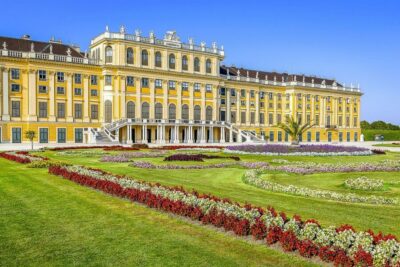
Schönbrunn Palace & Gardens Skip-the-Line Tour
Read our review →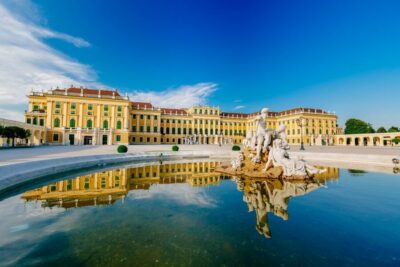
Bus & Schönbrunn Palace Skip-the-Line Guided Tour
Read our review →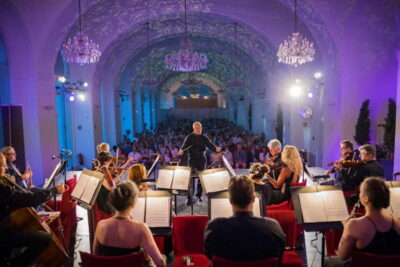
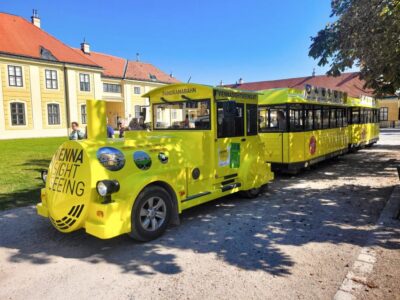
Panorama Train Tickets to explore Schönbrunn Palace
Read our review →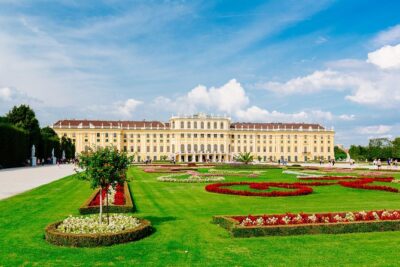
Skip-the-Line Schonbrunn Palace Guided Tour and Vienna Historical City Tour
Read our review →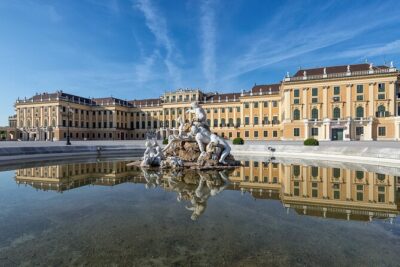
Exclusive Evening at Schönbrunn Palace: After-Hours Audiotour, Dinner, Concert
Read our review →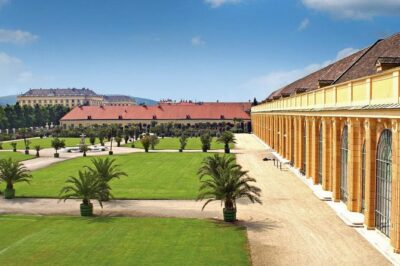
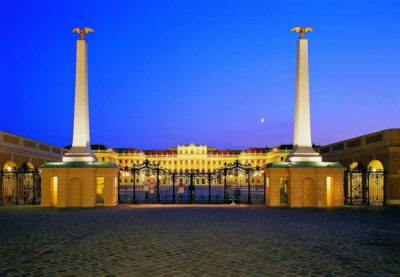
Schönbrunn Palace Evening Tour, Dinner and Concert
Read our review →Browse the lists this tour appears in