
Reviewed · COFFEE HOUSE & CAKE EXPERIENCES
Vienna: Guided Viennese Coffee-House Tour
Vienna’s coffeehouses are not simple cafés with pretty furniture. They are places to linger, read, talk, and watch the city unfold over a single cup. This three-hour tour brings that custom to life through several historic stops, tastings of three Viennese coffee specialties, strudel, and stories from a local guide.
I like the small group, limited to eight people, because it gives you room to ask questions and settle into each café. I also like the mix of famous names such as Prückel, Hawelka, and Demel with a more modern stop at Coultur. The main drawback is the walking and standing between cafés, so this is not a good fit if you have limited mobility.
Key points at a glance
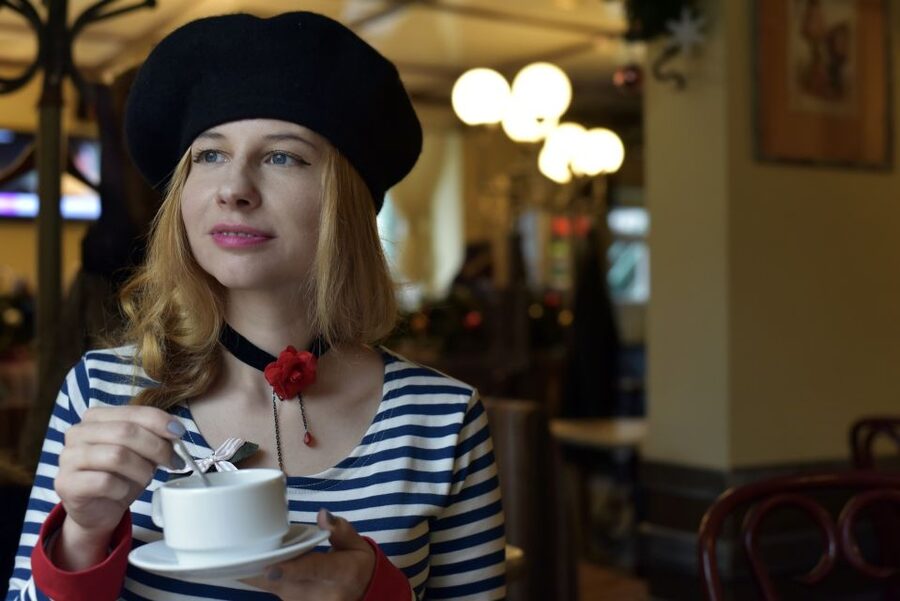
- Four very different café settings: The route can include Prückel, Hawelka, Demel, and Coultur, giving you more than one version of Vienna’s café tradition.
- Three coffee specialties included: You can try classics such as a creamy Melange and an Einspänner instead of ordering one familiar drink.
- A guide-led cultural tour: Guides such as Lilit and Tina explain coffee customs, café history, and local habits with humor and useful detail.
- Strudel and small sweets included: The food is modest but well matched to the coffee tastings.
- Small groups of up to eight: You get a more personal experience than on a large city tour.
- Three hours with café time built in: The pace is relaxed, with time to sit and enjoy each stop rather than rush through a list of addresses.
Why Vienna’s cafés deserve three hours
Viennese coffeehouse culture is built around time. You do not simply order a coffee, drink it quickly, and leave. The café gives you a table, a glass of water, and space to sit with your thoughts. That old habit helped make coffeehouses social and cultural meeting places from the 17th century onward.
I like this tour because it explains the custom while you are sitting inside it. You learn the difference between coffee drinks, see how presentation matters, and hear the stories that make an old café feel like more than a backdrop for photographs.
The experience also gives you a better sense of local etiquette. Coffee comes with its own language and traditions in Vienna. A Melange, for example, is creamy and approachable, while an Einspänner has a stronger coffee character with a generous topping. Trying several styles lets you compare them instead of treating all Viennese coffee as the same drink.
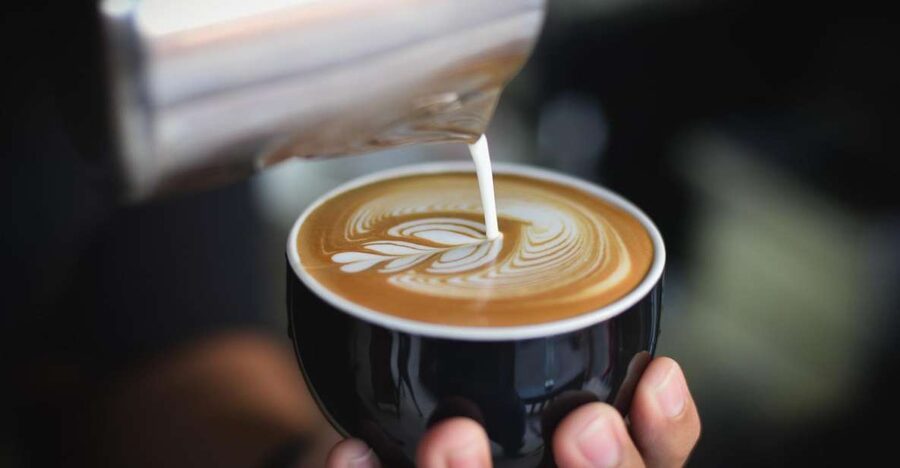
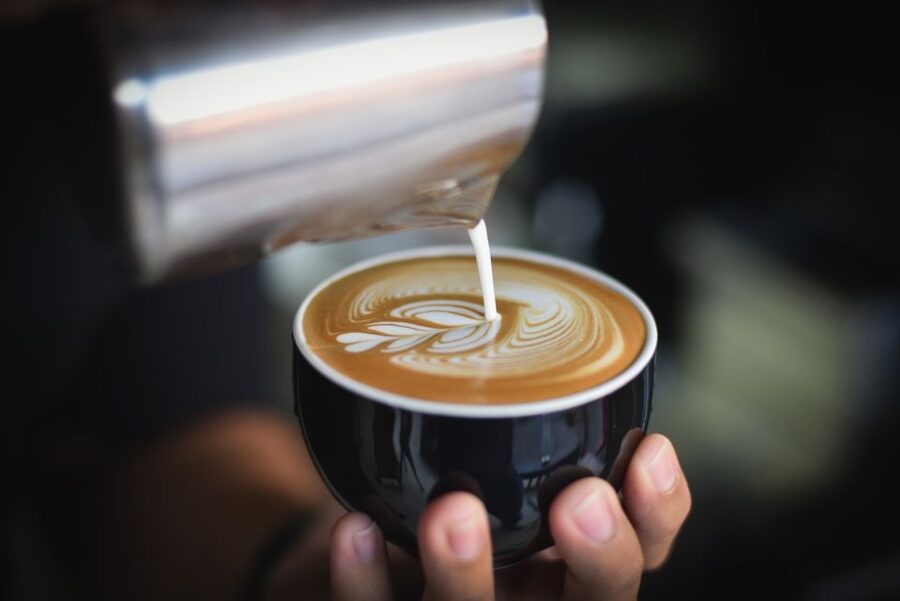
This is not a coffee-making class where you roast beans or operate an espresso machine yourself. The emphasis is on tasting, watching, and understanding. You may see a barista prepare attractive latte art, then hear how coffee is roasted, brewed, and served in different forms.
More cake and coffee stops in Vienna:
- Vienna: Typical Austrian Food Tour with Coffee House Visit
★ 4.8 · 159 reviews - Vienna: Wiener Schnitzel and Strudel Cooking Class
★ 4.9 · 126 reviews - Vienna: 2.5-Hour Viennese Coffee, Cake, and Chocolate Tour
★ 4.6 · 44 reviews
Meeting your guide outside the first café
You should arrive five minutes before the scheduled start. Look for the GTOUR-Guide waiting in front of the coffeehouse. The exact starting time depends on the date and availability, so check that detail when booking.
There is no hotel pickup or drop-off. You make your own way to the meeting point, and the activity then continues on foot between cafés. That arrangement keeps the tour focused and helps you move through central Vienna at a sensible pace, but it also means you should plan a little extra time to reach the first stop.
The group size is one of the best practical features. With no more than eight people, you can hear the guide clearly in a café and ask about anything that catches your attention. This matters in a place where details can be easy to miss, from the way a drink is served to the reason a café feels formal, casual, old-fashioned, or modern.
Guide quality appears to make a real difference here. Lilit has a warm, humorous style and adds useful anecdotes without turning the tour into a lecture. Tina is also praised for explaining the customs clearly and adjusting to questions and requests. Guide assignments can change, but the format gives you a person who can connect the drinks to the city around you.
Prückel and the grand Viennese café tradition
Café Prückel is one of the named stops on the route. It represents the traditional side of Vienna’s coffeehouse culture, where the room and the ritual matter as much as the drink.
At a café like this, you can expect to spend time looking around, not just drinking. Historic interiors, carefully arranged tables, and a slower pace help explain why coffeehouses became places to meet, read, and talk. Your guide puts those details into context, so the setting does not remain just a pretty room.
The stop is also useful for learning how Viennese coffee differs from café culture elsewhere. A coffeehouse is not built around speed. You are encouraged to settle in, and the included water and pastry fit that habit. I appreciate that the tour allows time in the cafés rather than making each visit a quick sample.
Prückel is likely to appeal most if you enjoy architecture, design, and social customs along with your coffee. If you want three fast tastings with no background information, the relaxed pace may feel long. The activity is deliberately slower than a standard food walk.
Hawelka and the café as a meeting place
Café Hawelka adds another historic stop to the route. Its name is closely tied to Vienna’s café tradition, and visiting it helps show how each establishment has its own personality.
Your guide can explain how cafés functioned as places for conversation, reading, and creative work. That context is important because the appeal is not only the quality of the coffee. The room, the service style, and the chance to remain at the table all form part of the experience.
I like the contrast between moving through the city and then pausing indoors. The walk gives you a look at Vienna between stops, while the café visits offer a quiet break. It is a good rhythm for a three-hour activity, especially on a rainy day when you want shelter without giving up sightseeing.
The tour runs rain or shine, so bring clothing suited to the weather. Large bags and luggage are not allowed, which is worth noting if you are trying to fit this between hotel checkout and a train departure. A small personal bag is the safer choice, but the supplied information specifically warns against large bags and luggage.
More to book in Vienna
- Vienna Coffee, Cake & Pastries Tour with Local Stories
★ 5.0 · 470 reviews - Vienna: Guided Foodie Walking Tour with Tastings and Coffee
★ 4.9 · 246 reviews - Vienna Eats: Private Foodie Walk with Coffee & Markets
★ 5.0 · 77 reviews - Strauss Exhibition incl. LED Concert Show / Coffee + Strauss Cake
★ 5.0 · 30 reviews
Demel, pastries, and the sweeter side of Vienna
Demel is another possible stop and adds a strong pastry connection to the route. Vienna’s café customs make more sense when you taste coffee with something sweet, and the included piece of strudel gives you that pairing in a classic form.
The strudel is one included piece, not a full meal. Plan to eat beforehand if you need lunch or a substantial snack. The tour also includes sweet candies or bonbons, which are a small extra rather than a major food course.
At Demel, the focus is not only on dessert. Your guide can show you how pastries fit into the social life of the coffeehouse. A coffee and a piece of cake can occupy a table for a while, giving you an easy way to pause during a day of sightseeing.
I find this part especially useful for anyone who is unsure what to order in Vienna. Instead of studying a long menu alone, you can try a traditional drink and learn what makes it different. You also get a better idea of the balance between bitter coffee, cream, and sweet pastry.
Coultur and a more modern coffee stop
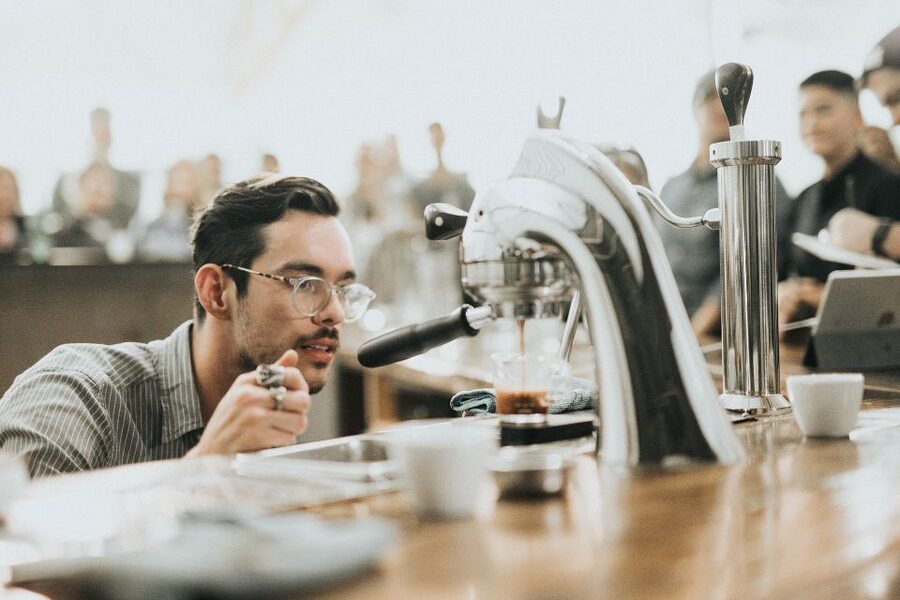
Coultur brings a newer note to the route. The tour is not limited to old-fashioned interiors, and that is a strength. Vienna’s coffee scene is not frozen in the past. A modern café can show how the city’s coffee habits continue to develop while still respecting older customs.
This is also where the latte-art element may be most appealing. Watching a skilled barista create a design on the surface of your drink turns preparation into a small performance. It gives you something visual to enjoy, though the tour is not marketed as a hands-on latte-art workshop.
The contrast between a traditional establishment and a contemporary café helps you understand the range of the city’s coffee culture. You can compare the setting, service, presentation, and mood without having to visit four cafés on your own.
The named cafés can vary with the operating schedule, so you should treat the listed places as the expected style of the route rather than a guarantee that every stop will occur on every departure. The tour promises a selection of iconic and modern coffeehouses, and the exact sequence may depend on the day.
Three coffees, strudel, and what you actually receive
The included food and drink are enough to make the $84 price meaningful, but the value depends on what you want from the outing. You receive three Viennese coffee specialties, one piece of strudel, water, and sweet candies or bonbons. A personal guide is also included.
The three coffees are the heart of the tasting. You can sample drinks such as Melange and Einspänner, compare their textures, and learn the traditional names. Since each café may handle preparation and presentation a little differently, the tasting becomes a lesson in style as well as flavor.
The included items do not make this a full food tour. You are paying for access to several café experiences, the guide’s explanations, and the time spent in places that you might otherwise visit without understanding. If you already plan to order coffee and strudel at several famous cafés, the price can offer fair value by combining those costs with a small-group guide.
If your main goal is simply the cheapest cup of coffee, $84 is too much. If you want to understand the customs, sample several drinks, and avoid planning a café route yourself, the price is easier to justify.
What the three-hour pace feels like
The tour lasts three hours, but the schedule is not built around constant walking. You spend meaningful time in the coffeehouses, and that is why the duration works. One local participant specifically noted that the length should not worry you because there is plenty of time to sit inside the cafés.
That slower rhythm is a major part of the experience. You have time to listen, taste, ask questions, and notice the setting. The tour feels closer to a guided cultural introduction than a checklist of coffee stops.
Still, you should expect some walking between cafés. The activity is not recommended for people with limited mobility, and it is listed as unsuitable for people with mobility impairments. The information also describes it as wheelchair accessible, so there is a practical inconsistency to consider. If accessibility matters to you, contact the provider before booking and ask about the specific route, entrances, seating, and walking distance on your date.
The small group makes the pace easier to manage than a large group, but it does not remove the need to walk or stand. Comfortable shoes and a light bag are sensible choices.
Who will enjoy this tour most
I would recommend this experience to you if you enjoy food, local customs, and stories that explain why a city behaves the way it does. It is especially useful early in a Vienna visit because you can use what you learn when ordering coffee on your own later.
It also suits people who prefer a guided introduction to cafés rather than researching a route and hoping for a table. The guide handles the sequence, explains the drinks, and gives you a reason to notice details that might otherwise pass by.
The tour is a good match for couples, friends, and solo visitors who like conversation in a small group. It can also work for coffee fans who want to try styles beyond the usual espresso or cappuccino.
I would hesitate to recommend it if you dislike sitting for long periods, have difficulty walking between venues, or want a full meal. It is also not ideal if you prefer a technical coffee course with extensive instruction on roasting and brewing. You will learn about those subjects, but the main experience is tasting coffee in Vienna’s café settings.
Booking details worth knowing before you go
You can book now and pay later, which helps if your Vienna schedule is still changing. Free cancellation is available up to 24 hours before the activity for a full refund.
The tour is offered in English and German. It runs in all weather, so rain will not cancel the experience by default. Leave luggage and large bags behind, and arrive five minutes early at the café entrance.
The experience had an overall rating of 4.8 from 48 ratings, with especially strong praise for the guides. The most consistent strength is not one particular coffee or café. It is the way guides such as Lilit and Tina explain the customs in a friendly, entertaining way and answer questions without making the tour feel like a classroom.
Should you book the Viennese Coffee-House Tour?
Book it if you want more than a coffee break. The three included specialties, strudel, small group, and visits to places such as Prückel, Hawelka, Demel, and Coultur give you a useful introduction to one of Vienna’s defining customs.
Skip it if you are looking for a quick tasting, a full meal, or a fully accessible route with no walking. For most visitors who like slow mornings, old cafés, local stories, and a little pastry with their sightseeing, $84 is a reasonable price for three hours of guided context and tasting.
FAQ
How long is the Viennese Coffee-House Tour?
The tour lasts three hours. The schedule includes time to sit in several cafés, taste coffee, and hear stories from the guide.
How many people can join the tour?
The tour is limited to eight participants, making it a small-group experience.
Which languages are available?
The live guide speaks English or German.
Which coffeehouses does the tour visit?
The route can include Prückel, Hawelka, Demel, and Coultur. The exact café sequence may vary.
What food and drinks are included?
You receive three Viennese coffee specialties, one piece of strudel, water, and sweet candies or bonbons.
Is hotel pickup included?
No. Hotel pickup and drop-off are not included. You should meet the GTOUR-Guide in front of the coffeehouse and arrive five minutes before the start.
Can I bring luggage?
No. Luggage and large bags are not allowed on the tour.
Is the tour suitable for people with limited mobility?
The tour is not recommended for people with limited mobility and is listed as unsuitable for people with mobility impairments. Although it is described as wheelchair accessible, you should confirm the route and access details with the provider before booking.
Just added in Vienna
- World War II History Vienna Old Town Private Walking Tour★ 4.8 · 9 reviews
- Vienna: Wiener Schnitzel and Strudel Cooking Class★ 4.9 · 126 reviews
- Vienna: Wine Tasting Tour★ 4.8 · 61 reviews
- Vienna: Winery and Wine Tasting Tour with a Wine Expert★ 5.0 · 5 reviews
- Vienna: Wine Tasting E-Bike Tour★ 4.9 · 46 reviews
- Vienna: Wine Tasting at Schönbrunn Palace★ 4.3 · 71 reviews
- Vienna: Unforgettable Private City Tour★ 5.0 · 7 reviews
- Vienna Urban Art Tour: Explore a different side of Vienna!★ 3.8 · 14 reviews
Coffee House & Cake Experiences, compared.
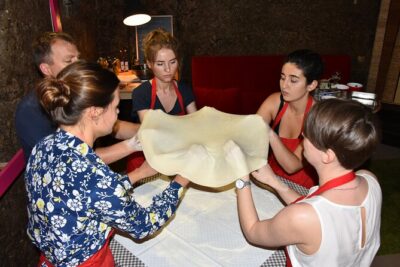
Austrian Apple Strudel Cooking Class including Lunch in Salzburg
Read our review →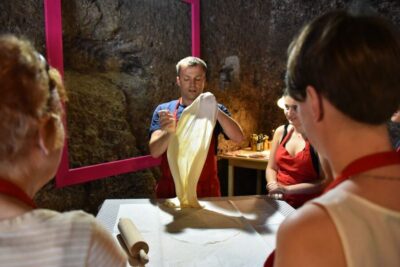
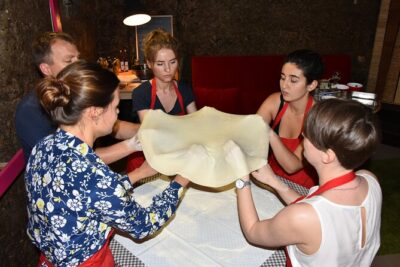
Salzburg Christmas Cookies and Apple Strudel Cooking Lesson
Read our review →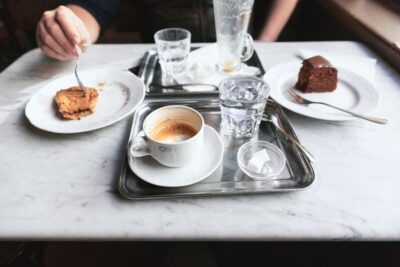
Typical Austrian Food Tour with Coffee House Visit
Read our review →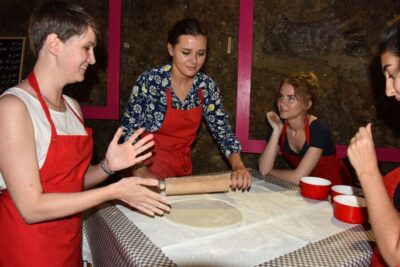
Cookies and Apple Strudel Cooking Class Including Lunch
Read our review →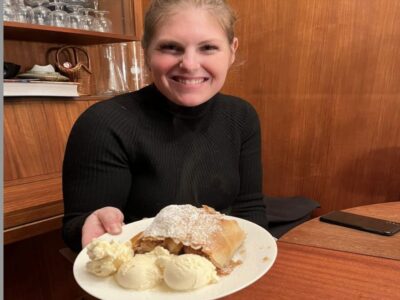
Apple Strudel & Prezel Cooking Class incl. Dinner & Music
Read our review →
2.5-Hour Viennese Coffee, Cake, and Chocolate Tour
Read our review →Browse the lists this tour appears in