
Reviewed · MOZART & CLASSICAL CONCERTS
Vienna: Classical Concert in St. Anne’s Church (Annakirche)
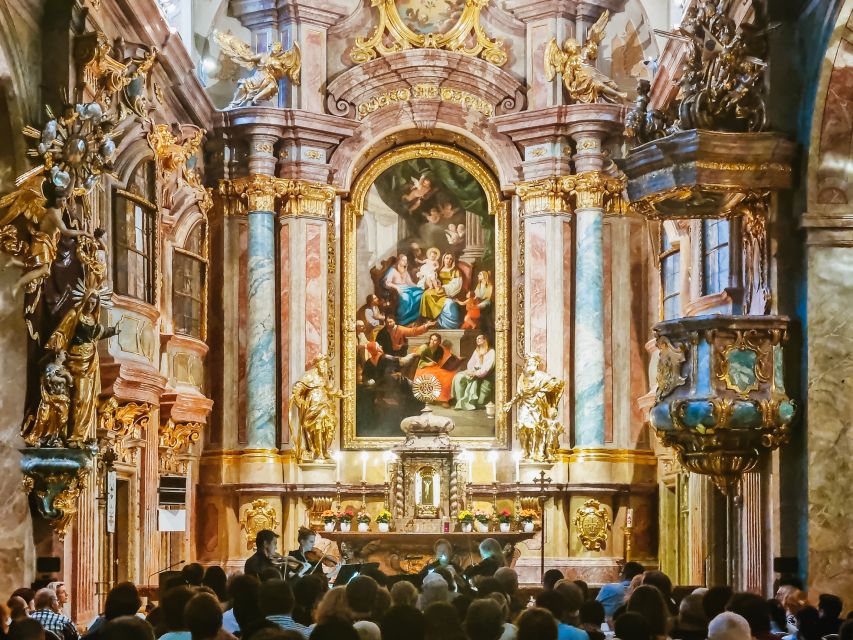
A string quartet playing Mozart or Haydn inside St. Anne’s Church is a very Viennese way to spend an evening. The small Baroque church gives the music a close, human scale, while the old walls send each note clearly through the room. You are not attending a grand opera production here. You are sitting near four musicians and watching the music being made.
I like two things especially: the use of period instruments, which gives the classical works a distinct historical flavor, and the easy location just three minutes from the Vienna State Opera. The main drawback is free seating. If you want to sit close enough to watch the musicians’ hands, arrive 30 to 40 minutes early. Late arrivals and occasional talking can also disturb the quiet mood.
Key points
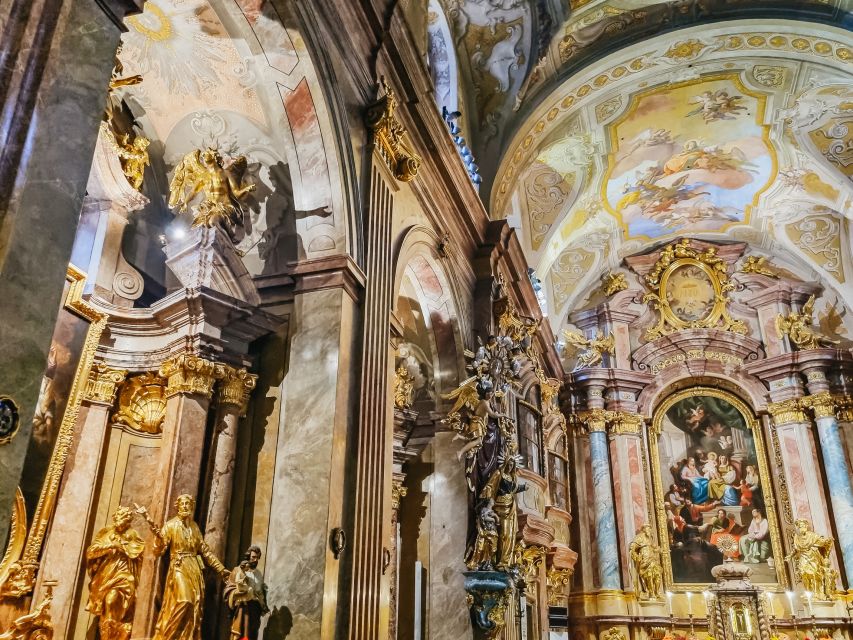
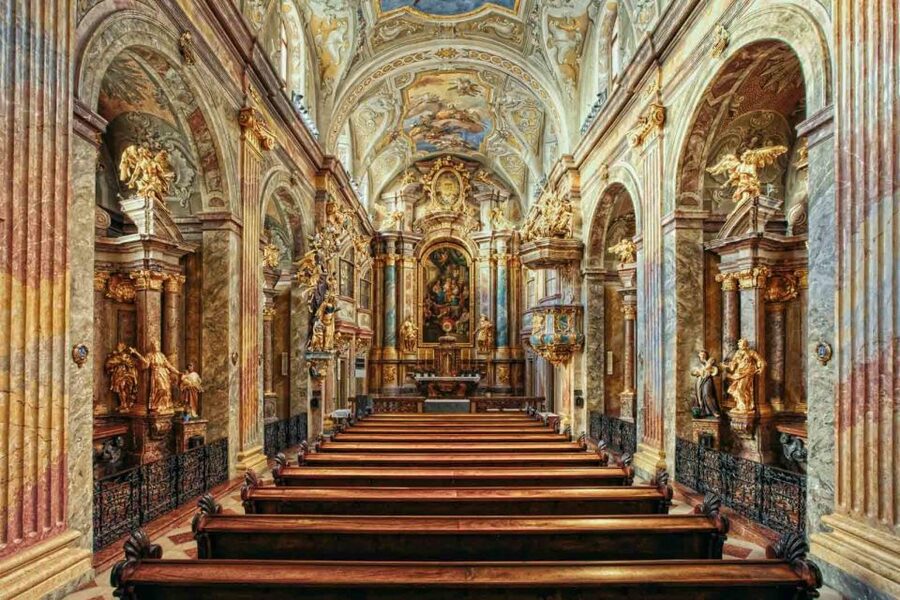
- Baroque church setting: St. Anne’s has ornate decoration, blue marble balconies, gold details, and an intimate scale.
- Period-instrument sound: The ensemble plays music from Mozart’s and Schubert’s era on historically styled instruments.
- A 70-minute program: The compact length fits neatly into an evening of dinner, sightseeing, or a stroll through central Vienna.
- Free seating: Seats are not assigned, so early arrival matters if you want the front rows.
- Central meeting point: Annagasse 3b is a short walk from the State Opera and about five minutes from Karlsplatz and Stephansplatz underground stations.
- Good value at $38: The price is modest for live chamber music in one of Vienna’s ornate historic churches.
Why a Small Church Concert Works So Well in Vienna
Vienna has no shortage of classical music. You can choose grand halls, opera performances, palace concerts, and chamber recitals. St. Anne’s Church offers something different: a modestly sized room where the musicians remain the focus and the architecture becomes part of the performance.
The church is in the pedestrian center, on Annagasse, close to the Vienna State Opera. That makes this an easy addition to a sightseeing day. You can visit the Hofburg, walk along the Graben, or stop for dinner nearby, then reach the church without arranging a special ride.
I like the way the setting changes your sense of scale. A large concert hall can make a string quartet feel distant. Here, four musicians can fill the room without overpowering it. You see the bow strokes, the players’ concentration, and the small exchanges between them. The sound is direct, but the church’s acoustics add a gentle echo.
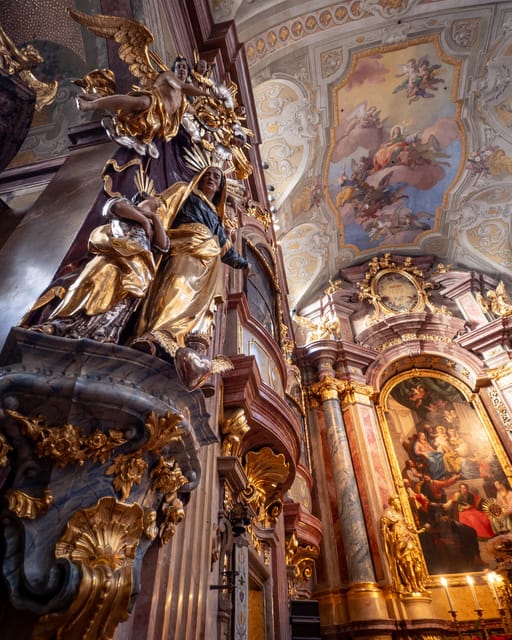
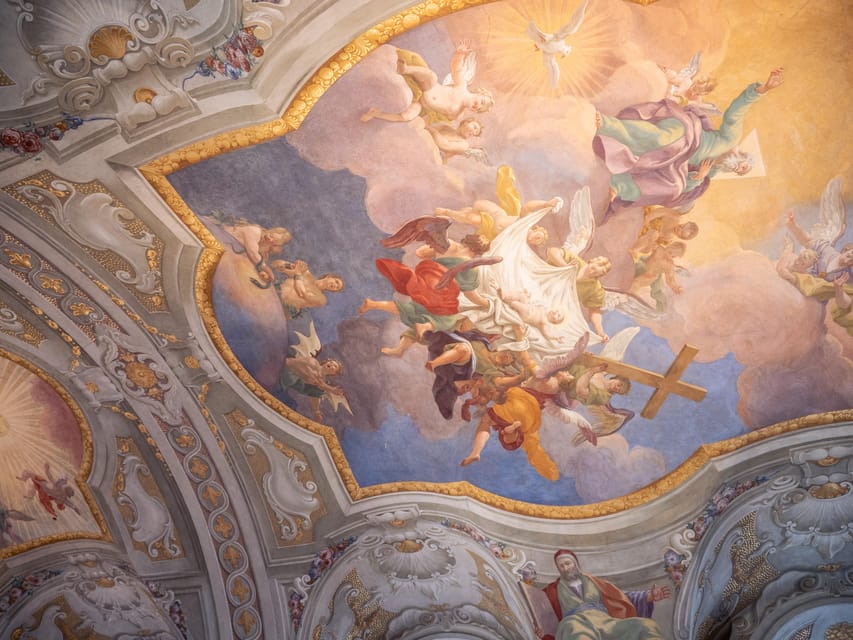
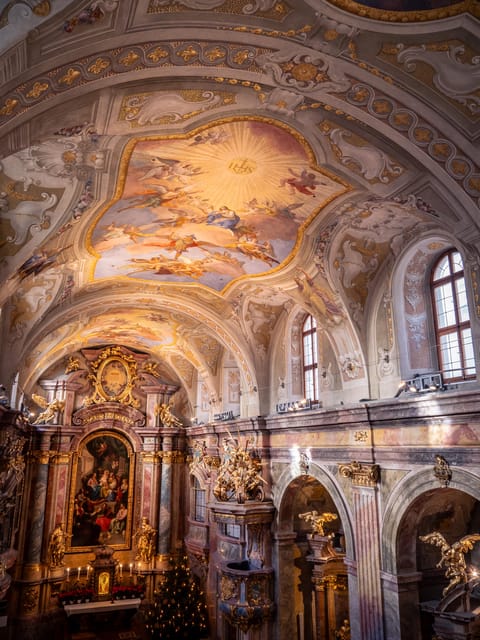
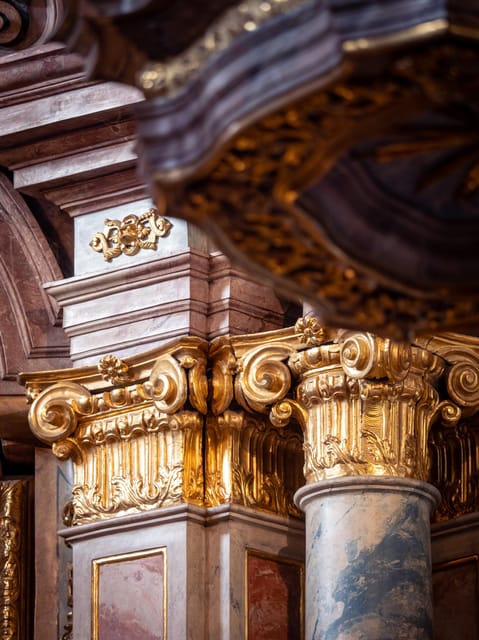
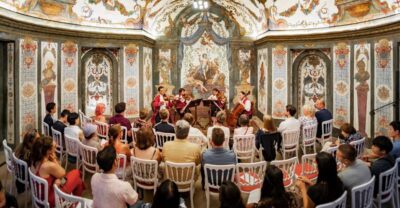
The church itself deserves your attention before the music begins. It is richly decorated in the Baroque style, with ornate gold ornament, blue marble features, and a warm, carefully lit interior. One particularly memorable detail noted by concertgoers is the blue marble balconies, which add color to an already elaborate room.
More Classical Concerts in Vienna
- Vienna: Vivaldi’s Four Seasons Concert in Karlskirche
★ 4.7 · 14,951 reviews - Vienna: Classical Concert in the World-Famous Musikverein
★ 4.6 · 6,673 reviews - Vienna: Classical Concert at St. Stephen’s Cathedral
★ 4.1 · 4,177 reviews
Entering St. Anne’s Church on Annagasse
The address is Annagasse 3b, in a pedestrian area of central Vienna. From the State Opera, the walk takes about three minutes. Karlsplatz and Stephansplatz underground stations are each about five minutes away on foot.
The central location is useful, but it also means you should allow time to find the entrance and settle in. This is not a large modern venue with obvious exterior signs and multiple doors. Give yourself a few extra minutes, especially if you are arriving after dark or meeting someone there.
The concert begins at 8:00 PM. The church is heated during the cold months, which matters in Vienna’s winter. In summer, the interior can feel warm, so bring water and dress with that in mind. The room is beautiful, but it is still a church, not an air-conditioned concert hall.
Once inside, you receive a concert program and choose your own seat. The free seating system is both a benefit and a small source of competition. You do not need to pay extra for a better category, but the best sightlines go to those who arrive early.
Free Seating and the Best Time to Arrive
If you care about seeing the musicians clearly, arrive 30 to 40 minutes before the 8:00 PM start. That advice is especially useful for front-row seats. The ensemble is positioned close enough that the visual side of the performance adds real value.
The church is intimate, so even a seat farther back should provide a clear sound. You may not have the same close view of the players, however. One practical criticism is that the musicians are not raised on a high platform, which can make sightlines less direct from some seats.
The side seats can be a good compromise. One concertgoer specifically recommended the softer seats at the side, while another preferred arriving early for the front row. If you value comfort more than a straight-on view, check the side seating before settling in.
The free seating also means you should not plan to arrive at the last minute. Late arrivals can interrupt the opening piece, and the narrow church setting makes movement noticeable. Arriving early gives you time to admire the interior, read the program, and settle into the quiet before the music begins.
What You Hear During the 70-Minute Program
The program is built around complete works by composers linked to Vienna’s classical tradition. Depending on the evening, you may hear music by Mozart, Haydn, Beethoven, or Schubert. The selection is not simply a string of famous short melodies. The emphasis is on proper chamber works, including music written for string quartet.
That distinction matters. If you are expecting only recognizable movie themes or popular arrangements, this may feel more serious than a typical tourist concert. At the same time, the 70-minute length keeps the program approachable. You get a concentrated evening of music without committing to a full opera or a long symphony concert.
Programs can include more than one composer, giving you a useful sense of contrast. Haydn may sound energetic and sharply structured, while Mozart brings a smoother balance. Beethoven can add more weight and force, and Schubert often brings a warmer, more lyrical mood.
The music is played by a string ensemble of musicians from respected Viennese orchestras. The exact players are not named in the supplied information, so you should book this for the venue and format rather than for a particular performer. The quality reported across the available comments is consistently strong, with repeated praise for musicianship, energy, and precision.
You do not need a background in music theory to enjoy the program. Listen for the conversation between the instruments. A melody passes from one player to another, a quiet passage gathers strength, and the entire group changes direction together. In a small church, those details are easier to follow than they might be in a large auditorium.
Other concert evenings in Vienna:
- Vienna: Mozart Concert at the Golden Hall
★ 4.6 · 3,986 reviews - Vienna: Classical Concert at Mozart’s First House
2,423 reviews - Vienna: Mozart and Strauss Concert at Schönbrunn
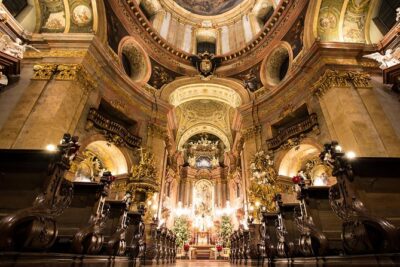
★ 4.5 · 2,364 reviews - Vienna Classical Concert at St. Peter’s Church
★ 4.5 · 2,039 reviews
Why Period Instruments Change the Sound
The musicians use instruments associated with the time of Mozart and Schubert. Some performances have included 18th-century instruments and historically styled bow strings, including gut strings. This does not make the music sound ancient or rough. It gives the tone a character that differs from the polished, modern orchestral sound you may know.
The period approach is valuable because it connects the music to its original setting. You are hearing works from the Viennese Classical Era played with an effort to recreate the sound world of that period. The effect can be especially noticeable in the lighter passages, where the instruments have a more delicate and textured quality.
The church’s acoustics add another layer. Notes linger against the walls, but the room is small enough that the music does not become a blur. Several details in the program are likely to be appreciated more from close seats, including the physical interaction of the players with their instruments.
This is not a musicology lecture, and there may not be extensive spoken explanation. The experience depends on listening rather than on a guide narrating the history of each composition. If you want detailed introductions to every work, a more formal educational concert may suit you better.
St. Anne’s Acoustics and Baroque Atmosphere
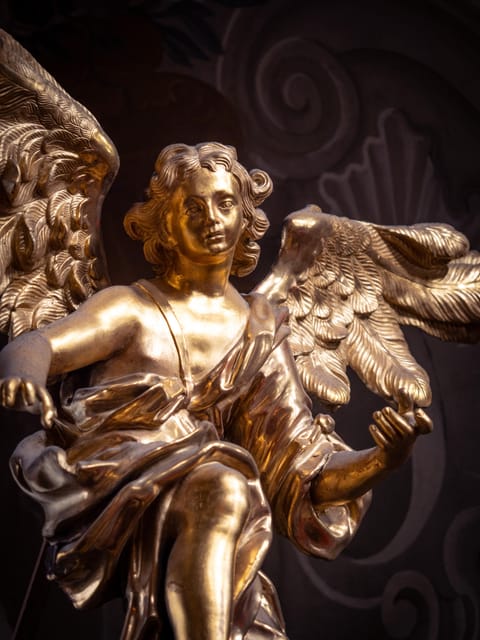
The church is often the star before the first note is played. Its ornate Baroque interior creates a sense of occasion without the formality of a major opera house. The lighting has been arranged to reveal the architecture while keeping the room intimate rather than harshly bright.
That balance is important. You can admire the gold decoration and marble details without losing the feeling that you are in a working place of worship. The atmosphere is calm, and the setting gives the music a sense of age and continuity.
The acoustics are one of the strongest reasons to choose this concert. The walls carry the strings clearly, and the room gives sustained notes a pleasing resonance. You may find the sound more enveloping from the center or rear, while the front gives you greater detail and a closer view of the ensemble.
A church is not acoustically neutral, though. The same reverberation that makes a slow movement beautiful can soften fast passages. If you prefer a dry, sharply separated concert-hall sound, this setting may feel less precise. For most listeners, the architectural atmosphere is part of the appeal.
How the Experience Fits Into a Vienna Evening
The 8:00 PM start works well after a full day in the city. You can spend the afternoon around the Hofburg or central shopping streets, have an early dinner, and walk to Annagasse. After the concert, you remain in one of Vienna’s best areas for an evening stroll, with cafés and restaurants nearby.
The 70-minute duration is another strength. You finish around 9:10 PM, making it easier to continue your evening than after a long opera production. It is also short enough for people who are curious about classical music but do not want to spend three or four hours in formal seats.
I would be careful about booking it as a replacement for an opera. The concert has no singers, costumes, plot, or staging. It is a chamber music performance in a church. If you want a close look at string playing and the sound of period instruments, it is a good fit. If you want spectacle, choose another type of performance.
The atmosphere also makes it a pleasant choice after a hectic day. The quiet room, warm lighting, and steady rhythm of the music create a clear break from sightseeing. You can simply sit still for an hour and let the city wait outside.
Is $38 a Good Value?
At $38 per person, this is a reasonable price for live classical music in central Vienna. You receive admission, free seating, and a concert program. The price is much easier to justify if you are already interested in Mozart, Haydn, Beethoven, Schubert, or the sound of historical instruments.
The value is also tied to the venue. You are not paying only for a performance in an anonymous room. You are entering a Baroque church with notable decoration and acoustics, then hearing a professional quartet at close range. The combination gives the evening more substance than a standard short concert.
Still, value depends on what you want. A listener seeking a major orchestra, a large-scale production, or a long program may find 70 minutes brief. Someone who wants an affordable cultural evening in a beautiful setting is likely to find the length just right.
The free program is a small but useful extra. It helps you follow the composers and pieces without adding another charge. Since the performers and exact program can vary, check the date and starting time when booking.
Who Will Enjoy This Concert Most?
This experience suits first-time classical listeners because the setting is welcoming and the program is not excessively long. You do not need to know the difference between a minuet and a scherzo to enjoy the sound, the architecture, and the visible skill of the players.
It is also a good choice for serious listeners who appreciate chamber music. The intimacy lets you observe the ensemble closely, and the period instruments add an element beyond a standard modern string performance.
Couples, solo visitors, and families with older children can all fit comfortably into the format, provided everyone is prepared for quiet listening. The church setting asks for attention and respect. It is not the right pick if someone in your party needs to talk through the performance or leave repeatedly.
You should also choose it if you are staying near the center. The location is convenient, the concert is short, and the evening does not require a complicated transfer. Those practical details make it easy to add to a busy Vienna itinerary.
Small Drawbacks to Keep in Mind
The main issue is seating. Free seating keeps the ticket simple, but you need to arrive early for the best front views. From some seats, the musicians may not be raised high enough for every player to be equally visible.
Church acoustics are another matter of taste. They produce the pleasing resonance that makes the concert special, but they can also soften quick musical details. Summer warmth is worth noting too, while winter heating makes the church more comfortable in cold weather.
Silence is not always perfect. A late arrival, a conversation, a ringing phone, or someone snoring can interrupt the mood. Recording is not allowed, and a bright phone flash can distract the musicians and everyone around you. Turn off your phone before the concert begins.
These are manageable concerns rather than reasons to avoid the performance. Arrive early, choose your seat carefully, bring water in warm weather, and treat the room as a quiet concert space.
Should You Book St. Anne’s Church?
I would book this concert if you want a graceful, affordable evening of Viennese culture without committing to the opera. The strongest reasons are the beautiful Baroque interior, close-up chamber music, period instruments, and central location.
Arrive 30 to 40 minutes early if seating matters, and expect a 70-minute performance beginning at 8:00 PM. Choose another event if you need a grand production, guaranteed front seating, or extensive commentary about the music.
For $38, this is a sensible choice for most visitors who want classical music in an authentic-feeling setting. The church gives you something to see, the musicians give you something to hear, and the short format leaves the rest of the evening free.
FAQ
Where is St. Anne’s Church located?
St. Anne’s Church, or Annakirche, is at Annagasse 3b in central Vienna. It is about a three-minute walk from the Vienna State Opera.
How long does the concert last?
The concert lasts 70 minutes.
What time does the concert begin?
Concerts begin at 8:00 PM.
Which composers may be included?
The program includes complete works by Mozart, Haydn, Beethoven, or Schubert. The exact selection can vary by performance.
Are the musicians using period instruments?
Yes. The string ensemble plays on instruments from the time of Mozart and Schubert to recreate the sound of the Viennese Classical Era.
Is seating assigned?
No. The ticket provides free seating in the venue, so seats are available on a first come, first served basis.
How early should I arrive for a front seat?
Arriving 30 to 40 minutes before the start gives you a better chance of finding a front-row seat.
Is the church heated in winter?
Yes. St. Anne’s Church is heated during the cold months.
Can I cancel the booking?
You can cancel up to 24 hours in advance for a full refund. A reserve-now-and-pay-later option is also available.
Just added in Vienna
- 3 hour private tour in Vienna by private car★ 4.4 · 6 reviews
- Private Christmas Markets Walking Tour Vienna★ 5.0 · 31 reviews
- Christmas Markets & Shopping in Vienna★ 5.0 · 17 reviews
- Christmas Market Vienna Tour★ 4.0 · 53 reviews
- Vienna: Christmas Markets Tour★ 4.3 · 99 reviews
- Vienna: Naschmarkt Guided Food Tour★ 4.4 · 140 reviews
- From Vienna: Prague Small-Group Guided Day Tour★ 4.7 · 141 reviews
- The unknown Vienna City- a guided walking tour in 3 hours★ 4.7 · 137 reviews
Mozart & Classical Concerts, compared.
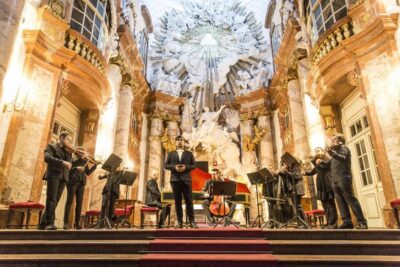
Vivaldi’s Four Seasons Concert in Karlskirche
Read our review →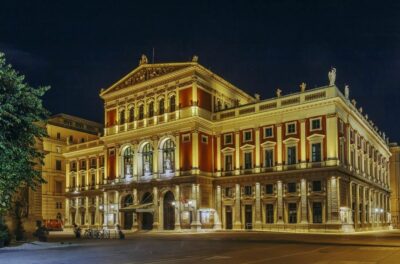
Classical Concert in the World-Famous Musikverein
Read our review →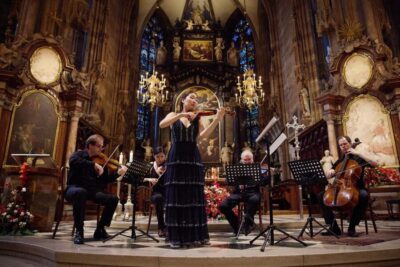
Vienna Classical Concert at St. Peter’s Church
Read our review →Browse the lists this tour appears in