
Reviewed · TOURS IN SALZBURG
Salzburg: The Magic Flute at Marionette Theater Ticket
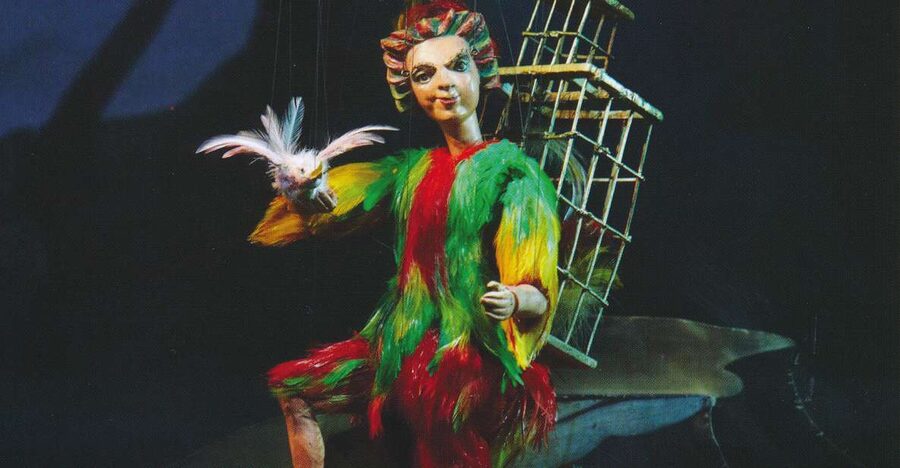
Mozart’s The Magic Flute takes on a wonderfully unusual form at Salzburg’s historic Marionette Theatre: the singers and dancers are represented by carefully controlled puppets, handled by a professional team whose hands do much of the acting. You get opera, theater, music, and a small lesson in stagecraft inside a 350-seat Baroque-style auditorium.
I like the way the performance makes a famous opera easier to approach, especially for families and people who do not usually attend opera. I also like the chance to see the theater’s stage crew at work before the show, when scenery is placed into position. The main thing to consider is that the opera is sung in German, and one recent audience member felt that the puppets could be hard for children to understand.
Key points
- Two show lengths: Choose a shorter 65-minute version or a production lasting up to two hours.
- Puppets with demanding choreography: Professional puppeteers control the figures by hand while keeping pace with the opera.
- Historic setting: The performance takes place in Salzburg’s Marionette Theatre, a miniature opera house with 350 seats.
- German performance: Explanations are projected in English, Spanish, French, and Chinese, but the opera itself remains in German.
- A family-friendly introduction to Mozart: The mix of puppets, singing, movement, and surprises gives children a clear visual focus.
- Flexible booking: You can cancel up to 24 hours before the performance for a full refund, and reserve now while paying later.
Why The Magic Flute works with puppets
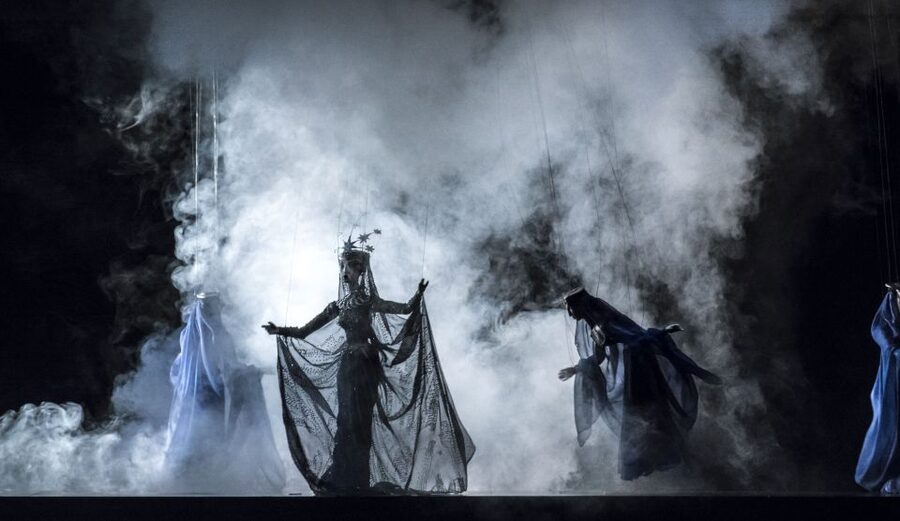
Mozart’s The Magic Flute already has a playful side. It includes comic characters, fantasy creatures, tests of courage, romance, music, and stage magic. In a puppet theater, those qualities become easier to see. A tiny figure can seem to dance, bow, react, and change mood with only a few precise movements from the puppeteer behind it.
That is the real draw here. You are not simply watching a shortened opera. You are watching two performances at once: the story on stage and the quiet physical work required to make every figure move at the right moment.
The puppeteers need musical timing as well as manual skill. A puppet has no facial expression in the human sense, so a tilt of the head, a turn of the body, or a pause in movement must carry meaning. The production asks you to watch those small details. If you pay attention, the hands guiding the figures become part of the art rather than something to ignore.
The format also lowers the barrier for first-time opera visitors. You do not need to arrive with a detailed knowledge of Mozart or the plot. The large visual action gives you clues, and the projected explanations help you follow the main story.
More to book in Salzburg
- Salzburg: Hohensalzburg Fortress Admission Ticket
★ 4.6 · 2,236 reviews - Salzburg: Cathedral Entry Ticket with Audio Guide Option
★ 4.4 · 134 reviews - Vienna: Classic Ensemble Vienna in St. Peter’s Church Ticket
★ 4.7 · 4,819 reviews
Inside Salzburg’s 350-seat Marionette Theatre
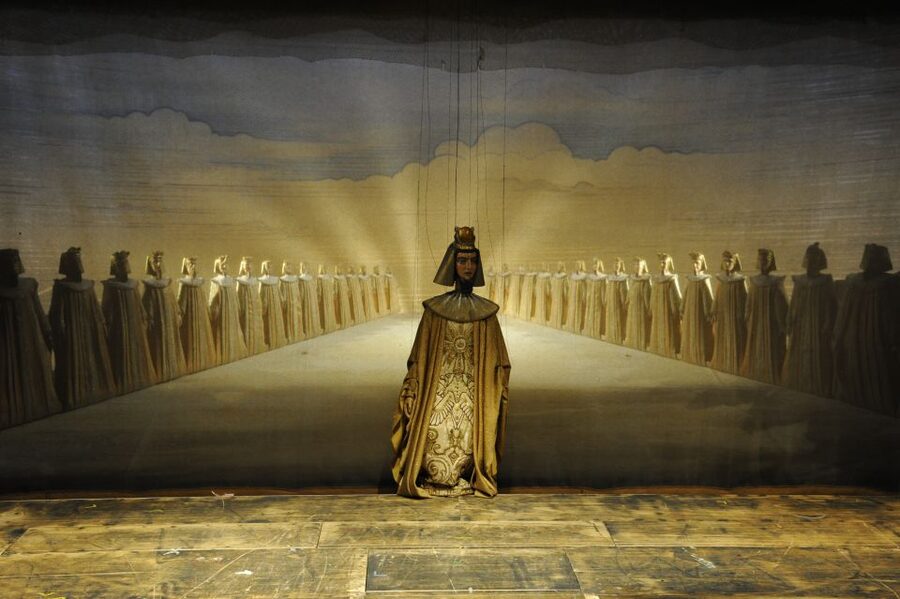
The theater itself is part of the experience. You enter a small opera house with a Baroque-style auditorium and 350 seats. That scale matters. A puppet production needs a setting that feels intimate enough for you to notice movement, yet formal enough to preserve the sense of attending a real theatrical performance.
The venue is associated with Salzburg’s long musical tradition and is described as a UNESCO-listed site of Intangible Cultural Heritage. That recognition points to the craft behind the performance, not only the building. Manual puppetry at this level depends on skills passed between performers and maintained through repeated practice.
Before the show begins, you might see the scenery being positioned on stage. This is a useful extra detail, since it lets you watch part of the production’s mechanics before the fantasy takes over. It also gives children a way to understand that the magic comes from people working with wood, fabric, lighting, scenery, and careful timing.
I would arrive ready to look beyond the central figures. The stage changes, the lighting helps set the mood, and the puppeteers work together to keep the story moving. One recent audience member especially appreciated seeing the scenery placed at the start, along with the work of the performers and lighting team.
Choosing between 65 minutes and two hours
The experience is offered in versions ranging from 65 minutes to two hours. Check the available starting times and the length attached to the performance you select. This is more important than it may sound, especially if you are fitting the show between a fortress visit, a concert, dinner, or a train departure.
The shorter version is likely the easier choice for young children or for anyone who wants a compact introduction to puppet opera. Sixty-five minutes gives you the central flavor of the production without asking for a long period of quiet attention.
The two-hour option gives the story more room. It may suit you if you want a fuller theatrical experience and have enough time in your Salzburg schedule. I would choose it for older children, opera fans, and visitors who are curious about the complete stage treatment rather than a quick cultural stop.
The supplied information does not specify the exact differences between the two versions, so do not assume that the shorter show is simply the same production with an interval removed. Check the current performance details before booking.
What you see before and during the performance
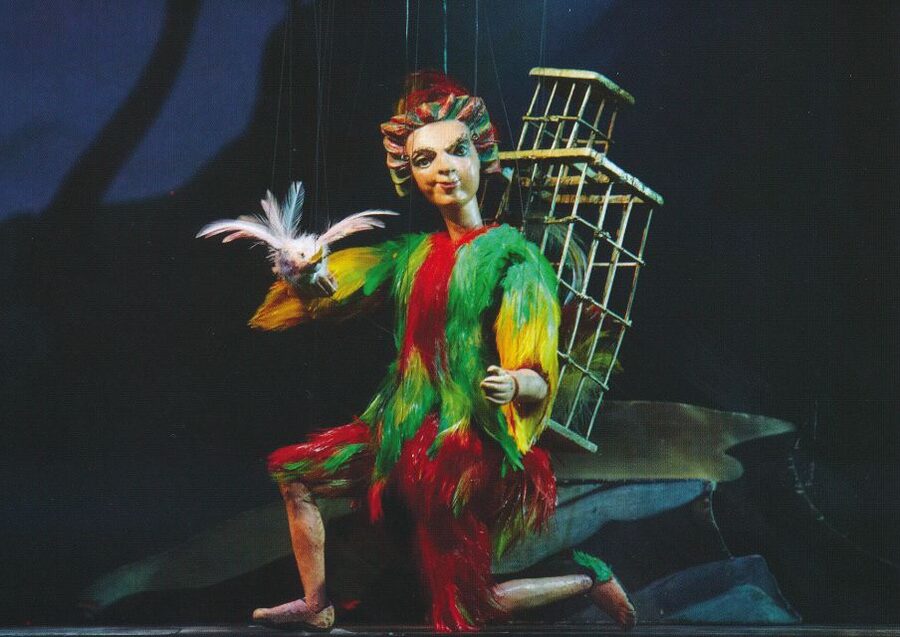
The experience begins with the theater and its stage rather than with a guided tour. You take your seat in the miniature opera house, then the performance builds the world of The Magic Flute through puppets, singing, dancing, lighting, and stage scenery.
The opening stage work can be especially interesting. Seeing scenery placed into position gives you a glimpse of the practical side of the theater. Instead of treating the production as a sealed illusion, it shows you that a team of people is building each scene by hand.
Once the opera is under way, the puppets carry the action. Expect a production with fantasy, comedy, music, and surprises rather than a dry presentation of Mozart’s score. The adaptation is designed for people of all ages, though the plot and German-language singing may be easier for older children to follow.
The puppeteers are the center of the craft. Their job is not simply to move an arm or make a puppet walk. They must coordinate movement with the music and with one another, often making the figures appear to react naturally. The best moments are likely to be the quiet ones, when a small gesture gives a puppet a strong sense of character.
Lighting also has an important role. It helps direct your eye toward the action and supports the change from one scene to the next. The people managing the lights are part of the production team, and their work helps keep the miniature stage readable from the seats.
A different kind of evening in Salzburg:
- The Original Sound of Music Tour in Salzburg
★ 4.5 · 6,129 reviews - Salzburg: Original Sound of Music Tour
★ 4.8 · 5,059 reviews - From Salzburg: Half-Day Tour to Hallstatt
★ 4.6 · 3,596 reviews - Salzburg: Mozart Concert at Mirabell Palace
★ 4.8 · 3,498 reviews
German opera with projected explanations
The Magic Flute is performed in German. If you do not understand German, projected explanations are available on the wall near the stage in English, Spanish, French, and Chinese.
This is useful, but it is not the same as watching an opera performed in your own language. You will need to divide your attention between the stage and the projected text. That can be manageable for adults, but younger children may focus on the puppets and miss some of the story.
I would read a short plot summary before arriving, especially if you are bringing children. Knowing the basic characters and conflicts lets you enjoy the movement and music without trying to work out every story point as it happens.
The visual storytelling helps. Costumes, gestures, scenery, and the comic action give you clues even when the words are unfamiliar. Still, the language issue is a real consideration. One recent audience comment praised the experience but noted that the puppets were not always easy for children to understand.
Is the music live?
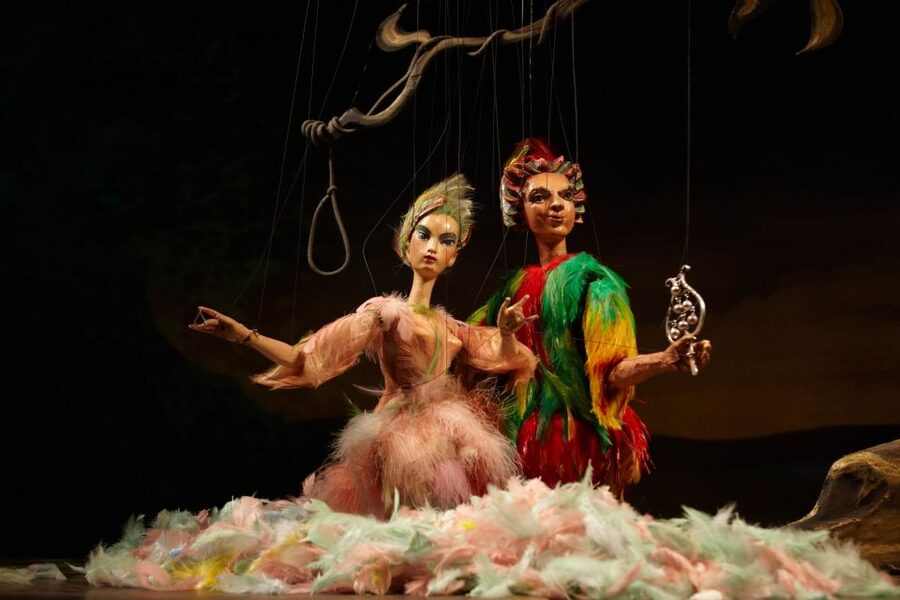
Music is the heart of The Magic Flute, and the performance includes the opera’s singing and musical world. However, you should check the current production details if live instrumental music is important to you.
One recent audience member specifically noted that live music would have made the experience perfect. That comment suggests you should not automatically picture a full orchestra in the pit. The available information does not promise live instrumental accompaniment, so book this primarily for the combination of Mozart, puppet theater, and stagecraft rather than for a guaranteed orchestral concert.
For many people, the visual side will be the main attraction. You can watch a puppet respond to the rhythm and mood of the music, which adds a layer that a conventional concert cannot provide.
Why the experience suits families
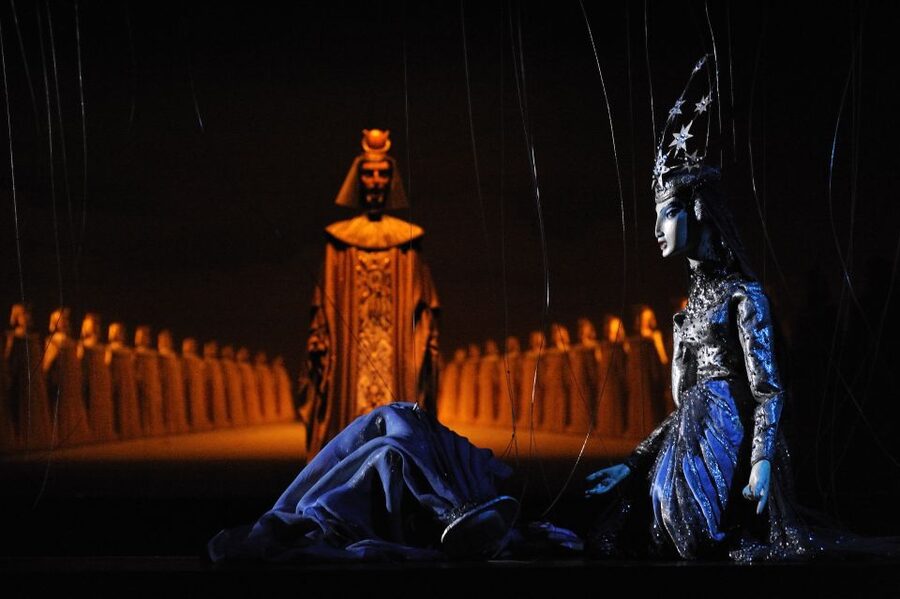
The show offers a strong family format because it gives children something to watch. Opera can be a challenge for younger audiences when the action depends almost entirely on singing and dialogue. Here, the figures move, dance, react, and appear in changing scenes.
That does not mean every child will sit happily through the full two-hour version. I would consider the 65-minute option for younger children and the longer performance for children who already enjoy theater, music, or stories with fantasy elements.
The German language is the main family hurdle. Explanations in several languages help adults follow the plot, but children may not read projected text quickly enough. The puppets themselves provide visual entertainment, though a child expecting a loud, fast-moving show may find the pace more formal than a modern puppet performance.
For children around age 12 and older, the experience may be especially rewarding. A recent family-focused comment recommended it for children from 12, while also praising the magical movement of the puppets. Treat that as useful guidance rather than a strict age rule.
What $38 represents in value
At $38 per person, this is not the cheapest short activity in Salzburg. The value comes from the combination of a theater ticket, a Mozart performance, a historic setting, and a specialized form of puppetry that requires substantial training.
You are paying for more than a seat at a show. You are seeing a professional group coordinate puppets, music, scenery, lighting, and stage movement in a purpose-built theater. The intimate auditorium also gives the experience a sense of occasion that a casual street performance would not provide.
The value is strongest if you already plan to see Salzburg’s musical sights and want something different from a standard concert. It is also good for families who want a cultural activity that does not require everyone to sit through a conventional opera with live actors.
The value is weaker if your priority is a full live orchestra, a performance in English, or a very short attraction with no need to follow a story. In those cases, the German singing and projected explanations may feel like extra work.
Timing, cancellation, and practical planning
The show lasts between 65 minutes and two hours, so leave room around it. The shorter performance can fit more easily into a busy sightseeing day, while the longer version deserves a clear block of time.
Food and drinks are not included. Plan those separately rather than expecting a meal as part of the ticket.
The booking terms are helpful if your Salzburg schedule is still changing. You can cancel up to 24 hours in advance for a full refund, and the reserve-now, pay-later option allows you to hold a place without paying immediately. Starting times vary, so check availability for the date you want.
The theater has 350 seats, which is large enough to accommodate a substantial audience but still gives the show a small-scale feel. Since no seating details are provided, I would not promise a particular view from a specific ticket type. The performance is designed for the theater’s own auditorium, and the stage is the focus from every seat.
Who should book this Salzburg performance?
I would recommend it to you if you enjoy Mozart, unusual theater, traditional puppetry, or cultural activities that work for several age groups at once. It is a particularly good choice for families with older children and for adults who want to see Salzburg’s musical identity in a less predictable form.
It also suits first-time opera visitors. The puppets make the action easier to watch, and the projected explanations offer help with the German text. You can enjoy the technical skill even if you do not catch every line.
I would hesitate if you need English dialogue, guaranteed live instrumental music, or a fully explained theater tour. The performance remains in German, and the available information does not promise an orchestra or a separate guided visit behind the scenes.
Should you book The Magic Flute at the Marionette Theatre?
Book it if you want a distinctive Salzburg evening built around Mozart, hand-operated puppets, and a historic theater. The strongest reasons are the rare combination of opera and miniature stagecraft, the visible work of the puppeteers, and the family-friendly visual style.
Choose the shorter version for a quick introduction or younger children. Choose the two-hour version if you want more time with the story and have room in your schedule. Just prepare yourself and your family for German singing, projected translations, and music that may not include a live orchestra.
At $38, the ticket makes sense for anyone who values a special performance rather than a standard sightseeing stop. I would book it as a cultural experience with a playful edge, not as a substitute for a full opera house production.
FAQ
Where does The Magic Flute performance take place?
It takes place at the Salzburg Marionette Theatre in Salzburg, Austria. The auditorium has a Baroque-style design and 350 seats.
How long does the performance last?
Available versions last from 65 minutes to two hours. Check the selected performance for the exact duration and starting time.
Is The Magic Flute performed in English?
No. The opera is performed in German. Explanations are projected near the stage in English, Spanish, French, and Chinese.
Is the performance suitable for children?
Yes. The production is presented for people of all ages and uses puppets, singing, dancing, and visual stage action. Children around age 12 and older may find it easier to follow the story, especially in German.
Are food and drinks included?
No. Food and drinks are not included in the ticket.
What is included in the ticket?
The ticket includes admission to The Magic Flute performance at the Salzburg Marionette Theatre.
Is live music included?
The available information does not guarantee live instrumental music. The performance includes the opera’s singing and musical presentation, but you should check the current details if a live orchestra is essential to your plans.
Can I cancel the booking?
Yes. You can cancel up to 24 hours in advance for a full refund.
Can I reserve now and pay later?
Yes. The activity offers a reserve-now, pay-later option, so you can book a place without paying immediately.
Just added in Salzburg
- Salzburg: Christmas/Advent Concert at Fortress Hohensalzburg★ 4.4 · 54 reviews
- Private Werfen Ice Cave and Golling Waterfall from Salzburg★ 5.0 · 15 reviews
- Private Tour: Eagle’s Nest and Bavarian Alps Tour from Salzburg★ 5.0 · 73 reviews
- Alpine Majesty: Eagle’s Nest, Salt Mine Salzburg & Berchtesgaden★ 5.0 · 15 reviews
- Salzburg: White Water Rafting on the Salzach River★ 4.7 · 87 reviews
- Salzburg: River Rafting Trip for Beginners★ 4.8 · 102 reviews
- Best of Mozart Concert and GOLDEN VIP Dinner at Fortress Hohensalzburg★ 4.5 · 138 reviews
- Bavarian Mountains including Berchtesgaden from Salzburg★ 4.0 · 140 reviews
Tours in Salzburg, compared.

Skip-the-Line: Eagle’s Nest in Berchtesgaden Tour from Salzburg
Read our review →
Browse the lists this tour appears in